King and Queen will not live in Buckingham Palace after renovations

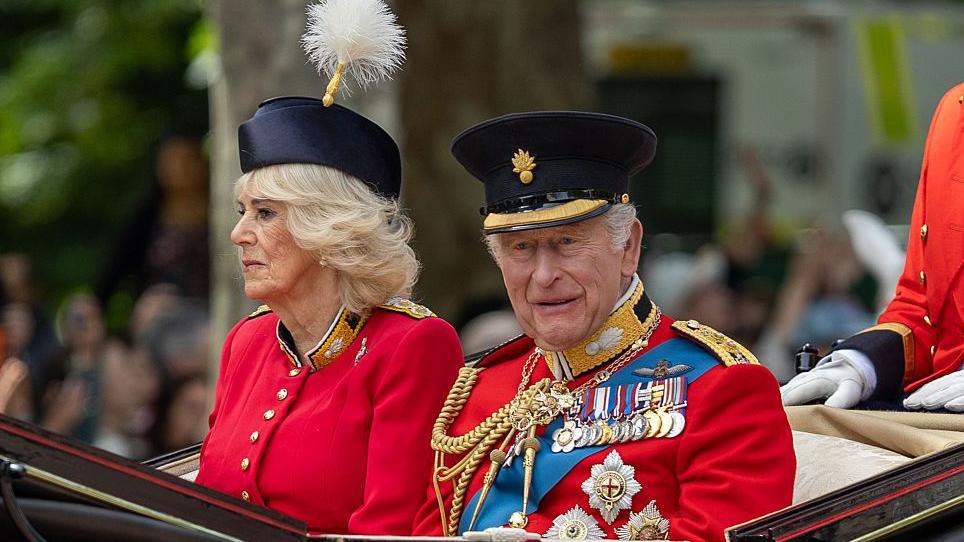
King Charles and Queen Camilla to Remain at Clarence House Post-Renovations
Constantvpn.com – The recent royal accounts have disclosed that King Charles and Queen Camilla will not reside at Buckingham Palace once the £369 million refurbishment project concludes in early 2025. This shift marks a significant change in the monarchy’s living arrangements, as the iconic London palace continues to serve as the administrative hub for the royal family. Despite its historical role as the official residence since 1837, Buckingham Palace will no longer be the primary home for the monarch and his consort, who have chosen to stay at Clarence House instead.
The Decision to Prioritize Public Access
Officials have emphasized that the move to Clarence House aims to enhance public engagement with the palace. The extensive renovations, which span a decade, include modernizing aging infrastructure such as cables, lead pipes, wiring, and boilers—many of which have not been updated in six decades. These changes are designed to mitigate risks of fire and water damage, ensuring the building remains a functional and safe landmark for future generations.
The decision reflects a strategic balance between preserving the palace’s ceremonial importance and making it more accessible. While King Charles will still use Buckingham Palace for official events, the royal couple’s presence there will be limited. This allows for greater flexibility in opening the palace to visitors, potentially extending its operating hours and increasing revenue. Currently, the State Rooms are open during the summer and select dates throughout the year, but the renovations may enable a more comprehensive visitor experience.
“His Majesty retains huge affection for Buckingham Palace and a deep respect for its role in royal and public life,” stated a palace spokesperson. “It will be a buzzing hive of royal activity in every other way.”
Clarence House: A Familiar Home
Clarence House, located adjacent to St James’s Palace, has been the couple’s residence since their marriage in 2005. The decision to keep it as their main home comes amid concerns about the logistical challenges of relocating their household and staff to Buckingham Palace. Both the King and Queen, now in their late 70s, have expressed a preference for the stability and comfort of their current living situation.
Clarence House, once the home of Queen Elizabeth II’s mother, has long been a central part of the royal family’s London operations. Its proximity to other royal residences, such as St James’s Palace, also supports the King’s frequent engagements, including meetings with the prime minister and new ambassadors. While Buckingham Palace will host state banquets, garden parties, and audiences, the couple’s continued presence at Clarence House underscores its practical role in daily royal life.
Financial Implications of the Refurbishment
The renovation project, funded through a temporary boost to the Sovereign Grant, has had notable financial effects. The grant, which covers the monarchy’s official expenses, has seen an increase from £137.9 million in 2027-28 to a higher figure in 2024-25. This adjustment allows for addressing maintenance backlogs at occupied royal properties, upgrading cybersecurity systems, and installing energy-efficient heating solutions.
King Charles’s latest accounts reveal a personal financial commitment. For the 2024-25 fiscal year, he paid £12.9 million in taxes, a figure that places him among the UK’s top 100 taxpayers. This marks the first time a monarch has publicly disclosed their tax payments, highlighting transparency in royal finances. The accounts also show a decline in the Sovereign Grant’s overall level from £137.9 million to £99.9 million in 2027-28, though the temporary uplift ensures the grant remains almost double its core amount of £51.8 million in 2024-25.
Additional funding has been allocated to replace boilers at Windsor Castle, with £11 million earmarked for this purpose. These investments signal a broader effort to modernize royal residences while maintaining their historical significance. The King’s spokesperson noted that the changes are both a departure from tradition and a step toward the future, ensuring the palace remains a vibrant center for royal activity.
Historical Context and Royal Legacy
Clarence House is not the first royal residence to undergo such a shift. Queen Victoria, who made Buckingham Palace the official seat of court in 1837, initially transformed the vast 775-room estate into a family home after her marriage to Prince Albert. The palace became a symbol of the monarchy’s grandeur and public presence, hosting countless events and serving as a backdrop for royal milestones. However, even Queen Victoria occasionally left the palace during periods of mourning or personal retreat, such as after her husband’s death in 1861.
Queen Elizabeth II, who reigned for over six decades, also maintained a strong connection to Buckingham Palace. Her Christmas messages and public appearances were often filmed or delivered there, cementing its role as a focal point of the monarchy’s image. The current decision to move the King and Queen from Buckingham Palace echoes this historical pattern, with the couple choosing a more accessible home while allowing the palace to fulfill its ceremonial and administrative functions.
Notably, this is the first time since Queen Victoria’s reign that a monarch has opted to live away from Buckingham Palace as their primary residence. The change highlights evolving priorities within the royal family, balancing the need for modernization with the desire to preserve tradition. While the palace will remain a cornerstone of royal life, the King and Queen’s continued stay at Clarence House ensures their personal and professional lives remain integrated with the monarchy’s daily operations.
As the renovations near completion, the public will likely see Buckingham Palace in a renewed state, ready to welcome visitors for extended periods. The King’s presence at the palace will ensure that its grand events, such as state banquets and garden parties, continue to take place, maintaining its status as a key venue for national occasions. This arrangement reflects a thoughtful compromise, allowing the monarchy to adapt to contemporary needs without abandoning its storied heritage.
Historical precedents suggest that such decisions are not uncommon. For example, King George VI and Queen Elizabeth resided at Buckingham Palace during World War II, even as they hosted dignitaries and addressed the nation from its halls. The current move, however, marks a shift toward a more decentralized approach, with the royal couple leveraging the proximity of Clarence House to manage their responsibilities while leaving the palace to serve its public and administrative purpose.
Overall, the decision to keep the King and Queen at Clarence House represents a strategic reimagining of royal life. By prioritizing accessibility and efficiency, the monarchy aims to modernize its image while preserving the iconic status of Buckingham Palace. As the final phase of the refurbishment begins, the public can look forward to a more open and functional royal estate, reflecting both tradition and contemporary priorities.