Houthi attacks reportedly kill at least 30 Yemeni government forces
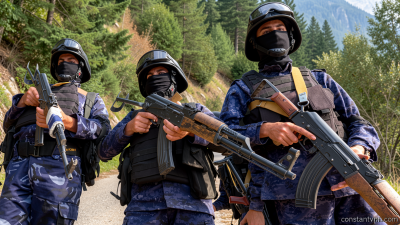
Yemen Conflict Intensifies as Houthi Assaults Target Government Military Installations
Constantvpn.com – Escalating tensions in the Arabian Peninsula have culminated in a significant military confrontation between Houthi forces and Yemeni government troops, with multiple camps struck by precision weaponry. The coordinated assault, executed through a combination of ballistic missiles and unmanned aerial vehicles, has resulted in substantial casualties among government-aligned personnel stationed across central Yemen.
Coordinated Strikes on Strategic Positions
The military operations commenced at 10:40 local time on Thursday, targeting installations in two critical provinces: Marib and Hadramawt. These regions, situated near the Saudi Arabian border, have emerged as strategic focal points in the ongoing conflict. A military official provided detailed accounts of the strikes, noting that facilities in the al-Ruwaik area of Marib province sustained direct hits, while additional camps in the al-Abr and al-Wadiah districts of Hadramawt were also compromised.
The Yemeni defence ministry characterized the assault as a calculated betrayal, issuing a firm commitment to deliver a proportionate response. Officials described the timing and methodology of the attacks as deliberate, emphasizing that the government would determine the optimal moment and location for countermeasures.
Conflicting Casualty Assessments
Discrepancies have emerged regarding the precise death toll from the engagements. Medical sources indicated that at least 38 Yemeni soldiers perished while 29 others sustained injuries. Conversely, military informants speaking to pro-government media outlets suggested the fatalities exceeded 40 personnel. The defence ministry declined to provide an exact figure, acknowledging only that multiple individuals were killed or wounded across the affected installations.
Houthi military spokesperson Yahia Sarea presented a markedly different assessment, asserting that the operations resulted in the deaths and injuries of hundreds of what he termed “Saudi enemy mercenaries.” He further claimed that extensive infrastructure damage occurred, including the destruction of numerous buildings, weapons systems, and military vehicles across the al-Ruwaik, al-Abr, and al-Thaniyah locations.
The camps belonged to the Saudi-backed Yemeni Emergency Forces and that the Houthis had observed “large Saudi military build-ups in their final stages, aimed at escalating the aggression against the liberated provinces and the Yemeni people”.
Broader Context of Regional Tensions
The latest violence represents a significant deterioration in the security situation following a UN-brokered ceasefire that has maintained relative stability since 2022. The Houthi movement, which maintains control over substantial territory in northwestern Yemen and receives backing from Iran, announced a maritime embargo against Saudi Arabia on July 20. This measure coincided with the initiation of sustained missile and drone campaigns targeting Saudi infrastructure, including airports, oil facilities, and commercial vessels navigating the Red Sea.
The Houthi leadership framed their actions as retaliation for a Saudi blockade affecting ports and airports within territories under their administration. Additionally, they cited an air strike on Sanaa airport—attributed to Saudi forces despite Yemeni government denials—as a contributing factor to the escalation.
Saudi Arabia has responded through aerial bombardments of Houthi positions and the establishment of a new naval coalition designed to safeguard maritime traffic in the Red Sea and Gulf of Aden. Representatives from 43 nations participated in the coalition’s inaugural gathering, where leadership emphasized the defensive character of the arrangement, clarifying that it would not target any specific nation, organization, or alliance.
International Response and Historical Background
United Nations Deputy Spokesperson Farhan Haq urged all stakeholders to demonstrate restraint, warning that renewed hostilities could undermine progress achieved in reducing violence over recent years.
“Renewed fighting risks reversing the hard-won gains made towards reducing violence in the past years,” he told reporters.
The United States mission to Yemen condemned the Houthi operations as cowardly, characterizing them as manifestations of what Washington described as terrorism directed against the Yemeni population.
The current crisis traces its origins to 2014, when Houthi forces displaced the government from Sanaa, the capital city. International intervention intensified in 2015 when a Saudi-led coalition of Arab states deployed military resources to restore governmental authority. The protracted conflict has claimed more than 150,000 lives and generated one of the most severe humanitarian emergencies globally, with over 22 million individuals requiring various forms of assistance according to United Nations assessments.
The Houthis characterized their maritime embargo as a direct response to Saudi restrictions on ports and airports within Yemeni territory, framing the escalation as defensive measures against what they perceive as coordinated aggression. As diplomatic efforts continue, the international community watches closely to determine whether the current trajectory will lead to further deterioration or present opportunities for renewed negotiations and de-escalation.
Related Reading
Frequently Asked Questions
What is Houthi attacks reportedly kill at least 30?
Houthi attacks reportedly kill at least 30 is the main topic of this guide. The article explains the context, practical details, and next steps readers should understand.
Why does Houthi attacks reportedly kill at least 30 matter?
Houthi attacks reportedly kill at least 30 matters because readers are looking for a useful answer, not just a short summary. Good content should match search intent and help them decide what to do next.
