Bondi Beach shooting hero pleads not guilty to alleged assault on his father

Bondi Beach Shooting Hero Pledges Not Guilty to Alleged Assault on His Father
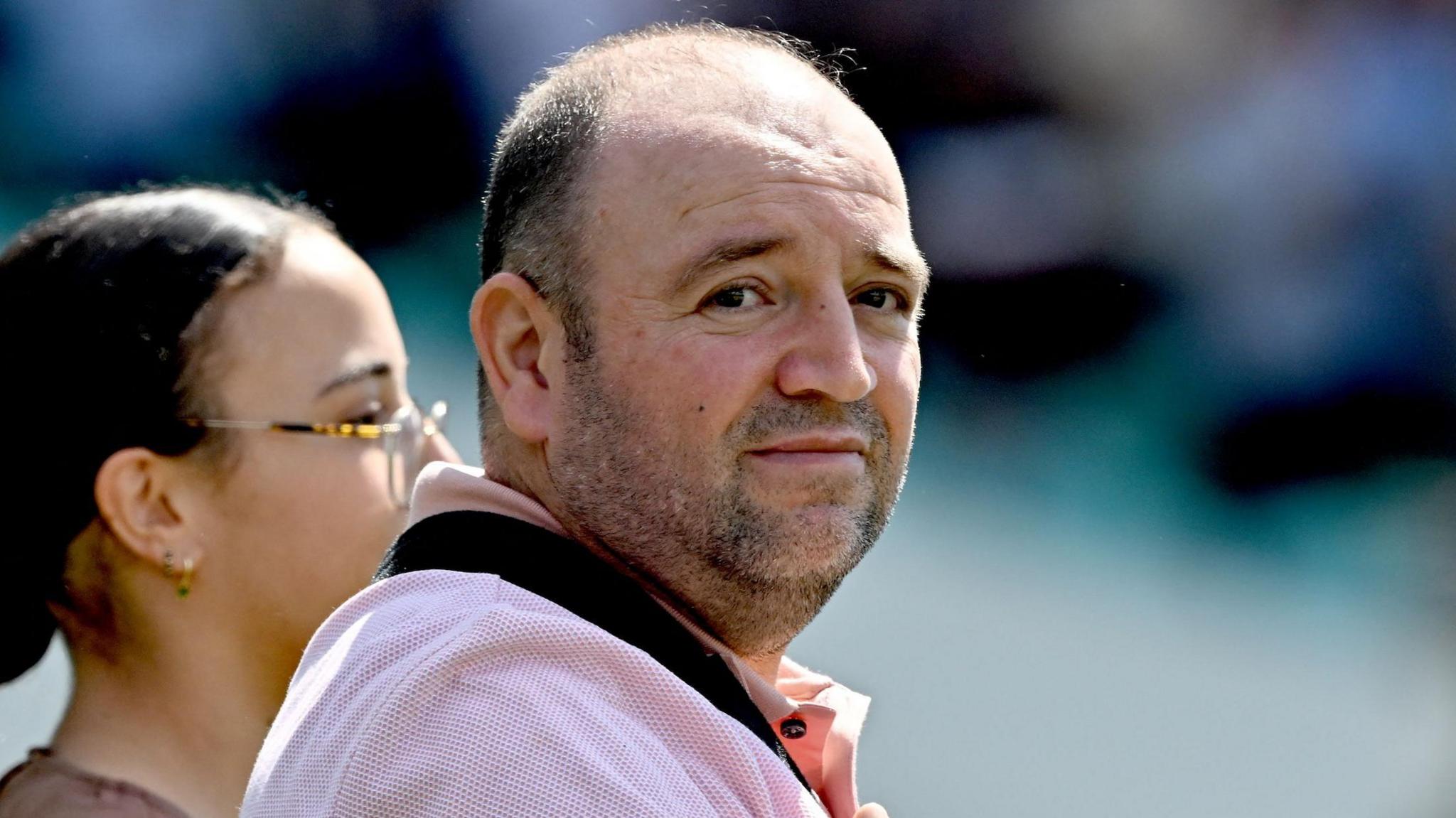
Constantvpn.com – On Wednesday, Ahmed al Ahmed, 44, took to the Bankstown Local Court in Sydney to face charges of assault, stalking, and intimidation. The man celebrated as a lifesaving hero for confronting one of the attackers during the December 14 mass shooting at Bondi Beach has denied the accusations against him. His case, which has drawn attention for its emotional and legal complexity, is set to resume in August, with a follow-up hearing scheduled for December. The incident, which claimed 15 lives, has already left a lasting mark on Australia’s recent history, but the personal tensions within Ahmed’s family are now becoming a focal point of the legal proceedings.
The Day of Heroism
On December 14, 2023, Ahmed al Ahmed sprang into action during a chaotic attack at a Jewish community event in Bondi Beach. As the gunfire erupted, he lunged at Sajid Akram, one of the assailants, and wrestled the long-arm weapon from his grip. This act of courage stopped the attacker from continuing his rampage and allowed others to escape harm. The moment was captured on video, which went viral globally and sparked an outpouring of support for Ahmed. A fundraiser, organized in his name, raised over A$2.5 million to aid his recovery and well-being.
A Family Dispute in the Spotlight
Now, the spotlight has shifted from his heroics to a domestic dispute. Ahmed faces allegations of physically assaulting his father, a charge he contests in court. His legal team described the situation as “very difficult” for their client, noting it was an unexpected conflict within the family. Outside the courthouse, Ahmed’s lawyer emphasized that the case reflects a personal struggle, with the accused trying to defend his actions against claims of wrongdoing.
Compounding the legal challenges is a separate investigation involving two of Ahmed’s brothers. Hozifa al Ahmed and Sameh al Ahmed, who relocated to Australia following the December 14 shooting and resided with their sibling, are accused of threatening him and attempting to extort a portion of the donations he received. The brothers allegedly demanded $100,000 from Ahmed each, warning of harm if he refused. This accusation has added another layer to the family’s turmoil, raising questions about the motives behind the alleged intimidation.
The Shooting’s Broader Impact
The December 14 attack at Bondi Beach was identified as Australia’s most lethal mass shooting since the 1996 Port Arthur incident. Authorities classified it as a terrorist act, targeting the Jewish community with precision. The violence left 15 people dead and dozens injured, marking a stark moment in the nation’s history. Video footage of Ahmed’s intervention became a symbol of bravery, with international media highlighting his role in averting further casualties.
Ahmed’s actions were not just a personal act of defiance but a broader response to the threat of violence. In a televised interview following the incident, he recounted the moments before the confrontation, stating his instinct was to protect others. “My soul was asking me to do that,” he said, expressing his determination to act in the face of danger. His words resonated with many, and Prime Minister Anthony Albanese praised him as “the best of our country” during a visit to Ahmed’s hospital bed in the aftermath.
Denials and Family Tensions
When asked about the allegations of assault on his father, Ahmed responded with a simple “no comment” as he exited the court. His defense argues that the claims are unfounded, and he has previously dismissed them as “not true at all” in local media. However, the brothers’ accusations of extortion and threats have cast doubt on his motives, suggesting a rift within the family that may have been exacerbated by the stress of the shooting.
The incident in March, which led to Ahmed’s current charges, is believed to have been a culmination of the family’s strained relationship. After the December 14 attack, the brothers moved into Ahmed’s home, but their presence created tension. The alleged threats to harm Ahmed if he did not comply with their demands have since been detailed in court, with prosecutors presenting evidence of the dispute. This has led to questions about whether the family’s conflict influenced the shooter’s actions or if it was a separate matter.
The Weight of Public Expectation
Ahmed’s status as a hero has placed him under immense public scrutiny. While the shooting itself was a tragic event, his legal troubles have highlighted the challenges of balancing personal relationships with public responsibility. The fundraiser for him, which collected significant donations, underscores the community’s admiration for his bravery. Yet, the allegations of assault and intimidation have also sparked debates about whether his actions in the shooting were motivated by self-defense or a deeper personal vendetta.
His statements during the court appearance reveal a man grappling with the aftermath of his heroism. Ahmed’s resolve to defend his actions is evident, but the emotional toll of the situation is clear. The court proceedings have become a test not only of his guilt but also of his ability to reconcile with his family. As the case unfolds, the public will be watching closely to see how this personal story intertwines with the national trauma of the Bondi Beach attack.
Looking Ahead to the Next Hearing
The court is expected to revisit the case in August, with a hearing planned for December. During this time, further evidence and testimonies will be presented, potentially shedding more light on the alleged conflict between Ahmed and his father. The brothers’ case, meanwhile, will remain a separate investigation, focusing on their claims of threats and financial pressure.
For now, Ahmed’s story continues to captivate Australians and the global community. From being hailed as a savior to facing charges in court, his journey reflects the complexity of heroism in the face of personal adversity. As the legal process moves forward, the question remains: will the facts of the case align with the public’s perception of his bravery, or will the family’s dispute overshadow his role as a hero?
Throughout the proceedings, Ahmed has remained steadfast, his resolve shaped by the desire to protect others. Whether his actions were driven by altruism or family loyalty, the case will ultimately determine the narrative of his legacy. The court’s decision in August could set the stage for a resolution in December, offering clarity to a story that has already captured the hearts of many.