Apple hikes some prices by nearly 20% while Xbox raises console cost

Apple and Xbox Adjust Prices Amid Component Cost Surge
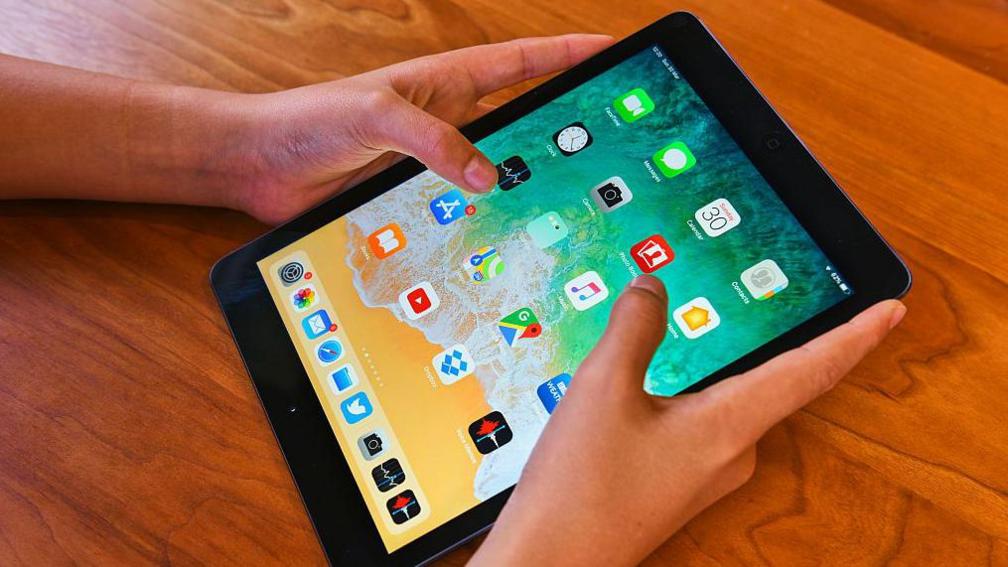
Constantvpn.com – As the global demand for technology components continues to rise, two major players in the electronics industry—Apple and Xbox—have announced price increases for their products. The changes, which affect a range of devices, are attributed to the escalating costs of memory and storage chips, a trend driven by the rapid expansion of AI-driven data centers. Apple, known for its premium pricing strategy, has raised the prices of certain MacBook and iPad models by nearly 20% in a move that underscores the financial pressures facing even the largest tech firms.
Apple’s decision comes as the company contends with a “components crisis” that has pushed the prices of essential parts to unprecedented levels. In a statement, the company acknowledged the challenge, stating that the electronics sector is currently grappling with “an extraordinary surge” in demand for chips. This surge, fueled by the growing need for AI infrastructure, has led to a sharp rise in the cost of key components, forcing Apple to pass on the increased expenses to consumers. The company noted that it had previously managed to shield customers from these hikes, but the situation now requires a more direct approach.
“We have never seen a component price increase this much, this quickly,” Apple said in its announcement, emphasizing the severity of the situation. The firm also mentioned its efforts to mitigate the impact, though it admitted that the current market dynamics make it difficult to avoid.
Shortly after Apple’s announcement, Xbox revealed its own price adjustments for its gaming consoles. The Microsoft-owned company confirmed that the basic Xbox model will now cost $499, a $100 increase from its previous price, while the higher-memory variant will rise to $749, up by $150. These new rates will take effect in August, marking the second price hike for the console within a year. Xbox had already raised prices in October by $20 to $70, resulting in a 30% to 40% increase in the cost of new consoles compared to the same period last year.
Xbox cited the “components crisis” as the primary reason for the price changes, highlighting the impact on console-specific hardware. The company stated that the surge in chip demand has caused memory and storage costs to more than double, with further increases anticipated by 2027. “The effects are particularly hard on consoles,” Xbox noted, explaining how the industry-wide challenges have disproportionately affected its product line.
“The entire consumer electronics industry is struggling with the current components crisis, but the effects are particularly hard on consoles,” Xbox said, underscoring the strain on its operations.
The trend of rising costs has spilled over into other tech sectors, with companies like Valve also feeling the ripple effects. In response to the ongoing inflation, Valve announced a price adjustment for its popular gaming platform, signaling a broader shift in the industry. This development suggests that the impact of the components crisis is not limited to Apple and Xbox but is affecting the entire technology landscape.
Analysts Highlight the Broader Implications
Tech analyst Paolo Pescatore observed that Apple’s price increases reflect the growing influence of the AI boom on consumer electronics. “Apple’s actions demonstrate the extent of the challenges even for the world’s biggest technology companies,” Pescatore remarked, noting that the surge in demand for chips is reshaping market dynamics. He added that the AI-driven data centers are a primary contributor to the scarcity of memory and storage components, creating a bottleneck in the supply chain.
David Naranjo of Counterpoint Research speculated that other PC and tablet manufacturers would likely follow Apple’s lead. “They may raise prices on select products, cut discounts on entry-level models, or shift their product lines toward premium devices,” Naranjo said. This strategy would allow companies to balance rising production costs while maintaining profitability. However, it also risks alienating price-sensitive customers, especially in a market where competition is fierce.
Meanwhile, Dipanjan Chatterjee of Forrester Research suggested that Apple’s loyal customer base would absorb the financial hit with minimal resistance. “If anyone can survive a price increase with minimal blowback, it’s Apple,” Chatterjee noted, pointing to the brand’s strong reputation and ecosystem loyalty. This perspective highlights the nuanced impact of price adjustments, which may vary depending on the product and market segment.
Chipmakers Grapple with Rising Costs
The root of the problem lies in the supply chain, where the world’s largest chipmaker, Taiwan Semiconductor Manufacturing Company (TSMC), has also reported increased costs. Speaking to the BBC in June, Wendell Huang from TSMC highlighted the role of inflation in driving up business expenses. While he did not confirm price hikes for its own products, he suggested that the ongoing spike in costs could lead to further adjustments in the near future.
Apple’s outgoing CEO, Tim Cook, had earlier hinted at the challenges faced by the company. In a June interview with the Wall Street Journal, he stated that price increases were “unavoidable” due to the “unsustainable” state of memory chip markets. “We definitely need memory pricing and supply to return to reasonable levels for consumer products,” Cook emphasized, setting the stage for the company’s recent decisions.
As the prices of memory and storage components continue to climb, the effects are being felt across the technology sector. From laptops to gaming consoles, manufacturers are forced to absorb these costs, ultimately passing them on to consumers. This situation has created a sense of urgency for companies to adapt their pricing strategies, ensuring they remain competitive while navigating the financial strain.
The price adjustments at Apple and Xbox serve as a reminder of the interconnected nature of the tech industry. What began as a surge in demand for AI infrastructure has now cascaded into everyday consumer products, affecting a wide range of devices. As analysts and industry leaders continue to monitor the situation, it remains to be seen how these changes will shape the market in the coming months.