Fragile quiet in Lebanon as US-Iran truce leaves unanswered questions

Fragile Quiet in Lebanon as US-Iran Truce Leaves Unanswered Questions
Constantvpn.com – Monday marked a tentative shift in Lebanon’s war-torn landscape, as displaced families began returning to their southern communities following the announcement of a ceasefire between the US and Iran. Despite assurances from local authorities that the situation was still precarious, residents braved the streets to reclaim their homes, a move symbolizing fragile hope amid ongoing hostilities. The truce, however, has not yet resolved the deeper tensions between Israel and Hezbollah, the Iranian-backed militant group that has dominated the conflict in the region.
A Return with Caution
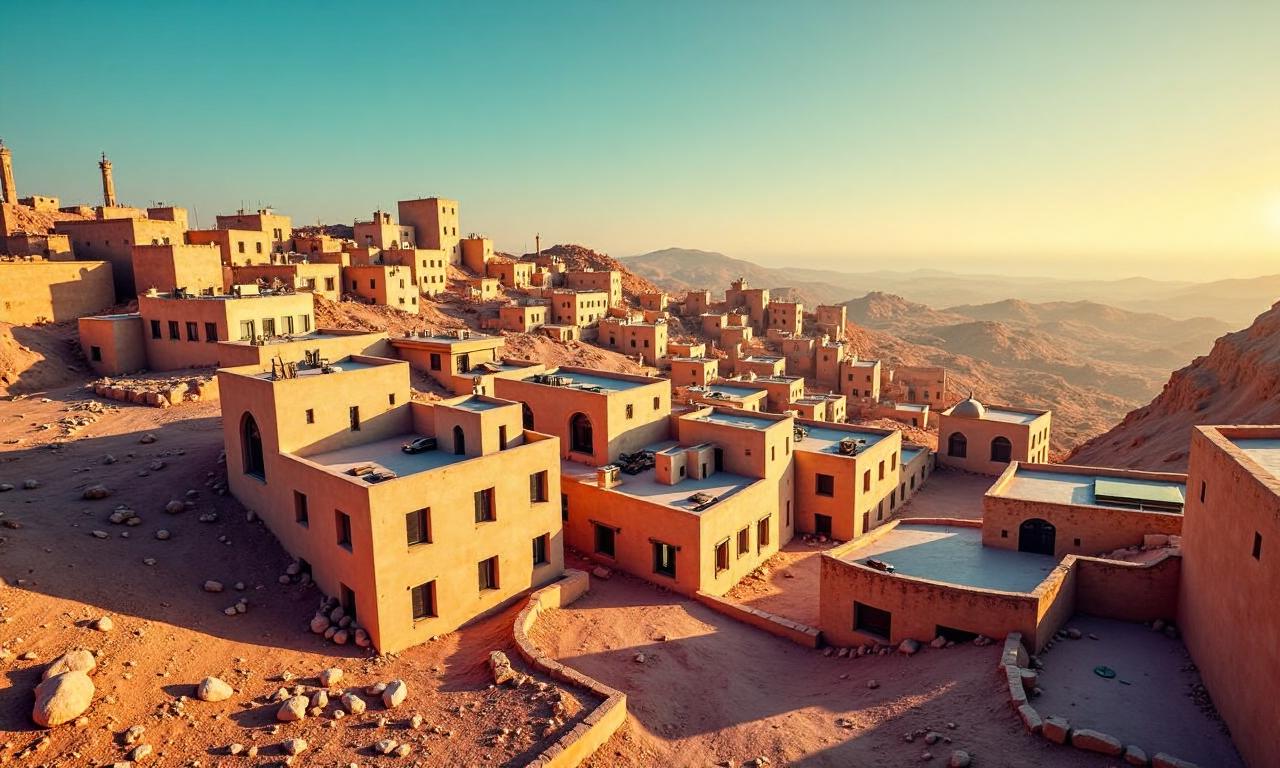
In a video circulating online, some villagers arrived at their homes in a southern village to find Israeli armored vehicles stationed near their neighborhoods. The sight of these vehicles, combined with the lingering destruction of buildings, underscored the cautious nature of this return. For Abo Ali, a man displaced from Jebchit in Nabatieh, the moment was both bittersweet and uncertain. “We have come back, but with caution,” he said, reflecting the community’s mixed emotions. “All of this can be compensated for, and rebuilt,” he added, though the scale of destruction suggested a long road to recovery.
“For someone who’s used to this area and has lived here, to come back and see this destruction is extremely hard,” said Moustafa, another resident returning to Aadshit near Marjayoun. His journey was marked by the simple act of carrying a suitcase, a stark contrast to the chaos that had driven him away.
The ceasefire, while a significant development, has not brought an immediate halt to violence. Over the past day, both Israel and Hezbollah have launched attacks, keeping the region in a state of uneasy calm. Many residents remain skeptical about whether this pause will lead to a lasting peace, with concerns over Israel’s reliability persisting. “Israel can’t be trusted,” Moustafa noted, highlighting the lingering doubts about the truce’s durability.
The US-Iran Accord and Its Implications
The US-Iran agreement, which has not been formally disclosed, includes a ceasefire in Lebanon—an Iranian demand that had previously stalled negotiations. Pakistan, acting as a mediator, emphasized the truce’s significance in fostering stability. However, questions remain about its application in Lebanon, where the conflict between Israel and Hezbollah has left deep scars. The agreement’s success hinges on whether it can address the complex dynamics between the two parties, including the role of Hezbollah in regional politics.
Hezbollah, which has been a key player in Lebanon’s political and social fabric since its creation in the 1980s, remains a formidable force. Despite being weakened in recent battles, the group continues to serve as a political party and a social movement, providing essential services like schools and hospitals. The ceasefire could be pivotal in consolidating Iran’s influence within Lebanon’s Shia Muslim community, but it also raises concerns about Hezbollah’s continued involvement in the conflict.
A Conflict Rooted in Retaliation
The current war between Israel and Hezbollah erupted in March, triggered by a retaliatory rocket attack from Hezbollah into Israel. This followed the killing of Iranian Supreme Leader Ayatollah Ali Khamenei at the beginning of the US-Israel war against Iran. Israel responded with a massive bombing campaign across Lebanon, targeting Hezbollah strongholds and escalating the conflict. The campaign included another incursion into the country’s southern regions, further destabilizing the area.
While Israel framed the conflict as a separate issue from the broader US-Iran standoff, the truce has forced a reassessment. Under US pressure, Israel may be compelled to reduce its military presence in Lebanon, though Defence Minister Israel Katz asserted that the country would remain indefinitely in the territories it has occupied. This stance leaves unresolved the issue of territorial control, with around 5% of Lebanon’s land still under Israeli occupation. There is no indication of a withdrawal, and dozens of villages have been reduced to rubble, raising questions about the timeline for reconstruction and who will bear the cost.
Human Cost and Lingering Uncertainty
The war has left Lebanon in ruins, with over 3,800 casualties, including a disproportionate number of women and children, according to the health ministry. The Israeli military claims it has eliminated more than 2,500 Hezbollah fighters, while Israeli authorities report 30 soldiers and four civilians killed in cross-border clashes. These figures highlight the human toll, with one million people still displaced, most of them Shia Muslims who have endured the conflict’s impact.
Even with the ceasefire, the road to recovery is fraught. Many displaced families, like Abo Ali’s, may not return home soon, as the damage to infrastructure and livelihoods remains extensive. Critics argue that Hezbollah’s actions have prolonged the conflict, with the group prioritizing its ties to Iran over the well-being of Lebanese civilians. They view the truce as an opportunity to weaken Hezbollah’s arsenal, but the group’s resilience suggests this may be a difficult goal to achieve.
The Path Forward
As the ceasefire takes effect, the focus shifts to its long-term viability. The agreement’s success will depend on its ability to address the root causes of the conflict, including Hezbollah’s role in regional geopolitics and the security needs of northern Israel. The establishment of a Hezbollah-free security zone along the border has been a stated objective of Israel, but the truce has not yet clarified whether this vision will materialize. For now, the fragile quiet in Lebanon serves as a temporary reprieve, with the hope of a lasting peace still distant.