New camera guidelines for female athletics coverage

New Standards for Female Athletics Broadcasting
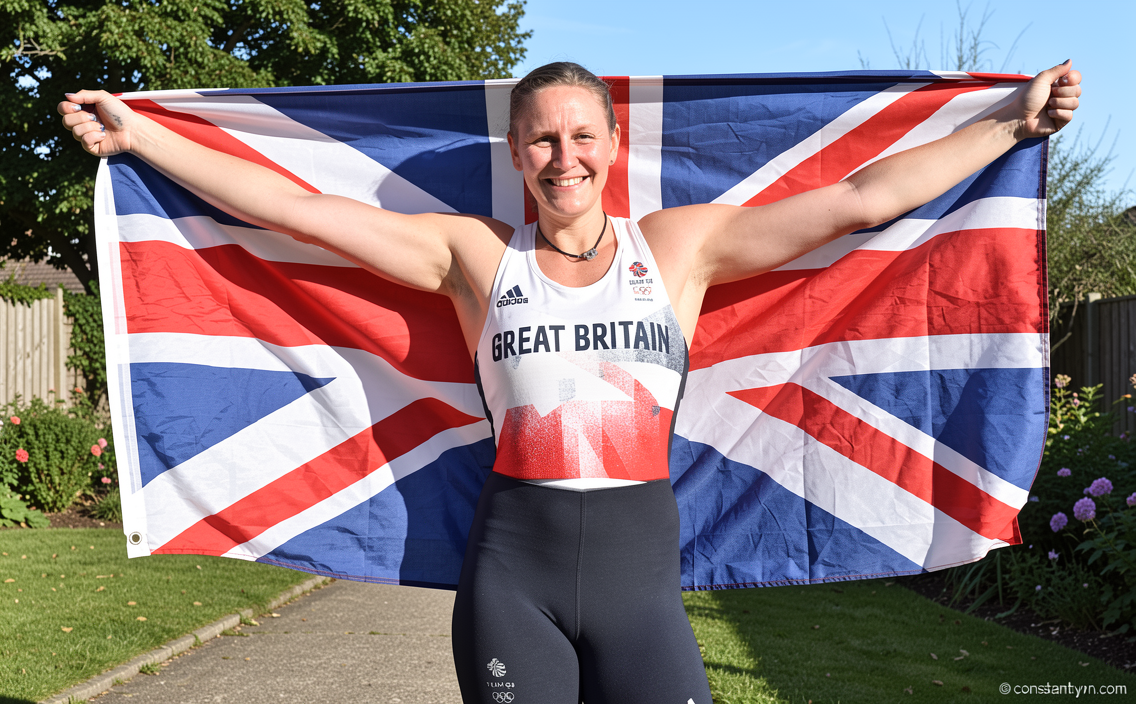
Constantvpn.com – A significant shift in how female athletes are portrayed during live sporting events is underway, driven by feedback from competitors themselves. Holly Bradshaw, a celebrated British Olympic bronze medalist, has publicly highlighted the issue of inappropriate video content circulating online. She attributes this problem directly to revealing camera angles utilized during the live transmission of her athletic competitions. In response to such concerns, comprehensive new guidelines have been issued to advise broadcasters on adopting more respectful and dignified camera perspectives when covering female athletics events.
The European Broadcasting Union (EBU) has taken a proactive role in this initiative by collaborating closely with female athletes to formulate these recommendations. The primary objective of the guidelines is to prevent the unnecessary sexualization of athletic action through the selection of camera angles. Among the prominent figures who provided counsel to the EBU is the British pole vaulter, Holly Bradshaw. She has shared personal anecdotes regarding the negative impact of these visual choices, noting that she has encountered both abuse on social media platforms and inappropriate video clips of herself appearing online.
Addressing Inappropriate Coverage
Bradshaw emphasizes the dual nature of live broadcasting, acknowledging its potential to inspire while also recognizing its capacity to cause harm. She articulated her concerns regarding the visibility of female athletes, stating:
“How our sport is displayed during live broadcast can be incredibly powerful, yet sometimes harmful to the women competing and the women [and] girls watching.”
Her observations extend beyond personal experience to include her peers. Bradshaw revealed that she has personally witnessed colleagues being subjected to similar scrutiny. She explained:
“I first-hand have received social media abuse and witnessed inappropriate videos online of myself and colleagues when slow-motion content of us competing is captured.”
Furthermore, the athlete pointed out a psychological distraction caused by excessive camera focus. She noted that many competitors find themselves concentrating on the lenses rather than their physical execution. Bradshaw remarked:
“Many athletes, myself included have been in competitive scenarios where they are more focused on the cameras instead of their own performance.”
She also criticized the tendency to zoom in excessively, often resulting in replays that highlight awkward or undignified body positions. According to Bradshaw:
“On too many occasions cameras are zoomed in, showing super slow-motion action replays of athletes in undignified positions.”
Guidelines and Recommendations
The concerns raised by Bradshaw are echoed by other international competitors, including Serbian Olympic long jumper Ivana Spanovic. Spanovic, who also contributed advice to the EBU, warned that certain camera techniques do not merely cause temporary discomfort during competitions but can inflict serious long-term damage on an athlete’s mental well-being. Following extensive discussions with these athletes, the EBU compiled a set of practical recommendations, essentially a ‘do’s and don’ts’ list for camera operators.
One of the key directives involves steering clear of low camera angles positioned directly underneath athletes. This is particularly relevant for disciplines like the high jump and pole vault, where such perspectives have a high probability of generating compromising images. Glen Killane, the executive director of EBU Sport, summarized the ongoing challenge:
“The sexualization of women athletes through selective camera angles and editing choices continues to be a significant concern across many sports broadcasts.”
He further detailed the specific issues identified in modern media coverage:
“Lingering shots on bodies, low-angle cameras that capture revealing views, and excessive slow-motion replays that serve no technical or storytelling purpose are among the issues observed in the media coverage of women’s athletics competitions today.”
Implementation and Scope
The reach of these new standards is substantial, given the EBU’s extensive network. The BBC serves as a key partner within the EBU organization, which distributes coverage of various sporting