US top court says Rastafarian man cannot sue prison guards who cut his dreadlocks

US Supreme Court Rules Rastafarian Man Cannot Sue Prison Guards for Shaving His Dreadlocks
Constantvpn.com – The US Supreme Court has delivered a landmark decision in a case that highlights the tension between religious freedom and institutional policies in correctional facilities. The ruling centers on Damon Landor, a former Louisiana inmate who claimed that prison guards violated his Rastafarian faith by forcibly shaving his dreadlocks. The court’s 6-3 decision concluded that Landor was not eligible for monetary damages under the Religious Land Use and Institutionalized Persons Act (RLUIPA), as the law does not extend liability to individual officials when applied to state-run prisons.
The Symbolism of Dreadlocks
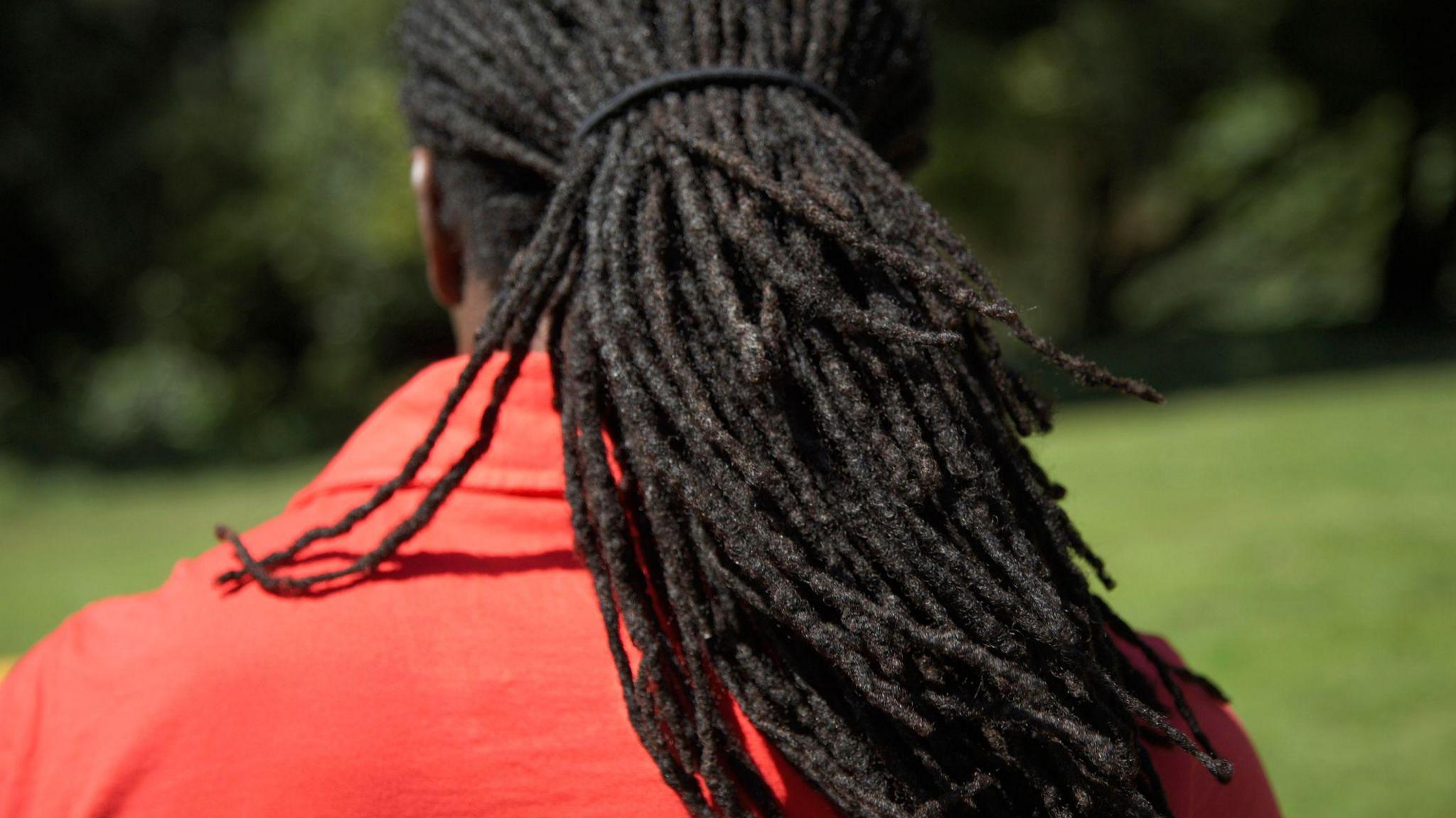
Dreadlocks, which are often grown without trimming or combing, hold profound significance for Rastafarians. They are not merely a hairstyle but a spiritual practice that embodies devotion to the teachings of the Rastafarian faith. For Landor, this tradition was central to his identity, as he explained in a statement to USA Today: “My dreadlocks are a part of me and part of who I am.” The court records reveal that the guards’ actions were perceived as an attack on his religious beliefs, cutting off what he described as his “crown.”
The Legal Context
RLUIPA, enacted in 2000, was designed to protect the religious rights of individuals in institutions such as prisons, schools, and hospitals. However, the Supreme Court’s recent ruling clarified that the law does not automatically grant prisoners the right to sue individual staff members for damages. The court emphasized that while state institutions agree to comply with federal regulations in exchange for funding, this agreement does not impose personal liability on employees when they act in their official roles.
Landor’s case began in 2020 when he was incarcerated for a drug-related offense. During his time at the Raymond Laborde Correctional Center, guards cut his dreadlocks without consent, despite his attempts to assert his religious rights. Earlier, he had been allowed to keep his hair uncut for the first four months of his sentence, but the move to the correctional center triggered the shaving. Landor had even presented a court ruling from a lower appellate court, which had previously stated that cutting a Rastafarian’s hair in prison violated RLUIPA. Yet, the prison guards dismissed his arguments, discarding the documents before proceeding with the haircut.
The Dissenting View
In her dissent, Justice Ketanji Brown Jackson argued that the majority’s interpretation of RLUIPA undermined its core purpose: to ensure that state prisons respect prisoners’ right to religious exercise. She contended that the law was intended to shield individuals like Landor from violations of their faith, even when those violations were blatant. “Prisoners like Landor who suffer violations of their religious freedom in state prisons—no matter how blatant—will often be left remediless,” she wrote. This contrasted sharply with the court’s earlier stance on religious liberty, where justices had generally supported claims against government officials.
Justice Neil Gorsuch, writing for the majority, explained that RLUIPA’s scope is limited to institutional policies, not individual actions. He noted that the law’s authority under the Spending Clause allows Congress to set standards for state institutions but does not extend to holding individual employees personally accountable. “Congress lacks regulatory authority to impose liability on them directly and must depend instead on consent,” Gorsuch stated. This reasoning has sparked debate about whether the decision weakens protections for religious minorities in the prison system.
A Historical Precedent
The case also drew attention to a 2020 Supreme Court ruling that had previously supported similar religious liberty claims. In that decision, the court upheld the Religious Freedom Restoration Act (RFRA) of 1993, allowing Muslim men on the government’s no-fly list to sue federal agents for financially holding them accountable. That ruling had been a victory for religious rights, but the current case suggests a shift in how the court views the applicability of such laws.
Landor’s case, however, is unique in that it involves state officials rather than federal ones. Louisiana argued that RLUIPA was meant to apply to institutions, not to individual employees. This distinction is crucial, as it determines whether a prisoner can seek compensation for religious injuries caused by specific staff members. The state emphasized that while it accepts federal funding, the agreement does not create a personal obligation for guards to be sued individually.
The Broader Implications
Legal analysts have pointed out that this ruling could have far-reaching effects for prisoners who rely on RLUIPA to defend their religious practices. The decision reinforces the idea that institutional policies, rather than individual actions, are the primary targets of the law. This could leave many Rastafarians and other religious minorities without recourse when their practices are infringed upon by specific prison staff.
Despite the ruling, Landor’s case remains a poignant example of how personal identity and faith can intersect with institutional rules. His story resonates with the cultural significance of dreadlocks, which have been celebrated not only in Rastafarian communities but also in global pop culture. As Justice Jackson noted, the practice of growing dreadlocks is deeply tied to spiritual growth, and its disruption can feel like a loss of self.
A Legacy of Faith
The Rastafarian tradition, which has inspired figures like Bob Marley, emphasizes the connection between hair and spirituality. This cultural legacy adds a layer of significance to Landor’s case, as it underscores the role of appearance in expressing religious beliefs. The Supreme Court’s decision, while legally sound, raises questions about whether the prison system is adequately honoring the symbolic weight of such practices.
As the ruling stands, Landor must accept that his personal grievances against the guards who cut his hair cannot be resolved through monetary compensation. This outcome reflects the court’s prioritization of institutional compliance over individual accountability, a principle that may shape future legal battles involving religious freedom in correctional facilities. While the decision may seem harsh to some, it aligns with the court’s broader interpretation of RLUIPA’s intent and scope.
The Religion That Shaped Bob Marley’s Hair
Rastafarianism, the faith that has become synonymous with the iconic hairstyle of Bob Marley, is a rich and multifaceted tradition rooted in African heritage and Christian theology. Its followers, known as Rastafarians, often view their dreadlocks as a physical manifestation of their spiritual commitment to God, the Earth, and personal expression. The Supreme Court’s ruling in Landor’s case has reignited discussions about how deeply this faith is intertwined with daily life, even in the confines of a prison.
The case also highlights the challenges faced by religious minorities in advocating for their rights within institutional settings. While RLUIPA provides a framework for addressing such issues, its application to individual officials remains contentious. The decision may serve as a reminder that the balance between religious freedom and institutional authority is an ongoing negotiation, one that requires careful interpretation of legal language and intent.
Ultimately, Landor’s story is a testament to the personal stakes involved in religious liberty disputes. His experience, though legally dismissed, underscores the cultural and spiritual importance of maintaining one’s hair as a Rastafarian. As the legal system continues to grapple with the nuances of religious freedom, cases like this will remain pivotal in shaping how faith is protected—or compromised—within the prison walls.