British pubs closing at a rate of almost two per day in 2026
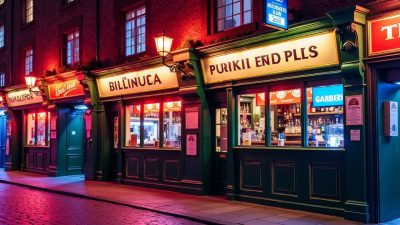
British Pubs Closing at a Rate of Almost Two Per Day in 2026
Constantvpn.com – Recent data from the British Beer and Pub Association (BBPA) reveals that the UK’s pub sector is experiencing a steep decline, with closures occurring at a pace of nearly two establishments daily during the first quarter of 2026. Across England, Scotland, and Wales, 161 pubs shut their doors in the opening three months of the year, resulting in the loss of approximately 2,400 jobs. This alarming trend underscores the ongoing challenges facing the industry, which has been grappling with financial strain for several years.
Government Intervenes with Tax Relief Measures
Earlier in 2026, the UK government unveiled support initiatives for the hospitality sector following concerns raised by the BBPA. Industry representatives had warned that impending tax reforms could exacerbate the crisis, prompting the government to introduce targeted measures. One such action was the 15% tax relief for pubs and music venues, which took effect last month. This temporary relief aims to alleviate some of the immediate pressures on businesses.
Despite these efforts, the BBPA argues that the current closure figures demonstrate the urgent need for sustainable reforms. The association emphasizes that while pubs remain profitable, their financial viability is threatened by an excessive tax burden and soaring operational costs. “The scale of these closures is avoidable because pubs are doing a brisk trade,” stated Emma McClarkin, chief executive of the BBPA, in a recent statement. “However, their profits are being eroded by a disproportionate tax burden and huge costs.”
“We want to work with the government to establish a permanent long-term plan that will deliver permanently lower bills, a fairer system and ultimately protect this treasured sector.”
The BBPA is calling for a broader overhaul of the hospitality sector’s tax framework, suggesting that long-term adjustments are necessary to stabilize the industry. This push for change comes after a significant number of closures in 2025, with 336 pubs reporting shutdowns in that year alone. The association’s position highlights the growing disparity between the sector’s performance and its financial obligations.
Regional Disparities in Pub Closures
While the national picture is concerning, regional variations in the impact of closures are notable. According to the latest figures, Wales stands out as the sole region to report an increase in the number of pubs compared to the previous year. In contrast, Scotland has faced the most severe losses, with 41 closures recorded between January and March 2026. This divergence raises questions about the underlying factors affecting different parts of the UK.
Analysts attribute the industry’s struggles to a combination of rising labor expenses, steep business rates, and evolving consumer preferences. The cost of hiring and retaining staff has surged, particularly in light of inflationary pressures and the ongoing labor market challenges. Meanwhile, business rates—a key financial burden on pubs—have climbed, further squeezing profit margins. Additionally, shifting habits among consumers, such as a preference for takeaway meals or online ordering, have contributed to the decline in foot traffic at traditional pubs.
Emma McClarkin’s comments reflect the sector’s broader frustration with the current economic landscape. She noted that pubs continue to attract customers, yet their ability to generate revenue is being undermined by relentless taxation. “We are seeing a thriving trade, but the financial strain on pubs is unsustainable,” she explained. “Without meaningful adjustments, this sector will continue to wither.”
Government’s Commitment to Revitalizing Pubs
In response to the crisis, the government has outlined a series of measures aimed at supporting pubs and other hospitality venues. These include a 15% reduction in business rates for April, which will be followed by a two-year freeze. The move is part of a larger strategy to ease the financial burden on small businesses. Additionally, the government plans to extend World Cup opening hours to boost footfall, while increasing the Hospitality Support Fund to £10 million to aid venue growth.
The spokesperson for the government highlighted the comprehensive nature of these interventions, stating: “This comes on top of capping corporation tax, cutting alcohol duty on draught pints and six cuts in interest rates, benefiting businesses in every part of Britain.” The Pride in Palace programme, which allocates grants for locally-led solutions in 280 neighborhoods across England, is also being expanded as part of the plan to revitalize high streets and support community hubs.
While the government’s actions provide immediate relief, the BBPA remains critical of the measures, arguing that they are not sufficient to address the sector’s long-term challenges. The association advocates for a permanent reduction in taxes, citing the need for a more equitable system that reflects the pubs’ resilience and contribution to local economies. “Pubs are more than just drinking establishments—they are vital to the social fabric of communities,” McClarkin added. “Their survival is essential for preserving cultural heritage and employment opportunities.”
Future Outlook for the Hospitality Sector
Industry experts caution that without structural changes, the current trajectory could continue. The 15% tax relief and business rates freeze are seen as short-term fixes, with the real solution requiring a fundamental reevaluation of the tax policies affecting pubs. The BBPA’s call for a long-term plan aligns with broader discussions about the role of the hospitality sector in the UK economy and the need for policies that balance fiscal responsibility with support for small businesses.
As the closures accelerate, the government faces mounting pressure to act decisively. The continued loss of pubs not only impacts the workforce but also weakens the social and cultural spaces that have long been central to British life. With the government’s support programme in place, there is hope that the sector can stabilize, but the urgency of the situation demands more than temporary measures. The coming months will be crucial in determining whether the current interventions are enough to halt the decline or if further action is required to secure the future of Britain’s pubs.
Overall, the industry’s plight highlights the delicate balance between taxation, operational costs, and the ability of pubs to remain profitable. As the BBPA and other stakeholders continue to push for reform, the government’s response will be pivotal in shaping the sector’s recovery. Whether the measures introduced in 2026 can reverse the trend remains to be seen, but the stakes are high for a industry that has been a cornerstone of UK culture for centuries.
