Irish government to contribute £197m to cross-border rail services

Irish Government Allocates £197m to Strengthen Cross-Border Rail Services
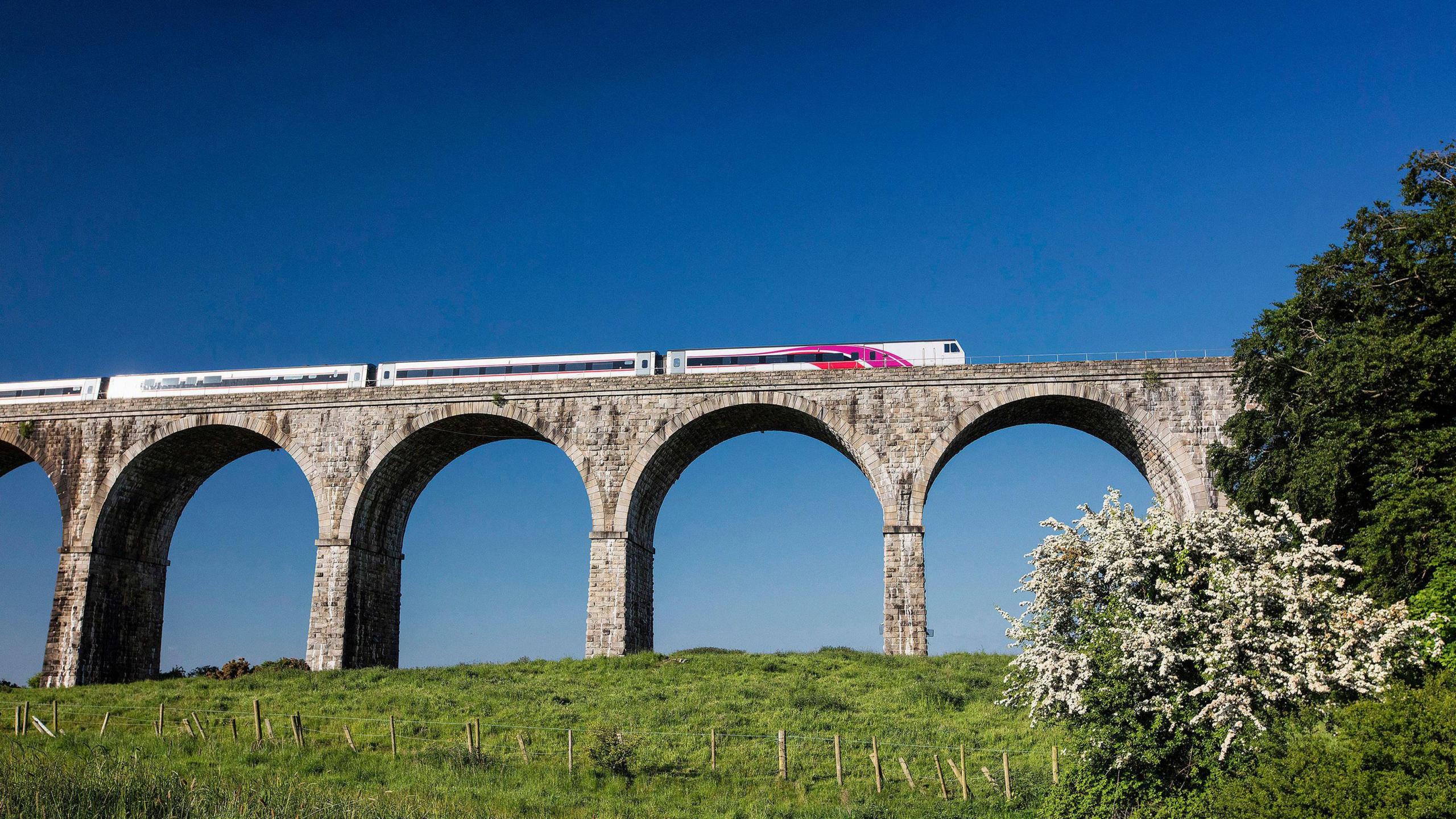
Constantvpn.com – The Irish government has announced a substantial financial commitment of €228 million (£197 million) to upgrade rail connections between Northern Ireland and the Republic of Ireland. This investment aims to enhance transportation networks that span the border, benefiting residents in both regions. A portion of the funding—€193 million (£166 million)—will target infrastructure improvements for the Londonderry-Belfast-Dublin route, while an additional €35 million (£30 million) will support the continuation of hourly train services from Dublin to Belfast. These services are expected to operate until at least 2030, ensuring reliable connectivity between the two cities.
Rail Infrastructure and Connectivity Plans
As part of the Shared Island Fund, the money will be drawn from the final allocation of this cross-border funding initiative. The fund, which has seen over €1 billion (£862 million) in total commitments, is designed to finance projects that serve both the Republic of Ireland and Northern Ireland. Cabinet ministers in Dublin emphasized the importance of collaborative efforts to streamline travel times and improve accessibility. Specifically, the plan includes coordinating a 15-20 minute transfer between the Dublin-Belfast and Belfast-Derry lines, creating a more seamless journey across the three cities.
The initiative also includes a broader vision for infrastructure development. Over 2027-2030, the government has approved further €377 million (£325 million) from the Shared Island Fund to fund 12 new projects, including rail improvements. This marks a continued dedication to building a more integrated transportation system that bridges the island’s regions. The enhancements are expected to reduce travel times for some Belfast-Dublin services to under two hours, significantly improving efficiency for commuters and travelers.
Cricket Facilities and Cultural Projects
Alongside rail upgrades, the government has allocated £3 million to revitalize cricket facilities at the Stormont estate in Belfast. This contribution is part of preparations for Northern Ireland to co-host the Men’s T20 Cricket World Cup in 2030 alongside Ireland and the UK. The redevelopment aims to position Stormont as a key venue for international matches, leveraging the region’s potential in hosting major sporting events. Additional support comes from Cricket Ireland and the Northern Ireland Civil Service Sports Association, which are each contributing £1 million (€1.15 million) to expand the sports grounds.
The Shared Island Fund also supports tourism and cultural initiatives. A €50 million (£43 million) allocation has been directed to projects such as Derry flights and Newry theatre developments, highlighting the government’s focus on diversifying economic opportunities beyond traditional sectors. These investments are intended to attract visitors and promote cultural exchange, further strengthening ties between the two regions.
Environmental and Maritime Investments
Environmental concerns have also received attention through the Shared Island Fund. A €40 million (£34 million) contribution will aid a port development scheme, enabling increased capacity at maritime facilities across the island. This is part of a broader effort to modernize transport and logistics infrastructure, supporting both commercial and passenger needs.
Another significant allocation is €30 million (£26 million) for the third phase of the Ulster Canal restoration. This phase, spanning from Clonfad to Castle Saunderson, will create 10 kilometers (6.2 miles) of new and renovated navigable canal, linking Clones to the Erne System and the Shannon-Erne waterway. A new 9-kilometer (5.5 miles) section of the Ulster Canal Greenway will also be developed, offering recreational opportunities and enhancing the region’s ecological value.
The fund’s support extends to addressing environmental challenges in Lough Neagh, the UK’s largest freshwater lake. A €33 million (£28 million) grant will finance the Lough Neagh Catchment Area Water Quality (LNWQ) programme, targeting the reduction of blue-green algae blooms that have affected the lake in recent years. Agriculture, Environment and Rural Affairs Minister Andrew Muir described the state of Lough Neagh as “one of the most distressing and visible environmental crises” in Northern Ireland. He highlighted the importance of the funding in safeguarding the lake’s future and tackling ecological issues.
“This funding represents a joint commitment to our island’s largest freshwater lake and a substantial investment in its future,” said Andrew Muir, underscoring the collaborative approach to environmental stewardship. The programme will combine physical interventions with resources for knowledge-sharing and interregional cooperation, ensuring sustainable improvements in water quality across the catchment area.
Education and Social Development
Education initiatives have also been bolstered by the Shared Island Fund. An additional €13.5 million (£12 million) will be used to create 1,000 new training places for early years educators. Of these, 40% are reserved for participants from Northern Ireland, reflecting a focus on equitable development. The programme will deliver tailored resources to support childcare services, including registered childminders, across over 10,500 facilities. This aims to improve early learning outcomes for children with additional needs, fostering inclusive growth.
Taoiseach Micheál Martin described the government’s investment as a “major contribution to our shared future on the island of Ireland,” emphasizing the €377 million (£325 million) commitment for the 12 new programmes. He noted that this brings total allocations from the fund to over €1 billion (£862 million), creating a more connected and sustainable island. The focus on early years education underscores the government’s intent to invest in long-term social and economic foundations.
Broader Implications and Future Goals
The Shared Island Fund’s multifaceted approach highlights the Irish government’s commitment to fostering collaboration and development across the border. From rail upgrades to environmental conservation, these projects aim to create a more cohesive and prosperous island. The investment in the T20 Cricket World Cup, for instance, aligns with broader efforts to position Northern Ireland as a hub for international events, leveraging its natural and cultural assets.
While the rail projects and environmental programmes are central to the fund’s objectives, the allocation of resources to diverse sectors reflects a comprehensive strategy. By addressing transportation, education, and ecological challenges simultaneously, the initiative seeks to build resilience and opportunity for all communities. The continued support for cross-border initiatives also reinforces the importance of shared goals in post-Brexit Europe, where cooperation remains vital for economic and social progress.
With the 2022 T20 World Cup recording 3.95 billion hours of global viewership, the upcoming 2030 event is expected to set a new benchmark for sporting engagement on the island. The government’s investment in infrastructure and facilities is a key step toward achieving this vision, ensuring that the region is well-prepared to host high-profile international competitions. As the Shared Island Fund progresses, its impact on connectivity, sustainability, and community development will be closely monitored, shaping the future of life on the island of Ireland.