Ukraine strikes cargo ships and admits Romania drone blast

Ukraine Strikes Cargo Ships and Admits Romania Drone Blast
Targeted Attacks in Strategic Waters
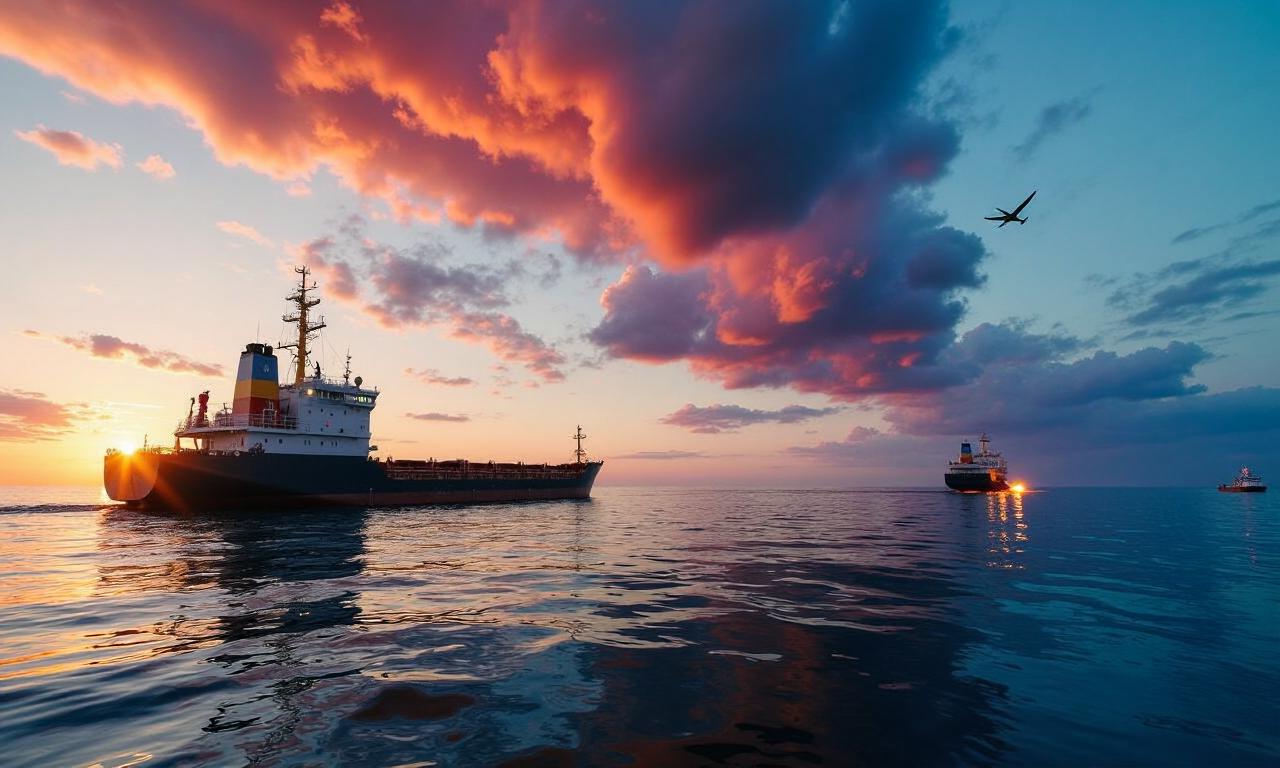
Constantvpn.com – Ukraine has reportedly targeted five vessels carrying illicit cargo in the Sea of Azov and nearby Russian-controlled coastal zones, according to recent military reports. The strike, executed by Ukrainian drone forces, was aimed at vessels suspected of facilitating the smuggling of Ukrainian grain, as well as transporting military supplies and fuel. These operations follow a significant diplomatic development: Ukrainian President Volodymyr Zelensky proposed direct negotiations with Russian leader Vladimir Putin to conclude the war, an offer that was dismissed by Putin during his attendance at an economic forum in St. Petersburg.
The timing of the attacks underscores the ongoing tensions between the two nations. Despite the offer for peace talks, Putin has maintained his stance, emphasizing the need for compromises that would see Ukraine relinquish control over four regions—Donetsk, Luhansk, Kherson, and Zaporizhzhia—while abandoning its ambitions to join NATO. Zelensky, in his open letter to Putin, highlighted the mounting pressure on Russia, noting that the war’s fourth year has led to fuel shortages, economic strain, and public fatigue with the relentless drone and missile assaults.
Drone Incident in Romanian Waters
On Friday, Ukraine confirmed a drone explosion occurred off the coast of Romania’s Black Sea port, Constanta. The incident, which involved a naval drone, reportedly caused damage to a ship and nearby warehouses, though no casualties were reported. Romanian officials stated the drone had self-detonated near an oil terminal, but they pointed to the strategic location of the blast as evidence of a broader pattern. Adrian Teodor Picoiu, the top official in Constanta, cited Ukrainian sources indicating the drone was part of a group of five, with a second explosion occurring within Ukrainian territory.
“Information from the Ukrainian side suggests the drone was part of a coordinated group, with another detonation taking place in Ukraine,” said Picoiu in a statement to G4Media.
The Romanian government confirmed the incident as a “significant security event,” aligning it with a previous event—a stray mine discovered on a beach near Vama Veche, over 50 kilometers north of Constanta. This marks the second such incident in the region this week. Meanwhile, Moscow has not yet issued a formal response, leaving the responsibility of accounting for the drones to Ukrainian authorities.
Ukraine’s military operations in Romanian waters have raised questions about the scope of its attacks. Local officials reported that at least 13 individuals were killed and more than 70 injured in the past 24 hours, with some casualties attributed to Russian drones striking a dairy factory near Kyiv and a petrol station in Kherson. These incidents highlight the far-reaching impact of the conflict, extending beyond Ukraine’s borders.
Azerbaijan’s Casualties and Conflicting Claims
Azerbaijan’s foreign ministry announced that five of its citizens were killed in attacks on two vessels in the Sea of Azov, though they clarified the ships were not Azerbaijani-owned. The ministry did not specify the perpetrators, leaving room for debate over the involvement of Ukrainian forces. This revelation adds another layer to the complexity of the conflict, as it suggests the attacks may have affected neutral or allied parties.
Ukraine’s drone commander, Robert Brovdi, detailed the strikes, identifying the targeted ships as “illegally loitering” in the area. He noted that their radars were disabled and markings obscured, likely to avoid detection while transferring goods. The vessels included cargo ships and tankers, which were believed to be part of a supply chain supporting Russian military operations. Brovdi also mentioned that the attacks occurred in the ports of Mariupol and Berdyansk, as well as in coastal waters of the “temporarily occupied territories.”
Escalating Tensions and Strategic Implications
The drone incidents in Romania and the Sea of Azov have intensified scrutiny of Ukraine’s operations. While the confirmed blast in Constanta caused damage, the absence of casualties has eased immediate concerns. However, the event has sparked discussions about the potential for expanded attacks into neighboring countries. Zelensky’s call for a full ceasefire during proposed negotiations contrasts with Putin’s rejection of such terms, underscoring the deepening divide between the leaders.
Local officials in Ukraine reported casualties linked to Russian drones, including four deaths in a strike on a dairy factory in Kyiv and a woman injured in Kherson. These events reflect the ongoing military campaign to disrupt Russia’s war efforts by targeting its logistics. The strikes on the Sea of Azov vessels aim to cut off the flow of resources, potentially weakening the Russian front lines. This strategy aligns with Ukraine’s broader goal of depleting Russia’s ability to sustain its operations.
Global Reactions and Unanswered Questions
As the conflict continues to evolve, international reactions remain mixed. Romania’s defense ministry acknowledged the drone incident but emphasized the lack of casualties, while noting the substantial damage to infrastructure. The presence of Ukrainian drones in Romanian waters has prompted speculation about the intent behind the strikes, with no clear explanation offered for their location.
Putin’s recent visit to St. Petersburg, where he rejected Zelensky’s peace proposal, highlights his determination to maintain the war’s momentum. The Russian leader has consistently argued that Ukraine must cede control of occupied territories and abandon its NATO aspirations for a lasting resolution. Meanwhile, Zelensky’s insistence on direct engagement suggests a shift in his approach, as he seeks to capitalize on the shifting dynamics of the conflict.
The confirmed drone blast in Romania, though isolated, serves as a reminder of the war’s geographic reach. With three other drones unaccounted for, authorities have downplayed the immediate risk, but the event has reignited debates about the security of the Black Sea region. As both nations continue their operations, the question of accountability and the potential for further escalation remain pressing.