Strait of Hormuz remains a fault line as Iran and US drift back into war

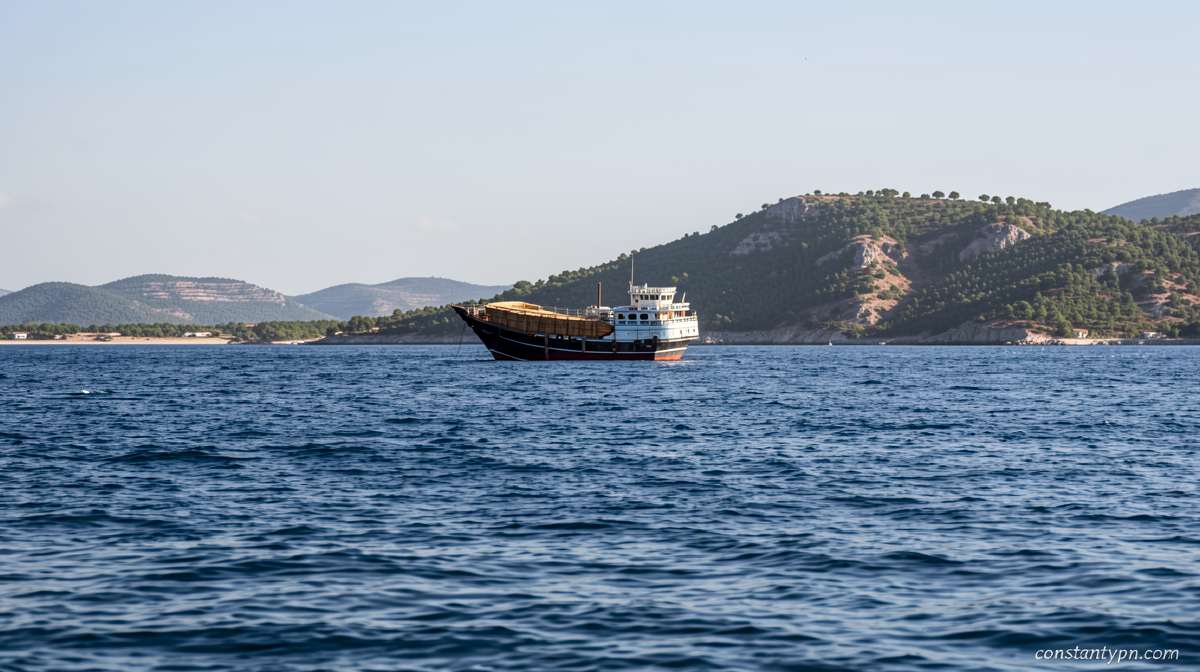
Strait of Hormuz: The Critical Flashpoint Between Iran and America
Constantvpn.com – The delicate equilibrium that has characterized US-Iran relations since their preliminary agreement last month appears to be fracturing once more. What began as a tentative “no war, no peace” arrangement has now shifted toward renewed hostilities. Despite this deterioration, there remains hope that the cyclical truce could stabilize through the intervention of increasingly frustrated mediators from Arab nations and Pakistan. Both Washington and Tehran demonstrate a clear preference for avoiding another prolonged, comprehensive conflict.
The Maritime Corridor at the Center of Tensions
At the heart of this escalating crisis lies the strategic importance of the Strait of Hormuz. Iran has unmistakably communicated that its authority over this essential maritime passage represents an uncompromising boundary—one that neither military force, economic sanctions, nor diplomatic maneuvering can easily overcome.
“We told you: keep your word or pay the price,”
This stern warning, delivered by Iran’s chief negotiator Mohammad Bagher Ghalibaf on social media, directly references the terms of their recent agreement. The statement underscores Tehran’s growing impatience with what it perceives as American noncompliance.
Conflicting Interpretations of the June Agreement
Tehran has found validation for its position within the somewhat ambiguous provisions of the memorandum of understanding, hastily prepared during June. From the outset, the two parties have understood this document differently.
Iran interprets point five of the fourteen-point framework as authorization for greater influence over the management of this crucial waterway. The specific language states: “The Islamic Republic of Iran will make arrangements using its best efforts for the safe passage of commercial vessels.”
Conversely, Washington views this same provision as requiring Tehran to ensure unrestricted movement of global oil and gas shipments, alongside other essential commodities such as fertilizer components. An Arab oil executive operating in the region captured this divergence succinctly: “You can drive a truck through those clauses.”
Internal Divisions and External Pressures
While Iran’s newly established leadership—emerging from weeks of intense conflict and successive US-Israeli targeted killings—appears united on fundamental strategic objectives, emerging fractures are becoming increasingly visible regarding implementation strategies.
“Some want to cash in on battlefield gains through diplomacy and some believe the ceasefire came too soon before Iran had inflicted enough pain on the US,”
Robert Malley of the International Crisis Group, who participated in negotiating the landmark 2015 nuclear agreement that President Donald Trump subsequently withdrew from during his first term, provided this assessment.
Recent Iranian military actions against three ships, including a Qatari-registered liquefied natural gas carrier navigating waters near Oman’s southern coast, were characterized by regional diplomatic sources as operations conducted by an independent IRGC contingent. Within Iran’s current power structure, where the Revolutionary Guard maintains predominant influence, the non-negotiable requirement remains that all maritime traffic must adhere to officially designated corridors.
Legislative Moves and Regional Reactions
Amidst this escalating confrontation, Iran’s parliament recently passed legislation titled the “Strategic Action for the Security and Sustainable Progress of the Strait of Hormuz and the Persian Gulf.” Ebrahim Azizi, who leads the assembly’s national security commission, announced the development on X, noting that in April he had characterized waterway control as Iran’s “inalienable right.”
When questioned about potential concessions regarding this authority, Azizi’s response was unequivocal: “never.” He further described the strait as an “asset to face the enemy.”
Iran’s profound skepticism toward American commitments—intensified by recurring conflicts and threats throughout negotiations—has solidified its determination. Control over the strait functions not merely as a negotiating tool but also as fresh leverage, an innovative deterrent mechanism, and potentially an economic safety net should sanctions persist indefinitely and Iranian assets abroad remain frozen.
However, Tehran’s ambition to reshape regional dynamics has generated friction with neighboring states, particularly Qatar and Oman, both of whom have served as mediators in this crisis. The United Arab Emirates has explicitly stated that Iran’s proposed controlling role, which includes implementing various “service fees,” represents an unacceptable precedent.
According to a source familiar with diplomatic exchanges, Oman has formally objected to Iran’s inclusion of a specific provision within the contested fifth point—namely, that Iran “will conduct dialogue with the Sultanate of Oman to define the future administration and maritime services.” Muscat now finds itself positioned between competing demands from Washington and Tehran, attempting to maintain its traditional role as a bridge between the conflicting parties.