Missing Glastonbury? There’s a festival on your doorstep this weekend

Missing Glastonbury? There’s a festival on your doorstep this weekend
Constantvpn.com – With the Glastonbury Festival taking a year off, music lovers across the UK are turning to smaller, community-driven events to satisfy their thirst for live performances. Enter Everywhere At Once, a grassroots festival that brings together thousands of acts, from established names to emerging talents, across local venues nationwide. While the absence of Glastonbury may seem like a setback, this alternative event offers a unique opportunity to experience music in intimate settings, far from the sprawling fields of Worthy Farm. This weekend, the festival is set to highlight the resilience and creativity of independent music spaces, proving that quality performances can thrive even in smaller formats.
Festival Lineup and Venues
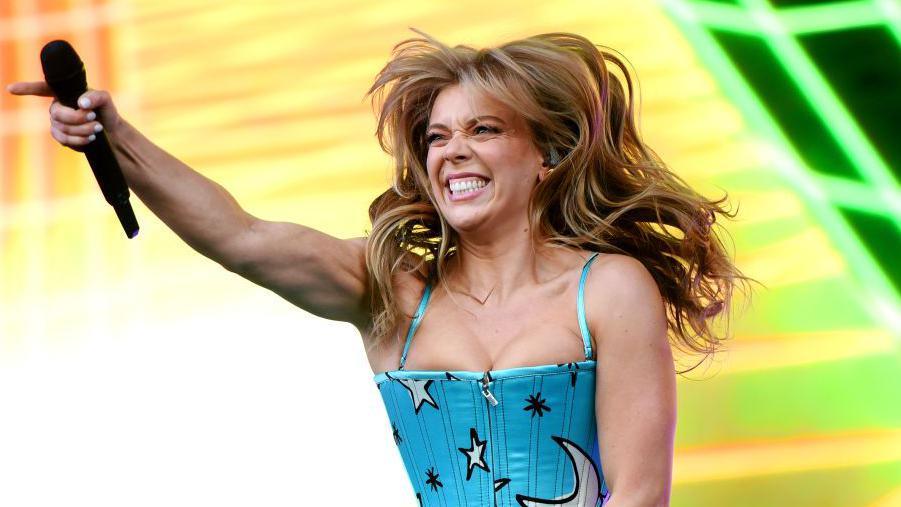
One of the festival’s standout acts is pop sensation Becky Hill, who will perform at the 250-capacity Marrs Bar in her hometown of Worcester. The venue, a beloved local spot, will host Hill as part of a wider lineup that includes Rizzle Kicks, Inspiral Carpets, Divine Comedy, and The Lathums. These artists, spanning genres and generations, are chosen to celebrate the vibrant network of small venues that have long been the backbone of the UK’s music scene. From Brighton’s The Pipeline, which seats just 60 people, to Nottingham’s Brickworks warehouse, the festival is a testament to the diversity of spaces where music continues to flourish.
Organized by the Music Venue Trust, Everywhere At Once aims to spotlight the challenges faced by these venues. The trust highlights that 37% of UK clubs have closed since the pandemic, leaving many operating on a fragile financial edge. Despite this, the festival has managed to secure over 2,000 performers, ensuring a dynamic mix of genres and styles. For fans craving a live experience, the event offers a chance to connect with artists in a more personal way, rather than from a distance in a vast festival field.
The Crisis in Small Venues
As the festival unfolds, it underscores a growing concern for the survival of small music venues. Tinie Tempah, a key participant, acknowledges the critical role these spaces play in an artist’s development. “We’re losing three nightclubs a month,” she says, reflecting on the impact of closures. “Since the pandemic, people are going out less, drinking less. Lifestyles definitely changed.” Yet, she emphasizes, these venues are where music scenes are born. “Whether it’s the Bristol clubs that nurtured trip-hop or the London underground where grime emerged, if we lose those spaces, I just worry what happens.”
“These venues are where you get booed the first time, and where you get cheered for the first time. It’s where you get humbled, thinking you’ve sold out a show, and there’s only 20 people there. It’s also where you build your most loyal fan base, to be honest.” – Tinie Tempah
Glenn Tilbrook of Squeeze echoes this sentiment, recalling his early days in the 1970s London music scene. “I owe my career to those tiny but ‘raucous’ gigs I played with Jools Holland,” he says. “It was really where we cut our teeth and learned how to be with an audience that loved you—or one that wasn’t interested in you at all and just wanted entertainment.” Tilbrook will perform at the floating arts centre Theatreship in London’s Canary Wharf, part of a series of over 50 concerts within the M25 region. His participation highlights the festival’s broader mission to support venues across the country.
Other artists, like Harry Styles, are also lending their voices to the cause. Although the pop star is busy with his 12-night residency at Wembley Stadium, he has pledged to donate £1 from every ticket sold to the Music Venue Trust. This contribution will raise over £900,000, providing much-needed funds for struggling small venues. “It’s a terrible shame that venues are struggling to stay open,” Tilbrook adds, underscoring the collective effort to keep the UK’s music scene alive.
Challenges and Resilience
London, in particular, is facing significant hurdles for its venues. Rising operational costs, stringent noise regulations, and early curfews have created a perfect storm that threatens the city’s nightlife. Sacha Lord, founder of the Warehouse Project and former Manchester nightlife adviser, has criticized local authorities for their focus on restrictions. “Some seem obsessed with limiting hours, outdoor seating, and the freedom people have to enjoy live music,” she told The Guardian. “This is hitting the heart of the city’s nightlife hard.”
Yet, despite these challenges, the festival’s organizers remain optimistic. The Music Venue Trust believes that events like Everywhere At Once can help revitalize local music spaces by drawing attention to their importance. “These venues are not just places for performances—they’re cultural hubs that foster creativity and community,” said a spokesperson. “By supporting them, we’re ensuring the next generation of artists has the platforms they need to grow.”
A Focus on Grassroots Connection
For many artists, the festival represents a return to the roots of their careers. Wolf Alice, who previously made a similar contribution during their latest tour, highlighted the significance of small venues in their journey. “They were a huge, formative part of our growth,” the band stated. “We wouldn’t have existed without them.” This sentiment is shared by performers at all levels, from seasoned veterans to up-and-coming acts, who recognize the value of these spaces in shaping their craft.
Becky Hill’s performance at Marrs Bar is a prime example of this connection. By showcasing her new album, Rebecca, in a hometown setting, she bridges the gap between personal and professional music. Similarly, Fatboy Slim’s exclusive DJ set at The Pipeline in Brighton offers fans a chance to experience his iconic sound in a more intimate atmosphere. These events not only provide financial support but also create a sense of community and shared purpose, reminding attendees of the human element behind live music.
The festival’s success hinges on its ability to balance accessibility with artistic quality. While large venues like Wembley Stadium dominate the headlines, Everywhere At Once ensures that smaller spaces remain relevant. This approach is crucial, as many artists and fans alike argue that the close-knit environment of local venues is irreplaceable. “You can’t replicate the energy of a small gig,” Tilbrook said. “It’s where the magic happens, and where artists truly connect with their audiences.”
As the weekend approaches, the festival promises to be a beacon of hope for the UK’s music venues. By uniting over 2,000 performers and engaging the public in unique settings, it challenges the notion that bigger is always better. In a time when the pandemic has reshaped the industry, Everywhere At Once serves as a reminder that the soul of music lies in its ability to bring people together, no matter the size of the stage. With support from artists like Hill, Tempah, and Styles, and a growing audience eager for connection, the festival may just be the spark needed to reignite the grassroots music scene across the country.