US strikes Iran after attack on cargo ship

US Launches Airstrikes on Iran Amid Escalating Tensions in Strait of Hormuz
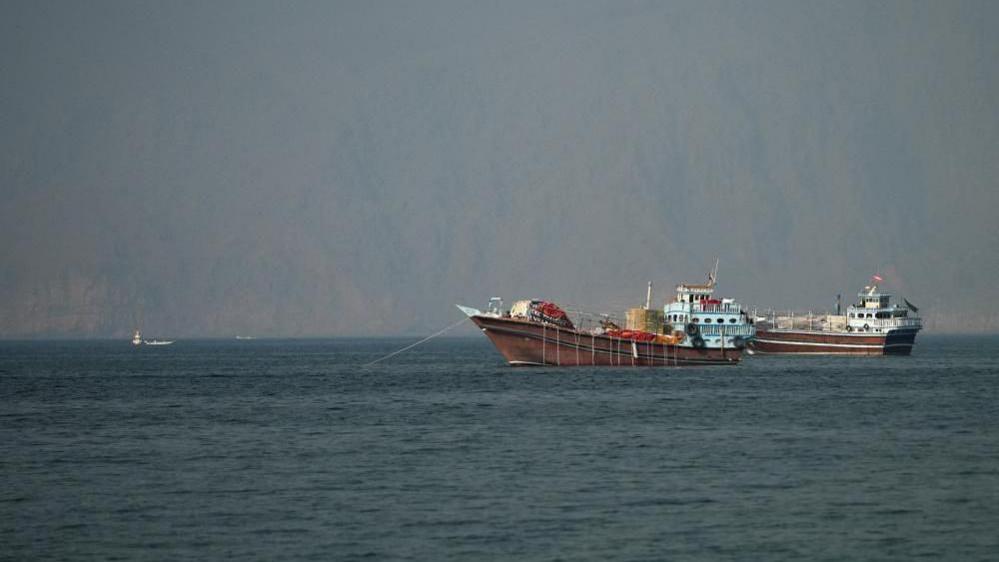
Constantvpn.com – The United States has launched targeted airstrikes against Iranian military facilities in the Strait of Hormuz, following accusations that Tehran violated a recent truce by attacking a commercial cargo ship. The operation, carried out by US Central Command (Centcom), targeted missile and drone storage sites as well as coastal radar installations, marking a sharp escalation in the conflict between the two nations. This retaliation comes after Iran’s drone strike on a vessel in the strategic waterway, which disrupted a planned evacuation of sailors stranded in the region.
According to Centcom, the strikes occurred on Friday in response to the drone attack on Thursday. The military agency described the action as “a powerful response” to Iran’s “unwarranted aggression” against commercial shipping. “Iran’s dangerous behavior has undermined freedom of navigation, a vital component of global commerce,” the statement added. The US emphasized its commitment to ensuring safe passage for vessels through the strait, a critical route for oil and gas exports.
“If Iran has disagreements about how the MOU is being applied, they can pick up the phone,” said Vice-President JD Vance in a post on X. “But violence will be met with violence.”
Iran, however, accused the US of breaking the terms of their 14-point Memorandum of Understanding (MOU) signed on June 17. The agreement aimed to end hostilities and establish a 60-day period for Iran to guarantee the safe transit of commercial ships without fees. Tehran claimed the cargo ship was targeted for using an unauthorized route through the Gulf, which it said violated the ceasefire. In retaliation, Iran’s Islamic Revolutionary Guard Corps (IRGC) reported strikes on US military positions, though specifics were not immediately released.
Meanwhile, Bahrain condemned the Iranian drone attack as a “flagrant violation” of its sovereignty, stating the country had been hit by “several Iranian drones” on Saturday morning. The assault, which occurred just days after the US and Israel began attacks on Iran, has reignited concerns about the stability of the region. The UK Maritime Trade Operations (UKMTO) also reported an incident on Saturday, noting a tanker was struck by an unidentified projectile in the strait. Despite the damage, all crew members were unharmed, and no environmental harm was reported.
The Strait of Hormuz, a lifeline for global energy supplies, has seen significant disruptions since the end of February, when the US and Israel initiated strikes against Iranian targets. These attacks led to the temporary closure of the waterway, causing a spike in oil prices and halting the flow of essential goods like fertilizers. Now, with tensions resurfacing, the strait once again faces the threat of being blocked, raising fears of a broader regional conflict.
Iran’s foreign ministry issued a statement on Saturday, framing the US strikes as a direct response to the drone attack. It criticized the “treaty-breaking US regime” for escalating the situation and claimed the strikes were necessary to protect its interests. Ebrahim Azizi, head of the Iranian parliament’s national security commission, echoed this sentiment on social media, accusing the US of “attacking Iran in the middle of negotiations once again.”
“This reckless violation of the ceasefire will, as always, lead to retreat and regret on their part. The blame game does not work anymore,” Azizi wrote, expressing frustration over the ongoing hostilities.
President Donald Trump, who has been vocal about the conflict, declined to comment on whether the ceasefire was still valid or how the US might respond to Iran’s actions. “You’ll find out,” he said during a press briefing at the White House on Friday. “I don’t like the fact that they took a shot yesterday. They shouldn’t be doing that.” When asked about Iran’s motives, Trump simply remarked, “They’re a little bit different,” hinting at a belief in Iran’s aggressive intent.
The MOU, which was supposed to ensure a 60-day period of calm, was a key element of the truce between the US and Iran. It required Iran to refrain from charging fees for the safe passage of commercial vessels. However, the US has denounced reports that Iran continues to impose tolls on tankers, accusing Tehran of undermining the agreement. These claims have fueled the current cycle of retaliation, with both sides accusing each other of breaking the ceasefire.
International reactions have been mixed. While Bahrain and the UK have expressed concern over the attacks, the UN nuclear chief announced plans for inspectors to visit Iranian sites as part of a broader war deal. This move suggests that efforts to resolve the conflict may continue despite the recent escalation. However, the persistent clashes in the Strait of Hormuz highlight the fragility of the ceasefire and the potential for further military action.
Analysts warn that the conflict could spiral into a more sustained confrontation, with the strait serving as a flashpoint for global tensions. The US and Iran’s mutual accusations of violating the truce underscore the challenges in maintaining diplomatic progress. With the region’s vital trade routes under threat, the consequences of continued hostilities could extend far beyond the immediate combatants, affecting economies worldwide.
In recent days, US officials had expressed optimism about negotiations with Iran, stating that the country had agreed to stop charging fees for vessels transiting the strait. Trump claimed that Iran had confirmed there would be “no tolls, no insurance costs and no other charges of any kind being sought or received.” But the latest strikes have cast doubt on the durability of these assurances, forcing the US to take a more assertive stance.
As the situation unfolds, the Strait of Hormuz remains at the center of geopolitical maneuvering. The clash between the US and Iran has not only disrupted commercial activity but also reignited discussions about the long-term implications of military intervention in the region. With both sides poised to respond to each other’s actions, the path to peace appears increasingly uncertain.