Israel and Lebanon sign framework agreement after US-brokered talks

Israel and Lebanon Sign Framework Agreement After US-Brokered Talks
Constantvpn.com – On Friday, Israel and Lebanon finalized a framework agreement in Washington, D.C., following sustained negotiations led by the United States. The accord, which remains shrouded in some secrecy, marks a notable development for the Trump administration, which is navigating intricate discussions with Iran over the recent extension of their ceasefire. Iran, a key foreign supporter of Hezbollah, has consistently advocated for Lebanon’s inclusion in these negotiations, emphasizing the region’s strategic importance in broader Middle East dynamics.
A Step Toward Stability?
US Secretary of State Marco Rubio hailed the agreement as a “first step” toward establishing a “framework for lasting peace and security.” This sentiment reflects the administration’s hope that the deal will stabilize the region and prevent further escalation. However, the agreement’s success hinges on the cooperation of all involved parties, including Hezbollah, which has yet to formally endorse the terms. The absence of Hezbollah from the discussions raises concerns about the agreement’s durability, as the group maintains significant influence over Lebanon’s military actions.
“That’s what these two nations deserve,” Rubio stated, underscoring the significance of the accord. “It begins to put in place a framework for lasting peace and security.”
Historically, ceasefires between Israel and Hezbollah have often proven fragile, with cross-border strikes resuming almost daily. Both sides have accused each other of breaches, highlighting the persistent challenges in maintaining peace. The US, fearing that ongoing hostilities could jeopardize its broader Iran peace deal, has been actively involved in mediating the conflict. The current agreement is seen as a way to address these tensions and reinforce the ceasefire agreement, which was brokered in April.
A Complex Web of Conflicts
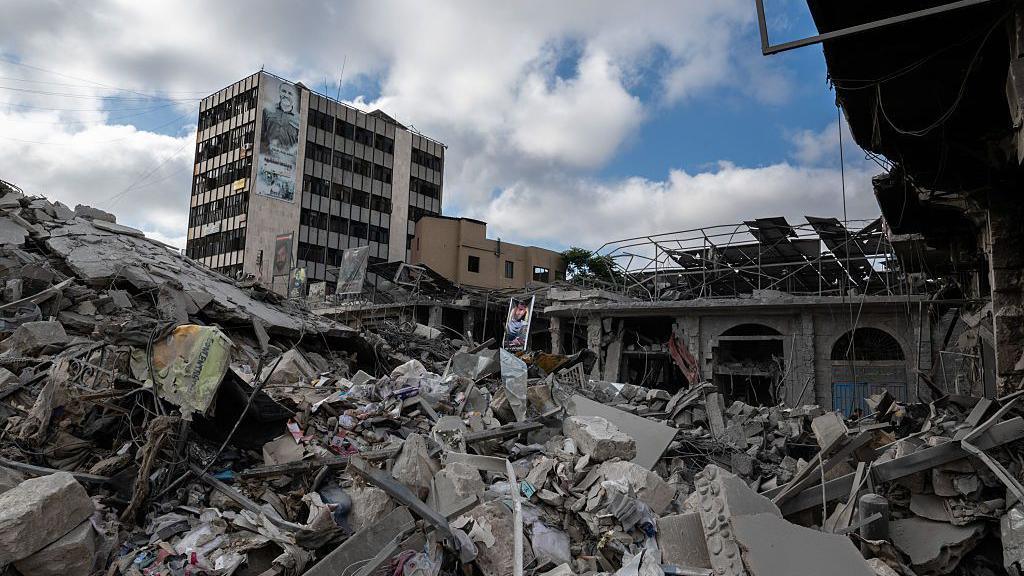
The conflict’s roots trace back to March 2, when Hezbollah retaliated against an Israeli strike that killed Iran’s supreme leader, Ayatollah Ali Khamenei. This triggered a broader war involving the US, Israel, and Iran, with Lebanon caught in the crossfire. Israel’s response included an air campaign across Lebanon and a ground invasion in the southern region, which intensified the crisis. Despite the US-brokered ceasefire on April 16, fighting continued, prompting further diplomatic efforts.
Earlier in June, both nations agreed to extend their fragile ceasefire and establish “pilot” security zones within Lebanon. These zones aim to restrict Hezbollah’s presence, but their effectiveness has been questioned as sporadic clashes persist. The latest agreement, however, introduces a new dimension by outlining a structured approach to security cooperation. While details are still being finalized, the framework is expected to address key issues such as troop withdrawals and border control.
Trump’s Role in the Diplomatic Process
US President Donald Trump has played a central role in the negotiations, asserting his ability to influence both Israel and Lebanon. During a tense phone call with Israeli Prime Minister Benjamin Netanyahu, Trump reportedly used an expletive, signaling his frustration with the ongoing conflict. He has also publicly criticized Netanyahu’s tactics, stating that he can “control Israel from attacking Lebanon.” In an interview with Axios last week, Trump claimed that Israeli leaders “have a lot of respect for me” and “do as I say,” reinforcing his confidence in the agreement’s viability.
“They have a lot of respect for me,” Trump told Axios. “They do as I say.”
Despite these claims, the agreement faces hurdles. Hezbollah’s absence from the negotiations means its position remains uncertain, particularly regarding the withdrawal of its fighters from the South Litani area. This region has been a focal point of Israeli military operations, with repeated strikes targeting Hezbollah positions over several months. The group’s resistance to these measures has been a major obstacle in achieving a comprehensive peace.
Ongoing Challenges and Regional Implications
While the framework agreement represents progress, analysts caution that it may not be enough to end hostilities. The US has expressed concerns that continued fighting between Israel and Lebanon could undermine its broader peace deal with Iran, which seeks to end conflict on “all fronts.” Lebanon’s involvement in the war has been both a consequence and a catalyst for the situation, with its military and political decisions directly impacting the region’s stability.
Recent developments, such as Israeli troops killing two individuals in southern Lebanon after a brief respite in fighting, underscore the fragility of the ceasefire. Reports of additional strikes in Lebanon have further complicated the peace process, raising questions about the effectiveness of the new agreement. Even with the framework in place, the specter of renewed violence looms, particularly if Hezbollah fails to comply with its terms.
As the agreement moves forward, its success will depend on the willingness of all parties to adhere to its provisions. The Trump administration’s commitment to the deal, combined with its influence over Israel, positions it as a key player in shaping the region’s future. However, the absence of Hezbollah from the process leaves room for uncertainty, with the potential for the agreement to be tested in the months ahead. For now, the framework agreement stands as a symbol of hope, even as challenges remain in the path of lasting peace.