Independent MPs launch new Australian centrist party

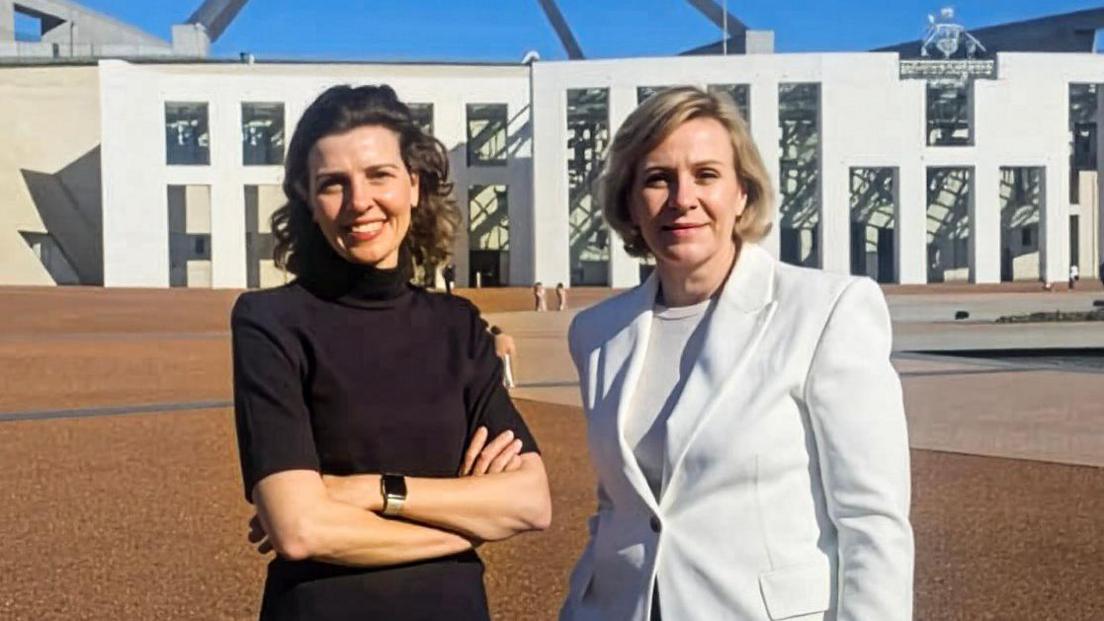
Independent MPs Launch New Australian Centrist Party
Constantvpn.com – In a bold move to reshape Australia’s political scene, two independent members of parliament, Zali Steggall and Allegra Spender, have created a new centrist party. The group, named Community Strong Australia, was formally introduced in Canberra on Thursday, positioning itself as a counterbalance to the polarized environment that has dominated recent years. The party’s founders emphasize its commitment to unity and rational governance, rejecting the divisive rhetoric that has characterized Australian politics. With no official leader and a structure that allows members to vote independently, the party aims to foster a more collaborative approach to policymaking.
The Rise of the Teals
Steggall and Spender are part of a broader network of independent MPs known as the Teals, a term derived from the teal color symbolizing their centrist alignment. This group represents a coalition of socially liberal voices who advocate for stronger climate action and a more progressive agenda. Their decision to form Community Strong Australia comes amid growing public dissatisfaction with the traditional two-party system, which has seen increasing polarization and a lack of consensus on key issues.
Steggall, a former barrister and Winter Olympian, has been a federal representative since 2019. She previously defeated the former prime minister Tony Abbott in a historically Liberal stronghold electorate, a victory that underscored the shifting political tides. Spender, who won her seat in 2022, brings a different perspective to the table. She highlighted the need for a political force that can amplify the voices of communities beyond the usual party lines, stating, “We want to hear from communities beyond our own that want a voice that genuinely reflects them.”
A Political Landscape in Flux
Australia’s political landscape has long been dominated by two major parties: the centre-left Australian Labor Party and the centre-right Liberal-National Coalition. However, recent years have seen a decline in their dominance, with independent candidates gaining traction. Last year’s federal election marked a significant shift, as Labor secured a landslide victory, extending its time in power. Meanwhile, the Coalition faced its most devastating defeat in history, leading to months of internal conflict and instability.
Amid this upheaval, the right-wing One Nation party has emerged as a surprising force. Led by Pauline Hanson, the group has seen a surge in support, with one poll indicating that she is the preferred choice for prime minister among some voters. Steggall and Spender acknowledged the influence of One Nation’s anti-immigration rhetoric but argued that their party offers a more constructive alternative. “People are frustrated and tired of the status quo,” Spender said, adding, “If I wasn’t in politics, I wouldn’t know who to vote for.”
“We don’t want the in-fighting, we don’t want the blame game. We want solutions that will make a difference to us,” Steggall stated.
The Teals’ platform centers on bridging the ideological gap between the major parties. They aim to address pressing issues such as housing affordability, cost of living pressures, and climate change. Spender also stressed the importance of childcare, education, and healthcare, areas where she believes the current system has fallen short. “Our goal is to create a party that listens to the concerns of everyday Australians and translates them into actionable policies,” she explained.
Challenging the Two-Party System
Community Strong Australia positions itself as an “alternate political force” to the existing framework. By operating outside the traditional party structure, the party seeks to provide voters with a fresh option that prioritizes community needs over partisan interests. Steggall described the initiative as an “invitation” to citizens to “come and build the kind of Australia we want,” emphasizing the role of grassroots engagement in shaping policy.
The launch of the new party has sparked interest among other independents, though not all are eager to join. Several have ruled out participation, while two additional Teals are weighing their options. The party has submitted an application to the Australian Electoral Commission, with registration expected to be finalized by October. This timeline is critical, as the upcoming federal election will determine the effectiveness of their political strategy.
One of the party’s key advantages is the recent changes to electoral funding laws. These reforms allow political parties greater budgets for campaigning, which some independents believe will help level the playing field. However, the founders also recognize the challenges ahead. Spender noted that the new party’s success will depend on its ability to resonate with a broad audience, particularly in regions where voter sentiment has been shifting.
Independent Funding and Political Ambitions
Steggall and Spender have clarified that their party is not affiliated with Climate 200, a political organization that has supported independent candidates in recent elections. This distinction is important, as Climate 200’s role in funding has been a point of contention among smaller parties. By distancing themselves from this group, the Teals signal a desire to operate independently and avoid perceived partisan influences.
The new party’s approach to governance is defined by its lack of a central leader and its emphasis on collective decision-making. This structure is intended to reflect the diverse opinions of its members and ensure that policies are developed through consensus rather than top-down mandates. “We don’t want the blame game,” Steggall said, “We want solutions that will make a difference to us.”
The formation of Community Strong Australia also highlights the growing influence of independents in Australian politics. With their ability to cross-party vote and appeal to centrist voters, they have become key players in shaping legislative outcomes. The Teals’ coalition, in particular, has demonstrated the power of small groups to challenge the status quo and introduce new ideas.
As the political landscape continues to evolve, the success of this new party will depend on its ability to mobilize support and establish itself as a credible alternative. Spender and Steggall are optimistic about their prospects, citing the rising demand for a party that combines social liberalism with practical solutions. “We’re not just here to criticize the current system,” Spender said. “We’re here to offer a vision for the future that aligns with what people are asking for.”
The Teals’ message of “unity over division and reason over rage” resonates with voters weary of partisan bickering. With Australia’s political environment increasingly fragmented, their party represents a potential bridge between left and right. As they prepare for the upcoming election, the challenge will be to translate this ideological clarity into tangible policy wins and public support.
The Road Ahead
While the party is still in its early stages, its founders are already planning for the next phase. They plan to leverage the new electoral funding laws to maximize their campaign reach, ensuring that their message is heard across the country. Steggall and Spender have also committed to engaging directly with communities, believing that grassroots interaction is essential to building trust and understanding.
Their vision for Australia’s future includes tackling economic challenges while addressing environmental concerns. Spender emphasized that housing affordability remains a top priority, particularly for first-time buyers and renters. “The cost of living is a crisis for many families,” she said, “and we want to be the voice that brings real change.”
As the Australian Electoral Commission reviews their application, the political world watches closely. The emergence of Community Strong Australia could signal a significant shift in the balance of power, offering voters a new option in a landscape that has grown increasingly polarized. With their focus on unity and practical solutions, the Teals hope to inspire a wave of centrist sentiment that will redefine the political conversation in the years to come.