Fraud crackdown on Ghana ID cards makes digital checks compulsory – photocopies banned

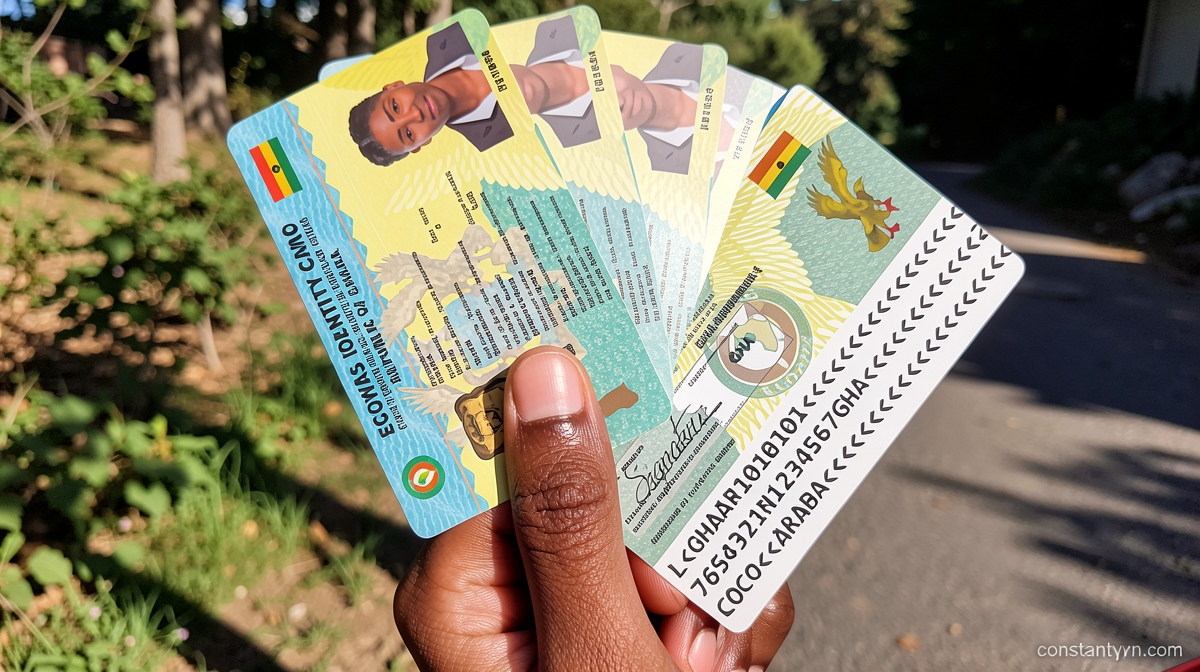
Ghana Mandates Biometric Verification for ID Card Checks to Combat Fraud
Constantvpn.com – Businesses and institutions operating throughout Ghana are now required to utilize a specialized biometric application scanner when verifying national identity cards. These updated regulations represent a significant step toward enhancing security protocols and reducing fraudulent activities across the country. Previously, numerous organizations relied primarily on visual inspections or simple photocopies of the identification documents for their record-keeping purposes. This older approach created opportunities for criminals to successfully impersonate legitimate cardholders.
The Ghana Card: A Digital Foundation
Every Ghanaian citizen and foreign resident within the nation must possess a plastic biometric national identification document commonly referred to as the “Ghana Card.” Launched progressively over the past ten years, this identification card has evolved into an essential component of everyday existence in this West African country. Citizens require the card to access banking facilities, register mobile telephone SIM cards, and secure either a passport or a driver’s license.
The comprehensive biometric information recorded on each card by the National Identification Authority encompasses ten distinct fingerprints, detailed iris scans, along with both a photograph and a handwritten signature. This multi-layered data collection ensures a robust verification system that is considerably more difficult to manipulate than traditional identification methods.
New Mandatory Verification Procedures
Going forward, anyone conducting identity verification must employ a mobile phone application that cross-references the scanned card data against the stored biometric information. This technological upgrade transforms how institutions authenticate individuals, moving away from subjective visual assessments toward objective digital confirmation.
“It is now an offence to photocopy or visually inspect a Ghana Card for the purpose of transaction. Biometric verification is now mandatory,” stated Wisdom Yayra Koku Deku, the chief executive of the National Identification Authority, in an official announcement.
Entities that persist in utilizing outdated photocopying methods or purely visual identification checks face potential legal prosecution. The penalties for non-compliance are substantial, with organizations subject to fines reaching 24,000 Ghanaian cedis, equivalent to approximately 2,100 US dollars or 1,550 British pounds. Individual offenders can also be penalized with fines up to 6,000 Ghanaian cedis, representing roughly 525 US dollars or 390 British pounds, according to the regulatory agency.
Implementation and Compliance
The National Identification Authority has actively encouraged organizations that have not yet integrated with its digital identity verification application to initiate the connection process without delay. Deku confirmed that government officials would provide comprehensive public briefings in the immediate future regarding the execution of the revised regulations. These informational sessions will also outline specific measures designed to guarantee widespread compliance across all sectors.
The transition to mandatory biometric verification represents more than a procedural change; it signals Ghana’s commitment to modernizing its administrative infrastructure. By eliminating the possibility of fraudulent photocopies and unreliable visual inspections, the government aims to create a more secure environment for financial transactions, service registrations, and other official interactions. Citizens and businesses alike must adapt to these new requirements to avoid penalties and ensure smooth operations.
Additional reporting contributed by Thomas Naadi from Accra provides further context on how these changes will affect various stakeholders throughout the nation. The updated verification system is expected to reduce identity theft incidents and improve overall trust in Ghana’s digital identity framework.
For readers interested in related developments, the article references several stories including a Ghanaian influencer extradited to the United States concerning an eight-million-dollar scam targeting elderly American citizens, Ghanaian women achieving Cambridge University degrees despite challenging circumstances, and Ghanaians relocating from South Africa seeking peace at home. These stories highlight the dynamic nature of news from the African continent.
Readers can access more comprehensive coverage by visiting BBCAfrica.com for extensive reporting on regional developments. Following BBC Africa on social media platforms including Twitter at @BBCAfrica, Facebook under BBC Africa, and Instagram at bbcafrica ensures ongoing access to breaking news and in-depth analysis from across the continent.