Billionaire Leon Black walks out of Epstein investigation hearing

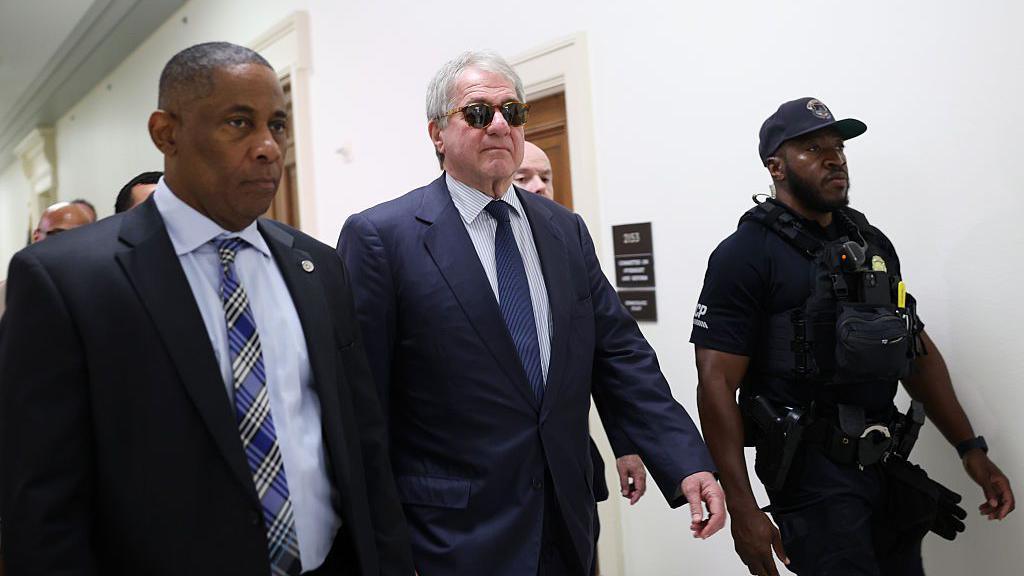
Billionaire Leon Black walks out of Epstein investigation hearing
Constantvpn.com – In a dramatic turn during a congressional hearing, billionaire investor Leon Black exited the room after refusing to address questions about non-disclosure agreements (NDAs) linked to late sex offender Jeffrey Epstein. Lawmakers reported that the House Oversight Committee, which is examining Epstein’s ties to the wealthy and powerful, had asked Black about the agreements he allegedly signed with the financier. Black, who had testified voluntarily, departed without answering, according to the panel’s chairman. The hearing, held in a closed setting, highlighted ongoing scrutiny into Epstein’s influence and the role of private financiers in his network.
The Subpoenas and Legal Tension
The House Oversight Committee had issued two subpoenas demanding that Black provide details on the NDAs and appear for an on-camera deposition. These legal orders aimed to uncover any financial or personal arrangements tied to Epstein, including whether he had written or approved the agreements. Black, who stepped down from Apollo Global Management in 2021 amid allegations of his association with Epstein, had previously denied any wrongdoing. However, his departure from the hearing suggested resistance to answering specific questions about the NDAs.
“We want to know, was Jeffrey Epstein involved in the NDAs? Was he involved in writing? Was he involved in awarding funds to the women for the NDAs? What was the reason for the NDA? We want to know everything about the NDAs,” said James Comer, the committee’s Republican chairman, during the hearing.
Non-disclosure agreements, often referred to as NDAs, are legal contracts designed to keep information private. In Epstein’s case, these agreements were central to allegations that he had concealed his predatory behavior. The committee’s focus on NDAs underscored their belief that such documents could reveal critical insights into Epstein’s operations and the extent of his connections with individuals like Black.
Professional and Personal Ties to Epstein
Leon Black, a private equity tycoon, had hired Epstein as a wealth management adviser. According to CBS News, Epstein had also discussed personal matters with Black, including extramarital affairs that led to the creation of NDAs. During the hearing, Black claimed he had paid Epstein $158 million over their years-long relationship for legitimate purposes. This figure had previously drawn attention from a Senate investigation, which questioned whether the payments masked personal expenses under the guise of professional services.
Black’s legal team argued that the NDAs were not linked to Epstein’s alleged crimes. Susan Estrich, one of his attorneys, called the subpoenas a “planned political stunt.” She emphasized that the committee had not asked about the professional fees Black paid for tax and estate advice, which an internal audit by Dechert law firm at Apollo had deemed appropriate. Estrich asserted that Epstein had no role in the NDAs, regardless of their existence, and that the committee had focused on personal accusations rather than the financial rationale behind the agreements.
Guzel Ganieva and the Alleged Affair
Black’s personal life had also become a focal point. Court records reveal that he had a six-year relationship with Guzel Ganieva, a former Russian model. The affair reportedly ended with allegations of abuse, which Ganieva later filed as a lawsuit. Though the case was dismissed, the NDA she signed was cited as a key factor. The agreement, which Black prepared in 2015, was said to ensure her silence regarding their relationship. Epstein, who had advised Black on the matter, suggested using former law enforcement officers to approach Ganieva, as detailed in emails released by the US justice department.
“Choose method of message delivery, my choice. – two highly respected former —- fill in the blank, immigration, scotland yard. sfo. . who may knock on her door and present the terms,” Epstein wrote in one of the emails.
Estrich dismissed Ganieva’s claims as “demonstrably false,” while Black himself had previously described the situation as an act of extortion. The judge overseeing the case had ruled in favor of Black, citing the NDA and the $9 million Ganieva had received post-relationship. This legal maneuver had left critics questioning whether the agreements were used to shield Black from accountability.
Impact on the Investigation
Robert Garcia, the top Democrat on the House Oversight Committee, criticized Black’s behavior during the hearing. “Leon Black had a chance to do the right thing and help us bring justice to the survivors,” Garcia stated in a statement. “Instead, he ran out of the room when he was pressed for information about his non-disclosure agreements with w.” The Democrat’s comments highlighted the frustration of investigators, who viewed Black’s exit as a refusal to cooperate fully. The hearing had been intended to scrutinize the financial and personal relationships that allowed Epstein to operate with minimal oversight for years.
Black’s actions added to the growing list of high-profile figures who had walked away from the investigation. His departure underscored the tension between financial transparency and personal privacy. While he maintained that he was unaware of Epstein’s sordid activities until the financier was charged with trafficking in July 2019, the committee had sought to establish whether he had been complicit in covering up the alleged misconduct. The focus on NDAs reflected broader concerns about how powerful individuals could use legal mechanisms to protect themselves from public scrutiny.
Broader Implications for the Epstein Case
The hearing was part of a larger effort to trace Epstein’s influence across various sectors. His connections with wealthy individuals had been a central theme of the investigation, with lawmakers emphasizing the need to understand how he had secured financial support and silence from his associates. Black’s refusal to answer questions about NDAs suggested that he was defending his role in the arrangement, even as the evidence pointed to potential involvement in Epstein’s activities. The case also raised questions about the role of private equity firms in facilitating such relationships, with Apollo Global Management at the center of the scrutiny.
Despite his claims of innocence, Black’s testimony had revealed the complexity of his ties to Epstein. The $158 million he paid over the years had been a point of contention, with some arguing it was a cover for personal expenses. Others, however, pointed to the internal audit as proof of the payments’ legitimacy. As the investigation continued, the focus on NDAs remained a key battleground, with lawmakers and legal experts debating whether these agreements were a tool for concealment or a standard business practice.
The drama surrounding Black’s exit from the hearing had captured public attention, emphasizing the high stakes of the Epstein case. While he had claimed to be the victim of extortion, his actions had drawn criticism for avoiding accountability. The hearing, however, was just one of many steps in the ongoing inquiry, with the committee determined to uncover the full extent of Epstein’s influence and the complicity of those who had worked with him. As the investigation progressed, the role of NDAs and their implications for justice would remain a critical topic of discussion.