Iran’s World Cup team lands in Mexico amid US visa row

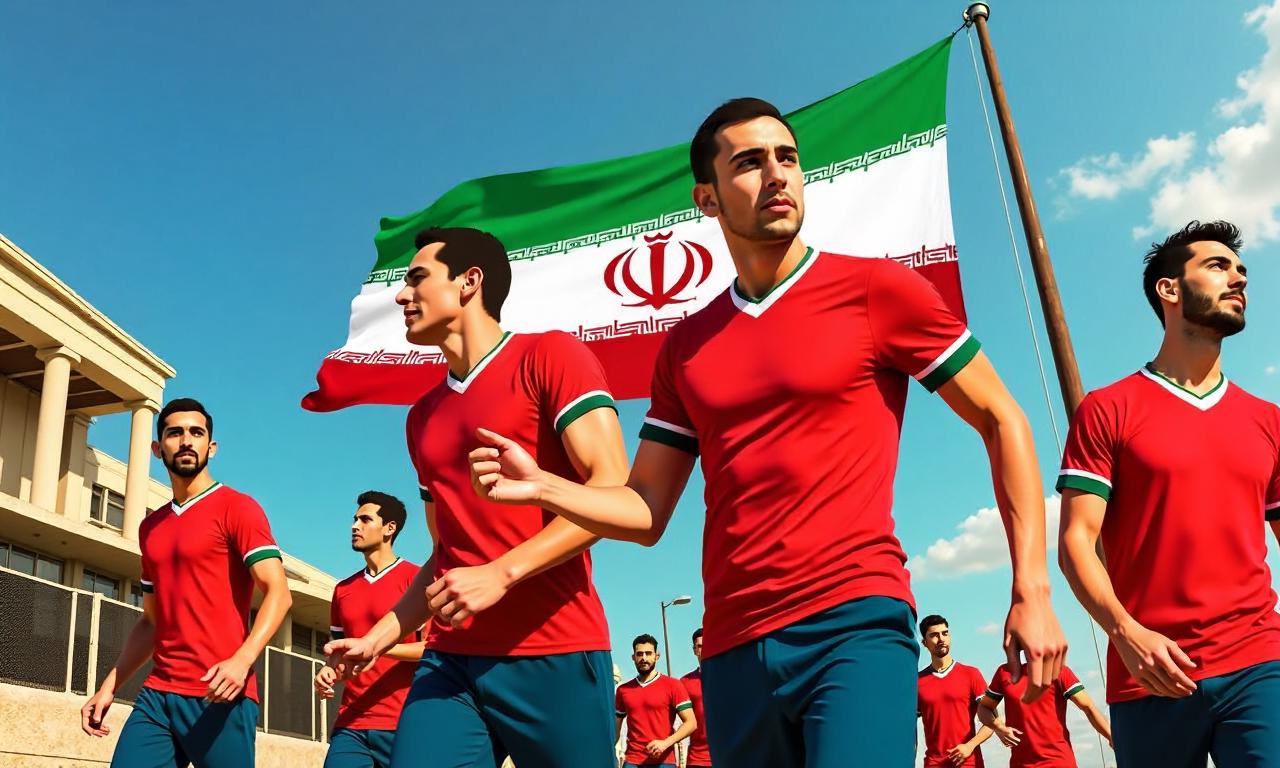
Iran’s World Cup Team Arrives in Mexico Amid US Visa Dispute
Constantvpn.com – Iran’s national football squad touched down in Tijuana, Mexico, on Sunday morning, marking a significant shift in their preparations for the upcoming 2026 FIFA World Cup. The team’s decision to base themselves in the Mexican border city comes amid ongoing tensions with the United States over visa restrictions that have impacted their ability to access key venues in the American host nation. Three of Iran’s group-stage matches are scheduled to take place in the U.S., yet the players and support staff have been instructed to enter and exit the country on match days, complicating their travel logistics. This arrangement has raised questions about the political dimensions of the visa dispute, which has left several Iranian officials stranded outside the U.S.
The Visa Row and Its Impact
According to Iranian state-linked media, 15 officials—including the head of the football federation, his deputy, and a media director—were denied entry into the U.S. This exclusion has been described as a deliberate act of political interference in international sports. The Iranian delegation has emphasized that the visas were withheld without clear justification, affecting not only their administrative team but also technical advisers crucial to the team’s strategy. The situation has created logistical challenges, prompting the squad to relocate their training base from Tucson, Arizona, to Tijuana just days prior to the arrival.
“This is the most blatant form of political interference in sport we have seen,” stated an Iranian official, highlighting the frustration over the visa restrictions. “The U.S. is now blocking access to its stadiums for a team from a country it is at war with, undermining the spirit of global football.”
The World Cup, co-hosted by the U.S., Canada, and Mexico, kicks off on 11 June, with Iran securing their place through a grueling qualification campaign that concluded in March 2025. Their qualification came just months before the U.S. and Israel escalated hostilities against Iran, adding another layer of tension to the team’s preparations. This will be the first time a World Cup features a host nation welcoming a team from a country with which it is currently in conflict, a development that has drawn attention to the geopolitical undercurrents of the tournament.
Visa Issuance and U.S. Rationale
Despite the visa denials, U.S. officials confirmed that all players and “necessary support staff” had received their passports by Friday, 10 days before Iran’s opening match against New Zealand in Los Angeles. The administration cited security concerns, arguing that the visas were issued to ensure the team’s access to the U.S. while preventing potential abuses of the system. “We will not allow terrorists to infiltrate the country under false pretenses,” a U.S. representative said, echoing the stance of Secretary of State Marco Rubio, who earlier this week criticized the Iranian delegation for including individuals linked to the Islamic Revolutionary Guards Corps.
The visa row has sparked debates about the intersection of sport and politics. While the U.S. defends its actions as necessary to safeguard national security, Iran accuses Washington of targeting its officials to exert pressure. The Iranian team’s journey to the U.S. is now contingent on their ability to navigate these diplomatic hurdles, with players relying on their own travel arrangements to attend matches. This situation has also forced the team to adjust their training schedules, with their base in Tijuana serving as a temporary hub until the games in the U.S. begin.
Historical Significance and Player Context
The 2026 World Cup represents a historic moment for international football, as it will host teams from nations with active conflicts. Iran’s inclusion in the U.S. group has been seen as a test of how host countries balance political considerations with sporting neutrality. However, the visa dispute has cast a shadow over this milestone, with the Iranian team now operating on a contingency plan. The country’s football federation has expressed hope that the issue will be resolved before the tournament’s first match, which will be held in Los Angeles on 15 June.
Some players in the Iranian squad have already completed mandatory military service with the Islamic Revolutionary Guards Corps, a detail that has fueled speculation about their involvement in the dispute. While the U.S. argues that these individuals pose a security risk, Iran maintains that their presence in the delegation is purely symbolic and unrelated to the team’s performance on the field. The embassy in Turkey has joined the criticism, accusing the U.S. of “politically biased interference in sport” and urging FIFA to mediate the situation. “The visa restrictions are not just about security,” said a Turkish diplomat. “They are a clear attempt to disrupt Iran’s participation in the global sporting arena.”
Match Schedule and Challenges Ahead
In addition to the Los Angeles game, Iran will face Belgium in California and Egypt in Seattle during their group-stage fixtures. The team’s itinerary is designed to maximize their exposure to the U.S. host cities, but the visa dispute has forced them to adapt quickly. Players and staff are now coordinating their movements with greater precision, ensuring they arrive at stadiums on time without relying on the U.S. for extended stays. This has required a more flexible approach to travel, with the team relying on short-term visas and frequent flights to manage their schedule.
Iran’s diplomatic team has called the visa restrictions a “double standard,” pointing to the U.S.’s own history of allowing athletes from countries with whom it is at war to compete. The federation’s chief, whose name has been withheld for security reasons, stated that the denial of entry to 15 officials is a deliberate move to stifle Iran’s influence in the tournament. “We are not asking for special treatment,” he said. “We simply want to participate in the World Cup on equal terms.”
FIFA’s Role in the Dispute
The World Cup’s governing body, FIFA, has been asked to intervene in the visa row, with Iran’s embassy in Turkey requesting an urgent review of the situation. The organization has yet to comment directly on the issue, but its previous decisions to include teams from politically sensitive regions suggest it may seek a compromise. “FIFA must ensure that the World Cup remains a platform for unity, not division,” the Iranian delegation argued in a statement released through state media. The upcoming matches will serve as a test of how the tournament’s neutrality is maintained in the face of such challenges.
The visa dispute has also highlighted the broader implications for international sports diplomacy. While the U.S. has emphasized its commitment to security, critics argue that the restrictions have overshadowed the spirit of competition. Iran’s team, despite the obstacles, remains focused on their goal of advancing in the tournament. “We will not let this affect our performance,” said a player in a recent interview. “Our only concern is playing our best football and representing our country with pride.”
As the World Cup approaches, the situation between Iran and the U.S. continues to evolve. The team’s presence in Mexico serves as a strategic alternative, allowing them to prepare for their U.S. matches while avoiding the bureaucratic snarls of their host nation. The games in the U.S. will be a critical test of how the visa row impacts their ability to compete. For now, the focus remains on ensuring that Iran’s team can navigate the challenges and showcase their skills on the world stage, even as political tensions simmer in the background.