US and Iran launch new strikes, as Kuwait says airport hit by Iranian drones


US and Iran Escalate Hostilities Amid Regional Tensions
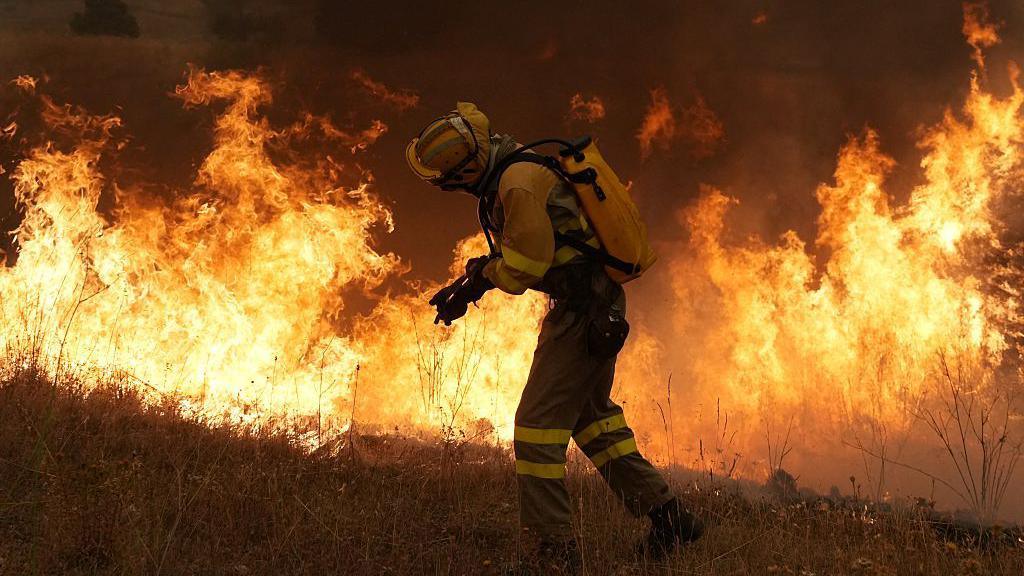
Constantvpn.com – Recent military actions between the United States and Iran have intensified as both sides claim the other is responsible for attacks targeting ships and Gulf nations. The US Central Command (Centcom) reported launching defensive strikes overnight against Iranian forces, emphasizing that the operations were a response to Iran’s alleged aggression across the Middle East. The strikes, conducted on Qeshm Island within the Strait of Hormuz, targeted an Iranian military ground control station, according to Centcom. Additionally, the US military shot down three Iranian attack drones that were directed toward civilian mariners navigating regional waters.
Iran’s Retaliatory Strikes and Regional Impact
In retaliation, Iran claimed it had launched missile and drone attacks against US military installations in a “regional country,” though it did not specify which nation. Centcom confirmed that Tehran had fired two missiles at Kuwait and three at Bahrain. All projectiles either broke apart mid-flight or were intercepted by defense systems. The damage in Kuwait was particularly notable, as the country’s army reported that Iranian drones had struck its international airport, resulting in significant structural harm and injuries to several individuals.
“This attack is a clear example of criminal Iranian aggression,” stated Brigadier General Saud Abdulaziz Al-Otaibi, a defense spokesman for Kuwait. He added that the wounded had been provided with immediate medical attention.
The incident occurred on Wednesday, prompting the suspension of air traffic at the airport. Kuwait’s military confirmed the drone strikes, which have raised concerns about the vulnerability of critical infrastructure in the region. Meanwhile, the US military’s actions have been framed as a defensive measure to protect maritime routes, a key artery for global oil trade.
Stalled Ceasefire Talks and Strategic Tensions
The latest confrontations come amid ongoing stalemates in ceasefire negotiations between the US and Iran. Discussions to end the months-long conflict had stalled over the weekend, with neither side making substantial progress. Centcom noted that the strikes on Qeshm Island were part of a broader effort to counter Iran’s growing influence in the strategic waterway.
Iran has repeatedly targeted commercial and military vessels in the Gulf, with the latest assaults underscoring the nation’s resolve to challenge US interests. The IRGC (Islamic Revolutionary Guard Corps) warned that disrupting the security of the Strait of Hormuz would incur a heavy cost for the “aggressive US military.” Centcom also highlighted that Iran had launched multiple ballistic missiles toward regional countries, including Bahrain and Kuwait, where US bases are stationed.
Naval Blockade and Commercial Vessel Incidents
As part of its broader strategy, the US has maintained a naval blockade on the Strait of Hormuz since 13 April. Centcom stated that the blockade was enforced against the Botswana-flagged oil tanker *M/T Lexie*, which was sailing toward Kharg Island. The ship’s crew was reportedly warned multiple times but failed to comply with US directives, leading to a strike by a US aircraft that disabled the vessel. A video clip released by Centcom allegedly shows the moment the attack occurred.
To date, the blockade has affected six commercial ships and redirected 122 others. These disruptions have drawn attention to the economic implications of the conflict, as the Strait of Hormuz serves as a crucial passage for over 20% of the world’s oil supply. The BBC has sought comment from Botswana’s government regarding the incident, which remains under investigation.
Trump’s Comments and Negotiation Framework
The escalation follows remarks by US President Donald Trump, who recently urged critics to “sit back and relax,” asserting that Iran “really wants to make a deal, and it will be a good one for the USA.” However, reports suggest that Trump has been involved in shaping the terms of the potential peace agreement. US media, including CBS News, indicated that Trump had requested modifications to the deal, focusing on two key areas: the Strait of Hormuz and the removal of highly enriched uranium from Iran.
“Right now, everything that’s been discussed with them is that … any sanctions relief is condition-based,” testified US Secretary of State Marco Rubio during a congressional hearing. He explained that the US strategy involves linking sanctions relief to Iran’s nuclear programme, which remains a central point of contention in the negotiations.
Rubio also addressed the role of US military presence in the region, stating that the country had not offered Iran concessions in exchange for reopening the strait. His comments came amid a tense exchange with a senator, who questioned the effectiveness of the US approach to ending the conflict. The senator asked, “The war is over,” echoing sentiments from some lawmakers who believe the US should prioritize diplomacy over military action.
Broader Implications and Regional Concerns
The ongoing clashes highlight the deepening divide between the US and Iran, with each side accusing the other of instigating hostilities. While the US positions its actions as self-defense, Iran views them as a continuation of its efforts to dominate the region. The attacks on Kuwait and Bahrain underscore the risk of collateral damage, as Iran’s drones and missiles threaten both military and civilian targets.
Centcom reiterated that the strikes on Qeshm Island were designed to neutralize an Iranian military outpost, a move seen as a strategic effort to disrupt the flow of Iranian-backed operations. The US has also taken steps to prevent Iranian vessels from accessing the strait, a measure that has drawn criticism from some Gulf allies. The international community remains closely watching the situation, with concerns about the potential for wider conflict.
Continued Uncertainty and Future Outlook
Despite the US’s claims of defensive action, the conflict shows no signs of de-escalation. Iran’s foreign ministry spokesman, Esmail Baghaei, recently denied that a specific peace deal had been proposed, stating that Washington had “constantly changing its views and putting forward new or contradictory demands.” This back-and-forth has left the ceasefire negotiations in limbo, with both sides seemingly unwilling to compromise.
Analysts suggest that the current standoff reflects the broader geopolitical rivalry between the US and Iran, which has intensified since the Trump administration’s policies. The removal of highly enriched uranium from Iran and the control of the Strait of Hormuz are seen as pivotal issues in the talks. If unresolved, these tensions could prolong the conflict and further strain relations with Gulf states.
As the situation evolves, the focus remains on maintaining control of strategic waterways and securing a lasting agreement. The impact of these actions on regional stability and global energy markets continues to be a major concern. With no immediate resolution in sight, the world braces for potential further escalations in the ongoing struggle between the two nations.