They quit the West for Russia’s traditional values, but it wasn’t what they expected

Westerners Seek Russia’s Traditional Values, But Reality Diffs from Expectations
Constantvpn.com – For many Westerners, Russia has become a beacon of hope—a country promising stability, cultural authenticity, and a return to what they perceive as timeless family values. Yet, as more individuals like Leo Hare and Ben choose to leave their homelands for the Russian Federation, their experiences reveal a complex picture that often diverges from the idealized vision they initially embraced.
A New Chapter in a Familiar Life
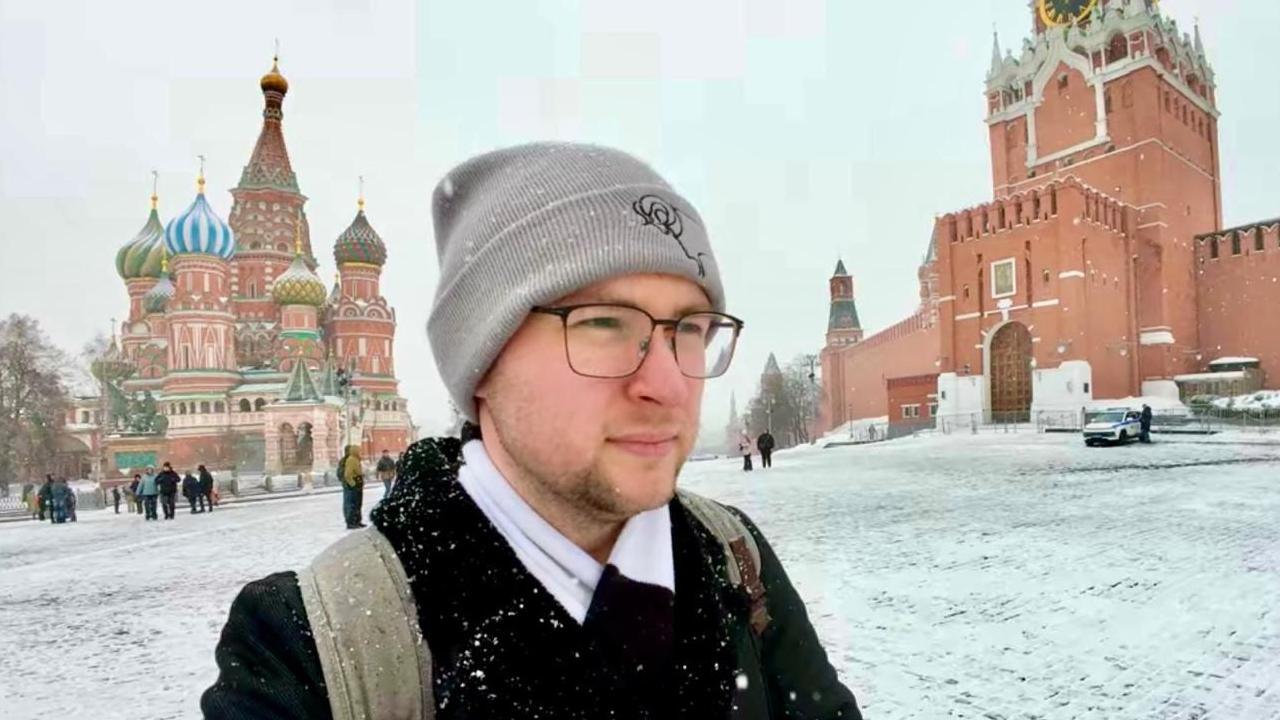
Leo Hare, a Texan who relocated to Russia in late 2023, had long felt disillusioned with his home country. As a devout Christian, he criticized political polarization, the rise of LGBTQ+ advocacy, and the dominance of genetically modified food in American society. After securing asylum, he saw Russia as a fresh start, a place where faith and family could thrive without the perceived erosion of moral standards. His decision was not made lightly; he immersed himself in his new life, from milking goats on a rural farm to enjoying traditional dumplings and documenting his journey for online followers.
Ben, a resident of Derby, England, echoed similar sentiments. Moving to Russia on a private family visa in 2023, he described feeling safer in his new surroundings. While his reasons were more practical—seeking a quieter, more stable environment—his story aligns with a broader trend of Westerners gravitating toward Russia’s image as a guardian of traditional values.
The Shared Values Visa: A Gateway to a New Identity
At the heart of this migration is the Shared Values visa, a program launched in 2024 by President Vladimir Putin. Officially designed to attract citizens from “unfriendly” nations, the visa offers temporary residency for up to three years without requiring applicants to demonstrate proficiency in Russian language, history, or law. Instead, they must affirm their alignment with Russia’s spiritual and moral values, rejecting what the Kremlin calls the “destructive neoliberal ideology” of the West.
Ilja Belobragin, general managing partner at Move To Russia, a relocation agency, noted that the visa has drawn a diverse group of migrants. “Many of our clients say they don’t recognize the community around them anymore,” he explained. “They’re looking for a place where they feel their beliefs are respected.” This sentiment reflects a growing appeal of Russia’s cultural narrative, which positions the country as a bulwark against what some view as Western moral decline.
However, the visa program’s impact extends beyond personal aspirations. According to data from the Russian government, nearly 3,400 applications have been submitted since its inception in spring 2026. While the exact number of approvals remains unclear, the program underscores the Kremlin’s strategy to reshape Russia’s global image. In a 2022 decree, Putin warned that Western ideologies were threatening traditional values such as marriage and the family, calling for a more assertive defense of Russia’s cultural identity abroad.
A Contrast Between Expectations and Realities
Despite these efforts, the realities of life in Russia often challenge the idealized perceptions of its traditional values. Leo Hare, now settled in Nizhny Novgorod, has grown concerned about restrictions on access to information. “It’s not the country I imagined,” he admitted. “There’s a sense of control over what people can see and say.” This shift has led to a sense of disillusionment among some migrants, who initially viewed Russia as a sanctuary for faith and family.
While the Russian government promotes its values through state media and public campaigns, the country’s actions often contradict this narrative. The invasion of Ukraine, which began in 2022, has dominated international discourse about Russia, casting it as an aggressor rather than a defender of tradition. Yet, for many migrants, this conflict does not overshadow their decision to move. Instead, they focus on cultural and social factors, such as the strength of family ties and the preservation of religious practices.
Philip Hutchinson, a British expatriate who now assists others in relocating to Moscow, noted that the war is rarely a central topic in conversations with his clients. “They’re more interested in the everyday aspects of life—like the sense of community or the availability of religious institutions,” he said. Hutchinson, a former Conservative Party candidate, has become a key figure in the migration movement, helping individuals navigate the process of settling in Russia.
Why the Migration Matters
As Russia faces international sanctions and geopolitical tensions, this migration trend highlights a strategic shift in how it seeks to engage with the West. By offering a visa that emphasizes cultural compatibility, the Kremlin aims to counter narratives of oppression and instead present itself as a progressive force in a world increasingly defined by Western modernity. For countries like Canada, Britain, and the United States, the appeal of Russia’s traditional values represents a broader critique of their own societal changes.
Yet, the migration is not without its challenges. Applicants must pay an administrative fee of 1,600 roubles (£17 or $22) and undergo medical and criminal records checks. While the visa provides a pathway to residency, it does not guarantee financial support or housing assistance, placing the burden on individuals to adapt to Russia’s economic landscape. For some, this is a manageable transition; for others, it reveals the complexities of life in a country that balances its traditional values with modern governance.
Leo Hare’s experience illustrates this duality. Though he initially embraced Russia’s cultural values, he has since observed a different reality. “I thought I was moving to a place where information was free,” he said. “But now I see how tightly controlled it can be.” His reflections are part of a growing dialogue among migrants, who are beginning to question whether Russia’s traditional values are as unshakable as they once believed.
More Than Just a Migration
What began as a personal journey for individuals like Leo Hare has evolved into a movement with broader implications. As thousands of Westerners make the leap to Russia, their choices challenge the dominant Western narrative about the country. This migration reflects a desire to find stability, faith, and community in a world where cultural identities are often seen as under threat.
However, the shift is also a response to the perception of Western societies as increasingly secular and progressive. For some, Russia represents a return to what they view as a more authentic way of life. “It’s not just about politics,” said one migrant. “It’s about feeling like your values are part of the mainstream.” This sentiment is reinforced by the online ecosystem of influencers and relocation agencies, which highlight Russia’s traditional practices and present it as a haven for those seeking a different pace of life.
As the Shared Values visa program continues to attract attention, its long-term success will depend on how well it aligns with the expectations of its applicants. For now, it remains a symbol of Russia’s efforts to redefine its image in the eyes of the West. Whether this vision of Russia as a defender of traditional values will resonate with those who choose to relocate remains to be seen. But for many, the journey has already begun, driven by a belief that Russia offers something their own countries no longer do.
“What are my thoughts on the war?” asked Philip Hutchinson. “Honestly, it’s not the first thing I think about. I care more about the culture and the values that feel like they’re disappearing back home.”
This migration trend, though small in scale, signals a growing divide between the perceived values of the West and those of Russia. While some find their answer in the Russian Federation, others are left questioning whether the traditional values they sought are as enduring as they once thought. For now, the stories of these individuals continue to shape a narrative that is as much about cultural longing as it is about geopolitical strategy.