South Africa says more than 53,000 foreigners deported in migration campaign

South Africa Deports Over 53,000 Foreigners in Migration Drive
Protests Spark Government Response
Constantvpn.com – South Africa says more than 53,000 foreign nationals have been deported or repatriated as part of an intensified migration campaign. The announcement comes amid widespread demonstrations across major cities, where thousands of citizens have taken to the streets demanding action against undocumented migrants. Government officials confirmed that operations began approximately five weeks ago, with the total number of deportations continuing to rise as enforcement efforts intensify. Most of those removed came from neighboring countries including Malawi, Zimbabwe, and Mozambique. This massive deportation effort represents one of the largest immigration enforcement actions in recent South African history.
Public Outcry and Violent Confrontations
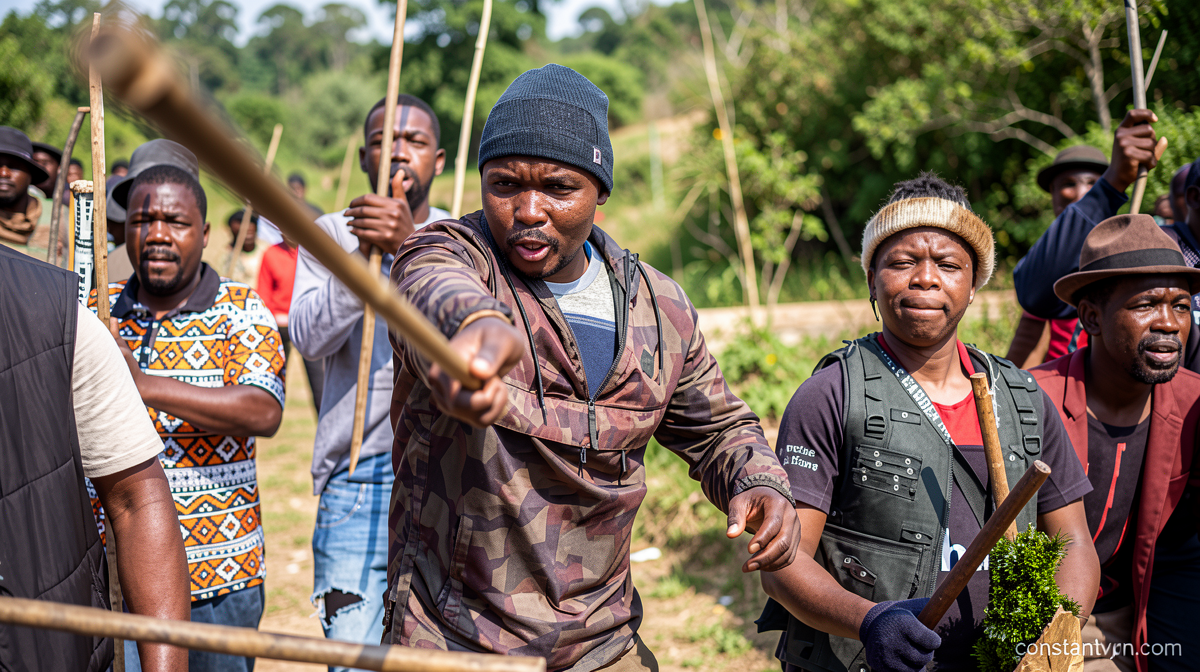
The migration crackdown follows several weeks of anti-immigration protests that have turned increasingly violent in some areas. Demonstrators have engaged in confrontations with migrants, looted businesses, and intimidated foreign nationals through various tactics. Many citizens blame undocumented migrants for worsening unemployment rates, increasing crime levels, and straining public services. Protest organizers have set an informal deadline of June 30 for undocumented migrants to leave the country voluntarily. This timeline has prompted many foreigners to depart before potential violence escalates further. Several nations including Ghana, Nigeria, Uganda, and Kenya have arranged special flights to repatriate their citizens during this period.
Official Statements and Legal Framework
Justice and Constitutional Development Minister Mmamoloko Kubayi provided comprehensive updates during a Sunday press conference. She revealed that exactly 53,499 foreign nationals have been processed through deportation and repatriation procedures. Malawians represent the largest group among those deported, followed by Zimbabweans and Mozambicans.
We are striving to achieve an orderly and regular migration which is mindful and sensitive to the concerns raised by our people, while observing human rights and dignity of all people in our country, irrespective of their citizenship and immigration status.
Kubayi emphasized that operations have successfully identified individuals wanted by police for various criminal offenses. She warned protesters against conducting unauthorized home and business inspections targeting suspected undocumented migrants.
International Reaction and Human Rights
The United Nations has cautioned against using migrants as scapegoats for South Africa’s broader economic challenges. UN officials urged all parties to respect human rights while addressing legitimate public concerns. Anti-migrant organizations have committed to continuing weekly demonstrations until their demands are met. There are growing concerns that tensions could escalate into more serious violence if the situation is not managed carefully. The international community has expressed interest in monitoring the situation closely, particularly regarding the treatment of deported nationals and the legal processes involved in the removals.
Presidential Guidance and Economic Context
President Cyril Ramaphosa has acknowledged the legitimate concerns of South African citizens while condemning violent attacks against migrants. He has urged citizens to allow proper authorities to handle enforcement rather than taking matters into their own hands. As Africa’s most developed economy, South Africa has historically attracted migrants seeking better opportunities. However, irregular immigration channels have created ongoing challenges for the government. The current campaign reflects attempts to balance humanitarian obligations with domestic political pressures. Authorities continue working toward sustainable solutions that address both immediate protest demands and long-term migration management needs for the nation.