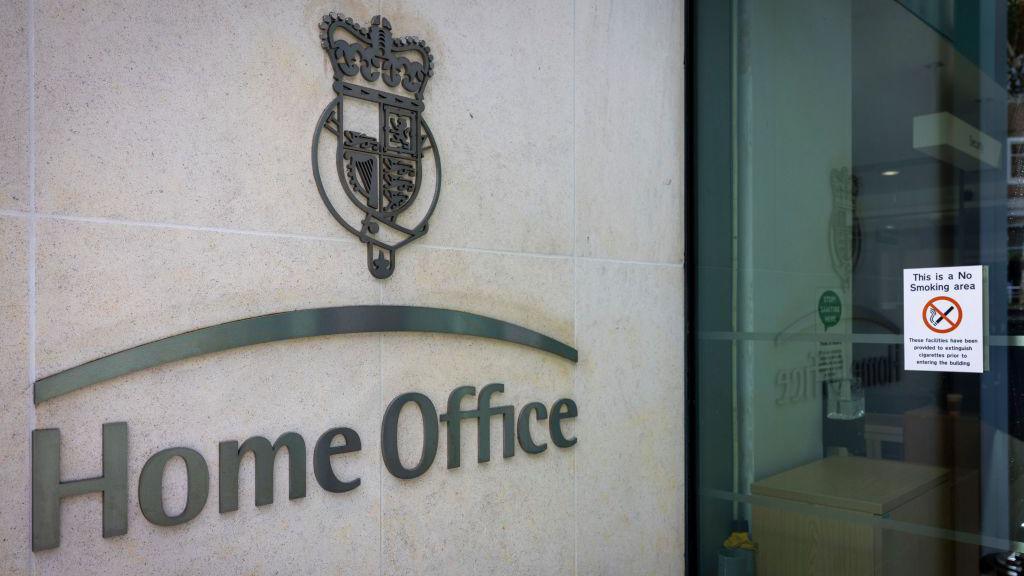
Mahmood announces new refugee sponsorship route into UK


UK Introduces New Refugee Sponsorship Framework Amid Political Debate
Constantvpn.com – Home Secretary Shabana Mahmood has unveiled a new initiative to streamline the process for refugees entering the UK, with the program set to launch in the autumn. This system, which allows voluntary and community groups to support asylum seekers, aims to create a more structured pathway for those fleeing conflict and persecution. The government claims the reform will ensure the process remains fair, controlled, and less prone to misuse. However, the plan has sparked mixed reactions from political parties, with some expressing concerns about its effectiveness in curbing illegal immigration.
The announcement follows months of pressure on the Home Office to reduce the number of asylum seekers housed in temporary accommodations at public expense. Critics argue that the current system has been strained by an influx of applicants arriving by small boats, which has eroded public trust. Mahmood’s proposal introduces “capped safe and legal” routes, limiting the number of refugees admitted under the new framework. This approach contrasts with the previous system, which relied heavily on local councils to resettle individuals under the UK Resettlement Scheme (UKRS).
Key to the reform is the expansion of sponsorship opportunities to a broader range of organizations, including universities, community groups, and businesses. This model draws inspiration from Canada’s community sponsorship program, which has resettled nearly 400,000 refugees since its inception in 1979. The Home Office highlights that 70% of sponsored refugees in Canada secure employment within a year, outperforming the government-led resettlement process by 30%. While the UK’s existing sponsorship efforts have been modest, the new plan seeks to scale this model, with support from the UN High Commissioner for Refugees.
Under the proposed system, organizations will take on responsibilities such as providing housing and job assistance for refugees. Before arrival, these groups will undergo background checks to ensure they meet criteria for sponsorship. The government also plans to introduce a refugee work route in 2025, enabling employers to sponsor individuals, and applications for the university pathway will open later this year, with the first arrivals expected in 2027. The exact number of beneficiaries remains unspecified, but the Home Office emphasizes that the program will operate at a higher capacity than the current UKRS once fully established.
Political factions have reacted differently to the reforms. The Conservative Party insists that refugees should not be granted entry until illegal immigration is addressed. Shadow Home Secretary Chris Philp warned that the new measures would not deter individuals from arriving by small boat, stating, “Many of those not admitted under any legal scheme would still attempt to enter the UK by boat regardless.” Reform UK has also voiced skepticism, with its home affairs spokesman Zia Yusuf arguing that the scheme lacks a mandate, as it is not included in the Labour party’s manifesto. “We are putting Burnham on notice: Reform will reverse this scheme,” he said.
Labour MPs, meanwhile, have criticized the reform for not expanding enough safe and legal pathways. Earlier this year, the party implemented a temporary asylum system, granting only short-term protection to refugees and extending the waiting period for permanent residency. This shift has drawn backlash from some Labour members, who believe the government should prioritize creating more legal routes to reduce reliance on small boat crossings. Mahmood, however, defended the changes, stating that the system must “survive if the public trusts it is fair, controlled, and not open to abuse.”
The new sponsorship model has been framed as a way to protect “genuine refugees” while addressing perceived loopholes in the current system. Mahmood emphasized that the UK has long been a sanctuary for those escaping war and persecution, but the public’s confidence has been tested by the growing number of asylum seekers. By involving trusted organizations like universities and churches, the government hopes to create a more community-driven approach, ensuring refugees receive tailored support rather than relying solely on bureaucratic processes.
However, the system’s success depends on how it is implemented. While the Home Office claims the program will operate at a higher capacity than the UKRS, details about which groups will qualify for sponsorship remain unclear. Critics argue that without clear guidelines, the initiative could be exploited or fail to meet its goals. Additionally, the government has not yet disclosed the cap on the number of refugees admitted, leaving uncertainty about the scale of the new routes.
Despite these concerns, the reform is seen as a step toward modernizing the UK’s asylum system. The proposed changes to human rights and modern slavery laws aim to identify and eliminate “vexatious” claims, which the government believes have been used to justify unnecessary immigration. These adjustments will apply to all asylum applications, ensuring that only those with legitimate needs are granted entry. Mahmood stressed that the reforms would protect genuine refugees while maintaining strict oversight, saying, “Britain has always offered sanctuary to those fleeing war and persecution, but this system only survives if the public trusts it is fair, controlled, and not open to abuse.”
The initiative is set to be debated in the House of Commons next week, with some Labour MPs potentially opposing its more stringent elements. The political landscape remains fluid as Mahmood seeks to secure support for her immigration bill ahead of Andy Burnham’s potential rise to the role of prime minister. With the Community Sponsorship Alliance advocating for expanded community involvement, the government faces the challenge of balancing efficiency with compassion in its approach to refugee resettlement.
“Britain has always offered sanctuary to those fleeing war and persecution,” said Shabana Mahmood. “But this system only survives if the public trusts that it is fair, controlled, and not open to abuse.”
The pressure to create more legal pathways has intensified as the number of asylum seekers in hotels continues to rise. The government has been urged to address this issue to alleviate financial strain on taxpayers and restore public confidence. While the new sponsorship routes may help, their impact on reducing small boat arrivals remains a topic of debate. For now, the focus is on implementing the changes and ensuring that the system aligns with both legal and humanitarian standards.
With the Home Office vowing to monitor which organizations can provide sponsorship, the plan includes strict checks for all applicants. This approach is designed to prevent abuse and ensure that only those who meet eligibility criteria are admitted. The combination of community support and government oversight is expected to create a more robust framework, though the long-term effects of these reforms will depend on how effectively they are executed. As the debate continues, the UK’s commitment to welcoming refugees while managing immigration flows remains central to the policy’s success.