Lebanese general among three soldiers killed in Israeli attack on car

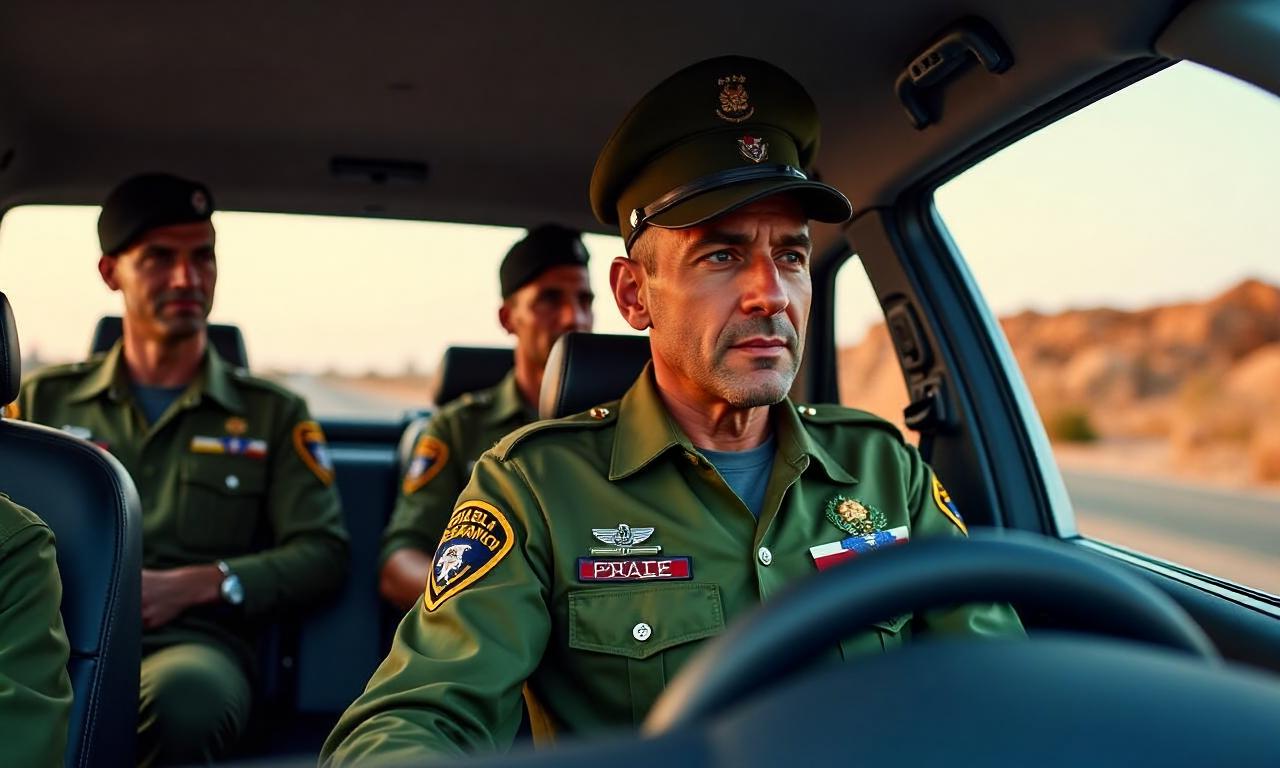
Three Lebanese Soldiers Killed in Israeli Strike on Military Vehicle
Constantvpn.com – The Israel Defense Forces (IDF) announced an investigation following a reported attack on a vehicle transporting Lebanese soldiers in southern Lebanon. The incident, which occurred on Saturday, resulted in the deaths of a brigadier-general, a captain, and a private. The Lebanese Army described the strike as “aggressive and barbaric,” emphasizing the loss of three personnel in the operation. The IDF claimed the vehicle was moving toward their forces, suggesting a potential threat, and stated that gunfire had been detected in the area. This attack adds to the ongoing tensions between Israel and Hezbollah, even as the Lebanese government continues negotiations for a ceasefire.
Israel and Lebanon are not currently in direct conflict, though both sides are engaged in discussions to halt hostilities. However, the fighting has primarily targeted Hezbollah, an Iran-backed armed group operating in southern Lebanon. Since March, Hezbollah has been launching rocket and drone attacks into northern Israel, prompting Israeli military actions against their positions. The latest strike against the Lebanese vehicle occurred near the village of Kfar Tebnit, four miles north of the Litani River, and close to Nabatieh. This region has seen intense combat and significant displacement of civilians in recent months.
According to the IDF, the vehicle struck was traveling in an “active and evacuated combat zone,” where they believe Hezbollah has been conducting operations. The military reiterated that its actions are directed at the Hezbollah terrorist organization, not the Lebanese Army. This distinction is crucial, as the Lebanese government seeks to end the conflict on its territory. The IDF emphasized coordination with local forces in the area, claiming their operations are focused on neutralizing Hezbollah’s infrastructure rather than attacking the Lebanese military directly.
Hezbollah’s Rejection of Ceasefire Talks
Lebanon’s military reaction to the attack was sharp, accusing Israel of “brutal, deliberate, and repeated aggression.” The Army shared images of the damaged vehicle on a road outside the village, sparking outrage among its ranks. The victims were identified as Brig Gen Samer Sabra, Cpt Elie Khoury, and Pte Hassan Ghazal. News of the incident follows Hezbollah’s leadership rejecting a US-backed ceasefire agreement. The deal, which was proposed after talks between Israel and Lebanon, included provisions for “pilot” security zones in southern Lebanon where Hezbollah would be banned from operating. However, the group’s leaders dismissed the plan as ineffective, arguing that it did not account for their role in the conflict.
“Save Lebanon from your real foe, Mr. President,” stated Iran’s foreign minister in response to Lebanese President Joseph Aoun’s criticism of the war. Aoun, in an interview with CNN, expressed that the Lebanese people are “fed up” with the conflict between Israel and Hezbollah. He pointed to Iran as the root cause of the crisis, a remark that drew a pointed reply from the Iranian official, implying that Israel is the actual adversary.
Lebanon’s government has long advocated for a ceasefire to allow its forces to disarm Hezbollah. However, Israel has previously accused the government in Beirut of being unable to fully control the armed group. The initial ceasefire, agreed upon on 16 April, failed to stop the fighting, leading to continued Israeli strikes. In recent weeks, these attacks have mostly targeted southern Lebanon, though the IDF has expanded their operations eastward since Prime Minister Benjamin Netanyahu intensified the campaign on 26 May.
The War’s Impact and Broader Context
The conflict has had a devastating toll on Lebanon. The country’s health ministry reported at least 3,550 deaths since the war began, though these figures do not distinguish between combatants and civilians. Israel claims 26 of its soldiers and four Israeli civilians have been killed in the conflict, with the majority of casualties occurring on the Lebanese side. The attack on the military vehicle further underscores the challenges faced by Lebanon as it navigates the war’s complexities.
Lebanon entered the conflict on 2 March when Hezbollah retaliated with rocket attacks against Israel after an Israeli strike killed Iran’s supreme leader. This triggered an Israeli air campaign across Lebanon and a ground invasion in the south. Despite efforts to broker peace, the fighting persists. The US-backed ceasefire agreement, which was rejected by Hezbollah, required Israel to avoid attacking their positions in Beirut if they did not strike Israel. The Lebanese government, however, has called for a ceasefire to allow for the disarming of Hezbollah, which has been a key goal in reducing the conflict’s intensity.
US President Donald Trump has sought to mediate the crisis, aiming to secure an agreement with Iran. The Iranian government has made a deal to end its war with the US and Israel contingent on halting the campaign against Hezbollah. This has placed Lebanon in a difficult position, as it must balance its desire for peace with the ongoing presence of Hezbollah. The recent attack on the Lebanese vehicle highlights the challenges of achieving a lasting ceasefire, as both sides continue their military efforts.
Historical Tensions and Strategic Objectives
The IDF’s actions against Hezbollah have been a central part of the conflict since March. The group has been a primary target of Israeli strikes, particularly in southern Lebanon, where most of the fighting has occurred. The military has described these operations as necessary to counter Hezbollah’s rocket and drone attacks into northern Israel. The recent attack on the Lebanese soldier vehicle, however, has complicated the situation, as it may have drawn Lebanon into a more direct confrontation with Israel.
Hezbollah’s rejection of the ceasefire agreement has left the region in a state of uncertainty. The group’s leader, Naim Qassem, called the talks between Lebanon and Israel “futile,” indicating a lack of trust in the process. The agreement had stipulated that Israel would not attack Hezbollah in Beirut if the group ceased its attacks on Israel. This provision, however, was not included in the discussions, which excluded Hezbollah. The Lebanese government has since emphasized the need for a ceasefire to allow its forces to take control of the situation, but Israel remains skeptical of their ability to achieve this.
The attack on the vehicle also comes amid rising tensions between Israel and Lebanon. The country has previously experienced major air strikes on its capital, Beirut, which have caused significant damage and civilian casualties. The Lebanese Army has accused Israel of targeting their forces, while the IDF maintains that its actions are focused on the Hezbollah organization. This dynamic has led to a cycle of retaliation, with both sides seeking to assert dominance in the region.