Hidden camera found in government building

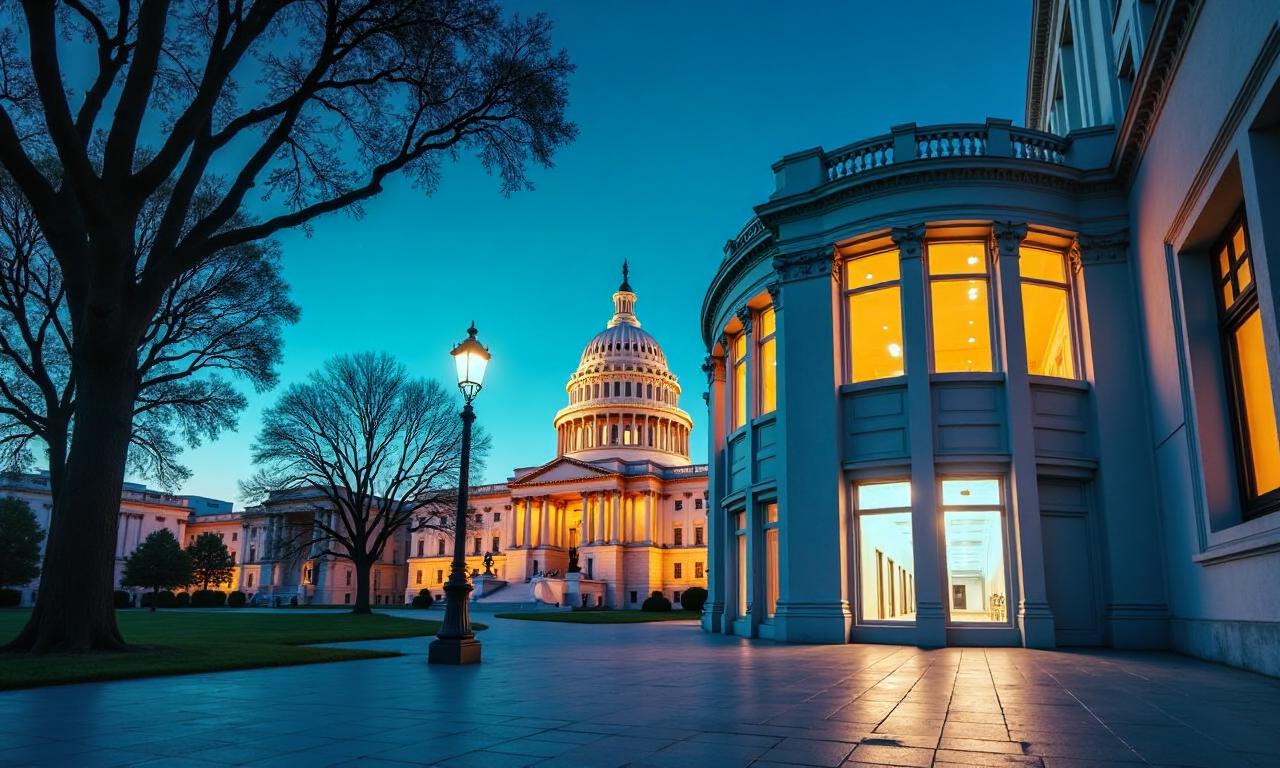
Concealed Camera Uncovered in Central Government Complex
Constantvpn.com – A recent security breach has sparked concern after a hidden camera was discovered in a prominent government building located in the core of Westminster. The device was identified in a shared space on Marsham Street, which houses the Home Office and the Ministry of Housing, Communities and Local Government (MHCLG). The i newspaper, which broke the news, reported that the camera was installed behind a ceiling panel within the past two months. Authorities have since notified security services about the find, raising questions about the potential risks to sensitive operations within the building.
Location and Departmental Context
The building in question serves as a critical hub for multiple government functions. The Home Office, based in this complex, oversees policing in England and Wales and plays a key role in national security matters. MHCLG, meanwhile, focuses on housing policies, local governance, and planning regulations across the country. The discovery of the camera in MHCLG’s section of the building, distinct from ministerial offices, has added a layer of intrigue to the situation. While the exact purpose of the device remains unclear, its placement near administrative areas suggests it may have been used to monitor internal activities.
Security experts have noted that the location of the camera—within a communal area—makes it particularly concerning. Such spaces are often frequented by staff and visitors, increasing the likelihood of data being captured without detection. The fact that the device was installed recently indicates a deliberate effort to remain unnoticed, which has led to speculation about its origin and intent.
Official Responses and Public Concerns
MHCLG issued a brief statement regarding the incident, asserting that they would not provide additional details on security matters. However, the Home Office has remained silent, with its representatives referring inquiries to the earlier MHCLG comments. This lack of transparency has fueled public and political debate about the safety of government facilities.
Among those expressing alarm is Alex Burghart, a Tory shadow Cabinet Office minister. In a statement, Burghart emphasized the gravity of the situation, calling for an immediate and thorough investigation. “This is a serious incident that demands an urgent inquiry,” he said. “The presence of a hidden camera in a building that accommodates the Home Office and other departments raises critical questions about the security of our governmental infrastructure and the individuals who might seek to compromise it.”
“The public deserves answers. We urgently need to know who was responsible, how long this device has been operational, and whether any confidential information has been exposed.”
Burghart’s remarks highlight growing concerns about the potential for surveillance and data leaks within key administrative centers. The incident has not only prompted calls for accountability but also prompted discussions about the need for enhanced security measures in high-profile government buildings.
Implications for Government Operations
The discovery of the hidden camera underscores vulnerabilities in the security systems of central government facilities. While the Home Office and MHCLG have not yet disclosed the full scope of the breach, the device’s location in a shared area suggests it could have been used to monitor interactions between officials and visitors. This raises the possibility that sensitive conversations—ranging from policy discussions to classified intelligence briefings—may have been recorded and potentially accessed by unauthorized parties.
Security analysts have pointed out that such devices are often used for both surveillance and espionage. The proximity of the camera to MHCLG’s operational spaces, which handle housing and planning policies, could mean it was targeting data related to public infrastructure projects. Meanwhile, the Home Office’s involvement adds another dimension, as its responsibilities include safeguarding national security and managing law enforcement activities.
The incident also has broader implications for public trust in government institutions. With the camera hidden for months, it could have been operating during critical decision-making periods, including those related to immigration policies, security protocols, or emergency response plans. This has led to demands for transparency, as citizens seek reassurance that their government is protecting both its operations and their data.
Call for Comprehensive Review
Political leaders and security officials have urged a comprehensive review of all government buildings to identify similar risks. “This is not just an isolated incident,” Burghart argued. “It signals a need to reassess how we protect our most vital administrative spaces.”
The MHCLG spokesperson’s refusal to comment on security matters has further intensified scrutiny. While their statement was concise, it left many unanswered questions about the breach’s origin and potential consequences. The lack of detailed information from both departments has been criticized as insufficient for addressing public concerns.
Experts warn that hidden cameras can be part of a larger surveillance network, especially in modern government settings where digital monitoring is increasingly common. The possibility of the camera being connected to an external system has not been ruled out, adding to the urgency of the investigation. Officials are now under pressure to provide clear explanations and demonstrate that the security of their premises is not compromised.
Broader Political and Security Impact
The incident has also sparked debates about the role of private contractors and third-party vendors in maintaining government security. Questions have been raised about whether the camera was installed by an external entity or an internal employee, with some suggesting that the latter could indicate a more serious threat to national interests.
Meanwhile, the prime minister’s spokesman has joined the Home Office in maintaining a low profile, declining to offer further details. This has been interpreted as a sign of coordination between departments, but it has also left the public without clear guidance. “It’s essential that we know the full extent of this breach,” said one political observer. “Without transparency, we can’t fully understand the risks or hold those responsible accountable.”
As the investigation continues, the focus remains on determining the camera’s purpose and the extent of any potential data compromise. The incident has become a symbol of the challenges faced by government institutions in protecting their information from both internal and external threats. With the clock ticking, officials must act swiftly to restore public confidence and prevent similar breaches in the future.
For those interested in staying informed about developments in this and other political issues, the i newspaper’s Politics Essential newsletter offers in-depth analysis and timely updates. Subscribers receive weekly insights into the UK’s political landscape, ensuring they are always up to date with the most significant events shaping government operations and public policy.