Germany rail network briefly halted nationwide due to IT malfunction

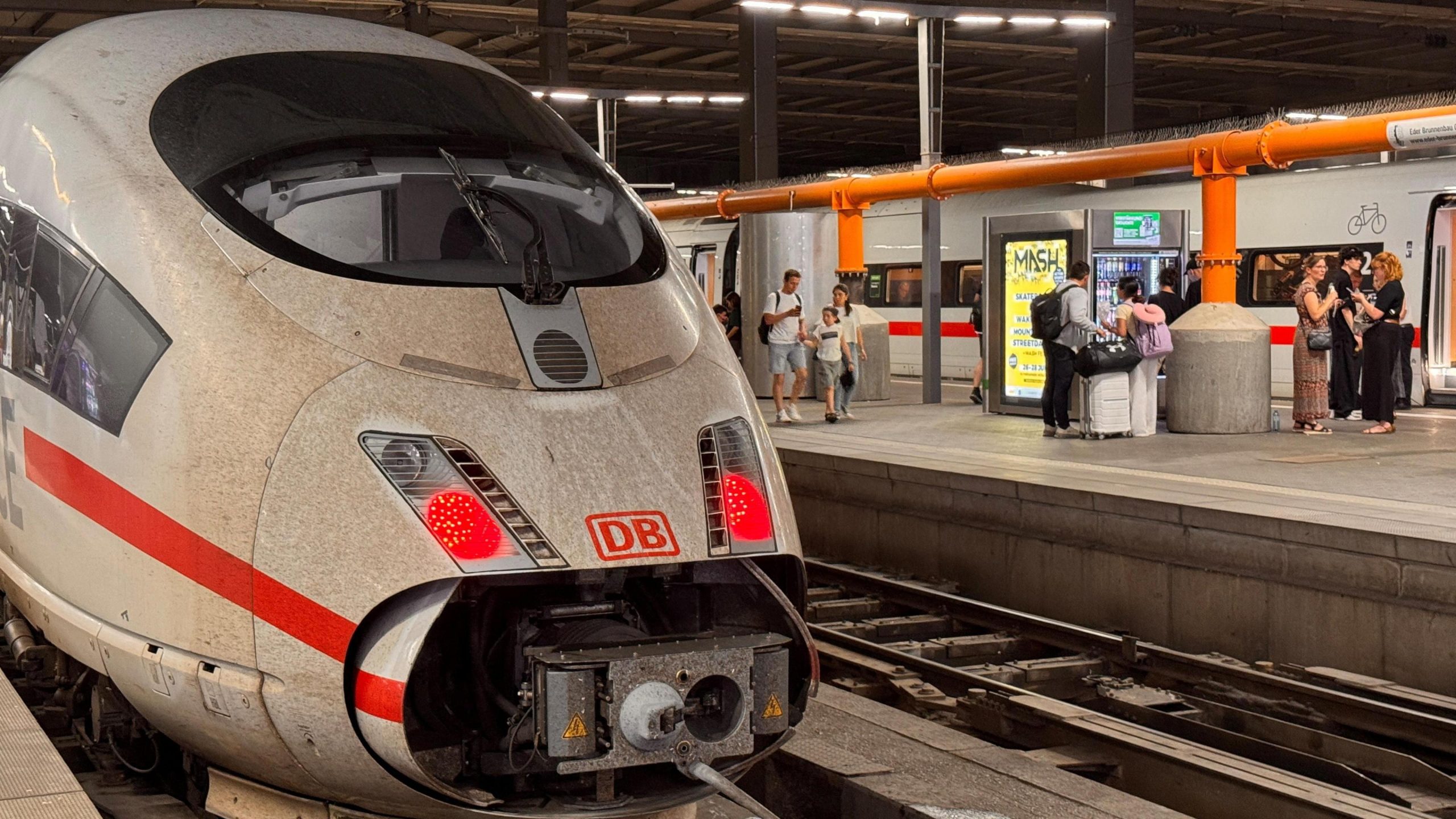
Germany’s Rail Network Faces Nationwide Halt Due to IT System Failure
Constantvpn.com – On Tuesday evening, Deutsche Bahn, Germany’s national railway operator, experienced a significant disruption in its operations when a malfunction in the country’s digital railway communication system led to a temporary shutdown of train services across the nation. The incident, which affected both long-distance and regional routes, left passengers stranded at stations and forced the company to issue urgent advisories. The issue stemmed from a breakdown in the Global System for Mobile Communication for Railways (GSM-R), a critical wireless network used to coordinate train movements and facilitate communication between drivers and control centers.
Communication Breakdown Causes Widespread Chaos
The GSM-R system, central to the disruption, experienced a nationwide failure at 22:30 local time, prompting Deutsche Bahn to halt all train services. At that point, trains were stopped at stations, with passengers left waiting on platforms for over two-and-a-half hours. The company described the situation as “a complete standstill,” emphasizing the scale of the impact. This system is essential for real-time updates, signaling, and scheduling, so its failure created a ripple effect across the entire network, causing delays and cancellations.
“Our IT experts worked tirelessly to resolve the issue – successfully. The disruption was quickly fixed, and service is now gradually resuming,” said Deutsche Bahn.
The delay forced the company to apologize to affected travelers and reassure them that measures were being taken to mitigate the effects. In a follow-up statement, Deutsche Bahn clarified that the cause of the malfunction had been identified and that technicians were actively working to restore full functionality. However, the exact duration of the disruption and the number of passengers impacted were not disclosed at the time.
Passengers Stranded Amid Communication Crisis
At the main station in Bremen, passengers queued patiently as the situation unfolded, highlighting the immediate impact on daily commutes and travel plans. The chaos was not limited to long-distance services; regional and suburban trains, including the S-Bahn network, also came to a halt. This affected thousands of commuters reliant on these services for daily travel. Deutsche Bahn’s CEO, Evelyn Palla, spoke to the German newspaper *Bild* earlier, stating that the priority was to “get the trains into stations so that travellers can disembark.” According to *Deutsche Welle*, the company’s international broadcaster, this statement underscored the urgency of the situation.
“We are now trying to get the trains into stations so that travellers can disembark,” Palla remarked.
The disruption also raised concerns about the reliability of Germany’s digital infrastructure. With the GSM-R system being a cornerstone of modern rail operations, its failure exposed vulnerabilities in the country’s transportation network. The system’s role in managing train schedules and ensuring safe travel meant that even a brief malfunction could lead to extensive delays. This incident, however, was not just a technical issue—it also disrupted the rhythm of daily life for many Germans, who rely heavily on public transport.
Replacement Measures and Compensation Offered
In response to the crisis, Deutsche Bahn announced plans to provide taxi and hotel vouchers to passengers who faced inconveniences. The company also pledged to offer alternative transportation options where feasible, aiming to reduce the strain on travelers. These measures were part of an effort to restore trust and address the fallout from the system failure. Despite these steps, the initial statements from the company were cautious, with no firm timeline for full recovery.
Meanwhile, the S-Bahn Berlin, which operates suburban rail services in the capital, released a separate statement confirming that the GSM-R issue had been resolved. However, it warned that “delays and train cancellations on lines” could still be expected, as the network worked to stabilize fully. This highlighted the complexity of the situation, with different rail operators managing their own segments of the broader system.
Extending the Impact: Heat and Travel Advisories
Amid the technical difficulties, rail users were advised to avoid traveling during extreme heat conditions, which were already affecting infrastructure and operations. The combination of high temperatures and the GSM-R malfunction amplified the challenges for both passengers and staff, with some trains struggling to maintain optimal performance. The situation underscored the need for resilience in critical systems, especially during periods of environmental stress.
Deutsche Bahn’s spokesperson emphasized that the disruption was “now resolved,” but the event served as a reminder of the system’s dependence on reliable technology. The incident sparked discussions about the importance of investing in backup systems and redundancy protocols to prevent similar occurrences in the future. With the rail network being a vital component of Germany’s economy and daily life, such disruptions have far-reaching consequences, from economic losses to public frustration.
As the country grapples with the aftermath of the outage, Deutsche Bahn has faced calls to improve its communication strategies. Passengers expressed disappointment at the lack of detailed information during the crisis, with some criticizing the initial delay in announcing the cause of the malfunction. The company acknowledged these concerns, vowing to enhance transparency in future incidents.
Broader Implications for Railway Systems
The nationwide halt in train services demonstrated how interconnected modern transportation systems can be. A single point of failure in the GSM-R network cascaded through the entire rail network, affecting both urban and intercity routes. This incident also raised questions about the balance between technological advancement and the need for robust contingency planning. While digital systems offer efficiency and precision, their reliance on a single network can leave operators vulnerable to large-scale disruptions.
Deutsche Bahn’s ability to quickly address the issue was praised by some, but the incident highlighted the fragility of the system. The company’s commitment to resolving the problem and providing compensation was seen as a positive step, though passengers and experts alike stressed the importance of proactive measures to prevent such setbacks. The event also served as a case study for other countries with similar rail networks, emphasizing the need for continuous monitoring and maintenance of critical infrastructure.
As services gradually return to normal, the focus shifts to lessons learned from the incident. Deutsche Bahn has pledged to review its IT systems and implement improvements to ensure future reliability. For now, the disruption serves as a stark reminder of the challenges faced by even the most advanced transportation networks. While the immediate crisis has been averted, the long-term impact on public perception and operational preparedness remains a topic of ongoing discussion.