A Stag’s Attack in Richmond Park Reignites a Long-Standing Debate Over London’s Wild Deer
Constantvpn.com – A picnic in one of London’s most iconic green spaces turned dangerous on Saturday when a stag charged toward a group of visitors in Richmond Park, leaving a man in his 60s with chest injuries. The animal was later put down by a Royal Parks wildlife officer after officials judged it posed an ongoing threat to the public. The incident has once again drawn sharp attention to a rule that has been in place for decades: do not feed the deer.
Richmond Park and its neighbouring Bushy Park, both situated in south-west London, are home to roughly 630 wild red and fallow deer that roam freely across vast stretches of woodland and open grassland. These animals were first brought to the park by King Charles I in 1637, making them one of the oldest continuously managed wild deer populations in the country. Their presence against the backdrop of the capital’s skyline has made them a favourite subject for photographers and a source of quiet wonder for generations of walkers. Yet their wildness remains a fact that many visitors seem to overlook.
Why Feeding Changes Everything
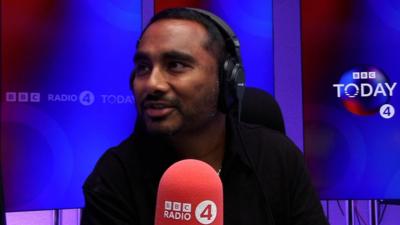
Paul Richards, the park manager at Richmond Park, explained that the stag’s aggressive approach was almost certainly a direct consequence of having been fed by visitors on previous occasions. Speaking on BBC Radio 4’s Today programme, he made the causal link explicit:
“It is only because people had fed this particular animal that its behaviour had changed.”
Once a wild deer begins to associate human presence with an easy meal, its natural wariness erodes. The animal starts approaching groups, lingering near paths, and eventually testing boundaries that would normally keep it at a respectful distance. Richards stressed that this behavioural shift is not natural and carries genuine physical risk to people.
“Don’t feed them, they don’t need feeding. Some people think they’re doing a good deed. In fact you’re not, you’re doing quite the opposite.”
Beyond the danger of a close encounter, feeding introduces secondary hazards. Deer that grow accustomed to human handouts are more likely to pick up discarded plastic wrappers, bottle caps, and other small objects. Ingested plastic can block the stomach and lead to malnutrition, shortening the animal’s life and degrading its health.
The Deer Do Not Need Supplementary Food
A common misconception, particularly in late summer and early autumn when the landscape turns brown, is that the deer are hungry and require human help. Richards pushed back firmly on this assumption. Red and fallow deer in the parks graze on grasses, tree leaves and shoots, acorns, sweet chestnuts, and horse chestnuts. At the time of his remarks, bramble was still providing browse, and sweet chestnuts were days away from beginning their autumn drop.
“There’s plenty of things for them to eat. They’re grazing on bramble, we’re already seeing a bit of an early autumn, and it won’t be long before sweet chestnuts are beginning to fall, so there is plenty of food for them.”
Visitors are specifically asked not to gather conkers — the large horse chestnuts that carpet the paths in autumn — because these nuts form a critical component of the deer’s winter fat reserves. Removing them strips the animals of a natural, high-calorie food source precisely when they need it most.
Size, Speed, and Sudden Aggression
The physical reality of these animals is easy to underestimate from a distance. A mature stag can exceed 25 stone (159 kg) and sprint at up to 30 mph (48 km/h). While they often appear placid as they graze in the open, they can react suddenly and aggressively if they perceive a threat. Closing in on them causes stress and, in Richards’s words, risks a “fatal incident.”
Last month, video footage circulated showing families with young children attempting to stroke deer in Richmond Park. Richards described his team’s reaction as being “shocked and extremely concerned,” labelling the behaviour “deeply irresponsible and highly dangerous.” The contrast with places like Nara in Japan, where deer are habituated to regular human feeding and approach visitors as a matter of course, could not be starker. London’s deer are wild, not domesticated, and should be treated accordingly.
Practical Guidance for Visitors
The Royal Parks authority sets out a clear set of expectations for anyone walking through Richmond or Bushy Park:
Keep at least 50 metres (165 feet) between yourself and any deer. If an animal moves toward you, place all food and packaging out of sight and retreat slowly and calmly. Do not run, do not make sudden movements, and do not attempt to touch or photograph the animal at close range. For photography, use the zoom function on your phone or camera rather than closing the distance.
“Enjoy the deer, respect the deer, keep a safe distance from the deer,” Richards urged. “The deer here are wild, they have been here for centuries. If you want to photograph them, photograph them using the zoom function on your phone or camera.”
The feeding ban is not a new regulation; it has been communicated to visitors for decades. What the Saturday incident underscores is that the rule exists not as a bureaucratic formality but as a genuine safety measure. A deer that has learned to expect food from humans is a deer that will close the gap between itself and a person — and at 159 kilograms and 30 mph, that gap closes very quickly.
Related Reading
Frequently Asked Questions
What is Why is feeding deer in the Royal?
Why is feeding deer in the Royal is the main topic of this guide. The article explains the context, practical details, and next steps readers should understand.
Why does Why is feeding deer in the Royal matter?
Why is feeding deer in the Royal matters because readers are looking for a useful answer, not just a short summary. Good content should match search intent and help them decide what to do next.