
Author: John Williams – constantvpn.com

  • Inside secret police warehouse as Germany targets small boats gangs

    Inside secret police warehouse as Germany targets small boats gangs

    Behind Locked Doors: The Warehouse Where Germany’s Small-Boat Smuggling War Was Won

    Constantvpn.com – In a nondisclosed police storage facility in western Germany, thousands of bright-orange life jackets sit bundled in plastic wrap, stacked beside rows of deflated rubber dinghies folded into cardboard boxes. The scene reads less like a crime scene and more like a frozen snapshot of an entire smuggling operation caught mid-breath. German authorities seized the stash during a coordinated raid in the North Rhine-Westphalia region, an operation that brought together investigators from France, Germany, and the United Kingdom. What makes this particular warehouse significant is not merely its contents but the legal instrument that made the seizure possible: a newly enacted German statute that, for the first time, criminalises the act of facilitating migrant smuggling toward Britain.

    The Scale of the Seizure

    The haul totals more than 9,000 life jackets, dozens of inflatable dinghies measuring roughly nine metres (29 feet) in length, boat engines, and 360 water pumps. The UK’s National Crime Agency, which first disclosed the raids in June, calculated that the equipment collectively could have ferried over 2,000 people across the English Channel in a single deployment cycle — roughly 65 passengers per dinghy. That figure sits below the capacity of the so-called “mega dinghies” spotted on Channel beaches later in the summer, yet it aligns with recent averages and the broader upward trend in passenger counts per crossing.

    The life jackets themselves raise questions about quality. Their orange shells contain little more than thin poly-foam padding, a filling wholly unsuited to the cold, unpredictable waters of the Channel. Tags bearing Chinese characters are visible on many units, consistent with the well-documented supply chain in which most small-boat equipment is manufactured in China, shipped through Turkey, and then moved into the European Union.

    A Legal Gap Closed

    For years, German anti-smuggling statutes applied only to destinations within the European Union’s area of free movement. After Brexit removed Britain from that zone, a legal blind spot opened: organising crossings from German soil to a non-EU destination fell outside the scope of existing provisions. Raids had occurred before, but they typically relied on French or Belgian warrants rather than domestic German authority.

    In 2024, Berlin moved to close that gap. As part of a bilateral framework agreed between Germany and the United Kingdom, Interior Ministry officials announced tightened legislation designed to make prosecution of small-boat facilitators straightforward. The ministry confirmed that the North Rhine-Westphalia operation represented the first enforcement action taken under the amended statute, though it did not specify whether the law had since been invoked again. Local prosecutors caution that the provision remains largely untested in court.

    “The legal situation is essentially as it was before Brexit,” notes Bernhard Schmeilzl, a lawyer specialising in UK-German cross-border law. “However, I believe it will make a difference, even if stretched German law enforcement agencies may be more limited in what they can do.”

    The Supply Chain: From Chinese Factories to Channel Beaches

    Western Germany has become a logistical staging ground for gangs organising crossings out of northern France. The geography suits the operation: the region sits close enough to the heavily patrolled French coastline to allow rapid overnight transport of boats, yet far enough inland to keep equipment out of immediate sight. Investigators believe Kurdish criminal networks exercise a particularly controlling grip over the small-boat trade in this part of the country. One German official observed that gangs operate from German territory in part because many of their members already reside there.

    The route by which equipment reaches those warehouses is itself a story. Much of the rubber, foam, and hardware is produced in Chinese factories, then routed through Turkish ports or overland corridors. A well-known entry point into the EU is the Bulgarian land border. Customs officials recently uncovered 20 undeclared inflatable dinghies concealed between mattress pads in a truck crossing from Turkey into Bulgaria; the driver had been bound for Germany.

    Adaptation, Not Abandonment

    Researchers at Oxford’s Migration Observatory suggest that the emergence of larger, higher-capacity dinghies this summer is a direct response to intensified enforcement. When supply lines are disrupted, smugglers tend to adapt their methods rather than abandon the enterprise altogether. There is, in the observatory’s assessment, an “additional incentive for smugglers to fit as many people as possible into available boats” when the window of opportunity narrows.

    The warehouse in question has been maintained much as investigators found it — dinghies still deflated, jackets still wrapped, pumps still boxed. It stands as a physical archive of an operation that, under the old legal framework, might have continued undisturbed for months. Under the new statute, the next shipment of rubber and foam heading westward from a Turkish border crossing now carries with it the quiet threat of a German warrant.

    Frequently Asked Questions

    What is Inside secret police warehouse as Germany?

    Inside secret police warehouse as Germany is the main topic of this guide. The article explains the context, practical details, and next steps readers should understand.

    Why does Inside secret police warehouse as Germany matter?

    Inside secret police warehouse as Germany matters because readers are looking for a useful answer, not just a short summary. Good content should match search intent and help them decide what to do next.


  • One dead and hundreds ill in UK salmonella outbreak

    One dead and hundreds ill in UK salmonella outbreak

    UK Salmonella Outbreak Linked to Imported Eggs Claims One Life as Hundreds Fall Ill

    Constantvpn.com – A single death and more than two hundred confirmed infections have emerged from what UK public-health authorities are treating as a coordinated salmonella outbreak tied to eggs brought in from abroad. The UK Health Security Agency (UKHSA) has opened a formal investigation into the 207 laboratory-confirmed cases logged over the past year, though the vast majority surfaced only in recent weeks, suggesting the contamination window may still be closing.

    Scale and Severity of the Outbreak

    The affected population spans an extraordinary age range — from infants to a 90-year-old — and more than a third required hospital admission. Two patients progressed to severe bacteraemia, a life-threatening complication in which the bacterium invades the bloodstream. One of those patients did not survive. For most sufferers, however, the infection resolves on its own within a few days without antibiotic intervention.

    Geographically, the outbreak is heavily concentrated in England, which accounts for 199 of the 207 cases. London alone contributes 47, while Yorkshire and Humber records 38. Scotland has six confirmed infections, with single cases each in Wales and Northern Ireland.

    How the Infection Spreads

    Salmonella bacteria inhabit a wide range of food vehicles, including raw or undercooked poultry, other meats, and eggs. In this particular outbreak, investigators have isolated one specific, genetically identical strain across the affected individuals — a pattern that distinguishes a true outbreak from the background noise of sporadic salmonella infections that occur throughout the year. Thousands of unrelated salmonella cases are recorded annually in the UK from dozens of different strains, but a single-variant cluster of this size is comparatively rare and points to a common source.

    Typical symptoms include abdominal cramping, watery diarrhoea, vomiting, and fever, usually appearing between 12 and 72 hours after ingestion of contaminated food. The UKHSA advises anyone experiencing these symptoms to contact their general practitioner or, outside normal hours, the NHS 111 service.

    Tracing the Source

    Epidemiological analysis so far indicates that most people became ill after dining at restaurants or other catering establishments rather than after preparing meals at home. A subset of food businesses connected to 24 of the confirmed cases has been identified as using imported eggs in its operations. At present, no link has been established to eggs or poultry produced domestically within the UK.

    “We’re working with Food Standards Agency and other public health agencies to investigate a salmonella outbreak that may be linked to eggs imported from outside of the UK.” — Hannah Charles, lead epidemiologist for gastrointestinal infections, UKHSA

    The UKHSA describes its ongoing epidemiological and food-chain tracing as “extensive,” and notes that additional cases may yet be identified, including individuals who felt unwell but never sought medical attention. The agency states that egg consumption remains the strongest candidate source to date and that further precautionary measures will be deployed if the evidence warrants them. The overall risk to the general public is assessed as low.

    Food-Safety Guidance for Consumers

    The Food Standards Agency (FSA) has issued practical advice aimed at reducing residual risk while the investigation continues. Thoroughly cooking eggs until both white and yolk are firm, and maintaining strict hand-hygiene after handling shells or packaging, are the two most effective personal precautions.

    “Infants, young children, pregnant people and older adults should only eat runny or raw eggs if they have a British Lion mark or are produced under the Laid in Britain egg assurance scheme.” — Jacquelyn McCormick, Head of Incidents, Food Standards Agency

    Mccormick emphasised that eggs cooked thoroughly and handled with basic hygiene should not pose a food-safety threat to the wider population. She also urged anyone who handles raw eggs, cracked shells, or egg cartons to wash hands thoroughly with soap and running water before touching other food or surfaces.

    Dr Kathleen O’Reilly, a consultant at the London School of Hygiene and Tropical Medicine, added that diners can make informed choices by checking the food-hygiene rating displayed at the entrance of any catering outlet before ordering.

    Industry Context and Import Concerns

    The UK poultry sector operates under mandatory salmonella vaccination programmes for laying hens, a requirement that has kept domestic egg-borne salmonella rates comparatively low. Nick Allen, chief executive of the British Egg Industry Council, pointed out that despite this domestic safeguard, “increasing volumes of imports” produced under “less stringent regulations” continue to enter the British supply chain, creating a vulnerability that domestic controls alone cannot close.

    For readers unfamiliar with the regulatory landscape: eggs sold in the UK must carry a country-of-origin code on the shell. Products bearing the British Lion mark have been laid, collected, and processed within Britain under the Laid in Britain assurance scheme, which includes additional salmonella-testing requirements. Imported eggs, while still subject to UK border checks, originate from production systems that may not impose the same vaccination or testing mandates.

    As the investigation proceeds, public-health officials expect to narrow the supply chain further. Until then, the message to consumers is straightforward: cook eggs well, wash your hands, and if symptoms appear within three days of eating out, seek medical advice promptly.

    Frequently Asked Questions

    What is One dead and hundreds ill in UK?

    One dead and hundreds ill in UK is the main topic of this guide. The article explains the context, practical details, and next steps readers should understand.

    Why does One dead and hundreds ill in UK matter?

    One dead and hundreds ill in UK matters because readers are looking for a useful answer, not just a short summary. Good content should match search intent and help them decide what to do next.

  • Emotional farewell to ‘global, iconic superstar’ Bonnie Tyler

    Emotional farewell to ‘global, iconic superstar’ Bonnie Tyler

    Swansons and Skewen: A City Says Goodbye to the Voice That Defined a Generation

    Constantvpn.com – On a July morning in 2025, the streets of Swansea filled with thousands of well-wishers who had gathered to watch a hearse carry the remains of one of pop music’s most enduring voices. Bonnie Tyler — born Gaynor Hopkins in the small Welsh village of Skewen — had died unexpectedly on 8 July at the age of 75, and her home city turned out in force to bid her a final farewell. Fans who could not enter the church were handed printed orders of service and followed the proceedings on a large screen set up in St David’s Square or via a live online stream.

    A Celebration of Life Before a Private Committal

    The public ceremony took place at Swansea Minster, where entry was restricted to family, close friends, and invited guests. As the coffin made its way into the nave, the congregation and those watching outside erupted in cheers. Many in the crowd shouted “thank you Bonnie” as the casket was carried in to the melody of her 1988 single “If I Sing You a Love Song.” After the service concluded, the cortege departed for Skewen, in the Neath Port Talbot area, where a private family funeral would follow. Fans lining the route cried out “we love you Bonnie” as the procession wound its way out of the city centre.

    The Man Who Found Her

    Roger Bell, the talent scout who first spotted the young singer decades ago, addressed mourners at the Minster service. He recalled the outpouring of sympathy that had followed the news of her death — tributes and floral arrangements from the Houses of Parliament, the Prince and Princess of Wales, the Portuguese government, and fellow musicians including Sir Cliff Richard, Sir Rod Stewart, and Suzi Quatro, alongside countless individual fans.

    “But in Swansea, she was loved by Robert and the family as Gaynor and auntie Gaynor,” Bell told the congregation. “There was a warmth and sincerity about her that shone through, and she never said no to having a photo taken or giving an autograph to anyone who asked.”

    Bell described Tyler as a “global iconic superstar” who remained fiercely attached to her Welsh roots despite years spent living in Portugal. He said she was “a fantastic ambassador for Swansea and Wales and told everyone how wonderful it was,” adding that she was “one of a kind” and “loved by millions worldwide.”

    Her longtime manager Matthew Davis offered a complementary portrait, emphasising the singer’s grounded nature. He characterised her as “always a star but never a diva,” a distinction that resonated with fans who remembered her approachable, unpretentious manner at public appearances.

    The Voice Behind the Hits

    Tyler’s husky, gravel-tinged vocal became one of the most instantly recognisable sounds in popular music during the 1980s. Her breakthrough single “Total Eclipse of the Heart” rocketed to the top of charts in both the United Kingdom and the United States. The parent album, Faster Than the Speed of Night, also claimed the number-one position in the UK — her sole chart-topping LP. Subsequent releases such as “Holding Out for a Hero,” “It’s a Heartache,” and “If You Were a Woman (And I Was a Man)” cemented her status as a global chart regular throughout the decade and beyond.

    A Coffin Carved with Music

    The family commissioned a casket that mirrored the singer’s lifelong devotion to performance. Each side bore an engraved microphone and treble clef. At the head of the coffin sat a cross — a piece of jewellery designed for her by jeweller Spencer Morgan — while the foot displayed a pair of wings embroidered on one of her stage jackets. White roses and lilies draped the casket itself, and a large floral arrangement spelling out the name “Bonnie” was positioned beside it.

    From a Council House in Skewen to the World Stage

    Reverend Canon Justin Davies delivered a eulogy written by Tyler’s family. It traced her origins to a four-bedroom council house in Skewen, where she grew up alongside her parents, Elsie and Glyndŵr Hopkins, and her siblings.

    “A star was born to Elsie and Glyndŵr Hopkins and the best was yet to come, they just didn’t know it,” Davies read from the text.

    The service closed with a song that carried deep personal resonance for the singer: Mary Hopkin’s 1969 number “Those Were the Days.” Tyler had requested the track be played at her own funeral. The connection ran deeper than mere musical taste. Both women grew up in close proximity in south Wales, and Tyler later explained that she adopted her stage name partly to avoid public confusion with the already-famous Hopkin as her own career took off. Early in her career, the young Gaynor Hopkins had performed “Those Were the Days” at a singing competition held at a local rugby club, finishing second and collecting a prize of one pound.

    A Community’s Grief and Pride

    Outside the Minster, floral tributes continued to accumulate, including one referencing the lyrics of “Total Eclipse of the Heart” and another sent by Tyler’s sister and extended family. Among those who turned out in Skewen for the private committal was 76-year-old resident Hilary Burgum, who joined neighbours lining the village streets to watch the cortege pass. For many in the community, the day was as much a celebration of local identity as a mourning: a girl from a modest council house who became, in Bell’s words, a “fantastic ambassador” for the place that raised her, and who never stopped telling the world how wonderful it was.

    Frequently Asked Questions

    What is Emotional farewell to global iconic superstar?

    Emotional farewell to global iconic superstar is the main topic of this guide. The article explains the context, practical details, and next steps readers should understand.

    Why does Emotional farewell to global iconic superstar matter?

    Emotional farewell to global iconic superstar matters because readers are looking for a useful answer, not just a short summary. Good content should match search intent and help them decide what to do next.

  • Tributes to actress Hayden Panettiere as coroner finds ‘no signs of trauma’

    Tributes to actress Hayden Panettiere as coroner finds ‘no signs of trauma’

    Actress Hayden Panettiere, Found Dead at 36, Draws Outpouring of Tributes From Hollywood

    Constantvpn.com – The entertainment world is reeling after the sudden death of Hayden Panettiere, the actress best known for her roles in the television dramas Heroes and Nashville. She was 36. Her passing, confirmed in Greenville, South Carolina, on a Sunday afternoon, has prompted an immediate wave of grief from colleagues, friends, and fans who remember her first as a precocious child performer and later as a leading woman on screen.

    What Authorities Have Confirmed So Far

    Greenville Police Department officers responded to a report of an unresponsive woman at 13:51 local time (18:51 BST) on Sunday. An acquaintance of Panettiere had placed the 911 call. Upon arrival, first responders administered medical assistance, but the woman — later identified as Panettiere — was pronounced dead at the scene.

    The Greenville County Coroner’s Office stated that emergency personnel treated “a female in cardiac arrest” and that “advanced cardiac life support measures” were initiated. Resuscitation efforts proved unsuccessful, and the individual was declared deceased at 2:32 PM. A subsequent autopsy revealed “no signs of trauma,” though the coroner’s office emphasized that a definitive cause of death had not yet been confirmed.

    Police stressed that the preliminary investigation “has not indicated any signs of foul play or suspicious circumstances,” a finding that, while offering some measure of clarity, leaves families and fans awaiting further medical explanation.

    A Father’s Farewell

    It was Panettiere’s father, Skip Panettiere, who broke the news to the public. In a brief family statement, he wrote:

    “It is with profound sadness that we share the tragic passing of our beloved Hayden. She was an incredible light and a force of nature who brought immeasurable love and joy to all who knew her and to the millions who watched her onscreen.”

    He asked the public to respect the family’s privacy “as our family takes time to process this unimaginable loss.” The statement also acknowledged the existence of her daughter, a detail that has deepened the sense of loss among those who followed her career.

    A Career Spanning Three Decades

    Panettiere entered the screen world as a child, appearing in films such as Remember the Titans and Raising Helen before transitioning into adult roles. Her breakout television work came as Claire Bennet, a cheerleader who discovers she possesses superhuman abilities, in the NBC series Heroes around 2006. She later starred as Juliette Barnes, an aspiring country singer navigating the Nashville music scene, in the long-running drama Nashville. Her range extended further into the horror genre with a role in Scream, underscoring a versatility that few child stars manage to sustain into adulthood.

    Her career trajectory — from child performer to leading lady across drama, comedy, and horror — made her a figure who straddled multiple generations of viewers. That breadth is part of why the news of her death struck so broadly across the industry.

    Colleagues Remember

    Bryan Fuller, the writer and producer who crafted Panettiere’s character arc during the first season of Heroes, recalled her in terms that went beyond standard professional praise:

    “More than an actress, she was a muse. Wise beyond her years and already saddled with so much of a life, she left an indelible mark on me as a writer and a storyteller. Incredibly sad news.”

    Oscar winner Viola Davis, who shared the screen with Panettiere in the 2016 courtroom drama Custody, posted a tribute on Instagram. Davis, whose husband Julius Tennon also appeared in that film, wrote:

    “What an amazing talent you were… so gifted. Julius and I loved working with you… an old, wise soul with such a deep heart. I wish the world had more time with you because I had a burning curiosity about who you were becoming.”

    Bethany Joy-Lenz, the One Tree Hill actress who had known Panettiere since the latter was a child working at Screen Gem studios, shared photographs of the two of them together and wrote a long, intimate remembrance:

    “I knew the wild little blonde. Was she nine? Ten? I was eighteen. She ran through the Screen Gem studio hallways at 222 E44th St. laughing and playing games in between blocking and camera rehearsals. Long, unruly curls trailing behind her. She knew her lines and everyone else’s. Her intelligence was astonishing. She understood scenes and nuance and human struggle like no child I’d ever seen on camera. And she’d sit with you for a great conversation, then giggle and go play.”

    Joy-Lenz added: “It’s too young and there’s still so much more life. And her daughter…. Hayden, you are surrounded by love. I’m sorry for every moment I didn’t reach out or check in. This can’t be real.”

    Selma Blair, known for Cruel Intentions, posted a brief but raw message on social media: “I love you. Don’t be gone. Please.” Singer Jojo called the news “devastating,” writing on her Instagram story, “I am so sorry to hear of her passing. Oh My God.”

    Industry Response

    Sag-Aftra, the actors’ union of which Panettiere was a longstanding member, issued a statement saying “our hearts are with her daughter, family, friends & fans.” The union’s brief note underscored how deeply embedded she was in the working lives of performers across the country.

    As the coroner’s office continues its work toward a confirmed cause of death, the entertainment community is left processing a loss that arrived without warning. Panettiere’s career, which began in the late 1990s and carried her through more than two decades of film and television, represented one of the more successful navigations from child stardom to adult artistry — a path that, for many young performers, proves far more difficult than audiences realize. Her early memoir, which offered readers an unflinching look at growing up under studio lights, had already signaled a mind that processed her experience with unusual clarity and compassion. That same intelligence, colleagues say, is what made her scenes resonate long after the credits rolled.

    Frequently Asked Questions

    What is Tributes to actress Hayden Panettiere as coroner?

    Tributes to actress Hayden Panettiere as coroner is the main topic of this guide. The article explains the context, practical details, and next steps readers should understand.

    Why does Tributes to actress Hayden Panettiere as coroner matter?

    Tributes to actress Hayden Panettiere as coroner matters because readers are looking for a useful answer, not just a short summary. Good content should match search intent and help them decide what to do next.

  • ‘Water cheek’ and ‘Queen Amy’s gold rush’

    ‘Water cheek’ and ‘Queen Amy’s gold rush’

    UK Press Roundup: Drought Pricing, Olympic Gold, and a Nation Under Pressure

    Constantvpn.com – Monday’s British broadsheets and tabloids converged on a single, urgent theme: the country’s water supply is running dangerously thin, and the government is preparing to let utilities charge more when rainfall fails. The Metro opened with the blunt accusation “Water cheek!” above a report that campaigners have launched a fresh campaign against the move, arguing that drought conditions should not become a licence for price hikes. The Daily Star mirrored the headline almost word-for-word, pairing it with a photograph of the cracked, sun-scorched turf at Ascot racecourse — a visual shorthand for how severe the dry spell has become across southern England.

    Government officials defended the proposal, insisting the mechanism would

    “make bills fairer and more affordable while encouraging greater water efficiency.”

    The logic, as presented in Whitehall, is that variable pricing during scarcity periods gives consumers a direct financial incentive to cut consumption, while protecting the revenue base of water companies that must maintain ageing infrastructure through dry spells. Critics, however, see a scheme that punishes households precisely when they are most vulnerable — when taps run low and garden hoses are already banned.

    Worst-Case Bans on the Horizon

    The Times went further, reporting that officials have drafted what it described as a “reasonable worst-case scenario” under which widespread restrictions would fall on commercial car washes, private swimming pools, and other non-essential water users. The scenario, the paper noted, would also impose limits on businesses if low rainfall persists beyond the current season. For readers in the South East, where hosepipe bans have already been in force for weeks, the prospect of a formalised, multi-week ban regime carries real practical weight: landscaping firms, agricultural contractors, and hospitality operators would all face compliance deadlines.

    Amy Hunt’s Unprecedented Fourth Gold

    On the sports pages, Team GB’s Amy Hunt dominated the top picture slots across multiple titles after claiming a fourth gold medal at the European Championships — a tally described as unprecedented for a British athlete at that level of competition. The Daily Mail devoted its lead image to what it called “golden girl” Amy Hunt’s record-breaking win, while the broader narrative across the papers framed the achievement as a culmination of a medal run that has made her one of the most decorated British competitors of the current Olympic cycle. Hunt’s consistency across events has drawn comparisons to earlier multi-medal British champions, though the sheer volume of golds in a single European Championships programme marks a statistical first.

    Secret Drone Bases and the NATO Question

    The Daily Telegraph carried a defence report alleging that Russia has installed covert bases capable of launching high-powered drones deep into NATO territory. According to the paper, several Kremlin-controlled sites now feature newly constructed launch pads designed for advanced long-range drone systems. The report was careful to note, however, that no intelligence indicated Russia was planning an outright attack on the alliance — the concern, as framed, was one of capability and deterrence rather than imminent aggression. The story lands amid an already tense period of NATO enlargement and Eastern European force-posturing, giving readers a concrete illustration of how drone warfare is reshaping the calculus of territorial defence.

    Housing Fast-Track and the Commuter Belt

    The i Paper reported that new residential developments sited near railway stations are set to receive accelerated planning approval, a move the government frames as a major expansion of commuter towns and villages. Housing Secretary Angela Rayner defended the policy, stating it would

    “tackle the housing crisis and raise living standards in every corner of the country.”

    The fast-tracking mechanism shortens the time between planning application and construction commencement, aiming to put thousands of units into the pipeline within two years. For buyers priced out of London and the South East, the promise is additional supply within commuting distance; for local councils, the concern is infrastructure strain on roads, schools, and GP surgeries that were never sized for the projected population uplift.

    Alzheimer’s Research Enters a “Golden Era”

    The Daily Express carried a feature from the Alzheimer’s Society arguing that research into the disease is entering what the charity called “a golden era.” The group pointed to pioneering treatments and diagnostic tests it described as

    “unimaginable just a decade ago”

    now being brought within clinical reach. The Society urged that people living with dementia be actively supported to participate in ongoing trials, arguing that inclusion of affected patients in research design would accelerate both therapeutic and diagnostic breakthroughs. The message is aimed at families and carers who may assume that meaningful intervention is still decades away.

    Youth Employment and the “Turbocharge” Call

    The Guardian reported that Alan Milburn — former health secretary and now a senior adviser leading a government review of young people and work — has called for internships designed to place young people with special needs into employment to be put on “turbocharge.” Milburn argued that existing support structures are insufficient to combat joblessness among young people with learning disabilities, autism, or mental illness, and that the scale of the problem demands a step-change in funding and employer engagement rather than incremental reform.

    Sex Offender Identity Loophole Under Scrutiny

    The Daily Mail reported that ministers face mounting pressure to close a legal gap that permits paedophiles and other registered sex offenders to change their legal identity, effectively resetting the public record. Campaigners argue the loophole undermines the transparency that the sex-offender register was designed to provide, and that victims’ families deserve assurance that a name change cannot erase a conviction history.

    Bank Tax Warning Ahead of Budget

    The Financial Times reported that the chief executive of JP Morgan Chase has warned Chancellor John Healey against raising taxes on banks, arguing the measure would risk relocating jobs to lower-tax jurisdictions. The intervention comes as the financial services sector gears up for a pre-Budget lobbying campaign, with industry bodies preparing detailed costings to present to Treasury officials in the weeks before the autumn statement.

    Justice Questioned: Henry Nowak Case

    The Sun opened with the question “Call this justice?” above a report that the convicted killer of Henry Nowak will be permitted prison-to-prison video calls with his mother. The story reignited public debate over the conditions of long sentences and the optics of family contact for those serving life terms for murder.

    Dog Attack Death Near Wakefield

    The Daily Mirror reported that a man has been arrested on suspicion of murder after another man died following a dog attack on an isolated footpath near Wakefield, West Yorkshire. Police confirmed the arrest was made under suspicion of murder rather than manslaughter, signalling that investigators believe the circumstances of the incident go beyond an uncontrolled animal.

    Frequently Asked Questions

    What is Water cheek and Queen Amy s gold?

    Water cheek and Queen Amy s gold is the main topic of this guide. The article explains the context, practical details, and next steps readers should understand.

    Why does Water cheek and Queen Amy s gold matter?

    Water cheek and Queen Amy s gold matters because readers are looking for a useful answer, not just a short summary. Good content should match search intent and help them decide what to do next.
  • Changing pubs into homes to be made harder under new rules

    Changing pubs into homes to be made harder under new rules

    England’s Planning Overhaul Raises the Bar for Converting Pubs into Housing

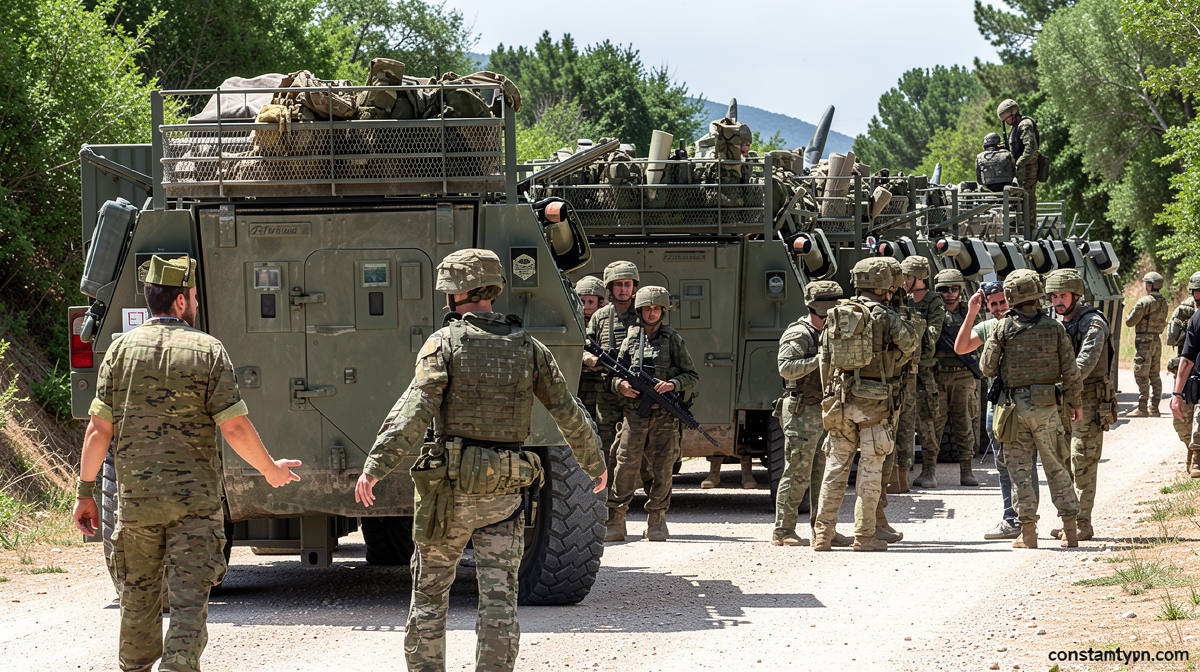
    Constantvpn.com – England’s pub landscape has been shrinking at a pace of nearly two closures per day throughout 2026, and the government is now moving to slow that erosion from the planning side. A revised edition of the National Planning Policy Framework (NPPF), taking effect on Monday, introduces tougher evidentiary requirements before any pub can be reclassified as residential or commercial space. The changes go considerably further than an earlier consultation round, which had offered protection only to the final remaining pub in a given locality. Under the new regime, developers must demonstrate that there is no reasonable prospect of sustaining the pub as a going concern, and they must show the premises were actively marketed for sale for a minimum of twelve months before a change-of-use application can proceed.

    Guarding Against Manufactured Closures

    A government spokesperson confirmed that local councils will be required to weigh the community impact of any proposed conversion before granting permission. The framework also closes a loophole that allowed owners to deliberately starve trade, thereby engineering a closure narrative to justify redevelopment. Pubs with a long history of successful operation receive particular protection under the revised rules, meaning a decade of steady takings cannot simply be erased by a final season of suppressed sales.

    The NPPF sits at the apex of England’s planning hierarchy, dictating how local authorities should interpret and apply development policy. Scotland, Wales, and Northern Ireland each maintain separate devolved planning statutes, so the Monday update applies exclusively to English councils.

    Industry Voices: Tax, Not Planning, Is the Real Threat

    Hospitality trade bodies have long argued that the primary driver of pub closures is fiscal pressure rather than speculative land value. The Campaign for Real Ale has warned that establishments are being

    “lost forever to conversion or demolition as developers look to cash in on the desirable locations and unique architecture of pubs and social clubs.”

    The British Beer and Pub Association and UKHospitality have mounted parallel campaigns against the closure wave, both placing the burden squarely on rising tax obligations and labour costs. Allen Simpson, chief executive of UKHospitality, framed the issue bluntly:

    “The biggest issue facing hospitality businesses is costs like VAT and business rates pushing pubs out of business in the first place. Anything that makes it harder to take these important assets away from their communities has to be welcomed, but the government should focus on continuing its strong start on fixing the harm done to hospitality over the past two years.”

    In July, the Labour administration announced a twenty-per-cent reduction in business rates for pubs, social clubs, and live-music venues across England, layered on top of rates relief measures introduced in January. Industry groups greeted that move cautiously, viewing it as a necessary but insufficient counterweight to the structural cost pressures they face.

    The Housing Ambition Behind the Planning Shift

    The same NPPF revision that tightens pub-conversion rules simultaneously accelerates housebuilding around transport infrastructure. Homes built in the vicinity of railway stations in England will now receive default approval, a mechanism designed to lift construction volumes without case-by-case negotiation. Housing Secretary Angela Rayner described the rationale:

    “By unlocking thousands of homes around well-connected transport hubs, we’re helping people live closer to work, school and the services they rely on, while backing local businesses and driving growth in our communities.”

    The update also trims the list of statutory consultees required during housing development approvals. The Gardens Trust, a charity dedicated to parks and gardens heritage, called its removal from the formal consultation process

    “devastating.”

    The organisation argued the change devalues green spaces and leaves them exposed to poorly informed development. Under the revised rules, the Gardens Trust and the Theatres Trust will still receive notification of relevant applications, and Sport England will continue to advise on significant cases, but neither body holds a veto or formal gatekeeping role.

    Political Fallout Over the Housing Target

    Labour has committed to delivering 1.5 million new homes by 2029. Official data indicate that 392,000 homes have been completed in England since the party took office in July 2024, a figure that falls well short of the pace required to hit the target on schedule. Shadow housing secretary Sir James Cleverly seized on the gap:

    “To try to fix their own mess, Labour are planning a power grab, seizing control from local communities and forcing them to accept development in the wrong areas because Labour won’t build in the right areas.”

    Cleverly characterised the government as “failing abysmally” to meet its housing ambitions, attributing the shortfall to tax burdens and regulatory friction rather than to planning-process constraints. The Conservatives’ critique lands in direct tension with the government’s stated intent: the default-approval mechanism around stations is explicitly designed to remove local discretion from a category of development that ministers consider essential to closing the supply gap.

    What the New Rules Mean in Practice

    For a pub landlord considering a sale, the twelve-month marketing requirement introduces a substantial delay before any conversion application can be tabled. For a developer eyeing a prime high-street or riverside pub, the evidentiary burden shifts the risk of a failed application onto the applicant rather than the council. For residents who have relied on a local pub as a social anchor, the community-impact assessment gives their parish council a formal lever to question whether a conversion serves the neighbourhood or merely extracts residual land value.

    The interplay between protecting a dwindling hospitality estate and accelerating residential supply remains the central tension in Monday’s policy package. Whether the added friction on pub conversions meaningfully alters the closure trajectory, or whether fiscal pressures continue to dominate the equation, will become apparent over the coming planning cycles.

    Frequently Asked Questions

    What is Changing pubs into homes to be made?

    Changing pubs into homes to be made is the main topic of this guide. The article explains the context, practical details, and next steps readers should understand.

    Why does Changing pubs into homes to be made matter?

    Changing pubs into homes to be made matters because readers are looking for a useful answer, not just a short summary. Good content should match search intent and help them decide what to do next.
  • Morocco detains dozens of migrants trying to cross into Ceuta, reports say

    Morocco detains dozens of migrants trying to cross into Ceuta, reports say

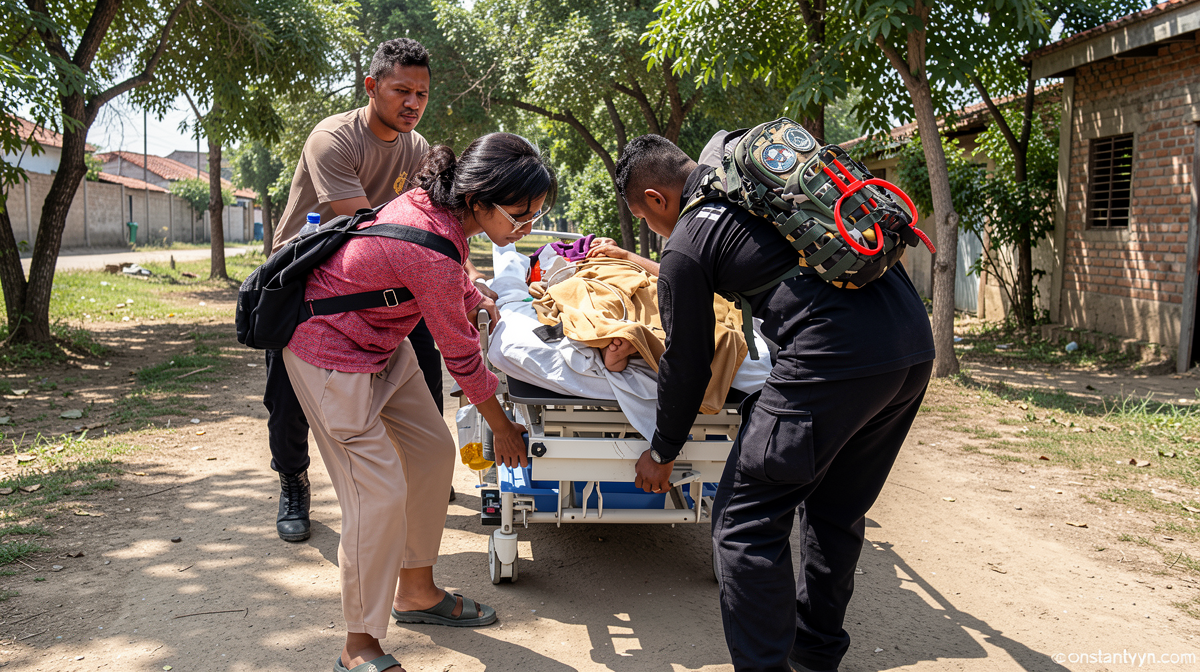
    Constantvpn.com – Watch: Security officials intercept migrants near crossing into Ceuta Moroccan authorities have intercepted dozens of migrants seeking to cross into the Spanish North African exclave of Ceuta, reports say. More than 100 people were blocked trying to make their way to the border on the outskirts of the town of Fnideq, according to Moroccan security sources cited by Spanish media and news agency Reuters. It comes a fortnight after roughly 78,000 migrants arrived in the exclave by sea in a matter of hours – 100 of whom died, according to the city's mayor, who also said the vast majority of arrivals had returned to Morocco.

    Security had been stepped up in the area after the influx and amid suggestions on social media of a second mass crossing attempt this weekend. The security sources said 111 people had been detained in or around Fnideq – known in Spanish as Castillejos – about 3km (1.8 miles) from the border, the majority of whom were from sub-Saharan Africa. Moroccan police – including some in riot gear – reportedly used tear gas to disperse groups of migrants gathered on nearby hills.

    Earlier this week, Morocco's government said it was monitoring "the circulation of social media posts and messages of unknown origin" calling for a mass crossing on Saturday, and warned that it would prosecute organisers and participants. Spain has deployed more than 1,500 officers to patrol the area Security at the breakwater entrance was "10 times stronger than the previous day", Spanish newspaper El País reported. Morocco had dispatched army officers, navy speedboats and drones to the border on Saturday, it said.

    Meanwhile, Madrid deployed more than 1,500 security officers to patrol the area. Spain has also installed a metal fence and a floating barrier following last month's influx. Moroccan officials seen detaining people on Saturday The crisis had calmed since breaking out in late July, but it has sparked tensions between EU nations that share open borders as well as criticism of the Spanish government.

    Italy suspended the 29-member Schengen arrangement of free movement with Spain and introduced border checks on arrivals from Spain. Italy was backed by Finland and Denmark, while the Czech Republic called for Spain's membership to be temporarily suspended. Spain reacted angrily, with Prime Minister Pedro Sánchez noting Ceuta was not part of the Schengen area – and the migrants, therefore, had not arrived on the Spanish mainland and could not travel to any other European country.

    It urged Italy to drop its border controls – and introduced its own when Rome refused, citing the possibility of a new influx on 15 August. On Saturday, Italy's Foreign Minister Antonio Tajani said his country had been afraid of a "risk of a new wave of arrivals in Ceuta". "We're not waging any kind of 'battle' against Spain – we're simply carefully controlling arrivals," he said.

    "Instead of worrying about us, Spain should worry about Morocco: that's where the problems are coming from, certainly not from our controls." Instagram accounts fuelling Ceuta crisis with paid advice for help to cross Spain imposes border controls against Italy as row over Ceuta migrant influx intensifies Spain's PM blames traffickers after 60,000 migrants reach Ceuta from Morocco

    Frequently Asked Questions

    What is Morocco detains dozens of migrants trying?

    Morocco detains dozens of migrants trying is the main topic of this guide. The article explains the context, practical details, and next steps readers should understand.

    Why does Morocco detains dozens of migrants trying matter?

    Morocco detains dozens of migrants trying matters because readers are looking for a useful answer, not just a short summary. Good content should match search intent and help them decide what to do next.
  • Rescuers search for survivors of powerful Indonesia earthquake

    Rescuers search for survivors of powerful Indonesia earthquake

    Constantvpn.com – Watch: Buildings partially collapse in Indonesia after 7.7 earthquake Rescue teams in Indonesia have been searching for survivors of a major earthquake that left at least 47 people dead. The magnitude 7.7 quake struck the island of Flores shortly before 05:00 local time on Saturday (22:00 GMT on Friday) at a depth of 15km, Indonesia's meteorology and geophysics agency stated. Preliminary reports indicated more than 900 homes and hundreds of other buildings were damaged severely by the quake and 341 aftershocks, the National Disaster Management Agency (BNPB) said.

    However, the full scale of the disaster is still unclear and news of a second earthquake of magnitude 6.9 at the other end of Indonesia served as a reminder of why this region is called the ring of fire. Tremors from Saturday's powerful earthquake were reportedly felt by residents as far west as Bima, the BNPB said, but the Manggarai province was among the most affected. Preliminary data shows that 24 fatalities had been recorded there, while 17 deaths were recorded in East Manggarai province, three in Sikka province, and at least one in each of the Ngada, Ende and West Manggarai provinces.

    At least two others had been seriously injured and 11 slightly injured. The BNPB said more than 5,000 people remained in evacuation shelters and 10,500 aid packages have been sent to affected areas. "Meeting basic needs and providing logistics for evacuees has become one of the top priorities of the emergency response," the BNPB said.

    It will take time to assess the full extent of the destruction in the region, which is remote and mountainous. The area is mountainous and the assessment will take time, officials say However, early reports indicate that more than 150 houses had been severely damaged there, as well as dozens of educational institutions, a number of healthcare facilities, places of worship, offices and several other public facilities. Video taken at the port in Maumere – the largest town in Flores – showed large chunks of concrete breaking off the terminal building onto passengers waiting to board an inter-island ferry.

    Some were thrown into the sea when the gangway to a ship collapsed. Emanuel Melkiades Laka Lena, governor of East Nusa Tenggara province, told a news conference that several of the victims had been killed in their sleep by collapsing rubble. Others, like Arnold Welianto, who lives in Talibura, a village near the coastline in Sikka, East Nusa Tenggara, were shaken out of their beds.

    "I was startled awake and immediately went to my child's room," he said. He also told the BBC that many people had already fled into the hills because the sea had also receded. The earthquake struck around 600 miles (1,000km) away from Bali Rescue teams worked tirelessly through the day to free those trapped under the rubble While a tsunami warning was initially issued – leading some 2,000 people to self-evacuate – it was lifted around three hours after the initial jolt, when no significant sea level rise was detected.

    Landslides, however, did block access to some villages but the experienced rescue teams worked tirelessly through the day to free those trapped under the rubble. In Ruteng, a temporary medical tent was also assembled outside of a hospital to treat earthquake victims. People could be seen moving inland after authorities issued a tsunami warning, which was later lifted The ongoing advice from BNPB is for people to remain calm and to stay away from coastal areas and structures showing signs of damage.

    Indonesia is prone to earthquakes and volcanic activity, lying along the meeting point of three major tectonic plates.

    Frequently Asked Questions

    What is Rescuers search for survivors of powerful?

    Rescuers search for survivors of powerful is the main topic of this guide. The article explains the context, practical details, and next steps readers should understand.

    Why does Rescuers search for survivors of powerful matter?

    Rescuers search for survivors of powerful matters because readers are looking for a useful answer, not just a short summary. Good content should match search intent and help them decide what to do next.

  • Woman allegedly tasered, raped and beaten by ex-partner, court hears

    Woman allegedly tasered, raped and beaten by ex-partner, court hears

    Domestic Violence Escalation: Ex-Partner Faces Multiple Charges After Taser Attack and Rape

    Constantvpn.com – A disturbing case of escalating domestic violence has come before the courts in Northern Ireland, where a woman has been left with serious injuries after an alleged assault by her former partner. The incident, which involved a taser and multiple sexual offences, has prompted calls for greater attention to how such cases are handled by police when they first arise.

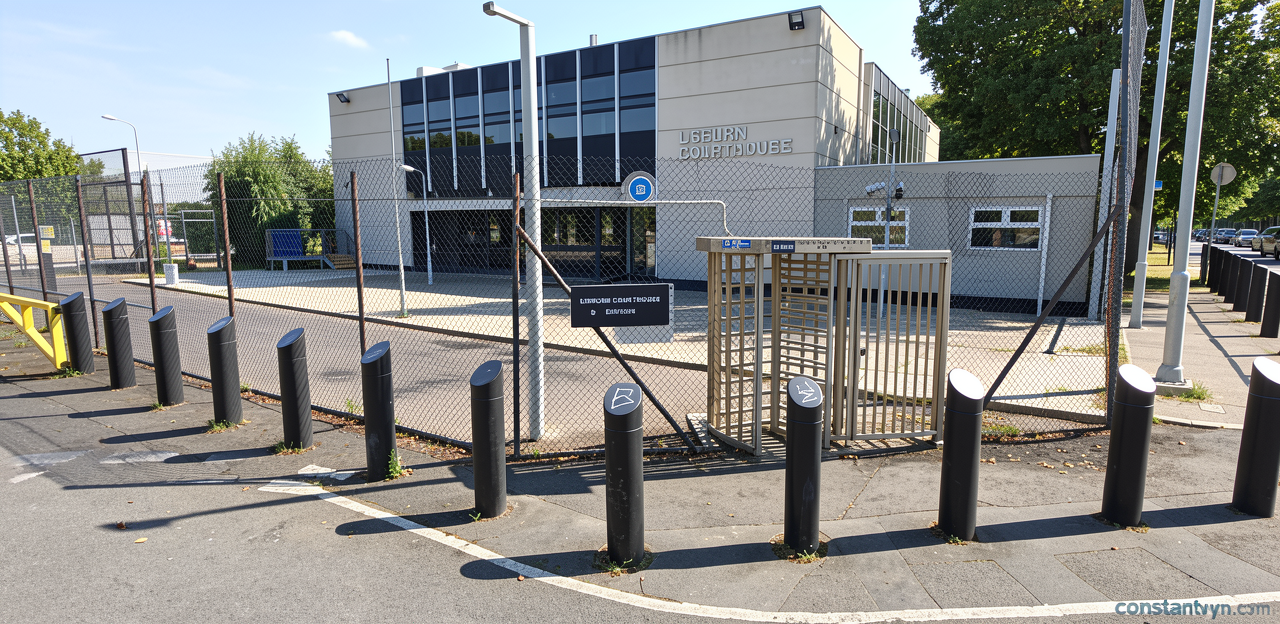
    District Judge Natasha Fitzsimmons heard the case at Lisburn Magistrates’ Court during a special sitting designed to protect the victim’s identity. The man, who is in his forties and cannot be named, faces a substantial list of charges including two counts of rape, three counts of sexual assault, threats to kill, non-fatal strangulation, and entering the property as a trespasser with intent to commit rape. Additional charges include various assaults causing actual bodily harm.

    The Night of the Attack

    According to testimony from a detective constable, staff at the Ulster Hospital contacted police on 14 August after the woman arrived with significant injuries. She explained that her ex-partner, who was also present at the hospital, had caused the harm. When officers attended, the woman recounted how she had been asleep in bed when she awoke to discover the defendant had broken into her home and was holding a taser.

    “She described him threatening to kill her and covering her mouth with his hand before raping her twice,” the detective told the court.

    The assault was described as particularly violent. The woman sustained a broken nose along with extensive bruising to her face and neck. When the defendant agreed to accompany her to the hospital, he stopped on a road and discarded the taser, which police subsequently recovered as evidence.

    A Pattern of Uninvited Visits

    What makes this case particularly concerning is the history of uninvited visits. The court heard that the man had previously turned up at the woman’s house on two separate occasions. On one of those occasions, he arrived armed with a baseball bat. Despite the seriousness of these incidents, they were “marked as domestic” rather than resulting in formal charges.

    “She previously reported the defendant let himself into her property during the early hours of 19 July armed with a baseball bat. Three days later she reported he turned up again,” the detective explained.

    When District Judge Fitzsimmons questioned the outcome of those earlier reports, the detective confirmed that the man had simply been spoken to by officers. “He was spoken to by officers and obviously took no consideration of what they told him,” the detective stated. The judge expressed surprise that no charges had been brought.

    “That’s when [the woman] alleged he entered her house with a baseball bat. And all police did was talk to him?” Judge Fitzsimmons asked.

    Bail Hearing and Judicial Reasoning

    During the bail hearing, a defence barrister argued that the accused was a “reasonable candidate for bail as there is nothing on record for violence or domestic abuse.” However, Judge Fitzsimmons rejected this argument, noting the clear pattern of escalation.

    “The defendant was spoken to by police after the complainant described him previously attending her home, not once but twice uninvited and on one of those occasions he had a baseball bat,” the judge observed. “Despite that he allegedly again entered her home and caused significant injury as well as a very violent rape. I consider there are no bail conditions which could manage the risks.”

    The defendant was arrested at the hospital and provided a pre-prepared statement in which he accepted that he had let himself into the house but denied all the offences, insisting that everything had been consensual. However, he was unable to account for the injuries sustained by the woman.

    Broader Implications

    This case highlights important questions about how domestic incidents are classified and handled in Northern Ireland. When police mark incidents as “domestic” rather than pursuing charges, it can create a perception that such matters are private family issues rather than criminal offences. The fact that the man had been spoken to on two previous occasions yet continued to visit uninvited suggests a potential failure in the system to adequately protect victims.

    The use of a taser in this incident is particularly significant. Tasers are designed to incapacitate, and their use in domestic settings can cause serious injury, particularly when combined with physical assault. The fact that the defendant discarded the taser on the way to hospital suggests he may have been aware of its potential as evidence.

    The defendant is scheduled to appear again by video-link on 7 September, when further proceedings will take place. The case underscores the importance of thorough investigation and appropriate charging in domestic violence cases, particularly where there is evidence of escalation and where victims have previously reported incidents without receiving adequate legal protection.

    Frequently Asked Questions

    What is Woman allegedly tasered raped and beaten?

    Woman allegedly tasered raped and beaten is the main topic of this guide. The article explains the context, practical details, and next steps readers should understand.

    Why does Woman allegedly tasered raped and beaten matter?

    Woman allegedly tasered raped and beaten matters because readers are looking for a useful answer, not just a short summary. Good content should match search intent and help them decide what to do next.

  • Europe’s scorched landscapes seen from space after summer heatwaves

    Europe’s scorched landscapes seen from space after summer heatwaves

    Space-Based Views Reveal Europe’s Heatwave Toll on Land and Water

    Constantvpn.com – Satellite photographs have captured the extensive damage wrought by this summer’s relentless heat across western Europe. Following a series of intense heatwaves that began in May, the landscape bears visible scars—from receding glaciers and parched terrain to diminished river systems. These aerial perspectives offer compelling evidence of how extreme temperatures have reshaped the continent’s natural features.

    Record-Breaking Warmth Confirmed

    The European Union’s climate monitoring service, Copernicus, has verified that western Europe endured its warmest June through July period ever documented. According to the Met Office, persistent high-pressure systems created clear, sunny conditions that allowed temperatures to climb steadily. However, the underlying driver extends beyond temporary weather patterns. Decades of fossil fuel combustion have elevated baseline temperatures, transforming what might once have been occasional hot spells into frequent, severe events.

    Rivers Shrink, Landmarks Emerge

    The Danube, Europe’s second-longest waterway, has reached its lowest levels in three decades across multiple nations. This dramatic decline has uncovered remarkable discoveries resting on the riverbed. In Bulgaria, researchers found mammoth bones exposed by the receding waters. Meanwhile, a World War Two warship that had lain submerged for decades emerged in Serbian waters. The sunken vessel is clearly visible in satellite comparisons showing the river’s diminished state. Further complications arose as the Danube winds through Hungary and Romania. Nuclear facilities operating along the river were compelled to either reduce output or halt operations entirely. Without sufficient river water for cooling systems, these critical energy sources faced operational constraints. The Rhine experienced parallel challenges. Cargo ships found themselves grounded as water depths fell below navigable thresholds. Scheduled river cruises were subsequently cancelled, disrupting tourism and transportation networks alike.

    Alpine Glaciers Under Siege

    Even the snow-draped summits of the Alps have proven vulnerable to the intensifying heat. Current measurements indicate this season may rank among the most severe for Alpine glacier melt in recorded history, with over a month of the melting season still ahead. A mild winter left glaciers with below-average snow cover by late April. An unusually early heatwave in May then accelerated snow loss, exposing the ice beneath to direct solar radiation. This exposure created a feedback loop, making glaciers increasingly susceptible to accelerated melting during subsequent warm periods. Satellite analysis reveals that the Rhône Glacier in Switzerland has retreated at least 50 meters—approximately 160 feet—compared to the same period last year. Under normal climatic conditions, glaciers maintain relatively stable dimensions over extended timeframes.

    Dr Lander van Tricht, glaciologist at the Swiss Federal Institute of Technology, noted that climate change has produced “much less snow in winter and much, much more melt in summer.” He warned that continuing current trajectories, “the future looks very dramatic for the Alps.”

    Wildfires Transform the Landscape

    Fire has rewritten portions of western Europe’s terrain this summer. France alone has witnessed over 90,000 hectares—equivalent to 900 square kilometers or 350 square miles—consumed by flames. The European Forest Fire Information System identifies this as the nation’s most devastating fire season on record. The Gironde region, home to Bordeaux, experienced the largest single blaze, destroying approximately 42,000 hectares of land. This area matches the total size of the Isle of Wight. Several factors converged to create ideal fire conditions. Extended dry periods left vegetation and soil in a highly combustible state.

    Dr Douglas Kelley of the UK Centre for Ecology and Hydrology explained that extreme wildfires are becoming “more and more frequent” as climate change generates optimal conditions, with elevated temperatures accelerating the drying of vegetation and soils.

    Vegetation Stress and Agricultural Implications

    Broad satellite views of western France reveal a pronounced increase in land browning compared to previous years. Researchers employed the Normalised Difference Vegetation Index—commonly called NDVI—to quantify vegetation health using satellite measurements. This index produces lower values when vegetation becomes sparse or experiences stress. This summer’s NDVI readings fell below the five-year benchmark established between 2021 and 2025 across approximately 70 percent of France. Similar patterns appeared in nearly half of the United Kingdom and roughly 40 percent of western Germany.

    Prof Andrew Challinor from the University of Leeds observed that the imagery was “consistent with widespread water stress,” noting that this “does not bode well” considering Europe’s extensive crop coverage and potential consequences for agriculture and food production.

    In the most severely impacted regions, soil moisture levels dropped below those recorded on approximately 98 percent of comparable dates throughout the historical record. These conditions threaten not only current harvests but also long-term agricultural sustainability across the continent. The convergence of reduced river capacity, accelerated glacier melt, expanded wildfire zones, and stressed vegetation paints a comprehensive picture of a continent grappling with intensifying climate impacts. As summer progresses, these satellite observations serve as both documentation and warning of the transformations underway.

    Frequently Asked Questions

    What is Europe s scorched landscapes seen?

    Europe s scorched landscapes seen is the main topic of this guide. The article explains the context, practical details, and next steps readers should understand.

    Why does Europe s scorched landscapes seen matter?

    Europe s scorched landscapes seen matters because readers are looking for a useful answer, not just a short summary. Good content should match search intent and help them decide what to do next.