
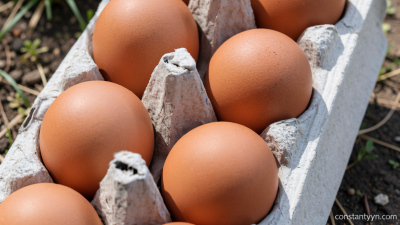
UK Salmonella Outbreak Linked to Imported Eggs Claims One Life as Hundreds Fall Ill
Constantvpn.com – A single death and more than two hundred confirmed infections have emerged from what UK public-health authorities are treating as a coordinated salmonella outbreak tied to eggs brought in from abroad. The UK Health Security Agency (UKHSA) has opened a formal investigation into the 207 laboratory-confirmed cases logged over the past year, though the vast majority surfaced only in recent weeks, suggesting the contamination window may still be closing.
Scale and Severity of the Outbreak
The affected population spans an extraordinary age range — from infants to a 90-year-old — and more than a third required hospital admission. Two patients progressed to severe bacteraemia, a life-threatening complication in which the bacterium invades the bloodstream. One of those patients did not survive. For most sufferers, however, the infection resolves on its own within a few days without antibiotic intervention.
Geographically, the outbreak is heavily concentrated in England, which accounts for 199 of the 207 cases. London alone contributes 47, while Yorkshire and Humber records 38. Scotland has six confirmed infections, with single cases each in Wales and Northern Ireland.
How the Infection Spreads
Salmonella bacteria inhabit a wide range of food vehicles, including raw or undercooked poultry, other meats, and eggs. In this particular outbreak, investigators have isolated one specific, genetically identical strain across the affected individuals — a pattern that distinguishes a true outbreak from the background noise of sporadic salmonella infections that occur throughout the year. Thousands of unrelated salmonella cases are recorded annually in the UK from dozens of different strains, but a single-variant cluster of this size is comparatively rare and points to a common source.
Typical symptoms include abdominal cramping, watery diarrhoea, vomiting, and fever, usually appearing between 12 and 72 hours after ingestion of contaminated food. The UKHSA advises anyone experiencing these symptoms to contact their general practitioner or, outside normal hours, the NHS 111 service.
Tracing the Source
Epidemiological analysis so far indicates that most people became ill after dining at restaurants or other catering establishments rather than after preparing meals at home. A subset of food businesses connected to 24 of the confirmed cases has been identified as using imported eggs in its operations. At present, no link has been established to eggs or poultry produced domestically within the UK.
“We’re working with Food Standards Agency and other public health agencies to investigate a salmonella outbreak that may be linked to eggs imported from outside of the UK.” — Hannah Charles, lead epidemiologist for gastrointestinal infections, UKHSA
The UKHSA describes its ongoing epidemiological and food-chain tracing as “extensive,” and notes that additional cases may yet be identified, including individuals who felt unwell but never sought medical attention. The agency states that egg consumption remains the strongest candidate source to date and that further precautionary measures will be deployed if the evidence warrants them. The overall risk to the general public is assessed as low.
Food-Safety Guidance for Consumers
The Food Standards Agency (FSA) has issued practical advice aimed at reducing residual risk while the investigation continues. Thoroughly cooking eggs until both white and yolk are firm, and maintaining strict hand-hygiene after handling shells or packaging, are the two most effective personal precautions.
“Infants, young children, pregnant people and older adults should only eat runny or raw eggs if they have a British Lion mark or are produced under the Laid in Britain egg assurance scheme.” — Jacquelyn McCormick, Head of Incidents, Food Standards Agency
Mccormick emphasised that eggs cooked thoroughly and handled with basic hygiene should not pose a food-safety threat to the wider population. She also urged anyone who handles raw eggs, cracked shells, or egg cartons to wash hands thoroughly with soap and running water before touching other food or surfaces.
Dr Kathleen O’Reilly, a consultant at the London School of Hygiene and Tropical Medicine, added that diners can make informed choices by checking the food-hygiene rating displayed at the entrance of any catering outlet before ordering.
Industry Context and Import Concerns
The UK poultry sector operates under mandatory salmonella vaccination programmes for laying hens, a requirement that has kept domestic egg-borne salmonella rates comparatively low. Nick Allen, chief executive of the British Egg Industry Council, pointed out that despite this domestic safeguard, “increasing volumes of imports” produced under “less stringent regulations” continue to enter the British supply chain, creating a vulnerability that domestic controls alone cannot close.
For readers unfamiliar with the regulatory landscape: eggs sold in the UK must carry a country-of-origin code on the shell. Products bearing the British Lion mark have been laid, collected, and processed within Britain under the Laid in Britain assurance scheme, which includes additional salmonella-testing requirements. Imported eggs, while still subject to UK border checks, originate from production systems that may not impose the same vaccination or testing mandates.
As the investigation proceeds, public-health officials expect to narrow the supply chain further. Until then, the message to consumers is straightforward: cook eggs well, wash your hands, and if symptoms appear within three days of eating out, seek medical advice promptly.
Related Reading
Frequently Asked Questions
What is One dead and hundreds ill in UK?
One dead and hundreds ill in UK is the main topic of this guide. The article explains the context, practical details, and next steps readers should understand.
Why does One dead and hundreds ill in UK matter?
One dead and hundreds ill in UK matters because readers are looking for a useful answer, not just a short summary. Good content should match search intent and help them decide what to do next.