Author: Barbara Brown – constantvpn.com

  • Ex-cricket captains urge ‘proper medical care’ for Imran Khan

    Ex-cricket captains urge ‘proper medical care’ for Imran Khan

    Former Cricket Captains Demand Medical Accountability for Imran Khan Behind Bars

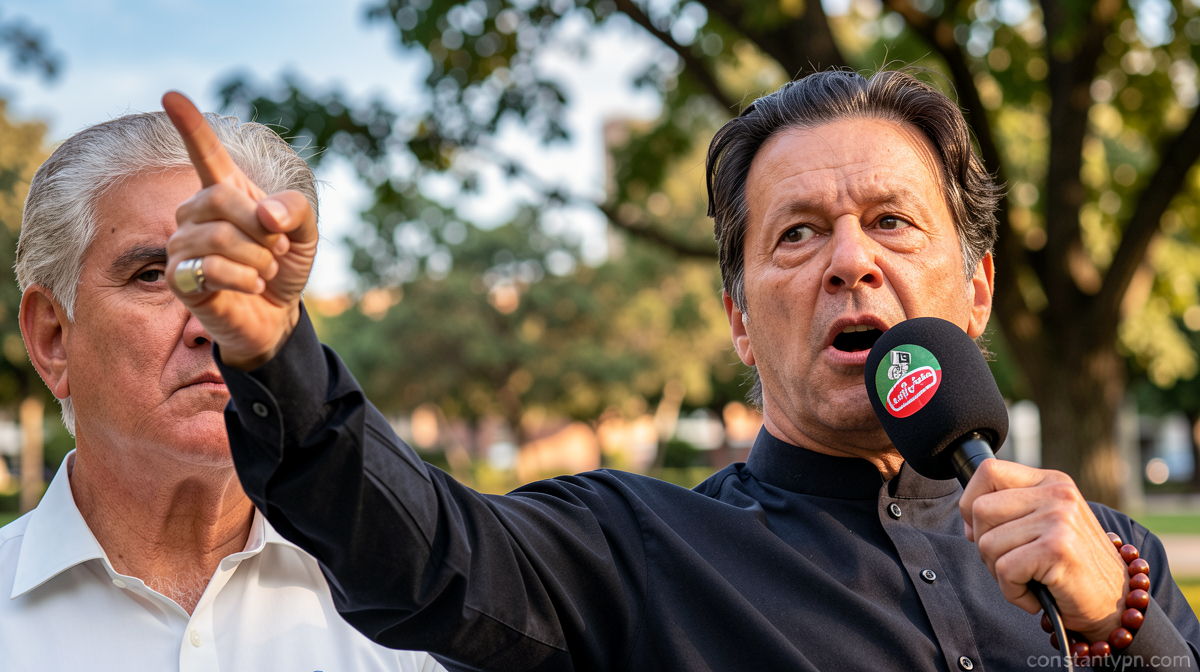
    Constantvpn.com – A coalition of 21 former cricket captains spanning India, England, Australia, and Pakistan has issued a pointed public letter demanding that Pakistan guarantee its former prime minister Imran Khan receives the medical oversight a court has already mandated. The intervention, initiated by former Australian skipper Greg Chappell, lands at a moment when Khan’s deteriorating health and the government’s apparent resistance to judicial directives have drawn sustained scrutiny from both domestic opponents and the international sporting community.

    Khan, now 73, has been held in custody since August 2023 on corruption allegations he and his Pakistan Tehreek-e-Insaf (PTI) party consistently describe as politically engineered. His detention has triggered mass street protests by loyal supporters, which authorities answered with a heavy-handed crackdown. More than 100 separate cases now hang over him, spanning allegations from leaking state secrets to the sale of official gifts.

    The Letter and Its Three Demands

    Addressed to Pakistan’s current prime minister Shehbaz Sharif, the letter lays out three specific requirements. First, Khan should be evaluated by a medical board operating under the direction of Pakistan’s Supreme Court, a panel that would incorporate his own personal physicians. The captains flagged particular alarm over a reported loss of vision in his right eye. Second, they pressed authorities to honor a court-ordered provision allowing weekly family visits, carried out “without interruptions or administrative delays.” Third, any treatment the medical board recommends must be “provided without delay.”

    The letter’s central grievance concerns a hospital visit last week in which Khan was granted “only a few hours” under examination by a state-appointed medical team. His party has separately filed a contempt-of-court petition against the government for failing to grant him access to his chosen doctors, as the top court had directed.

    “Imran Khan is 73 years old and has now spent more than three years in custody. Whatever the legal and political arguments surrounding his case, the basic decency of ensuring a court-ordered medical process is actually completed is not, in our view, a controversial request.”

    A Cricketing Bond Crosses Political Borders

    The signatories include figures of considerable stature across the sport’s history. From England come Sir Alastair Cook, one of the country’s longest-serving Test captains, alongside Michael Atherton, Michael Brearley, Nasser Hussain, Andrew Strauss, and David Gower. India’s contingent features batting icon Sunil Gavaskar, former captain Kapil Dev, and Dilip Vengsarkar. Australia is represented by Belinda Clark, Adam Gilchrist, Steve Waugh, and Kim Hughes, in addition to Chappell himself.

    The group described itself as “former colleagues and rivals who share a bond forged on the cricket field,” insisting that this shared history “transcends the borders and disputes that too often divide countries.” Fourteen of the 21 signatories had already backed an earlier appeal submitted in February calling for “humane treatment and proper medical care” for the former prime minister.

    The Court Order and What Actually Happened

    The most recent episode in this unfolding dispute began on Tuesday, when Pakistan’s Supreme Court directed the government to move Khan to a private hospital for examination by physicians of his choosing. Instead, he was taken to a government-run facility in Islamabad, where state-appointed doctors assessed him and declared him “medically fit” before returning him to prison. Khan’s legal team had previously told the court that his client retained only 15 percent of vision in his right eye, a condition they attributed to prison authorities’ failure to act on earlier medical warnings.

    The gap between the court’s instruction and the government’s execution of that instruction is precisely what the contempt petition now challenges. For the cricket captains, the issue is framed not as a partisan political question but as a matter of institutional integrity: a judicial order exists, and its completion should require no further negotiation.

    Why This Matters Beyond the Courtroom

    Khan’s case has become a defining fault line in Pakistani politics since his removal from office in 2022 after a vote of no confidence. His imprisonment in August 2023 transformed what had been a routine political transition into a prolonged constitutional crisis, with PTI supporters repeatedly taking to the streets and authorities responding with arrests and force. The question of whether a sitting court’s medical directives are being honored in practice has therefore taken on symbolic weight far beyond one man’s health file.

    For the cricketing establishment, the intervention carries an additional dimension. Khan captained Pakistan’s national team through a period of considerable achievement, and many of the signatories competed against him at the highest level. Their public voice, united across nationalities that frequently find themselves on opposite sides of diplomatic and sporting disputes, is intended to signal that the obligation of fair process applies regardless of the political temperature surrounding the individual in question.

    Whether the government will now comply with the Supreme Court’s direction, or whether the contempt petition will force further judicial intervention, remains to be seen. What is clear from the letter is that the former captains consider the current arrangement unacceptable and are prepared to keep the pressure public until a court-supervised medical process is carried out in full.

    Frequently Asked Questions

    What is Ex cricket captains urge proper medical?

    Ex cricket captains urge proper medical is the main topic of this guide. The article explains the context, practical details, and next steps readers should understand.

    Why does Ex cricket captains urge proper medical matter?

    Ex cricket captains urge proper medical matters because readers are looking for a useful answer, not just a short summary. Good content should match search intent and help them decide what to do next.

  • Golf brand apologises for advert that shows woman being pushed over

    Golf brand apologises for advert that shows woman being pushed over

    Golf’s Biggest YouTube Brand Pulls Advert After Woman Is Shoved to the Floor

    Constantvpn.com – A viral golf advertisement featuring a female professional golfer being physically shoved to the ground has triggered a formal apology from one of the sport’s most prominent digital media brands. Good Good, the American content-creation company that has built a following of 2.13 million subscribers on YouTube since launching its channel in 2020, removed the spot and issued a public statement acknowledging the clip did not reflect its stated values.

    The advert, produced for golf-club manufacturer Callaway, depicted Good Good co-founder Garrett Clark sprinting toward Alexis Miestowski — a touring professional and frequent collaborator on the brand’s videos — and pushing her to the ground. Clark then shouted, “Do not touch my new driver,” as Miestowski lay on the turf. The sequence, intended as a comedic bit about protecting expensive equipment, quickly drew criticism online for normalising physical aggression directed at a woman in a context where no genuine threat existed.

    The Apology and Immediate Response

    Good Good took the video down from its channels and posted a statement on X (formerly Twitter) addressing the backlash directly.

    “We posted a video to our channels that ultimately depicted actions that are not aligned with our values as a brand. We have since taken that content down, and sincerely apologise. Good Good has always stood for making the game of golf more inclusive to all, and we will continue to ensure that is our mission moving forward.”

    The company’s response came within hours of the clip circulating widely across golf forums and social-media platforms. For a brand whose entire identity is built around welcoming audiences of every gender into the sport, the disconnect between its messaging and the on-screen action proved difficult for fans to overlook.

    Callaway’s Position

    Callaway, which has partnered with Good Good on promotional content since 2023, issued its own statement to media outlets. The clubmaker expressed disappointment with the material while crediting Good Good for acting swiftly.

    “We are disappointed by the content that was posted, and are appreciative of Good Good for addressing this. We look forward to working together to ensure a more inclusive space in golf.”

    The joint statement from both parties signalled that the commercial relationship would continue, though the episode is likely to shape how future collaborative content is reviewed before publication.

    Who Is Good Good, and Why Does It Matter?

    Good Good began in 2020 as a YouTube channel created by Garrett Clark and business partner Matt Kendrick. Clark remains the primary on-camera personality, while Kendrick handles the operational side of the enterprise. What started as casual challenge videos between friends has grown into one of the largest dedicated golf-media operations in the world, producing weekly clips that feature both male and female competitors in head-to-head golf games, scripted television-style shows, and branded merchandise campaigns for apparel and equipment lines.

    The brand’s scale is underscored by its sponsorship of a PGA Tour event. Last year the Tour announced plans to stage the inaugural Good Good Championship in Texas, scheduled for November. The tournament represents a formal bridge between the Tour’s traditional broadcast ecosystem and the creator-economy audience that Good Good has cultivated over four years.

    The PGA Tour Weighs In

    The governing body of professional golf in the United States did not remain silent. A PGA Tour spokesperson issued a reaction statement that acknowledged the deleted video while reaffirming the organisation’s inclusivity commitments.

    “The PGA Tour believes in golf’s ability to bring people together and create a welcoming environment for all. We do not condone violence in any form, and the since-deleted video does not reflect our values or commitment to inclusivity and respect.”

    The Tour’s comment carries particular weight given that Good Good’s championship will carry the Tour’s sanction and branding. The statement effectively draws a line: the partnership continues, but the content standards attached to that partnership are now explicit.

    Broader Context: Golf’s Digital-Content Boom

    The incident lands amid a period of rapid expansion in golf’s digital-media landscape. Channels that once produced informal swing-analysis clips now command audiences rivalling traditional sports networks, and equipment manufacturers increasingly allocate marketing budgets to creator partnerships rather than conventional advertising. That shift concentrates enormous cultural influence in the hands of a small number of personalities, which means a single misjudged comedic beat can ripple through the sport’s public image almost instantly.

    For women’s golf specifically, visibility has grown sharply over the past decade, yet representation remains uneven. A clip in which a woman is physically overpowered for laughs — even a brief, scripted one — lands differently when the audience has watched that same woman compete on tour, post instructional content, and build a personal following. The backlash was not merely about one video; it was about whether the fastest-growing corner of golf media has internalised the respect it claims to champion.

    Good Good’s stated mission of inclusivity, its PGA Tour championship, and its multi-million-subscriber platform all place the brand in a position where a single misstep carries outsized consequences. The company’s decision to delete the clip, apologise publicly, and reaffirm its values within hours suggests an awareness of that leverage. Whether the episode accelerates or merely punctuates a longer conversation about tone, consent, and comedic boundaries in sports content will depend on what happens in the months ahead — particularly as the Good Good Championship approaches and the brand’s visibility on the Tour’s official calendar increases further.

    Frequently Asked Questions

    What is Golf brand apologises for advert that?

    Golf brand apologises for advert that is the main topic of this guide. The article explains the context, practical details, and next steps readers should understand.

    Why does Golf brand apologises for advert that matter?

    Golf brand apologises for advert that matters because readers are looking for a useful answer, not just a short summary. Good content should match search intent and help them decide what to do next.
  • Two police officers among seven killed in wrong-way car crash

    Two police officers among seven killed in wrong-way car crash

    Seven Dead After Wrong-Way Collision on Teesside’s A66, Including Two Cleveland Police Officers

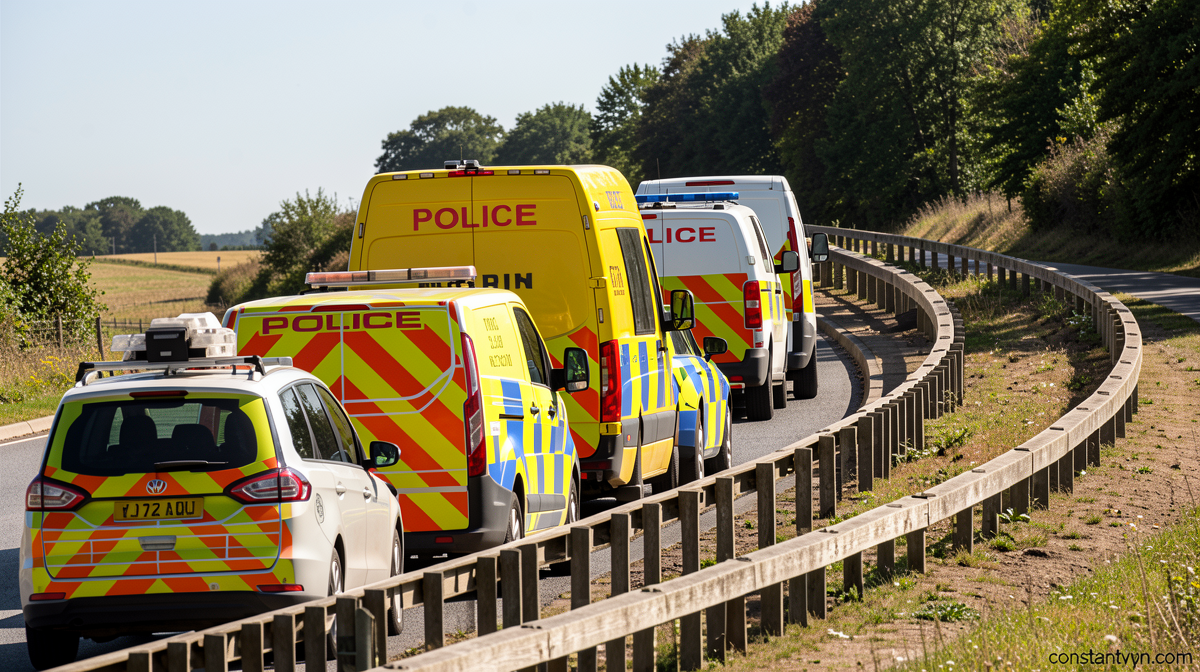
    Constantvpn.com – A fatal collision on one of Teesside’s busiest roads claimed seven lives in the early hours of Saturday, when a car travelling in the wrong direction along a dual carriageway collided head-on with a marked police vehicle. Among the dead were two serving officers of Cleveland Police, bringing a wave of grief to the force, the local community, and the wider policing family across the North East.

    The crash took place at approximately 03:39 BST on the A66 near Middlesbrough, in an area known locally as South Bank. A Volkswagen Passat carrying five young people, all reportedly in their late teens, was travelling the wrong way down the carriageway when it struck an oncoming Cleveland Police vehicle. All seven occupants of both vehicles were pronounced dead at the scene.

    The Officers

    The two officers killed have been identified as PC Matthew Blades, aged 37, and PC Tom Clough, aged 38. Both were serving in a marked armed response vehicle and were travelling on the correct side of the road at the time of impact.

    Chief Constable Victoria Fuller paid tribute to both men in a statement released shortly after the incident.

    “These were brave officers protecting our communities and serving our residents, who didn’t return home to their families at the end of their shift.”

    Fuller described the day as “incredibly sad for Cleveland” and added:

    “No one should leave their home and not return safely.”

    She confirmed that she and her deputy chief constable had visited the families of both officers to offer condolences and begin the process of coming to terms with what she called an “unimaginable loss.” Families of all those identified had been informed and were being provided with specialist support.

    “This tragic incident will be felt across Cleveland, within our communities and throughout the entire policing family,” Fuller added.

    Pursuit Context and Investigation

    Security footage captured from a residential property on Lime Road in Middlesbrough appears to show a car being chased by police vehicles roughly three minutes before the fatal collision. The BBC understands that a pursuit of the Volkswagen had concluded before the crash, and that the police vehicle was simply present in the South Bank area when the wrong-way driver appeared.

    The Independent Office for Police Conduct (IOPC) confirmed it had opened a formal investigation into the circumstances of the crash. The watchdog stated:

    “At this early stage, we understand Cleveland Police sighted a suspicious vehicle and a pursuit began.”

    Emergency Response and Road Closure

    The North East Ambulance Service dispatched 14 ambulance resources to the scene. In a statement following the incident, the service extended its condolences to everyone affected and thanked those who assisted at the scene.

    The A66 was closed in both directions between Normanby Road and Church Lane, with Cleveland Police confirming the closure would remain in place for the remainder of the day. The stretch of road where the crash occurred is flanked by industrial units and factories, making it a critical freight and commuter route through the Teesside area.

    Political and Community Responses

    Prime Minister Andy Burnham said he was “devastated” by the news and thanked emergency services for responding in “incredibly difficult circumstances” during the small hours.

    Home Secretary Shabana Mahmood told Cleveland Police it had her full support as they worked to identify all those involved in the crash.

    “Police officers put their own safety on the line to protect their communities every single day. My thoughts are with all those affected, their families, friends, the emergency services who attended the scene and the wider police family.”

    Cleveland Police and Crime Commissioner Matt Storey described the deaths as an “unimaginable loss” and acknowledged that “few words [could] bring comfort” to those grieving.

    Anna Turley, MP for the local Redcar constituency, said she was “deeply saddened” and extended thanks to the emergency services that attended the scene.

    Lauren Somerville, chairwoman of the Cleveland Police Federation, called the loss of the two officers “unfathomable.”

    “Words cannot describe the pain the Cleveland Police family are feeling today.”

    Shadow Home Secretary Chris Philp shared his condolences and urged that the IOPC “must be given the time and space to complete their investigations without speculation.”

    Ben Houchen, Mayor of Tees Valley, called the event a “horrible and tragic incident” and described police officers as “heroes” who give their lives in service of the public.

    Local Context

    The A66 forms the principal arterial route through Teesside, linking industrial estates, port facilities, and residential areas across Middlesbrough, Redcar, and surrounding towns. Its dual-carriageway design carries heavy volumes of commercial and private traffic around the clock, making wrong-way driving on the road particularly dangerous. The South Bank section, where the crash occurred, sits amid a dense cluster of manufacturing and logistics operations, meaning the closure disrupted not only commuters but also supply chains feeding the region’s factories.

    For the families of the five young passengers in the Volkswagen and the two officers, the early-morning hours of Saturday became the moment their lives ended. For the Cleveland Police community, the loss of two colleagues in a single incident has reopened questions about road safety on high-speed dual carriageways and the risks officers face even when simply travelling to or from duty.

    Frequently Asked Questions

    What is Two police officers among seven killed?

    Two police officers among seven killed is the main topic of this guide. The article explains the context, practical details, and next steps readers should understand.

    Why does Two police officers among seven killed matter?

    Two police officers among seven killed matters because readers are looking for a useful answer, not just a short summary. Good content should match search intent and help them decide what to do next.
  • Lessons learned, but Coventry’s top-flight return about more than result

    Lessons learned, but Coventry’s top-flight return about more than result

    Coventry City’s Premier League Comeback Begins With a Steep Learning Curve

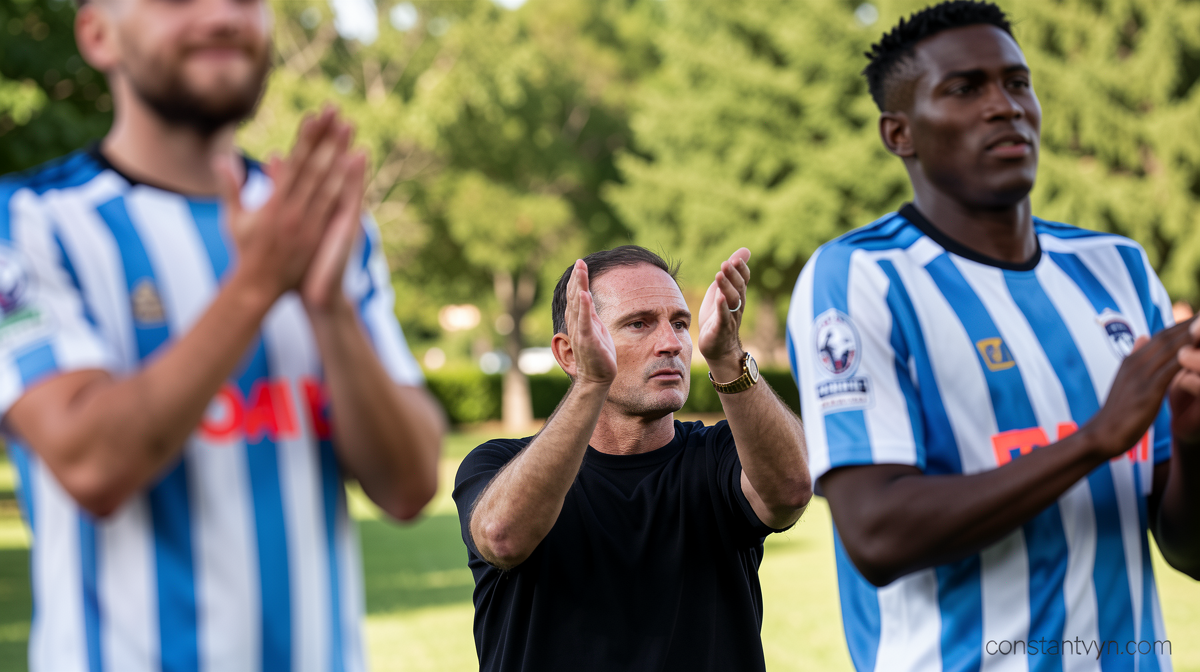
    Constantvpn.com – For over two decades, Coventry City existed in a kind of footballing purgatory — bouncing between divisions, changing stadiums, enduring ownership chaos, and watching from the stands of English football’s upper echelons. On a Friday evening in London, that long exile finally ended, though the manner of their return was anything but triumphant. A 3-0 defeat at the Emirates Stadium against defending champions Arsenal marked the Sky Blues’ first top-flight fixture since a goalless draw with Bradford City on 19 May 2001 — a gap of 25 years and 94 days that stands as the longest interval between Premier League appearances by any club in the competition’s history.

    The result itself demanded little celebration. Arsenal, who also reached last season’s Champions League final, registered three goals by the 49th minute and allowed Coventry just a single shot on target across the full 90. For a side newly elevated from the Championship, such a scoreline against the reigning title holders is hardly alarming, yet it underscored the gulf in quality that Lampard’s squad must close if they are to survive.

    A Manager’s Perspective on the Gap

    Frank Lampard, who took over from long-serving boss Mark Robins in November 2024, framed the evening not as a crisis but as a necessary calibration. Speaking after the match, he acknowledged the difficulty of stepping straight into the Premier League’s upper tier.

    “It’s a good learning curve for our players. You come here and want to do something but it’s very difficult. It’s a good experience to live. We hate defeats, but you can lose here and there is a lot to be done to do what we want to do this season, so we will take the learnings.”

    Lampard also drew a parallel to Leeds United, who lost 5-0 at the Emirates early last season yet ultimately retained their top-flight status.

    “It’s hard. Leeds United came here early last season and lost 5-0 and stayed in the Premier League. I’m not making any early judgements. We will have to acclimatise.”

    He further reminded supporters of how far the club had travelled in recent years.

    “A few years ago this club was in League Two, playing in a different stadium. When we came in, we were 17th in the [Championship] league. The boys have risen, the team have risen and the connection with the fans has been amazing – they have been a huge strength for us. They have to remain that way and the lads have to give everything.”

    The Road Back: Two Decades of Turmoil

    Coventry’s 34-year Premier League tenure ended in that 2000-01 season. What followed was a winding descent: 11 years in the Championship before a drop to League One in 2011-12, a season at the fourth tier before promotion in 2016-17, and a return to the Championship in 2020 as League One champions. Along the way, the club was compelled to abandon its historic home at Highfield Road, navigated protracted ownership disputes, and played home matches in Northampton and Birmingham. The journey back to the top flight was rarely linear, and the Friday-night result served as a blunt reminder that survival at this level will demand sustained effort across a full campaign.

    Yet the travelling supporters who made the trip south remained vocal throughout the match at the Emirates. For a fanbase accustomed to watching from the lower divisions, simply being present at a Premier League fixture carried its own emotional weight, independent of the scoreboard.

    £130 Million of Summer Reinforcement

    Coventry’s ascent was not merely a matter of on-pitch form. After clinching the Championship title by 11 points from Ipswich Town, the club invested roughly £130 million in the summer window, shattering their own transfer record on four separate occasions. Midfielder Frank Onyeka, centre-back Aurele Amenda, winger Loum Tchaouna, and goalkeeper Carl Rushworth all joined the squad, while Ghana international midfielder Caleb Yirenkyi became the most expensive signing at £23.1 million.

    All five of those arrivals started at the Emirates. Fellow new signings Gustavo Hamer, acquired from Sheffield United, and striker Taiwo Awoniyi, brought in from Nottingham Forest, featured from the bench. Each brings top-flight or international pedigree alongside physical attributes designed to compete at the highest level. Even so, their collective presence could not prevent Arsenal from asserting dominance on the night.

    The Captain’s Message and What Comes Next

    Captain Matt Grimes, asked what Lampard communicated at the half-time interval, offered a pragmatic reading of the evening.

    “Our season won’t be defined by coming to places like this and getting beaten. Coming here against players like this is always going to be a tough ask.”

    The next fixture carries considerably more weight. Coventry host Hull City — themselves promoted via the play-offs — at the Coventry Building Society Arena next week. According to Opta’s scheduling analysis, the Sky Blues face the most demanding opening run of fixtures of any Premier League side this season, with away trips to Manchester City and Nottingham Forest scheduled for the following month. Both Championship meetings between Coventry and Hull last season ended goalless draws, making the upcoming home contest a potential early barometer of whether the summer’s investment can translate into points.

    For a club that spent the better part of a quarter-century outside the Premier League, the question is no longer whether they belong at this level. It is whether they can endure long enough to prove it.

    Frequently Asked Questions

    What is Lessons learned but Coventry s top flight?

    Lessons learned but Coventry s top flight is the main topic of this guide. The article explains the context, practical details, and next steps readers should understand.

    Why does Lessons learned but Coventry s top flight matter?

    Lessons learned but Coventry s top flight matters because readers are looking for a useful answer, not just a short summary. Good content should match search intent and help them decide what to do next.
  • Tupac murder accused told police in 2008 his nephew fired fatal shots

    Tupac murder accused told police in 2008 his nephew fired fatal shots

    Thirty Years After Tupac Shakur’s Death, a 2008 Police Recording Becomes the Heart of a Las Vegas Murder Trial

    Constantvpn.com – The killing of rapper Tupac Shakur in September 1996 became one of American popular culture’s most enduring unsolved mysteries. For three decades, fans, journalists, and investigators have circled the case without a definitive answer. Now, in a Las Vegas courtroom, a decades-old police interview is being played back to jurors, and its contents are reshaping how the public understands who pulled the trigger in a drive-by shooting that ended the life of a 25-year-old superstar.

    The Charge and the Defendant

    Duane “Keffe D” Davis, 63, stands accused of one count of murder with a deadly weapon. Prosecutors maintain that Davis did not personally fire the shots that killed Shakur on the night of September 7, 1996, but that he orchestrated the attack and supplied the firearm used. Davis, who helped lead a gang in the Los Angeles area, has entered a not-guilty plea. His attorney, Michael Sanft, has told the jury that his client’s earlier statements about the shooting cannot be trusted and should carry no weight.

    What the 2008 Recording Reveals

    On Thursday, jurors heard an audio recording of a police interview conducted in 2008. At the time, Los Angeles Police Department detectives Daryn Dupree and Greg Kading were investigating the death of another rapper, Christopher Wallace, known as The Notorious B.I.G. During that separate inquiry, they questioned Davis about the Shakur killing.

    In the recording, Davis described being a passenger in a Cadillac that pulled alongside the vehicle Shakur was riding in. He recounted passing his gun back to Deandre “Big Dre” Smith, who declined the weapon. According to Davis’s account, Orlando Anderson — Davis’s own nephew — then took the firearm from the back seat and opened fire on the rapper.

    “Yeah, if we would’ve been on my side, I would’ve blasted,” Davis said during the interview, as captured in the court transcript.

    Anderson had died roughly a decade before that 2008 conversation and had publicly denied any role in Shakur’s murder during his lifetime. His death means he cannot now testify or clarify his account.

    The Motive Prosecutors Describe

    Prosecutors allege the shooting was planned in retaliation. Hours before the drive-by, Anderson had been involved in a physical altercation with Shakur at a Las Vegas casino. Davis, they argue, believed the assault on his nephew could not go unanswered and arranged the retaliatory shooting that same evening.

    In a 2019 memoir co-authored under the title Compton Street Legend, Davis wrote about that casino incident with visceral anger:

    “Them jumping on my nephew gave us the ultimate green light to do something to their ass.”

    The book also contained a passage in which Davis claimed he was inside the vehicle when Shakur was shot and that he “tossed” the gun into the back seat. However, Davis has since distanced himself from the memoir, telling people close to him that he did not write all of it and that certain passages were fictionalised to boost sales.

    The Question of the Detective’s Promise

    During the 2008 interview, Detective Kading reportedly told Davis: “Nothing you say today can be used against you.” Prosecutors argue that any informal assurance of that kind was rendered meaningless once Davis later published his version of events in the memoir, effectively going public with details that had been shared under the expectation of confidentiality.

    The Combs Connection

    The interview also surfaced a thread linking Davis to Sean “Diddy” Combs, the Bad Boy Records mogul. Davis told the detectives that he had spoken repeatedly with Combs about killing Shakur. The detectives pressed him on specific tour stops — San Diego, Anaheim, Irvine, and Las Vegas — where such conversations allegedly took place.

    “Which of those four is it when you talk to him about murdering Tupac?” Kading asked, according to the transcript shown in court.

    “It was really about both of them, yeah, either one of them,” Davis responded.

    “Tupac and Suge?” Kading asked, referring to Marion “Suge” Knight, the Death Row Records founder who was seated with Shakur in the vehicle during the shooting.

    “Yeah,” Davis said.

    Representatives for Combs did not immediately respond to requests for comment on the trial’s latest developments.

    The Defense Case

    Sanft has pressed the jury to demand corroboration for every claim Davis made in interviews or in print. He posed a pointed question to jurors earlier in the trial:

    “What facts do you have to support any of what Keffe D said in any of his interviews or the book?”

    Sanft continued, urging the jury to consider whether repeating unverified statements could constitute a basis for a murder conviction. He characterised the prosecution’s witnesses as unreliable and described the original police investigation as riddled with procedural problems. A former Las Vegas homicide detective testified earlier in the week that no eyewitnesses had been able to identify the shooter with certainty.

    Why This Trial Matters Beyond the Courtroom

    The Shakur killing has occupied a peculiar space in American memory for thirty years — simultaneously a confirmed homicide and an unresolved one. No one has ever been convicted of the crime. The case has spawned documentaries, books, fan theories, and periodic police reviews. For Shakur’s family, his fans, and the broader hip-hop community, a trial that reaches a verdict — guilty or not — would close a chapter that has remained open since that September night in Las Vegas, when a Cadillac pulled alongside a black SUV and gunfire shattered the career of one of the most influential artists of his generation.

    Frequently Asked Questions

    What is Tupac murder accused told police in 2008?

    Tupac murder accused told police in 2008 is the main topic of this guide. The article explains the context, practical details, and next steps readers should understand.

    Why does Tupac murder accused told police in 2008 matter?

    Tupac murder accused told police in 2008 matters because readers are looking for a useful answer, not just a short summary. Good content should match search intent and help them decide what to do next.
  • ‘We have more work to do’, says Canada negotiator as US trade deadline looms

    ‘We have more work to do’, says Canada negotiator as US trade deadline looms

    Midnight Deadline Pressures Mount as Ottawa and Washington Race to Close Trade Framework

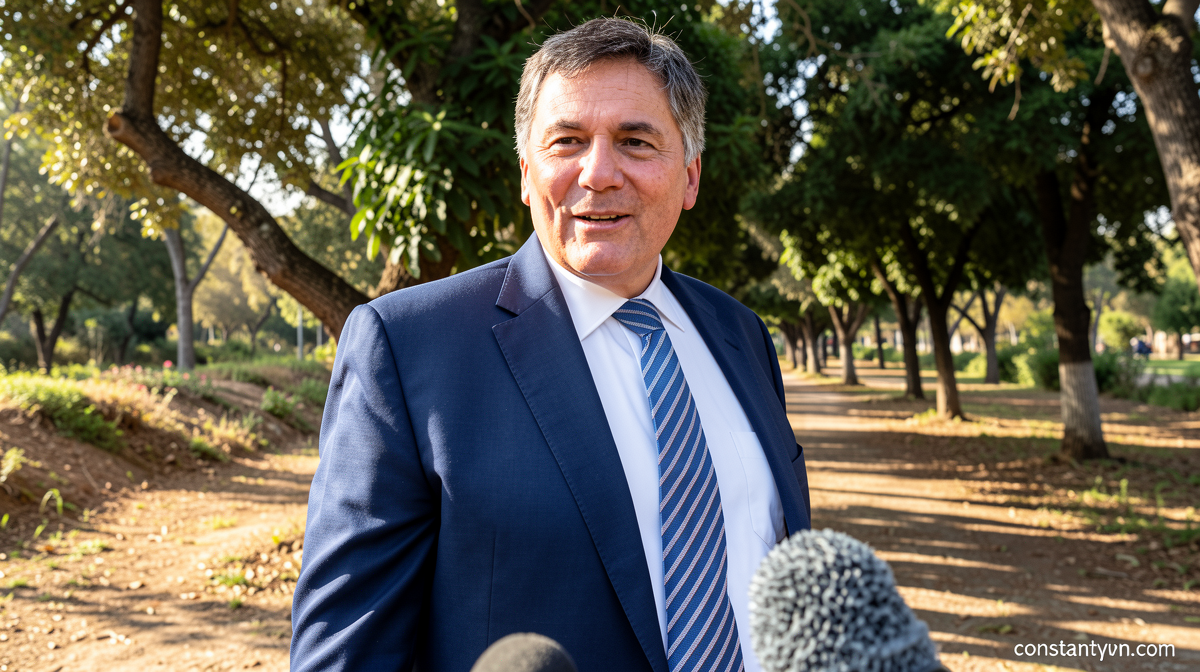
    Constantvpn.com – With the clock ticking toward a midnight cutoff set by the White House, Canadian trade minister Dominic LeBlanc departed a marathon session in Washington on Friday evening with a message that left little room for celebration: the work was unfinished. After roughly eight hours of face-to-face talks with United States trade representative Jamieson Greer and other senior negotiators — one of the longest single sessions of the entire negotiation — LeBlanc told reporters that his team would keep pushing “up until the last minute.”

    “Our job is not finished,” LeBlanc said, adding that negotiators “have more work to do.”

    The stakes of that final push are considerable. Failure to lock in a tentative agreement before the deadline would expose a broad swath of Canadian exports to a fresh tranche of American tariffs, compounding the trade disruption already weighing on manufacturers, farmers, and exporters across the country.

    What the Framework Appears to Contain

    The full text of the proposed arrangement had not been released publicly as of Friday evening, but details that surfaced through multiple media outlets pointed to a partial rollback of the punitive duties imposed earlier in the year. Under the leaked parameters, Washington would cut tariffs on Canadian steel and aluminium from 50 percent to 25 percent, and reduce duties on Canadian-built automobiles from 25 percent to 15 percent. Those figures, while still substantial, represent a meaningful step back from the worst-case scenario that had rattled Canadian industry for months.

    Beyond metals and vehicles, the framework reportedly involves Canada restoring the sale of American alcoholic beverages in its retail channels — a concession that requires buy-in from provincial governments, since liquor distribution falls under provincial jurisdiction. In exchange, Ottawa is said to be weighing expanded market access for American dairy producers and the removal of retaliatory tariffs it had levied on US goods. Canada’s dairy sector, long protected by supply-management rules, sits squarely in the crosshairs of the American negotiating position.

    Trump Signals Momentum, Pauses New Duties

    Hours before the deadline, President Donald Trump declined to confirm that a definitive pact had been struck but characterised the talks as “moving along.” In remarks to reporters on Friday, he framed the negotiation as part of a broader reset of North American trade relationships.

    “We should be able to have a deal with Canada. We’re also starting on a new deal with Mexico. A much better deal for the United States. I only make good deals,” Trump told reporters.

    Simultaneously, the White House announced a three-day pause on new tariffs directed at Canada, effectively buying the negotiators a short window to close remaining gaps without the immediate threat of additional duties landing on Canadian goods.

    Domestic Backlash Tests Carney’s Political Position

    Prime Minister Mark Carney, who campaigned on a tough “elbows-up” posture toward American trade pressure, now faces a fractious coalition of provincial premiers, opposition politicians, and industry leaders who question whether the concessions on the table go too far. Conservative leader Pierre Poilievre dismissed any arrangement that embeds “one-sided” tariffs on Canadian industry as simply “a bad deal.”

    “I am concerned with the de-industrialisation of our economy if our key industries pay one-sided tariffs,” Poilievre told reporters on Friday.

    Manitoba Premier Wab Kinew went further, publicly criticising the shape of the talks and calling Trump a “bad person,” while urging Ottawa to “fight” rather than rush into concessions. Quebec Premier Christine Fréchette, whose province hosts a large dairy industry, said on Thursday she was still analysing what the agreement would mean for local farmers before committing to restoring US alcohol sales. Doug Ford, the outspoken premier of Ontario — Canada’s most populous province — had not yet weighed in publicly. By contrast, the premiers of Nova Scotia and the Yukon territory indicated they were prepared to authorise the return of American liquor to provincial shelves.

    At the municipal level, Mayor Matthew Shoemaker of an Ontario city that is home to the country’s second-largest steel producer told the CBC that a deal retaining 25 percent tariffs on the sector “wouldn’t be something to celebrate.” He expressed worry that the emerging terms would not benefit his community.

    Economic Exposure and Public Sentiment

    The economic arithmetic behind the deadline is stark. An analysis published Thursday by Trevor Tombe, a Calgary-based economist, estimated that implementing the threatened additional 50 percent tariff across a wide basket of Canadian goods — from hockey equipment to wine to cement — could cost roughly 90,000 jobs. That figure has intensified pressure on Carney to reach some form of agreement, even as polling data cuts the other way. A survey conducted by Leger found that 56 percent of Canadians wanted their government to maintain a hardline stance rather than make significant concessions to Washington.

    The mixed signals from inside the country give Carney a narrow corridor: concede enough to avert the worst tariffs, but not so much that the deal reads as capitulation to a base that expects toughness. A leaked audio recording, in which Vice-President JD Vance told attendees at a private fundraiser on Wednesday that Carney had tried to “out-tough Donald Trump” in trade talks, suggests the American side is watching for signs of Canadian resolve as closely as it is watching the tariff numbers.

    As Friday night gave way to the final hours before the deadline, the question for Ottawa was no longer whether a deal existed in principle but whether its terms could survive the gauntlet of provincial approval, opposition scrutiny, and public opinion before the midnight cutoff expired.

    Frequently Asked Questions

    What is We have more work to do says?

    We have more work to do says is the main topic of this guide. The article explains the context, practical details, and next steps readers should understand.

    Why does We have more work to do says matter?

    We have more work to do says matters because readers are looking for a useful answer, not just a short summary. Good content should match search intent and help them decide what to do next.
  • Prince Harry and six others face privacy case legal bill of up to £34.5m

    Prince Harry and six others face privacy case legal bill of up to £34.5m

    Seven Claimants Confront £34.5m Costs Order After Privacy Trial Collapse

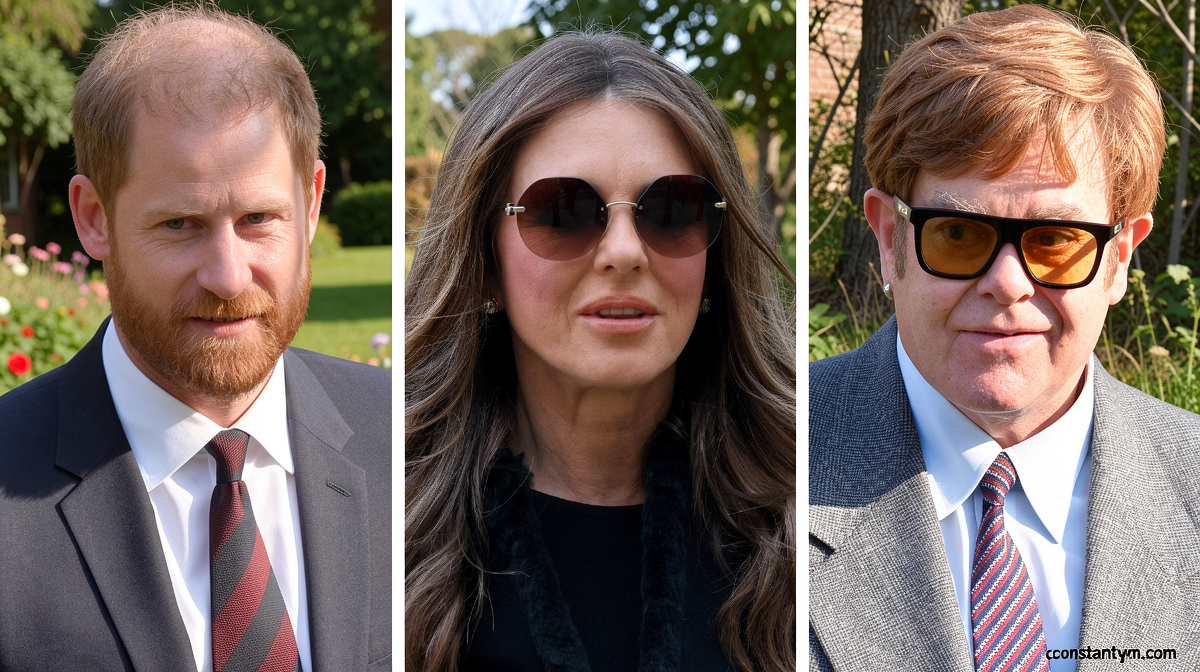
    Constantvpn.com – The Duke of Sussex and six fellow litigants now face a potential legal bill approaching £34.5 million following a High Court judge’s extraordinary costs ruling in their failed privacy action against Associated Newspapers Limited, the parent company of the Daily Mail. The order, handed down by Mr Justice Nicklin, represents one of the most punitive costs determinations in recent English civil litigation and places an immediate cash demand of £9.54 million on the claimants, payable by the Friday following the ruling.

    The Ruling and Its Rationale

    Justice Nicklin dismissed the group’s claims of unlawful information-gathering on 7 July, rejecting allegations that ANL had engaged in covert surveillance and other improper conduct. On Friday, the judge went further, imposing what he described as an exceptional costs order far exceeding the figures the parties had agreed before trial. He characterised the claimants’ conduct throughout the proceedings as “unreasonable to a high degree,” a finding that carried direct financial consequences.

    The judge determined that ANL’s recoverable costs would be assessed on an indemnity basis rather than the standard “reasonable” basis ordinarily applied in English civil cases. Indemnity costs shift the risk of cost overruns onto the losing party and typically yield a substantially higher recovery for the winner. Justice Nicklin acknowledged that a claim exceeding £34 million was, “on its face, excessive and as giving rise to real concerns as to whether all of the costs now claimed by Associated were reasonably incurred and are reasonable in amount.” Nevertheless, he declined to impose a fixed ceiling, reasoning that any cap would be “too broad-brushed, would risk unfairness, and would be vulnerable to the charge that it was arbitrary.”

    Who Is Affected

    Beyond Prince Harry, the seven claimants included Sir Elton John and his husband David Furnish, former Liberal Democrat deputy leader Sir Simon Hughes, racial justice campaigner Baroness Lawrence, and actresses Sadie Frost and Liz Hurley. Baroness Lawrence entered public life after the 1993 murder of her son Stephen Lawrence, a case that became a landmark in British racial justice history.

    The group had secured litigation insurance covering up to £16.2 million of ANL’s costs in the event of defeat. Because the judge’s order pushes the recoverable figure to as much as £34.5 million, the claimants could face an uninsured exposure of roughly £18 million above their policy limit.

    Appeal Window and Immediate Deadlines

    The claimants have until 2 October to lodge an appeal against both the substantive dismissal and the costs determination. Sir Simon Hughes told the BBC he was “disappointed” by the judgement and said he was “taking the time necessary to consider both the substantive and the costs judgment and whether to pursue appeals against decisions in either judgment or both.”

    Publisher Response

    In a statement issued on Friday, Associated Newspapers described the ruling as

    “a devastating critique of an attempt to destroy a newspaper and the reputations of its journalists, editors and executives.”

    The publisher had sought more than £9.9 million as an interim costs payment ahead of detailed cost hearings. Only after securing victory did it become apparent that its actual expenditure had far exceeded the initial agreed cap of £16 million.

    Context: The Trial and Its Aftermath

    The trial saw dozens of witnesses give evidence, including Prince Harry himself, who flew from the United States to attend court in person. Numerous current and former ANL journalists and executives testified, denying any illegal activity. The judge noted it was “striking” that “not a single allegation of serious wrongdoing was voluntarily withdrawn” by the claimants during the proceedings.

    “That matters. Serious allegations of criminality or grave impropriety cannot properly be left hanging over individuals in that way. If a party no longer advances such an allegation, or no longer has a proper evidential basis for advancing it, the allegation should be withdrawn clearly and in terms.”

    Justice Nicklin added that the claimants’ failure to withdraw unsupported allegations “was not ordinary forensic judgment” and “was not a proper or disciplined way to deal with serious allegations.”

    In a joint statement following the substantive ruling last month, Prince Harry and Baroness Lawrence said:

    “We came to court seeking justice and accountability. But we have received neither. It is a complete and obvious whitewash, but sadly not altogether unexpected.”

    Broader Implications

    The costs order arrives at a moment of heightened personal significance for the Duke of Sussex. Just days before the ruling, Prince Harry and Meghan announced their intention to relocate back to the United Kingdom, with their children Prince Archie, seven, and Princess Lilibet, five, set to begin school in September. A potential £18 million uninsured liability could complicate that transition considerably.

    For the wider litigation landscape, the decision signals that English courts will not hesitate to impose indemnity-basis costs orders when they perceive a claimant’s conduct as fundamentally unreasonable. The ruling also underscores the financial risk inherent in multi-claimant privacy actions against well-resourced media defendants: even with insurance in place, the gap between a policy limit and an uncapped indemnity award can be enormous. The case, which had drawn sustained public attention to questions of journalistic surveillance and media accountability, now enters its final procedural phase as the claimants weigh whether to appeal before the 2 October deadline.

    Frequently Asked Questions

    What is Prince Harry and six others face?

    Prince Harry and six others face is the main topic of this guide. The article explains the context, practical details, and next steps readers should understand.

    Why does Prince Harry and six others face matter?

    Prince Harry and six others face matters because readers are looking for a useful answer, not just a short summary. Good content should match search intent and help them decide what to do next.

  • Starmer donates biography of himself to Downing Street library

    Starmer donates biography of himself to Downing Street library

    A Biography Finds Its Place Among 400 Volumes in Number 10’s Private Collection

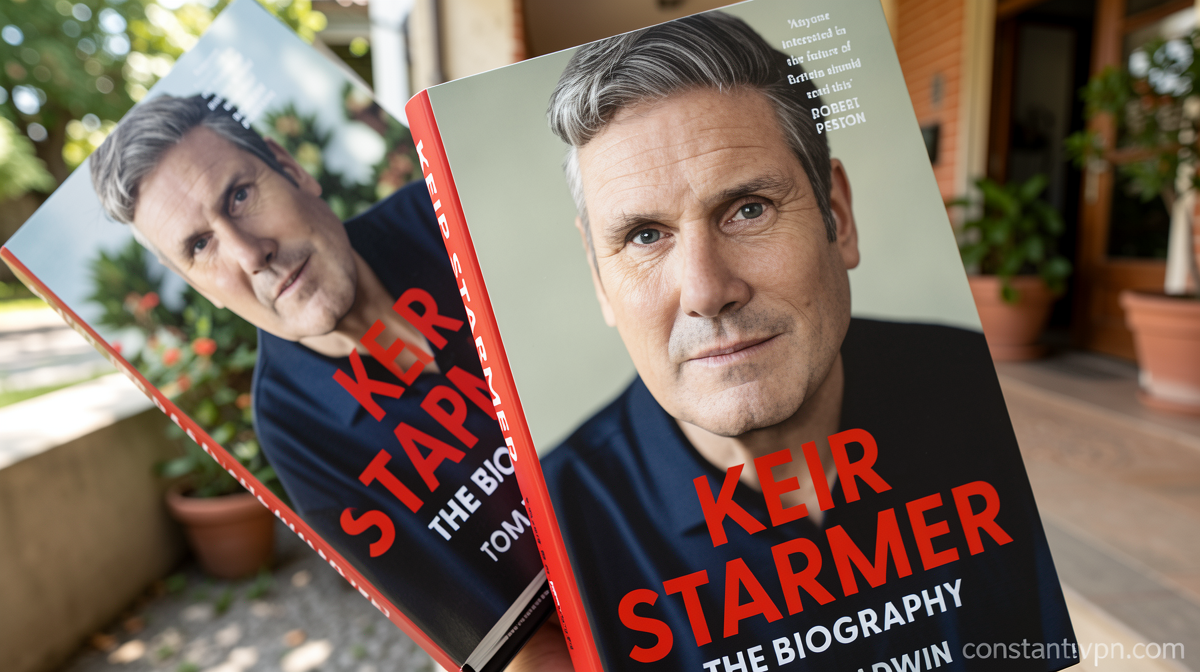
    Constantvpn.com – The shelves inside Downing Street’s Cabinet Room hold more than four centuries of political memory compressed into over 400 books. The latest volume to join that compact archive is a portrait of the man who currently occupies the prime ministerial office. Sir Keir Starmer personally placed a copy of his own authorised biography into the collection, completing a tradition that stretches back nearly a century.

    The work in question, Keir Starmer: The Biography, was authored by Tom Baldwin, a journalist who previously served as a Labour Party adviser. Published in 2024, it traces the trajectory from a young solicitor’s clerk to the head of government. By donating it, Starmer follows a practice dating to the library’s founding era: prime ministers and senior ministers are routinely invited to contribute a title they consider meaningful.

    Seven Ministers Follow Suit

    Starmer was not alone in making a contribution. Seven members of his government also placed books onto the Downing Street shelves, each selecting a work that reflected personal interest or professional identity.

    The donations at a glance

    Rachel Reeves, who served as Chancellor of the Exchequer, contributed her own publication, Alice in Westminster: The political life of Alice Bacon. Darren Jones, a senior minister from 2024 through 2026, offered Laudato Si: On Care for our Common Home, Pope Francis’s encyclical urging stronger environmental stewardship. Culture Secretary Lisa Nandy gave All In: How we build a country that works, her own book on national purpose.

    Nick Thomas-Symonds, who held a Cabinet Office portfolio in the previous government, selected a biography of Harold Wilson, the Labour prime minister of the 1960s and early 1970s. Bridget Phillipson, Women and Equalities minister, chose Choose Freedom: The Future for Democratic Socialism by Roy Hattersley, former Labour deputy leader. Jo Stevens, former Wales Secretary, donated The Fed: a history of the South Wales miners in the twentieth century, co-written by Hywel Francis and Davis Smith. Treasury minister James Murray contributed Instruction to Deliver, in which Sir Michael Barber recounts his years as a civil servant inside Tony Blair’s administration.

    A Tradition Rooted in 1931

    The library did not emerge by accident. Ramsay MacDonald, the first Labour prime minister, formally established it in 1931. MacDonald, the son of a farm labourer and a housemaid, arrived at Number 10 without the private fortune that had equipped many of his predecessors. He lacked the capital to furnish the flat with a substantial personal library, and the shortage was acute enough that, in the years before the collection took shape, his staff were dispatched to the nearest public library to verify quotations and historical facts.

    In a letter to cabinet ministers—both sitting and former—MacDonald laid out the need for a shared reference collection. What began as a practical solution to a budget shortfall evolved into a ceremonial institution. Successive prime ministers and ministers were invited to donate titles, and the shelves grew slowly, deliberately, over decades.

    An Eclectic and Unpredictable Collection

    Anyone who browses the two bookcases in the Cabinet Room encounters a range that defies easy categorisation. Weighty tomes on constitutional law sit beside translations of Aristotle’s Rhetoric and an analytical concordance to the Holy Bible. Winston Churchill deposited his own The World Crisis, 1911–18. Clement Attlee contributed Purpose and Policy, a selection of speeches. Margaret Thatcher placed her memoir, The Downing Street Years, among the volumes.

    Personal passions surface in unexpected ways. Ted Heath donated books on music and sailing. Harold Macmillan, a devoted reader, gave a collection of Rudyard Kipling titles. Foreign Secretary Edward Grey contributed The Charm of Birds; Deputy Prime Minister Michael Heseltine offered Sea Songs; Chancellor Geoffrey Howe provided The Book of French Wines. Conservative minister Iain MacLeod added Bridge is an Easy Game, inscribed with a wry remark that, per the Times, read:

    “Perhaps this is the only book in this library which will bring true profit to its readers.”

    Even the more arcane finds its place. Magic Symbols of the World, authored by Pearl Binder, sits on a shelf donated by her husband, Frederick Elwyn-Jones—a volume that, as one observer wryly noted, might tempt a desperate prime minister seeking miraculous solutions.

    Not every donation earns a spot in the visible bookcases. Some titles are stored in the lower levels of the building, preserved but out of sight. Authors as varied as Jeremy Clarkson and Sir David Attenborough have had works accepted into the collection.

    Reading Habits at the Top

    Starmer’s relationship with literature has drawn public attention. In a 2024 interview he struggled to name a favourite novel, and when he appeared on Radio 4’s Desert Island Discs he selected an atlas as the single book he would carry to a stranded island. His successor, Andy Burnham, an English Literature graduate, has spoken openly about his affection for poetry, naming Tony Harrison and Philip Larkin as particular favourites.

    Burnham is unlikely to make a library donation at this early stage of his premiership. Yet should he ever find time to browse the shelves, he will encounter a collection that spans millennia of thought, from ancient rhetoric to twentieth-century memoir, from Welsh mining history to papal environmental theology—a small, idiosyncratic archive that mirrors the full spectrum of British political life.

    Academic Attention

    The library has attracted sustained scholarly interest. Professor Clement Macintyre of the University of Adelaide has conducted extensive research into its contents and history. His work confirms that before the 1930s the collection was modest in size, and that the gap in available reference material shaped how early occupants of Number 10 conducted their daily business. MacDonald’s own correspondence reveals the practical urgency behind what would become a ceremonial tradition: a prime minister who could not afford a library had to build one, one donated volume at a time.

    Frequently Asked Questions

    What is Starmer donates biography of himself to Downing?

    Starmer donates biography of himself to Downing is the main topic of this guide. The article explains the context, practical details, and next steps readers should understand.

    Why does Starmer donates biography of himself to Downing matter?

    Starmer donates biography of himself to Downing matters because readers are looking for a useful answer, not just a short summary. Good content should match search intent and help them decide what to do next.
  • The town whose council wants migrants to move in

    The town whose council wants migrants to move in

    Scotland’s West Coast Town Bets Its Future on Welcoming New Arrivals

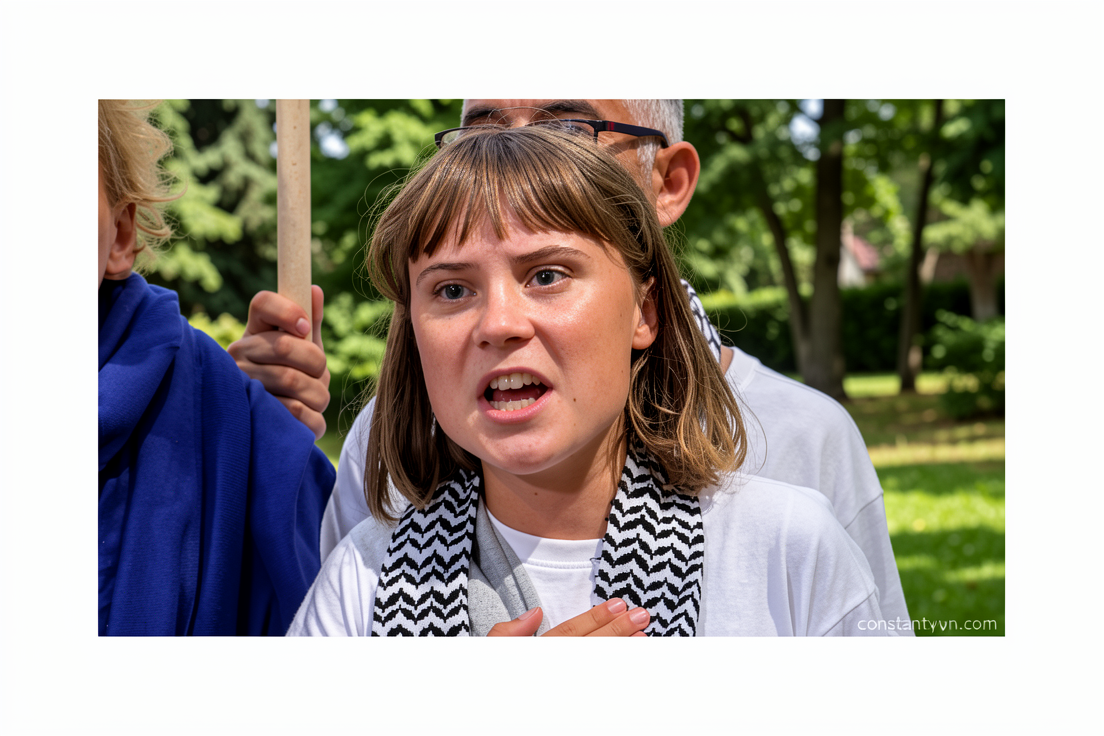
    Constantvpn.com – On a quiet stretch of Greenock’s High Street, a shopfront that did not exist five years ago now displays crates of yams, bundles of plantain, jars of okra, and whole catfish. Anik African Store, which opened its doors in May, has planted a small slice of Nigerian commerce into a Scottish coastal town that has watched its population bleed away for decades. Just metres down the same road, a second African grocery caters to the same growing community. The transformation is visible, rapid, and — according to the local council — deliberately encouraged.

    Inverclyde Council, which governs Greenock and the surrounding area, has placed repopulation at the very top of its strategic agenda. The authority’s plan explicitly seeks to attract additional legal migrants and people granted refugee status, while also trying to persuade those already working or studying in nearby Glasgow and Paisley to put down permanent roots closer to home. The rationale is stark: no local authority in Scotland has suffered a steeper demographic slide. Inverclyde’s resident count now stands at roughly 78,000, a figure 22,000 lower than it was in 1981. Projections suggest another 16 per cent decline over the coming twenty years unless the trend is reversed.

    A Shopkeeper’s Welcome

    Christianah Omilana, who arrived in the United Kingdom in 2021, runs Anik African Store and describes the reception she has received from Greenock residents as overwhelmingly warm.

    “Scottish people are lovely and accommodating,” she says. “Immigrants will come when there is work.”

    Her assessment echoes the experience of Sunday, a recent arrival from Devon who has taken up a post at a Glasgow hospital while his wife works at Inverclyde Royal Hospital in Greenock. He describes the town as “lovely, friendly” and frames the council’s job-creation ambitions as the single variable that could reshape the area’s demographics.

    “If the local council can provide [jobs], everything in Greenock will change, because people [from Africa] would like to come,” he says.

    The Economic Wound Beneath the Strategy

    Yet the very absence of employment is what hollowed out Greenock in the first place. Walk through the town’s commercial centre and the vacancies are as conspicuous as the new arrivals. Tiffany, a 29-year-old mother of one whom we met at a local parent-and-toddler group, left Greenock years ago to find work and returned to raise her child. Now she is weighing another departure.

    “It’s a ghost town,” she says. “There’s just nothing in it. There’s nothing to do, there are no shops. There is no employment.”

    “I’m struggling to find jobs that suit both childcare and myself. I’ve considered moving from here to Paisley because there is so much more to do there.”

    The industrial collapse is not a recent blip. In the nineteenth century, Greenock earned the moniker “Sugaropolis” as a global hub for refining sugar. Shipbuilding sustained the town for nearly three centuries. More recently, IBM maintained a campus nearby employing more than 5,000 staff until the site shut entirely in 2016. In the four years since, a further 1,500 positions have evaporated. Amazon, EE, and a string of other employers have relocated. This week, the local shipyard announced it would cut approximately a quarter of its workforce. Greenock Morton, the town’s football club, has launched a fan-led fighting fund to ward off financial collapse.

    Scotland’s First Minister, John Swinney, is scheduled to visit Greenock this month to hear the community’s grievances first-hand — a signal that the scale of the problem has reached the highest levels of government.

    Who Stays, Who Leaves, Who Remembers

    Many of the African residents now living in Greenock hold skilled-work visas — commonly called sponsorship — and are employed in health and social-care roles, often commuting to Glasgow or Paisley for shifts. Cheap housing has drawn them to the town, and the council’s repopulation strategy is built on converting that temporary presence into permanent settlement. But for locally born residents and newly arrived refugees, suitable work remains scarce.

    At Lyle Gateway Community Cafe, housed in a church a short walk from the High Street, dozens of elderly residents gather between rounds of table tennis and inexpensive, hearty meals. Muriel, one of the regulars, offers a blunt summary of what decades of depopulation have done to the town’s character.

    “When the work disappears, people disappear.”

    She and fellow regular Pamela recall a Greenock that was full of footfall, full of open shopfronts, full of the ordinary noise of a town where people wanted to be. That memory now functions less as nostalgia and more as a benchmark — a measure of how far the place has fallen, and how much the council’s migrant-attraction plan would need to succeed before the gap begins to close.

    The stakes extend beyond one town. If Inverclyde’s experiment in demographic renewal works, it could offer a template for other post-industrial communities across Scotland and the wider UK that face the same arithmetic: fewer residents, fewer taxpayers, fewer customers, fewer reasons for services to remain. If it fails, the projection of another 16 per cent population loss becomes not a forecast but a schedule.

    Frequently Asked Questions

    What is The town whose council wants migrants?

    The town whose council wants migrants is the main topic of this guide. The article explains the context, practical details, and next steps readers should understand.

    Why does The town whose council wants migrants matter?

    The town whose council wants migrants matters because readers are looking for a useful answer, not just a short summary. Good content should match search intent and help them decide what to do next.

  • A split in the spectrum? The ongoing battle to define autism

    A split in the spectrum? The ongoing battle to define autism

    When the Label Expands: England’s Autism Diagnosis Surge and the Fight Over Who Counts

    Constantvpn.com – A government-commissioned independent review examining the sharp rise in diagnoses of neurodivergent conditions — including autism and ADHD — alongside a steep climb in reported poor mental health is expected to be published in the coming weeks. Its findings will land in a landscape already fractured by a bitter dispute over whether the autism label has stretched beyond its useful boundaries, or whether it has finally begun reaching the people who need it most.

    The numbers behind the controversy are stark. In England, the count of adults and children carrying an Autism Spectrum Disorder (ASD) diagnosis on their GP record jumped from just over 700,000 three years ago to roughly 1.1 million today. The National Autistic Society points to evidence of significant underdiagnosis, especially among women and older adults who were overlooked by earlier, narrower diagnostic criteria. Yet the very same surge has prompted a vocal minority of researchers to ask whether some of those new diagnoses are, in fact, errors.

    The Voice That Split the Community

    At the centre of that minority sits Professor Dame Uta Frith, an 85-year-old cognitive scientist whose work on autism stretches back to the 1960s. She has argued that the autistic spectrum has effectively collapsed because the people now included under it have such radically different needs that the shared label obscures more than it clarifies. Her concern is not abstract: she worries that autistic individuals who require intensive, ongoing support are being crowded out of services and research attention by a flood of milder presentations.

    “In my worst moments, I think it’s a great number, but in my best moments, I think it is a small number.”

    That was Frith’s measured response when pressed on how many people she believes have been wrongly told they are autistic. She stopped short of giving a figure, but her framing — misdiagnosis rather than overdiagnosis — has drawn sharp criticism from fellow researchers, charities, and autistic advocates who call her position “dangerous” and “misinformation,” arguing it pits autistic people against one another and threatens hard-won identity and rights.

    A History Written in Shifting Definitions

    The question of what autism actually is has never had a single, stable answer. The term was coined in 1911 to describe what was then understood as a symptom of childhood schizophrenia — excessive fantasies and hallucinations. By 1943, clinicians were using it to label children displaying what one observer called “fascinating peculiarities,” children who seemed disinterested in the world around them. Through the 1960s, estimates placed childhood autism at roughly 0.04% of the population, and most affected children also carried intellectual disabilities.

    The early 1980s brought a conceptual rupture. Researchers began embracing the notion of an autism spectrum, arguing that autistic individuals could possess average or even exceptionally high intelligence. This broader category was initially called Asperger’s Syndrome, named after a little-known Austrian paper from the 1940s. The term has since been retired. In 2013, ASD became the single official diagnostic umbrella for all autistic people, folding together presentations that range from non-verbal individuals requiring round-the-clock care to high-functioning adults who navigate professional life with relative independence.

    The Human Cost Beneath the Debate

    Behind the statistics and the academic argument sits a person like James Fitzpatrick, a 34-year-old man who does not speak, lives with a learning disability, and requires constant daily care. His existence is the reason Frith says she feels “almost a duty” to speak: she believes autistic people with intellectual disabilities are being ignored both in research and in public awareness. Approximately one-third of autistic people have intellectual disabilities, yet a 2019 study found they constituted only about 6% of participants in autism research.

    The backlash against Frith has been personal as well as professional. Social media has alternately hailed her as a “pioneer” and a “brilliant” figure and branded her a “traitor” and an “out-of-touch grifter” who is “past her sell-by date.” During one interview, she received an email — hate mail — telling her she would have blood on her hands, laced with expletives. She chose to continue speaking.

    “Some people would say it would be better for me to stop. But I want to get at the truth.”

    She hesitated for years before voicing her concerns, partly because, in her own words, she “really, really” did not want to hurt people. That hesitation, and the ferocity of the response it eventually provoked, underscore how deeply the autism label is woven into identity, access to services, and political advocacy.

    What Comes Next

    Whatever the pending government review concludes, it is unlikely to settle a question that has been contested for over a century: where the boundaries of autism lie, and whether a single diagnostic category can serve people whose needs span the full range of human cognition and communication. For advocates, the stakes are concrete — funding, support services, inclusion in research, and the right to be seen. For scientists, the stakes are methodological — whether a spectrum label helps or hinders targeted intervention. And for individuals like Fitzpatrick, the stakes are simply whether the system will find them, support them, and not lose them in the noise of a debate about labels.

    Frequently Asked Questions

    What is A split in the spectrum The ongoing?

    A split in the spectrum The ongoing is the main topic of this guide. The article explains the context, practical details, and next steps readers should understand.

    Why does A split in the spectrum The ongoing matter?

    A split in the spectrum The ongoing matters because readers are looking for a useful answer, not just a short summary. Good content should match search intent and help them decide what to do next.