Author: Barbara Brown – constantvpn.com

  • Boy, seven, among four injured after crash that killed five teenagers

    Boy, seven, among four injured after crash that killed five teenagers

    Five Teenagers Dead After Wrong-Way Crash on Ireland’s M9 Motorway

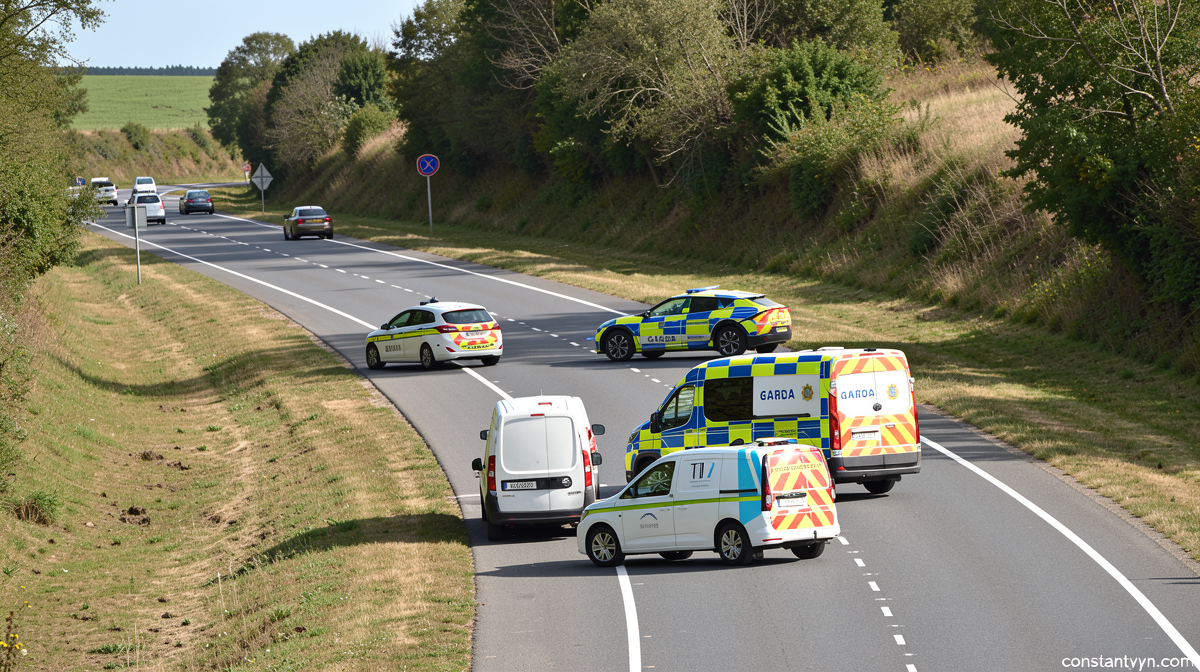
    Constantvpn.com – Five young men lost their lives in a head-on collision on the M9 motorway near Moone, County Kildare, early Sunday morning, after driving the wrong way down the northbound carriageway. The crash, which struck at approximately 03:00 local time between Junction 3 and Junction 4, also left four members of another family seriously injured — including a seven-year-old boy — who had been en route to Dublin Airport for a holiday.

    The five teenagers killed were identified locally as Joe Carthy of Athy, County Kildare; Alex McCarthy of Carlow; Kamil Pustkowski of Limerick; Jeremy O’Brien; and Jack Kennedy. Their deaths have sent shockwaves through communities across the country and prompted an immediate wave of condemnation from government, police leadership, and the Catholic Church.

    The Injured Family

    Four people from a single family were critically affected by the impact. Two women, both in their thirties, remain in critical condition in hospital. A third woman, in her twenties, and the seven-year-old boy are listed in serious condition. The family, believed to hail from the Carlow area, had been travelling toward the airport when their vehicle met the wrong-way drivers at speed.

    The timing of the crash — in the small hours of Sunday morning — meant the injured family was likely making an early departure for a planned holiday, a detail that has deepened the sense of tragedy among those close to them.

    Political and Police Response

    Taoiseach Micheál Martin described the deaths as bringing “untold grief” and said his thoughts and prayers were with the injured and the bereaved. He called the incident the “second appalling crash we’ve seen on our roads in a matter of days as a result of the reckless driving of a car on the wrong side of the motorway, endangering the lives of innocent road users.”

    “It is an irresponsible and dangerous act, and it is shocking that in some cases it is being done for likes on social media,” Martin said.

    Garda Commissioner Justin Kelly labelled the event a “horrific incident” and pointed to “irresponsible and dangerous driving” as the cause. He drew particular attention to the role of social media in motivating some drivers to perform stunts on public roads.

    “What makes this reckless behaviour even more appalling is that in some cases it is being done for social media likes regardless of the potentially devastating impact it might have on innocent people and themselves,” Kelly said. He added that police “do what they can to stop such vehicles while also taking into consideration all other road users.”

    Minister for Justice Jim O’Callaghan condemned the driving “in the strongest possible terms” as “reckless criminal behaviour.” Speaking on Monday, he stressed that anyone who deliberately drives the wrong way down a motorway is engaged in “lethally dangerous behaviour and it must stop.” O’Callaghan confirmed he had spoken with Commissioner Kelly and assured him that gardaí “will have whatever resources they require from government in order to respond to this threat to public safety.”

    Call for Tougher Legislation

    The Garda Representative Association (GRA) urged lawmakers to introduce stricter penalties for drivers who endanger others on the road. GRA spokesperson James Morrisroe compared the behaviour to playing “Russian roulette” with their own lives and those of innocent members of the public.

    The incident has intensified an ongoing debate in Ireland about whether existing road-traffic penalties are sufficient to deter drivers from treating motorways as stages for short-video content. With several near-fatal wrong-way incidents recorded in recent weeks, pressure is mounting on the government to consider enhanced sentencing, mandatory licence revocation, and targeted enforcement on high-speed routes such as the M9 corridor linking Dublin to the midlands.

    Social Media Platforms Respond

    O’Callaghan placed part of the responsibility on the platforms themselves, stating that social media companies “have a big responsibility in respect of this” and that their own codes of practice pledge not to allow postings that “glorify criminal behaviour.”

    “Regrettably, that hasn’t been happening and social media companies need to step up to the mark as well in respect of their own responsibilities,” he said.

    TikTok said it was closely monitoring content linked to the crash and removing videos and accounts that breached its rules. Meta, parent company of Facebook and Instagram, confirmed it restricts users under 18 from seeing content deemed unsuitable, including footage of dangerous driving.

    Community in Mourning

    Local clergy described a community left stunned and searching for meaning. Fr Seamus McEntee, a parish priest in the area, said people were “struggling for words to try and make sense” of what happened.

    “People are bewildered, people are shocked, people are finding it just really hard to understand,” he said. “Bits of the jigsaw puzzle are coming together, the story is emerging, but people are saying ‘maybe that could have been me on the way to the airport.’”

    Fr Tom Little, another priest in contact with several of the bereaved families, described them as heartbroken. He said he had also reached out to the family of the injured women and boy to wish them a speedy recovery.

    “It’ll be a long road too to recover from the families that have lost loved ones,” Little said. “We express our deepest sincere sympathy to them in their loss and our prayers and our thoughts are for those that are injured and wish speedy recover[y].”

    The M9 remains one of Ireland’s busiest arterial routes, carrying commuter, freight, and airport-bound traffic between Dublin and the midlands. A wrong-way entry at Junction 3 places a vehicle directly in the path of northbound traffic travelling at motorway speeds, making a head-on collision at night particularly lethal. Investigators are expected to examine whether the wrong-way drivers entered at the junction or reversed from a hard shoulder, and whether any social-media recording was in progress at the time of impact.

    Frequently Asked Questions

    What is Boy seven among four injured after?

    Boy seven among four injured after is the main topic of this guide. The article explains the context, practical details, and next steps readers should understand.

    Why does Boy seven among four injured after matter?

    Boy seven among four injured after matters because readers are looking for a useful answer, not just a short summary. Good content should match search intent and help them decide what to do next.

  • Murder inquiry after man bitten by dog dies

    Murder inquiry after man bitten by dog dies

    Man Killed in Dog-Bite Altercation on Wakefield Footpath Faces Murder Inquiry

    Constantvpn.com – A fatal confrontation between two men on a quiet walking route in West Yorkshire has escalated into a formal murder investigation after a 55-year-old man succumbed to injuries sustained when a dog attacked him during the dispute. The victim was rushed to hospital in critical condition following the incident on Saturday afternoon and died before the evening was out, leaving police working to reconstruct exactly how the brief exchange turned deadly.

    The Incident

    The altercation unfolded around 13:30 BST on a disused railway line that runs off Blacker Lane in Calder Grove, a residential pocket of Wakefield. The stretch of former rail corridor has long been used by local walkers and dog owners as a convenient off-road path, making it a familiar setting for residents of the surrounding streets. What began as a disagreement between two men quickly turned violent when a German Shepherd dog became involved, biting the victim and inflicting wounds severe enough to prove fatal within hours.

    The injured man was transported to hospital in a critical state. Despite medical intervention, he died shortly after 19:00 on the same Saturday, meaning the interval between the bite and his death was roughly five and a half hours.

    Arrest and Custody

    West Yorkshire Police moved swiftly to detain a suspect. A 55-year-old man was arrested on two counts: murder, and being the owner of a dog dangerously out of control in a public place, causing injury. He remained in police custody as the investigation opened. The German Shepherd believed to have delivered the fatal bite was seized by officers at the scene and is being held for examination as part of the ongoing inquiry.

    Appeal for Witnesses

    Officers have specifically asked two bystanders who paused to assist the wounded man to come forward and give statements. One of the pair is identified by the name Sophie. Police emphasised that their testimony could be pivotal in piecing together the sequence of events that led to the fatal outcome.

    Det Ch Insp Michael Cox, leading the investigation, addressed the public directly:

    “Sadly, a man has died and it is really important that we understand the circumstances of what has taken place.”

    He continued, noting the role of the two helpers:

    “We know that two people, one named Sophie, stopped to assist the injured man and direct officers.”

    Cox then broadened the appeal beyond those two individuals:

    “We would urge these two people to come forward to help us with our ongoing inquiries into this tragic incident.”

    He added a further call for anyone who may have observed or heard the exchange:

    “The initial altercation happened in an area used by walkers and we are urging anyone who has seen or heard any part of the exchange between these two men to please make contact.”

    Legal Context: Dog-Owner Liability in England and Wales

    The charge of being the owner of a dog dangerously out of control in a public place sits within the Dogs Act 1906, a piece of legislation that has governed canine behaviour on public thoroughfares for more than a century. Under that statute, an owner can be prosecuted if their dog is found at large in a street or public place and is not under sufficient control, particularly where the animal causes injury to a person. In practice, prosecutions under the Act are relatively uncommon compared with civil claims, but they carry a maximum fine and can be combined with more serious criminal charges when the circumstances suggest the owner’s conduct contributed to the danger.

    When a dog bite results in death, the case typically proceeds under common-law murder or manslaughter provisions, with the prosecution required to establish that the owner owed a duty of care over the animal and that a breach of that duty caused the fatal injury. The specific facts of how the dog was deployed, whether it was leashed, and the nature of the preceding verbal exchange will all be scrutinised by investigators and, ultimately, by a coroner’s inquest.

    Disused Railways as Community Spaces

    Across the United Kingdom, abandoned railway corridors have been repurposed into walking and cycling routes, often forming part of local greenway networks. In West Yorkshire, several such paths thread through suburban and semi-rural areas, offering residents a free, car-free environment for exercise. Their popularity, however, means that disputes between users—whether over right-of-way, dog behaviour, or simply a perceived slight—can occur in settings where help may be minutes away and where the terrain, with its uneven ballast and overgrown verges, complicates any emergency response.

    The Calder Grove section, running parallel to Blacker Lane, is one such corridor. Its proximity to residential streets means that passers-by, including the two individuals who intervened on Saturday, are not unusual. Police noted the area’s regular use by walkers when framing their appeal for additional witnesses, recognising that even a brief scuffle in such a location is likely to have been observed by someone nearby.

    What Happens Next

    The investigation will now follow the standard trajectory for a homicide inquiry: forensic examination of the scene, post-mortem findings, review of any available CCTV from neighbouring properties, and detailed interviews with the two witnesses and any other observers. The seized German Shepherd will be assessed by veterinary officers, and its medical history may be requested from the owner. The arrested man will be dealt with through the Crown Court process, where a jury will ultimately determine whether the elements of murder are satisfied or whether the case should be treated under a lesser charge.

    For the community of Calder Grove and the wider Wakefield area, the death of a man on a path he likely walked many times before underscores how quickly a routine afternoon stroll can become a scene of tragedy when a dog, a disagreement, and a lack of immediate medical intervention converge in the same few minutes.

    Frequently Asked Questions

    What is Murder inquiry after man bitten by dog?

    Murder inquiry after man bitten by dog is the main topic of this guide. The article explains the context, practical details, and next steps readers should understand.

    Why does Murder inquiry after man bitten by dog matter?

    Murder inquiry after man bitten by dog matters because readers are looking for a useful answer, not just a short summary. Good content should match search intent and help them decide what to do next.

  • Reform UK benefits ban for foreign nationals would include EU citizens

    Reform UK benefits ban for foreign nationals would include EU citizens

    Reform UK Proposes Sweeping Benefits Exclusion for Foreign Nationals, Including EU Settled-Status Holders

    Constantvpn.com – Britain’s welfare system faces its most ambitious restructuring proposal in years as Reform UK prepares to unveil a plan that would bar foreign nationals from nearly every major benefit stream. The announcement, set to be formalised in a Monday speech by the party’s shadow chancellor Robert Jenrick, marks the latest chapter in a six-month drafting exercise that produced a 50-page policy document. At its core, the proposal would strip non-British citizens of access to housing benefit, pension credit, jobseeker’s allowance, child benefit, free childcare, and disability payments — a list that, in practical terms, covers the vast majority of working-age and family welfare support.

    The scope of the exclusion extends well beyond recent arrivals. European Union nationals who hold settled status — meaning they have typically resided continuously in the UK for five years and possess an indefinite right to live, work, and study — would also be caught by the ban. That detail carries significant diplomatic weight, because it would effectively require renegotiating the post-Brexit withdrawal agreement concluded under the previous Conservative government. In return, Brussels could move to revoke equivalent protections for British expatriates currently residing across the continent, a tit-for-tat dynamic Reform says it has modelled at an estimated £500m annual cost if large numbers of British citizens return home to claim benefits.

    The Financial Case and Its Critics

    Reform projects annual savings of £21bn by the fifth year of implementation, with cumulative reductions totalling £50bn per year across the full plan. For context, the current government anticipates spending £322bn on welfare across Great Britain this fiscal year — roughly 10.6% of GDP — with just over half of that sum flowing to pensioners. The party frames its intervention as a correction to what it calls a structural imbalance in who receives public support.

    “Forcing British workers to pay for the benefits of foreigners is not just economically illiterate but plain immoral,” Jenrick said in a statement accompanying the announcement. “People are more than happy to support their neighbours in hard times, but the British taxpayer cannot afford to subsidise everyone on the planet, especially those who have not paid in.”

    Opposition responses have been swift and pointed. Labour argued that the “vast majority” of migrants already have no meaningful access to the benefits system, making the proposal a solution searching for a problem. The Conservatives, through shadow pensions secretary Helen Whately, dismissed the package as “cobbled together” and redirected attention to domestic priorities.

    “Rather than disputes about Brexit, British people want welfare spending under control, abuse stamped out and dignity for people who are seriously disabled,” Whately said.

    The Liberal Democrats framed the debate around service delivery, contending that repairing the NHS and social-care infrastructure is the genuine lever for reducing the benefits bill. The Greens took a sharper tone, calling it “cowardly to take from the most defenceless when we should be taxing the super wealthy including those who are in the privileged position of accepting £5m donations” — a pointed reference to the £5m gift made to Reform leader Nigel Farage before he entered Parliament, now under scrutiny by the parliamentary standards watchdog.

    What the Plan Would Actually Change

    Beyond the nationality-based exclusion, the broader welfare overhaul announced alongside the benefits ban includes the replacement of the Personal Independence Payment (Pip) system, the current main disability benefit for people whose daily living is affected by long-term physical or mental conditions. Reform had previously committed to barring foreign nationals from Universal Credit, the consolidated means-tested payment that replaced several older benefits in 2013; the new proposal extends that logic to virtually every remaining stream.

    A narrow set of exemptions would survive the cut: the war widows pension and Armed Forces compensation schemes would remain accessible regardless of nationality. The party presented these as honour-based obligations distinct from the welfare architecture it seeks to dismantle.

    Brexit Revisited: The Diplomatic Stakes

    The settled-status dimension transforms what might otherwise be a domestic budget measure into a potential renegotiation of the UK-EU relationship. Settled status was negotiated as part of the 2016 Brexit referendum’s aftermath, granting EU citizens already in Britain a permanent right to remain. Altering the benefits landscape for that cohort would, in legal and political terms, reopen a settled chapter of the withdrawal agreement. Labour warned the move would be “plunging the UK back into years of Brexit renegotiations and stripping support from potentially millions of people who have lawfully lived, worked and paid taxes in Britain for years, and in many cases decades.”

    For the roughly 3.5 million EU nationals who registered under the settled-status scheme before the end of the transition period, the proposal raises questions about the practicality of means-testing by nationality in a system where many claimants have contributed to National Insurance for well over a decade. Reform’s own modelling, as disclosed, focuses on the fiscal arithmetic of the savings rather than the administrative complexity of verifying nationality across every benefit claim.

    Political Timing and Broader Context

    The unveiling lands in a period when welfare spending has become a central fault line across the political spectrum. With public finances under sustained pressure and pension commitments locked in by the triple-lock guarantee, every major party is now competing to define who bears the cost of an ageing population. Reform’s strategy — pairing pension protection with a hard nationality line on working-age benefits — attempts to thread that needle while courting voters who feel the benefits system has outgrown its original purpose. Whether the plan survives contact with parliamentary scrutiny, EU diplomatic pushback, and the practical realities of administering a nationality-based exclusion across dozens of benefit programmes remains to be seen. What is certain is that Monday’s speech will place the question of who qualifies for public support at the centre of the next electoral debate.

    Frequently Asked Questions

    What is Reform UK benefits ban for foreign?

    Reform UK benefits ban for foreign is the main topic of this guide. The article explains the context, practical details, and next steps readers should understand.

    Why does Reform UK benefits ban for foreign matter?

    Reform UK benefits ban for foreign matters because readers are looking for a useful answer, not just a short summary. Good content should match search intent and help them decide what to do next.
  • France’s top court blocks social media ban for under-15s

    France’s top court blocks social media ban for under-15s

    French Constitutional Court Halts Under-15 Social Media Prohibition

    Constantvpn.com – France’s highest constitutional authority has invalidated a landmark legislative measure that would have prohibited children under fifteen from accessing social media platforms. The decision, delivered on Friday, centers on concerns that the prohibition unduly restricted fundamental rights to free expression and communication for younger citizens.

    The legislation, which received parliamentary approval in July, positioned France as the pioneering European nation to implement such restrictions. Lawmakers had been motivated by growing evidence suggesting that excessive social media use could negatively impact adolescent psychological wellbeing. President Emmanuel Macron had committed to rolling out the prohibition progressively, beginning in September of this year.

    Constitutional Council’s Reasoning

    The nine-member Constitutional Council, France’s constitutional oversight body, determined that the core provision of the legislation violated constitutional protections. In its formal assessment, the council concluded that Article 1 of the law “constitutes an infringement that is neither appropriate, necessary, nor proportionate” when balancing restrictions against the freedom of expression and communication guaranteed to under-15s.

    Beyond the freedom of expression concerns, the council identified deficiencies in the law’s approach to age verification. The ruling highlighted that the legislation failed to establish “the legal safeguards necessary” to protect users while implementing the age-based restrictions. The court noted particular concerns about how the law required proof of age for accessing online services without adequate procedural protections.

    Government Response and Legislative Path Forward

    President Macron reacted swiftly to the judicial decision, immediately instructing Prime Minister Sébastien Lecornu to draft revised legislation that addresses all points raised by the constitutional council. Lecornu had previously referred portions of the original bill to the council for constitutional review following parliamentary approval last month.

    Macron’s presidential office confirmed that the French government would move “as quickly as possible” to present an updated legislative proposal. The president remains committed to seeing the social media reform fully implemented by early 2027, demonstrating political determination to overcome the constitutional setback.

    Original Legislative Framework and Implementation Timeline

    The initial legislation envisioned a two-phase rollout. Beginning in September, all individuals under fifteen would have been prohibited from creating new social media accounts, with mandatory verification required for every new registration. Starting in January, the restrictions would have extended to cover all existing accounts held by under-15 users.

    The rapid legislative timeline drew criticism from various stakeholders. Opponents questioned whether the law was sufficiently tested and argued that the implementation schedule was too aggressive. Concerns centered on multiple fronts: potential privacy violations through age verification mechanisms, doubts about the technical reliability of age-checking tools, the likelihood that teenagers would circumvent restrictions, and whether adequate time had been allocated for proper development and deployment.

    European and Global Context

    France’s legislative journey reflects a broader international movement toward regulating youth social media access. Australia became the first nation globally to enact such restrictions, implementing a prohibition for those under sixteen last December. Despite the legal framework, observers note that many Australian teenagers continue using social platforms through various means of circumvention.

    European policymakers have been increasingly active in this domain. In May, European Commission President Ursula von der Leyen introduced the concept of a “social media delay” for EU children, suggesting that comprehensive legislation could emerge within months. Meanwhile, the United Kingdom has moved in a similar direction, with former Prime Minister Sir Keir Starmer announcing in June that British under-16s would face a social media prohibition beginning in January 2027. The UK proposal also included an optional midnight curfew for teenagers aged sixteen and seventeen.

    Implications for Future Legislation

    The constitutional council’s ruling does not necessarily end France’s ambitions for youth social media regulation. Rather, it provides a roadmap for crafting legislation that can withstand constitutional scrutiny. The government must now balance effective age verification with robust protections for freedom of expression and adequate legal safeguards for young users.

    The ruling also carries implications for social media companies operating in France. Platforms will need to develop age verification systems that are both technically effective and constitutionally sound. The challenge lies in creating mechanisms that prevent underage access without imposing disproportionate burdens on legitimate users or creating privacy vulnerabilities.

    As France works toward its revised legislation, the outcome may influence how other European nations approach similar regulatory frameworks. The constitutional council’s emphasis on proportionality and necessity suggests that future legislation must demonstrate clear evidence of harm while ensuring that restrictions are tailored to address specific concerns without overreaching.

    The path forward requires careful calibration between protecting young people’s wellbeing and preserving their rights to digital participation. With Macron’s commitment to implementation by early 2027, France continues to position itself at the forefront of European efforts to navigate the complex relationship between social media and youth development.

    Frequently Asked Questions

    What is France s top court blocks social?

    France s top court blocks social is the main topic of this guide. The article explains the context, practical details, and next steps readers should understand.

    Why does France s top court blocks social matter?

    France s top court blocks social matters because readers are looking for a useful answer, not just a short summary. Good content should match search intent and help them decide what to do next.
  • Many Canadians are boycotting the US, so this is where they’re travelling instead

    Many Canadians are boycotting the US, so this is where they’re travelling instead

    Canadian Travelers Turn Inward as US Boycott Gains Momentum

    Constantvpn.com – Across Canada, a growing movement of travelers is redirecting their vacation dollars away from the United States. What began as a reaction to political tensions has evolved into a sustained pattern of domestic tourism and international travel that bypasses the southern border entirely.

    National statistics reveal the scale of this shift. In April alone, Canadians made 800,000 fewer trips to the United States compared to the same month in 2024, before the current political climate took hold. Even with a modest increase in road trips during that period, the overall numbers tell a clear story of changing habits.

    A Personal Decision with National Implications

    Kent Truscott represents this trend on a personal level. The London, Ontario resident had previously enjoyed frequent visits to California and New York. His family traveled south of the border multiple times before late 2024, when everything changed.

    My family and I have completely decided to boycott the United States.

    That declaration led Truscott to cancel a planned journey to Texas. He and his brother had intended to fly from Toronto, rent a vehicle, and spend an entire week watching the SpaceX Starship launch. The trip would have cost thousands of dollars. Instead, the couple redirected those funds toward Nova Scotia and Prince Edward Island.

    Their Atlantic Canadian adventure included hiking along the scenic Cabot Trail and staying at a resort operated entirely by women. Truscott described enjoying what he called the best halibut dinner of his life, caught that very morning by someone working out on the bay.

    Financial Impact Reaches American Communities

    The collective decision of Canadian travelers has created a significant financial gap. American cities and states have lost approximately C$3.3 billion, equivalent to $2.35 billion or £1.75 billion, in travel revenue over the past year. That money now flows either to other international destinations or remains within Canadian borders.

    Communities that depend on Canadian tourism have responded with aggressive marketing campaigns. New York City’s tourism board announced in July that it would provide Broadway tickets and hotel accommodations to Canadian visitors at a thirty percent discount. The message is clear: the United States wants its neighbors back.

    More Than Just Politics

    While political factors dominate the conversation, economic realities also play a role. The declining value of the Canadian dollar has made American destinations increasingly expensive for northern travelers. Combined with tariff policies and presidential rhetoric about annexing Canada, the result is a perfect storm of deterrents.

    Truscott noted that the relationship between the two nations has experienced what he described as a fundamental break. He pointed to anti-immigration enforcement actions and other policy decisions that conflict with Canadian values. Even if Trump eventually leaves office, Truscott remains skeptical about a return to normalcy.

    As much as I would like to say that when Donald Trump leaves everything will go back to normal, well, 70 million people voted for it.

    Long-Term Changes Take Root

    For some Canadians, this is not a temporary pause but a permanent shift. Lynda and Joe Rousseau exemplify this perspective. The couple lived in Texas for nineteen years before retiring to Canada. Their return was originally scheduled for last summer but moved forward to February 2025 following Trump’s re-election.

    We just couldn’t stand the idea of living there while he was running things.

    Lynda Rousseau, now residing in Ottawa, explained that her husband and she decided to boycott American travel completely after Trump began referring to Canada as the fifty-first state and calling former Prime Minister Justin Trudeau a governor. The couple canceled a cruise departing from New York City that would have traveled through the Panama Canal. They rebooked with the same company for a different itinerary through Rome and Barcelona, where they explored ancient ruins and sampled local cuisine.

    As dual citizens, the Rousseaus had planned to become snowbirds, spending winter months in warm American states like Florida and Arizona. Those plans disappeared. Now they cross the border only occasionally to collect mail, deliberately avoiding spending money while in the United States.

    Rousseau acknowledged that New York itself bears no responsibility for the political situation, but noted that the city still suffers consequences. When leadership changes, everyone feels the impact.

    Looking Forward

    The Canadian travel boycott shows no signs of ending soon. Many travelers say they would need substantial changes before returning to American destinations, and some doubt they will ever go back at all. The Atlantic provinces, with their fresh seafood and colorful coastal communities, have become beneficiaries of this new reality.

    For American communities, the challenge is clear: rebuild trust and offer compelling reasons for Canadians to cross the border once again. Until then, the money stays north of the line, fueling domestic tourism and alternative international destinations.

    Frequently Asked Questions

    What is Many Canadians are boycotting the US so?

    Many Canadians are boycotting the US so is the main topic of this guide. The article explains the context, practical details, and next steps readers should understand.

    Why does Many Canadians are boycotting the US so matter?

    Many Canadians are boycotting the US so matters because readers are looking for a useful answer, not just a short summary. Good content should match search intent and help them decide what to do next.
  • Met Police apologises for data breach involving alleged Al Fayed victims

    Met Police apologises for data breach involving alleged Al Fayed victims

    Metropolitan Police Issues Apology After Victim Email Addresses Exposed in Data Breach

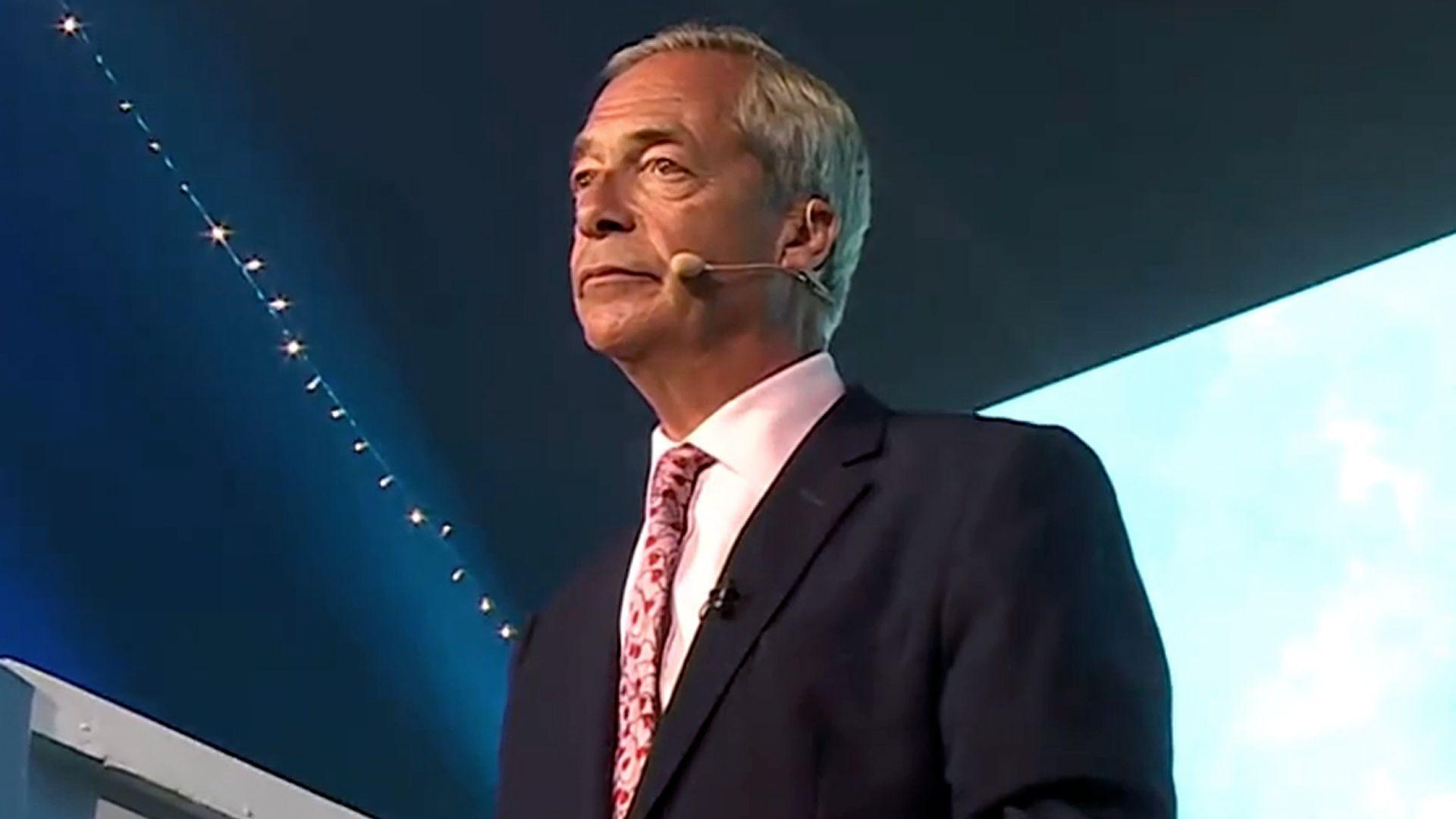
    Constantvpn.com – The Metropolitan Police has formally apologized following an inadvertent disclosure of email addresses belonging to approximately 140 individuals who allege they were sexually abused by the late Harrods owner Mohamed Al Fayed. The error occurred when Scotland Yard distributed a monthly victim update using standard email copying rather than blind copying, making recipients’ addresses visible to one another.

    According to officials at Scotland Yard, the technical mistake meant that everyone on the distribution list could see each other’s contact information. The update, which was sent on August 11, also announced that three additional suspects—individuals in their seventies and eighties—had been interviewed under caution, raising the total number of people questioned to seven.

    Investigation and Response

    The force has referred the incident to the Information Commissioner’s Office and is currently evaluating additional support measures for affected victims. A spokesperson for the Met Police explained that the monthly update regarding Operation Cornpoppy contained progress details about the investigation into individuals who may have facilitated or enabled sexual offending by Al Fayed.

    “Due to human error, recipients’ email addresses were visible to others on the distribution list. The issue was identified quickly and immediate action was taken.”

    The spokesperson emphasized that everyone affected was contacted directly on the day the incident occurred. The force noted that while recipients had been divided into smaller groups—meaning email addresses were only visible within those groups rather than across the entire cohort—the breach still affected those who had opted in to receive updates from the investigation team.

    Victim Impact and Concerns

    The latest disclosure is expected to generate renewed scrutiny regarding how the Metropolitan Police manages sensitive survivor information. Campaigners have consistently highlighted the critical importance of protecting the identities of individuals involved in investigations into sexual abuse and trafficking, citing potential consequences for victims’ wellbeing and privacy.

    Joanna Brittan, a campaigner from Devon who waived her automatic lifelong right to anonymity, learned that her email address had been shared with dozens of other survivors. In correspondence with senior officers, Brittan wrote that her address had been disclosed to 42 other survivors, and she had similarly gained access to their email addresses.

    “I consider this to be a further personal data breach by the Metropolitan Police Service,” she wrote, describing the incident as particularly serious because recipients were identifiable as people connected to a highly sensitive criminal investigation.

    Brittan, who is 61 years old, noted that she had previously received compensation for another Met data breach when the force mistakenly disclosed sensitive information about her first police interview to two individuals in Australia. She expressed disappointment that what was supposed to be a lesson learned had occurred again.

    “It’s very shocking because they were meant to have learned all lessons and it would never happen again. And although the first one was far more egregious because it was very sensitive data that was sent to Australia, I was promised that they had learned and the same thing couldn’t happen again.”

    Broader Context and Implications

    The Met Police has previously stated that 154 victims have reported allegations connected to Al Fayed, with supporting survivors remaining central to the investigation. The force confirmed that the incident had been formally recorded within investigation records and that they would continue monitoring the circumstances and impact of the breach.

    Officials indicated they are reviewing alternative methods of updating victims that would reduce the risk of human error. The force added that victim-survivors remain its priority and that it is committed to providing updates to those involved in the investigation.

    For many alleged victims, the breach represents a continuation of institutional missteps. Brittan described the experience as deeply re-abusive, noting that the incident felt like “more of the same” and calling it unbelievable that such an error could occur after previous promises of improvement.

    The situation underscores the delicate balance law enforcement must maintain when handling sensitive cases involving vulnerable individuals. As Operation Cornpoppy continues to progress, the Met Police faces ongoing pressure to demonstrate that it has implemented robust safeguards to protect victim privacy while maintaining transparent communication with those affected by the investigation.

    Frequently Asked Questions

    What is Met Police apologises for data breach?

    Met Police apologises for data breach is the main topic of this guide. The article explains the context, practical details, and next steps readers should understand.

    Why does Met Police apologises for data breach matter?

    Met Police apologises for data breach matters because readers are looking for a useful answer, not just a short summary. Good content should match search intent and help them decide what to do next.
  • Where does this unorthodox by-election victory leave Nigel Farage?

    Where does this unorthodox by-election victory leave Nigel Farage?

    Farage’s Unconventional Triumph: What Comes Next for the Reform Leader?

    Constantvpn.com – Nigel Farage’s path to victory in the Clacton by-election has been anything but conventional, and his decision to skip the official declaration ceremony only added to the day’s peculiarities. The Reform UK leader, who initiated this political contest, opted not to appear at the Clacton Leisure Centre despite securing a win. This absence left many observers, including those expecting to hear his acceptance speech and conduct post-victory interviews, waiting in vain.

    A Day of Surprises and Strategic Withdrawal

    What made Farage’s non-appearance particularly notable was the timing. He had cancelled every interview he had scheduled for the day, including those with the BBC and other media organizations. His explanation centered on security concerns, with police warning him of potential attempts to disrupt the proceedings. Farage reportedly did not wish to be “demeaned and humiliated by nobodies,” according to reports from the scene. His team has consistently highlighted his ongoing anxieties regarding personal safety as a contributing factor to his decision.

    By choosing to withdraw rather than celebrate publicly, Farage has cleverly sidestepped immediate scrutiny over Reform’s financial affairs—the very issues that precipitated this by-election. The spotlight has instead shifted toward the electoral victory itself and the unusual circumstances surrounding both the campaign and its conclusion.

    Strong Performance Amidst Controversy

    Despite the controversy, Farage’s electoral numbers tell a compelling story. His vote total in Clacton surpassed what he achieved during the general election two years prior, demonstrating sustained support even as questions mounted about his conduct. The turnout of 44 percent represents a solid showing for a mid-summer by-election, suggesting local voters took the contest seriously rather than treating it as a mere protest vote.

    Conversations with residents across Walton-on-the-Naze and Clacton-on-Sea revealed a divided but engaged electorate. While Farage certainly has vocal detractors in the area, many locals share Reform’s perspective that this electoral outcome carries more weight than the resumption of the Parliamentary Commissioner for Standards investigation.

    The Investigation Continues

    One Reform aide characterized the matter as closed, but the reality is more complex. The commissioner’s inquiry remains active, and Farage is expected to face questioning in the coming weeks. Should the investigation yield unfavorable findings, another by-election could potentially follow, adding further complexity to Farage’s political trajectory.

    Within the party, Farage’s response to the situation has sparked internal discussion. Tim Montgomerie, a prominent Reform activist who left the Conservative Party two years ago to join Reform, offered measured criticism to Radio 4’s The World At One. Montgomerie praised Farage’s political instincts but expressed frustration with his current approach, suggesting the leader would benefit from a more positive, outward-looking stance rather than focusing on grievances.

    Defending the Position

    Farage’s supporters maintain that the grievances are legitimate. From a position of relative weakness, the by-election allowed Farage to reframe the narrative as ordinary citizens versus establishment forces seeking to undermine him. Critics counter that the rules apply equally to all Members of Parliament and that the £5 million gift from billionaire businessman Christopher Harborne—received in the months before Farage entered Parliament—should have been properly declared.

    Speaking to GB News in the early hours before results were announced, Farage offered what amounted to a partial concession: “If I made one sin, it’s that I haven’t filled in a piece of paper. I’ve broken no law, I’ve broken no tax law, I’ve taken no public money. I don’t even own a motor home. Maybe I haven’t filled in a piece of paper. I’m confident I’m right – we’ll see where we go.” He has consistently maintained that he sought legal guidance regarding the declaration requirement and was advised that none was necessary.

    Broader Political Implications

    The bigger question concerns Reform’s position within the UK political landscape and whether Farage’s current strategy proves sustainable. Early indicators suggest a “Burnham bounce” for Labour, which has disrupted Reform’s traditional polling advantage. Meanwhile, the Conservative Party appears more confident and competitive than it did twelve months ago. Additionally, the emergence of Restore Britain, led by former Reform MP Rupert Lowe, introduces another variable into the political equation.

    None of these developments diminish the significance of Clacton, but they do complicate the path forward for Farage and his movement as they navigate both internal dynamics and external challenges.

    Frequently Asked Questions

    What is Where does this unorthodox by election?

    Where does this unorthodox by election is the main topic of this guide. The article explains the context, practical details, and next steps readers should understand.

    Why does Where does this unorthodox by election matter?

    Where does this unorthodox by election matters because readers are looking for a useful answer, not just a short summary. Good content should match search intent and help them decide what to do next.

  • Temporary ban on sale of disposable BBQs over wildfire risk

    Temporary ban on sale of disposable BBQs over wildfire risk

    UK Imposes Emergency Restrictions on Disposable Barbecues Amid Wildfire Crisis

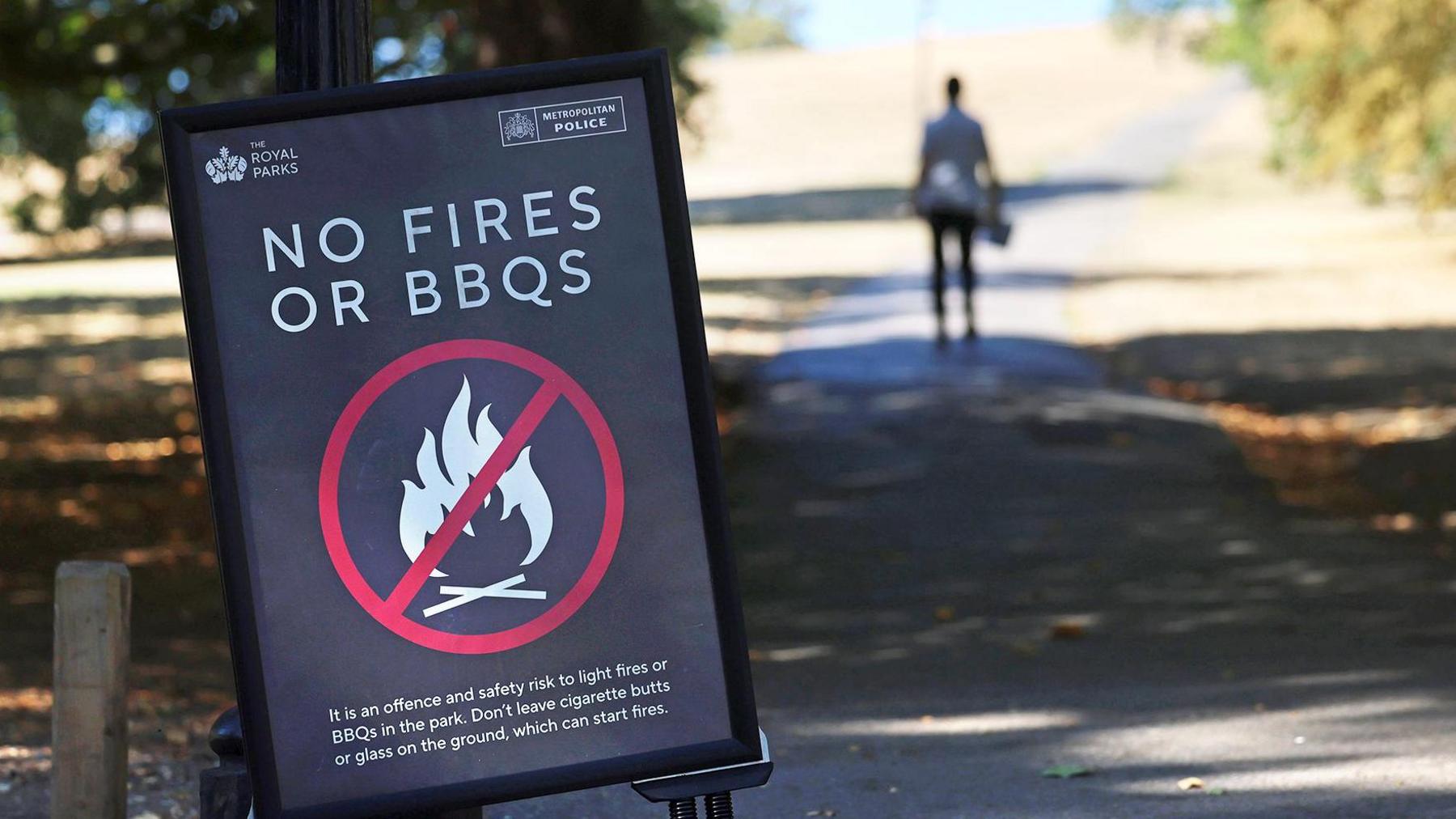
    Constantvpn.com – Disposable barbecue grills are now prohibited from retail sale across most of the United Kingdom as authorities respond to an escalating wildfire emergency. The temporary restriction comes as prolonged drought conditions and intense heat have created dangerous circumstances across the nation, with fire services battling numerous blazes simultaneously.

    Government officials have classified single-use grills as posing a “significant risk to the public” during the current weather patterns. These portable cooking devices have been identified as contributing to “a number of serious wildfires across the country over the summer months,” prompting the swift regulatory action.

    Record Fire Activity Across the Nation

    The urgency of the situation became apparent following an emergency Cobra meeting convened earlier this week to address record-breaking temperatures. Official statistics reveal that 1,017 wildfires have been documented in England and Wales this year, matching the previous year’s record total according to the National Fire Chiefs Council.

    Fire crews have been operating at maximum capacity across multiple regions. In the West Midlands, devastating fires have destroyed dozens of residential properties and generated thousands of emergency calls. Wales has declared a major incident near Llandovery in Carmarthenshire, where dozens of homes required evacuation and several roads were closed to traffic.

    Meanwhile, Hampshire firefighters have dedicated six consecutive days to containing a wildfire in the New Forest that ignited on Sunday. Norfolk Fire and Rescue Service handled sixteen separate emergencies on Thursday afternoon alone, including an incident at Mousehold Heath in Norwich.

    Unprecedented Public Alert System Activation

    On Friday evening, authorities deployed the most extensive use of the national emergency alert system to date. The message, transmitted to millions of mobile phones across England and Wales, warned of a “very high risk of wildfires nationally.” The alert specifically requested that residents, landowners, and visitors avoid any activity that could ignite fires, explicitly mentioning disposable barbecues, firepits, garden incinerators, and fireworks.

    “We’re going into a difficult weekend, please just think about the situation that we’re in. Britain is a tinderbox right now. Setting a fire in any outdoor setting of any kind is a risk to other people’s homes, it’s a risk to other people’s lives, don’t do it, please don’t do it.”

    Prime Minister Andy Burnham emphasized the severity of conditions, describing the country as resembling “a tinderbox” as emergency services responded to multiple simultaneous incidents. He confirmed that thirty-seven fires were currently active across England and Wales, with four classified as major incidents.

    Scope and Details of the BBQ Ban

    The Department for Business, Innovation, Science and Trade published official guidance stating that disposable barbecues “cannot be considered a safe product” under current conditions. The directive requires that these items “must not be made available for sale either in store or online at the current time” throughout Great Britain.

    The restriction encompasses England, Scotland, and Wales, though Northern Ireland remains exempt from the measure. Business Secretary Jonathan Reynolds characterized the intervention as “common-sense steps to protect lives and the environment,” noting that the policy would remain under continuous review.

    Many major retailers and supermarket chains had already voluntarily suspended sales of single-use grills under a framework established in 2023 between fire chiefs and the British Retail Consortium. That agreement stipulated that retailers should halt sales once an extreme heat event was declared imminent or in response to evidence-based requests from local authorities.

    Looking Ahead: Enhanced Firefighting Capabilities

    Beyond the retail restriction, the government is pursuing additional measures to combat the wildfire crisis. The Prime Minister announced plans to commission firefighting aircraft, similar to those deployed in European and American operations, to help contain the spread of blazes from the air.

    Additionally, one hundred military personnel have been deployed to assist with a significant fire in South Wales, providing what officials described as “critically needed” support to civilian fire services.

    “We know the risks that disposable barbecues have been causing and to have a ban on them is much-needed, much-called-for and I hope it becomes long-term.”

    David Skaith, the elected Labour mayor for York and North Yorkshire, has been a vocal advocate for restricting single-use grills and urged the Prime Minister to make the ban permanent. His position reflects growing public concern about the recurring threat posed by portable barbecue grills during hot, dry periods.

    The government has also indicated that emergency financial support mechanisms are being prepared for fire services affected by the ongoing crisis, ensuring that resources remain available for extended firefighting operations and recovery efforts in the most severely impacted communities.

    Frequently Asked Questions

    What is Temporary ban on sale of disposable?

    Temporary ban on sale of disposable is the main topic of this guide. The article explains the context, practical details, and next steps readers should understand.

    Why does Temporary ban on sale of disposable matter?

    Temporary ban on sale of disposable matters because readers are looking for a useful answer, not just a short summary. Good content should match search intent and help them decide what to do next.

  • ‘I worked really hard and it paid off’: Elation, nerves and proud parents as students get results

    ‘I worked really hard and it paid off’: Elation, nerves and proud parents as students get results

    Students Celebrate Record University Acceptances on Results Day

    Constantvpn.com – Thousands of young people across England, Wales, and Northern Ireland gathered at their schools on Thursday to discover their academic futures, with this year marking a historic milestone in university admissions. The latest results revealed that more eighteen-year-olds than ever before secured places at their preferred institutions, reflecting both demographic shifts and improved educational outcomes.

    Among the nervous crowd was Emily, a student from Hartlepool who admitted she “felt a bit sick” before learning her grades. Her anxiety proved well-founded in the best possible way. “I’ve worked really hard, I’ve tried and that’s all I can do… and it’s paid off,” she said upon receiving her results of A*, A, and B from English Martyrs School and Sixth Form College.

    Emily’s success story exemplifies the growing appeal of degree apprenticeships as an alternative to traditional university routes. She plans to pursue a degree apprenticeship to become a solicitor, a decision influenced by current employment conditions. “I picked this route for the experience now it’s harder to get a job,” she explained, highlighting how economic factors are reshaping career choices among young people.

    A Ukrainian Student’s Journey to Success

    Anastasiia Sochka’s academic achievements carry particular significance given her family’s circumstances. The eighteen-year-old relocated from Ukraine to Hartlepool with her mother Victoria in the summer of 2022, following Russia’s full-scale invasion of their homeland. Her father remains in Ukraine, serving in the Ukrainian army.

    Despite initially facing challenges with the English language, Anastasiia achieved remarkable results: an A* in Russian, an A in psychology, and a B in sociology. Her achievements brought her immense personal satisfaction, particularly in sharing the news with her father.

    “It was nice to be able to give him that good news because I wanted to make him happy. I miss him a lot,” she said.

    Anastasiia will attend Newcastle University to study toward a career in social work, motivated by her desire to help fellow Ukrainians affected by war-related poverty. “Seeing what’s happened has influenced me and changed my life perspective. I hope that by the time I graduate, the war will be over,” she expressed with characteristic optimism.

    Rest and Celebration After the Stress

    For many students, the culmination of months of preparation brought not just excitement but also the need for recovery. Civ, who secured two A*s and an A, is heading to Newcastle University to study medicine. His immediate plans were refreshingly simple.

    “I plan to celebrate by heading back home and having a lie-in,” he told reporters. “I might go out later after getting some much needed post-results day sleep.” His career path in medicine was solidified after conversations with his careers adviser during Year 11, demonstrating how early guidance can shape long-term aspirations.

    Michel’s father experienced equally emotional moments when his son earned A*, A, A grades, securing a place to study political economy at King’s College London. Beaming with pride, he declared his son would be the “next prime minister,” before rallying the crowd of students to cheer for his achievement.

    Triplets Spread Across England

    In Canterbury, Kent, triplets Scarlett, Grace, and Tabby Taylor celebrated their collective success in securing places at their first-choice universities. The sisters will now study in different regions of England, creating opportunities for future visits.

    Scarlett heads to Oxford to study geography, Tabby pursues dance at Bath Spa University, and Grace will read history and politics at Sussex University. “It’s proven to me I can do university and I will be able to succeed,” Tabby reflected. Scarlett added: “We will be able to see other places, it’s so cool.”

    Young Firefighters and Vocational Success

    Not all students had the luxury of worrying about results day. Eighteen-year-old Bobi Jones, an on-call firefighter for the Mid and West Wales Fire and Rescue Service, joined the service last autumn while completing A-levels in business and sport alongside the Welsh Baccalaureate qualification.

    “It’s been a great experience,” Bobi said, acknowledging he “had plenty on his plate” as wildfires erupted across Wales in recent weeks. His story illustrates how vocational pathways and academic studies can run parallel successfully.

    Similarly, nineteen-year-old Nick Basher celebrated earning a merit in his T-level in digital production design and development. T-levels, vocational qualifications designed for sixteen to nineteen-year-olds in England, have experienced growing popularity in recent years as they offer practical, industry-focused alternatives to traditional academic routes.

    As students across the UK reflect on their achievements, the results day outcomes suggest a generation navigating unprecedented challenges with resilience and determination. Whether pursuing traditional university degrees, degree apprenticeships, or vocational qualifications, these young people represent diverse pathways to successful futures.

    Frequently Asked Questions

    What is I worked really hard and it paid?

    I worked really hard and it paid is the main topic of this guide. The article explains the context, practical details, and next steps readers should understand.

    Why does I worked really hard and it paid matter?

    I worked really hard and it paid matters because readers are looking for a useful answer, not just a short summary. Good content should match search intent and help them decide what to do next.

  • You got hold of eclipse glasses just in time – here’s what to do with them now

    You got hold of eclipse glasses just in time – here’s what to do with them now

    What to Do With Eclipse Glasses After the Spectacle

    Constantvpn.com – Millions across Europe witnessed a breathtaking celestial event this past Wednesday as the continent experienced its first total solar eclipse in over a quarter of a century. For British viewers, securing protective eyewear became an urgent mission as supply shortages intensified in the days leading up to the phenomenon. If you successfully obtained a pair of specialized solar eclipse glasses, you may now be wondering about their future utility beyond this single astronomical occasion.

    The Recycling Challenge

    These specialized viewing tools represent a compelling case study in modern single-use consumption patterns, according to Dr. Renee Tonkin, who established Science Owl—an environmental education initiative dedicated to reducing waste. The primary complication lies in their construction: eclipse glasses combine multiple materials that resist straightforward recycling pathways.

    Recycle Now, the organization providing guidance on proper disposal methods, indicates that these glasses cannot be processed entirely through standard household recycling streams. The cardboard frames can be recycled independently, provided they are separated from the lenses, which present greater recycling challenges due to their specialized coating and composition.

    Preserving Your Glasses for 2027

    One practical option involves retaining your eclipse glasses for the upcoming celestial event scheduled for August 2, 2027. This total solar eclipse has earned recognition as potentially the most significant of the century, given its extended duration of visibility. During this event, the Moon will completely obscure the Sun’s disk, creating totality that will persist for six minutes and twenty-three seconds—the longest such occurrence on land since 1991.

    Observers will not witness a longer terrestrial eclipse until the year 2114. The 2027 event will be visible across southern Spain, including cities like Malaga, as well as throughout northern Africa and the Arabian peninsula. Northern African locations offer particularly favorable viewing conditions due to typically clear skies during this season.

    Dr. Ed Bloomer, an astronomer affiliated with the Royal Observatory Greenwich, emphasizes that while the 2027 eclipse will be remarkable for its duration, it will not impact UK viewers directly. Nevertheless, he notes that additional eclipses will reach Britain in the coming years, including a partial solar eclipse anticipated in January 2028.

    Modern Glasses Last Longer

    Contemporary eclipse glasses manufactured to meet current ISO safety certification standards differ somewhat from older models, allowing for extended use over time. Dr. Bloomer advises storing these glasses carefully to prevent damage to the protective lens coating. Scratches, tears, or wear could compromise their safety for future viewing occasions.

    Sharing With Your Community

    For those unable or unwilling to preserve their glasses for upcoming eclipses, donation presents an environmentally conscious alternative. Dr. Tonkin recommends reaching out to local educational institutions, public libraries, and after-school science programs to determine if they would welcome the eyewear. Redirecting items to individuals who will utilize them more frequently represents a straightforward method of extending product lifespans and reducing waste.

    Local astronomical societies frequently accept eclipse glasses to distribute at future public events. The Federation of Astronomical Societies maintains approximately two hundred affiliated member organizations, with a searchable directory available through their website for locating nearby groups.

    DIY Solar Photography

    Modern smartphone cameras, when equipped with appropriate solar filtering, can capture impressive images of eclipses and other solar phenomena such as sunspots—dark regions visible on the Sun’s surface. Dr. Tonkin suggests cutting a square section from your eclipse glasses’ filter material and securing it over your phone’s camera lens to enable safe solar photography.

    Dr. Bloomer notes that while significant sunspot activity becomes visible through solar filtering, magnification remains necessary for naked-eye observation. Photographers should exercise caution regarding extended exposure to ultraviolet radiation, which can potentially damage camera sensors. NASA’s official guidance also warns that capturing images or videos of the Sun using mobile devices may harm internal sensors if proper precautions are not taken.

    “Passing items on to someone who will use them more than you is a really simple way to extend the life of something that might otherwise be thrown away,” Dr. Renee Tonkin explained.

    “The glasses that you get now—ones that are made to the correct ISO safety standard—are made slightly differently than older glasses. So you can keep them for longer periods,” Dr. Ed Bloomer noted.

    Whether you choose to preserve your eclipse glasses for future celestial events, donate them to educational organizations, or repurpose the filter material for photography, these specialized viewing tools offer multiple pathways for continued utility beyond their initial purpose.

    Frequently Asked Questions

    What is You got hold of eclipse glasses?

    You got hold of eclipse glasses is the main topic of this guide. The article explains the context, practical details, and next steps readers should understand.

    Why does You got hold of eclipse glasses matter?

    You got hold of eclipse glasses matters because readers are looking for a useful answer, not just a short summary. Good content should match search intent and help them decide what to do next.