World’s oldest football in Miami for Scotland’s game against Brazil

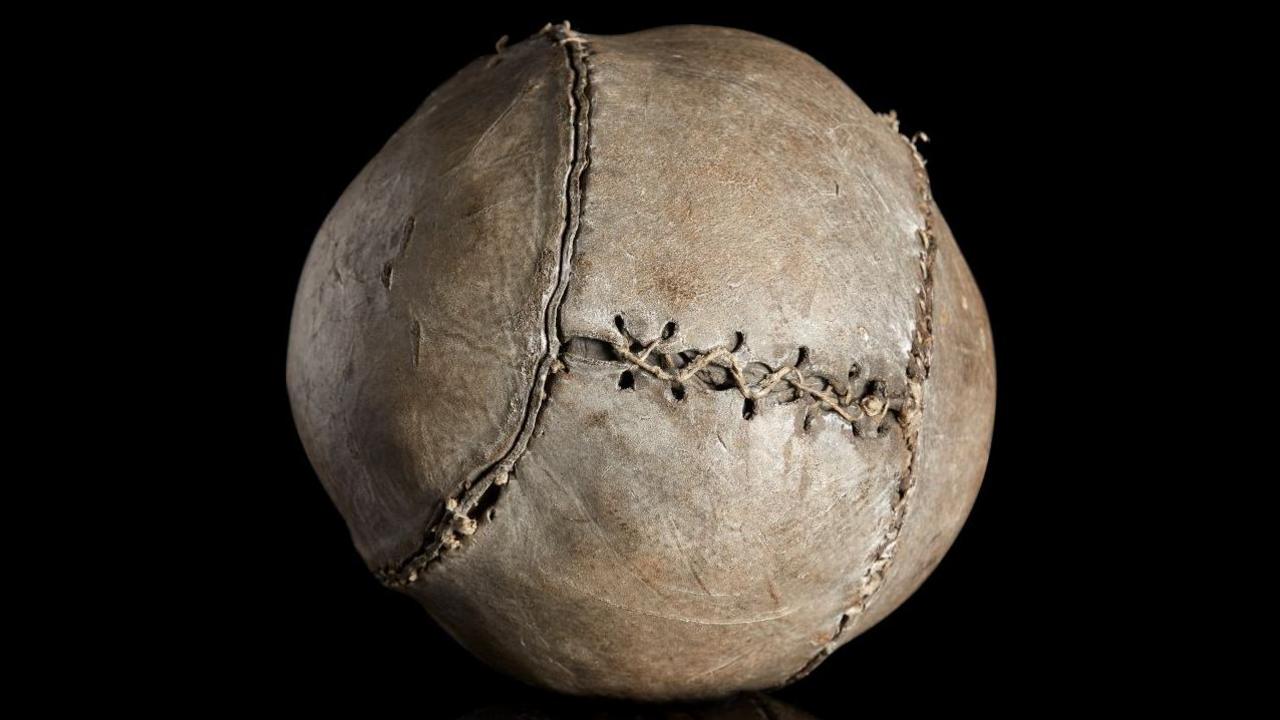
World’s Oldest Football to Make Appearance in Miami for Scotland’s World Cup Clash with Brazil
Constantvpn.com – A 16th-century football, recognized as the world’s oldest by Guinness World Records, is set to travel from its home at Stirling Castle in Scotland to Miami, where it will be on display during the highly anticipated World Cup match between Scotland and Brazil. The historic ball, believed to date back to the years 1540 to 1570, has made its way across the Atlantic to the Coral Gables Museum, where it will be exhibited until Saturday. Additionally, it will feature prominently at the Scotland-Brazil game on Wednesday, offering fans a rare glimpse into the past during a pivotal moment in the tournament.
Discovery and Historical Context
The football was unearthed during 1970s restoration efforts at Stirling Castle, lodged in the rafters above the Queen’s Chamber. This location, once a central part of the castle’s history, is thought to have been a space where Mary, Queen of Scots, and her father, King James V, spent time. The ball, crafted from thick leather panels and stuffed with a pig’s bladder, is a testament to the game’s early origins. Its presence in the castle’s archives has long sparked curiosity, with historians and curators alike piecing together its timeline.
Curator Aiofe McKenna of Stirling Smith Art Gallery and Museum shared insights into the ball’s significance, noting that its discovery aligns with the period when Mary, Queen of Scots, resided in the castle. “It’s plausible that someone in the 1540s kicked the ball high into the ceiling, where it remained for centuries,” McKenna explained. While the exact origin of the ball remains a subject of debate, the connection to the royal family adds a layer of intrigue. “We can’t confirm with certainty, but it’s tempting to imagine that Mary might have played with it,” she added.
From Boston to Miami: A Journey of Tradition and Culture
The ball’s loan to the Coral Gables Museum marks a unique cultural exchange, bridging the gap between Scottish heritage and the vibrant atmosphere of Miami. The exhibition, titled “Diplomacy and the Beautiful Game,” features artifacts that trace the evolution of football across continents, including contributions from Scotland, Brazil, and Haiti. McKenna emphasized the importance of this display, stating that it brings the ball’s rich history to a wider audience. “Many people visit the museum specifically to see this artifact, and it’s thrilling to think it will be part of a live event in the U.S.,” she said.
Meanwhile, the Tartan Army—the nickname for Scotland’s passionate fan base—has arrived in Miami for the country’s final group stage match. After securing a 1-0 victory against Haiti and a narrow 1-0 loss to Morocco, fans are eager to support their team. The presence of the ancient football at the stadium is expected to draw attention, blending historical reverence with modern excitement. “It’s a remarkable opportunity for people to connect with Scotland’s football legacy in a dynamic setting,” McKenna noted.
A Game of Passion and Tradition
The historical ball’s journey to Miami underscores the enduring appeal of football, a sport that has captivated audiences for centuries. Records indicate that the game was already popular in Scotland during the 15th century, though its rules and intensity differed significantly from today’s version. “Football in the 1500s was a much more violent affair,” McKenna revealed. “Monarchs even attempted to ban it due to the chaos it caused.” Despite these challenges, the game persisted, evolving over time while retaining its roots in tradition.
McKenna highlighted the dual role the ball plays in both education and entertainment. “This object is more than a relic—it’s a symbol of Scotland’s deep connection to the sport,” she said. The museum’s current exhibit, which includes the ball, aims to showcase how football has shaped diplomatic ties and cultural identities across nations. The combination of the ancient football and the modern World Cup match represents a full-circle moment for the sport’s history.
As the Scotland-Brazil game approaches, the ball’s display will serve as a reminder of the game’s origins. The match, scheduled for 24 June 2026 at 23:00 BST, will be broadcast live on BBC One and iPlayer, as well as BBC Radio Scotland and BBC Radio 5 Live. Fans can follow real-time updates through the BBC Sport app and website, ensuring they stay connected to the action. The inclusion of the historic ball in the event’s lineup adds a touch of nostalgia, drawing parallels between past and present.
Connecting the Past with the Present
The football’s arrival in Miami also highlights the global reach of the sport. While its discovery in Stirling Castle was a local event, its journey to Florida is part of a broader narrative of international football culture. McKenna expressed enthusiasm for the ball’s role in the exhibition, stating, “It’s exciting to see how this artifact can spark conversations about the sport’s history with a new audience.” The museum’s efforts to share the ball’s story reflect a commitment to preserving and celebrating Scotland’s heritage.
For fans in attendance, the sight of the ancient ball will be a unique experience. “People often come specifically to see it, so football enthusiasts know it’s part of the exhibit,” McKenna said. She also emphasized the importance of the ball’s presence in the stadium, where it will be showcased alongside the game. “This display allows the history of the Smith collection to reach millions who might not otherwise know about it,” she added. The combination of historical significance and contemporary relevance ensures that the ball will leave a lasting impression on visitors.
As the World Cup progresses, the journey of this 16th-century football serves as a fascinating thread linking the past to the present. Its appearance in Miami not only celebrates Scotland’s footballing history but also underscores the universal nature of the sport. Whether displayed in a museum or viewed in the context of a live match, the ball remains a powerful symbol of tradition, resilience, and the enduring passion for football. This cross-cultural exchange exemplifies how history can be brought to life in unexpected places, offering a glimpse into the roots of a game that continues to unite people across the globe.