Uganda’s leading media outlets shut down by army chief
Uganda’s Leading Media Outlets Targeted in Army Chief’s Crackdown
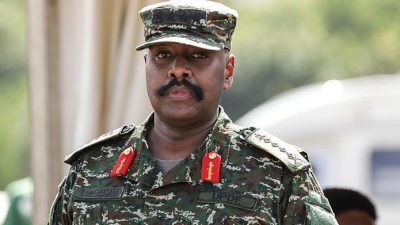
Constantvpn.com – Gen Muhoozi Kainerugaba, the son of President Yoweri Museveni, has been accused of instigating a media blackout across Uganda after ordering the shutdown of prominent TV stations, newspapers, and radio outlets. The Daily Monitor, a key independent news publication, claimed the move was part of a “military siege” targeting its headquarters in Kampala, the capital. Armed soldiers were reportedly stationed outside the building, while NTV and Spark TV were abruptly taken off air, disrupting news coverage for the public.
Ambitious Move by the Military Leader
The action by Gen Kainerugaba, who heads the Ugandan armed forces, has sparked debate about the role of the military in shaping the nation’s media landscape. The general, who is considered a potential successor to his father, asserted on social media that he had the authority to close media outlets as he pleased. “I DO NOT believe in a free press! The press should be guided by cadres of the revolution,” he stated, framing the move as a necessary step to align media with the government’s narrative.
“I DO NOT believe in a free press! The press should be guided by cadres of the revolution.”
Gen Kainerugaba’s post also included a provocative threat: “From now on ALL media in Uganda will follow the rules!” He emphasized that NTV and the Daily Monitor would not reopen without his approval, signaling a broader effort to consolidate control over information dissemination. The general further claimed that his father, President Museveni, had granted him the power to “shut down any media house I want to,” highlighting the family’s influence over the nation’s press.
Independent Media Faces New Challenges
As one of the most influential media companies in East Africa, the Nation Media Group, which operates NTV and Spark TV, has been a vocal critic of government policies. The recent closures have intensified concerns about the independence of these outlets, with opposition groups and human rights organizations accusing Gen Kainerugaba of playing a central role in a regime known for its strict control over dissenting voices. Supporters of the president, however, argue that the move has reinforced stability, citing economic improvements and political order under Museveni’s leadership.
The Daily Monitor reported that the shutdown occurred “in a crackdown during the wee hours of Sunday,” with staff describing the scene as one of total isolation. No one was permitted to enter or exit the building, and viewers were confronted with blank screens displaying the message “video unavailable.” This has raised questions about the transparency of the government’s actions and the lack of clear justification for the abrupt closure.
Historical Precedents of Media Suppression
Gen Kainerugaba’s recent actions are not the first instance of media suppression under the Museveni family’s rule. In 2013, the Daily Monitor itself was raided by police for publishing a letter alleged to link senior officials to a succession plan known as the ‘Muhoozi Project.’ The incident marked a turning point in the outlet’s relationship with the government, as it faced accusations of undermining the ruling regime.
NTV, another flagship station of the Nation Media Group, was forced off air in 2007 following government claims that its reporting was biased. The station had been a primary source of news for Ugandans, but its suspension during that period highlighted the challenges independent media faces in maintaining editorial freedom. The Daily Monitor’s editorials, which often featured sharp critiques of the government, were once described by President Museveni as “enemy and evil newspaper,” a label that underscores the tension between media and political power.
Reactions from Opposition and International Bodies
The National Broadcasters Association of Uganda has called the shutdown a constitutional violation, urging the government to provide clarity on the circumstances. The association emphasized that the closure of media outlets disrupts the public’s right to access diverse information, a cornerstone of democratic governance. Meanwhile, exiled opposition leader Bobi Wine condemned the move, stating that Gen Kainerugaba had “moved to silence Uganda’s remaining independent voices.” He described the situation as “a country under open military rule, where fear replaces law and force replaces accountability,” a stark critique of the current political climate.
“This is the harsh reality we now face, a country under open military rule, where fear replaces law and force replaces accountability.”
Gen Kainerugaba’s aggressive rhetoric during the January election further fueled controversy. In a now-deleted post, he had threatened to “castrate” Bobi Wine, a direct jab at the opposition leader. The incident, which occurred during a highly contested campaign, was part of a broader pattern of intimidation against political rivals. Security forces were reported to have disrupted opposition rallies, with some instances of gunfire aimed at protesters. The United Nations noted that the election was held in an “environment marked by widespread repression and intimidation against the political opposition,” though election officials maintained that the process was free and fair.
Legacy of Museveni and the Rise of the ‘Shadow Army’
President Museveni, 81, has ruled Uganda for nearly four decades, a period characterized by both economic growth and tight political control. His seventh term in office, won in disputed polls, has led to speculation that he is grooming his son to take over leadership. The military, often referred to as a “shadow army,” has played a critical role in maintaining his grip on power, with Gen Kainerugaba emerging as a key figure in this strategy.
While Museveni has historically criticized leaders who cling to power, his son’s actions suggest a shift toward more aggressive measures to suppress dissent. The closure of media outlets marks a new chapter in the family’s influence, as it seeks to amplify its narrative while limiting alternative perspectives. Critics argue that this trend could further erode Uganda’s democratic institutions, replacing them with a system where media serves as a tool of the ruling family rather than an independent watchdog.
Despite the controversy, supporters of the Museveni administration remain steadfast in their defense. They highlight the country’s economic progress and political stability as evidence of the regime’s effectiveness. However, the recent crackdown has reignited debates about the balance between security and freedom of expression in Uganda. As the nation’s media continues to face pressure, the question remains: how far will the military leader go to ensure his family’s legacy endures in power?
Broader Implications for East Africa
The events in Uganda have sparked discussions about whether East African governments are increasingly aligning to suppress dissent. While the region is known for its diverse political landscapes, the Museveni family’s actions raise concerns about the centralization of authority. The closure of media outlets, combined with the military’s growing role, underscores a pattern of power consolidation that could have ripple effects across the continent.
As the BBC reports, the situation highlights the ongoing struggle between the ruling elite and the press, with the latter often bearing the brunt of political pressure. The Nation Media Group’s experience, from past raids to the current shutdown, illustrates the challenges faced by independent journalism in Uganda. With the military chief’s authority expanding, the future of media freedom in the country hangs in the balance, leaving many to wonder if the Museveni dynasty’s influence will continue to shape Uganda’s political narrative for years to come.
For more updates on African news and the continent’s political developments, visit BBCAfrica.com. Follow us on Twitter @BBCAfrica, on Facebook BBC Africa, or on Instagram @bbcafrica. Stay informed with our focus on Africa’s stories.
