Travellers warned of methanol poisoning risks in new campaign

UK Government Launches Methanol Awareness Initiative for Travelers
Constantvpn.com – A new public health campaign has been introduced to alert British tourists about the dangers of methanol contamination in alcoholic beverages abroad. The initiative comes after several high-profile cases of poisoning among travelers visiting Southeast Asian destinations. Officials are urging people to be more vigilant when consuming drinks in popular holiday locations.
Personal Stories Highlight the Dangers
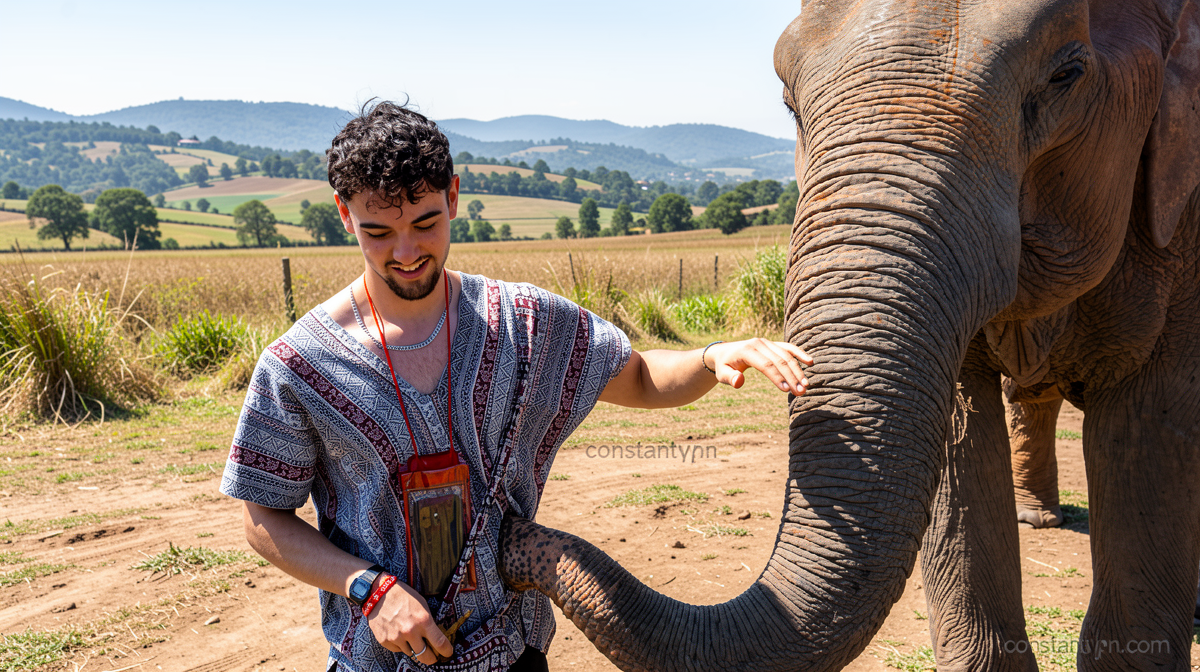
Calum MacDonald, a young man from Surrey in his twenties, recently shared his experience of nearly losing his sight after visiting a bar in Vang Vieng, Laos. Within forty-eight hours of consuming a beverage, he began experiencing what he described as a “blinding kaleidoscopic light” that permanently damaged his vision. The incident occurred in 2024, and MacDonald has since become an ambassador for the government’s awareness efforts.
“I was completely unaware of the dangers when I was traveling, and if I had known, I probably would be in a different situation today,” MacDonald explained during an appearance on BBC Breakfast.
Methanol represents a particularly dangerous form of alcohol commonly used in industrial applications. It occasionally appears in counterfeit beverages, illegally manufactured products, or contaminated drinks found in various markets. The substance poses severe health risks even in small quantities. For an adult, consuming merely thirty milliliters—roughly equivalent to one shot—can prove fatal. Lesser amounts may result in lasting damage, including irreversible blindness.
Expanding Travel Warnings
British travelers are now receiving updated guidance covering twenty-nine different destinations. These locations include well-known tourist hotspots such as Indonesia, Laos, and Vietnam. The warnings were implemented following increasing reports of poisoning incidents among visitors.
One tragic case involved Kirsty McKie, a thirty-eight-year-old woman originally from Stockport. She had been residing in Bali for eight years and was engaged to a man who operated a wine business and restaurant. Despite her careful approach to purchasing alcohol from trusted sources, Kirsty succumbed to methanol poisoning in 2022.
“When Kirsty became ill it didn’t occur to her for a second that [methanol poisoning] was what could be wrong,” her mother Margaret McKie recounted. “She was fairly tired, she’d been working hard, she’d had a couple of drinks, she just thought she had a hangover, she didn’t seek help and when she lost consciousness her fiance got her to the hospital and by that point it was too late to save her.”
Recognizing the Symptoms
Health officials have identified several warning signs associated with methanol contamination. Early indicators appearing within twelve to forty-eight hours after consumption include vomiting, impaired judgment, difficulty maintaining balance, and excessive drowsiness. More severe symptoms may develop later and encompass abdominal pain, vertigo, rapid breathing, shortness of breath, blurred vision, potential blindness, coma, and convulsions.
Vision problems serve as particularly distinctive red flags. Travelers should watch for blurry sight, sensitivity to bright lights, and in certain instances total loss of vision. Additional visual disturbances include “snowfield vision”—described as seeing snowy static similar to an old television set—and tunnel vision.
“Look out for your friends, if you notice a friend who seems more ill, get them help,” Margaret McKie emphasized, stressing the importance of timely medical intervention.
Reaching Young Travelers
Foreign Office minister Hamish Falconer explained that the government is leveraging multiple communication channels to ensure the message reaches backpackers and other young travelers who might not regularly consult official websites.
“We’re partnering with influencers on TikTok, YouTube, other influencer channels… we’re trying to make sure that we get [the campaign] out through all the channels,” Falconer stated during his BBC Breakfast appearance.
The campaign has also integrated into educational programs. Content has been incorporated into the PSHE curriculum, distributed online, and promoted through various partnerships to maximize reach.
“Enjoy your travel but ultimately it’s really important to have all the information that you possibly can before you do go to these places because I think ultimately it’s very difficult to ultimately eliminate all risk,” MacDonald advised. “If you have the information at hand and you can recognise situations in which you might be at higher risk and you can recognise the symptoms and then you can mitigate those risks and do the best you can to look after yourself and look after your friends.”