Kenyan court dismisses Rastafarians’ bid to legalise cannabis

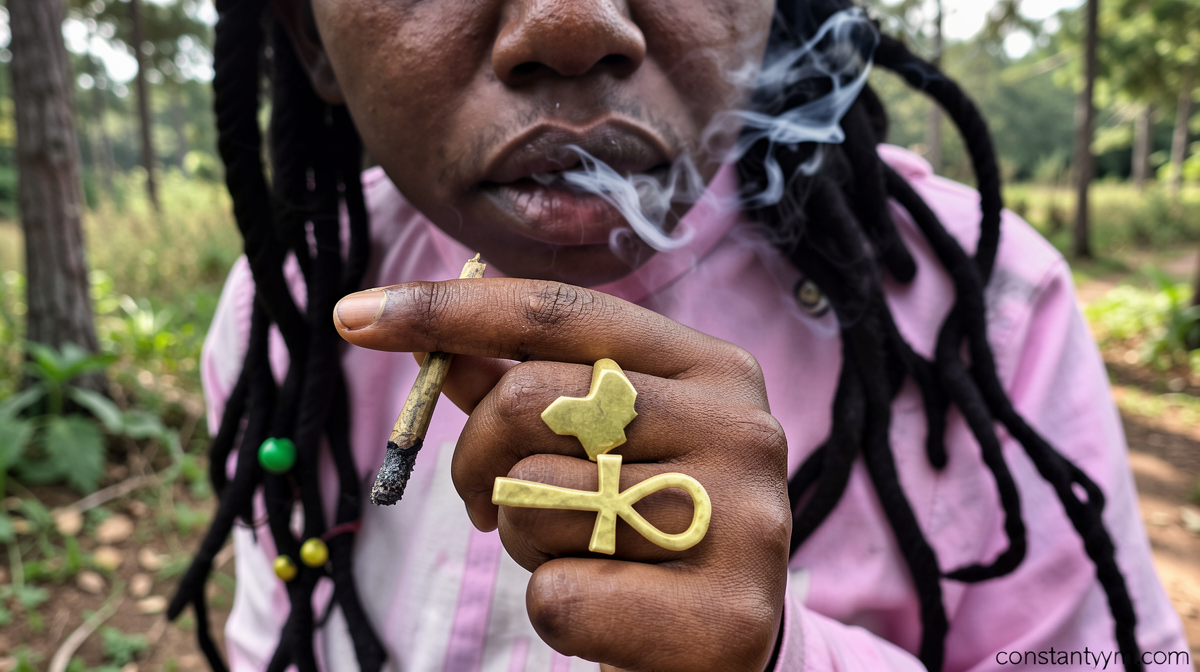
Kenyan High Court Rejects Religious Cannabis Exemption for Rastafarians
Constantvpn.com – Kenya’s High Court has delivered a significant ruling against the Rastafarian community’s efforts to obtain legal recognition for cannabis use in religious ceremonies. Justice Bahati Mwamuye presided over the case, ultimately determining that the petitioners had not sufficiently demonstrated that existing drug legislation conflicted with their constitutional guarantees of religious liberty.
The Core Dispute
Members of the Rastafarian faith contended that Kenya’s prohibition on smoking cannabis directly violated their fundamental right to freedom of religion and belief as enshrined in the nation’s constitution. The Rastafari Society of Kenya submitted a petition requesting that followers be permitted to cultivate, possess, and consume cannabis privately during worship services without facing criminal prosecution.
Importantly, the community clarified that they were not seeking complete legalization of cannabis across all sectors. Rather, they requested a targeted exemption allowing religious practitioners to use the plant in private residences and designated places of worship. According to their legal arguments, smoking cannabis constitutes an integral component of Rastafarian religious doctrine that deserves constitutional protection.
Legal Penalties Under Current Law
Under Kenya’s Narcotic Drugs and Psychotropic Substances (Control) Act, cannabis possession remains classified as a criminal offense. Individuals found guilty of possessing cannabis exclusively for personal consumption face potential imprisonment of up to five years or monetary penalties reaching $800, equivalent to approximately £600. Those convicted of cultivating cannabis must pay fines of at least $1,900 or three times the market value of the plants, whichever amount is higher, and may also receive sentences of up to two decades in prison. More stringent punishments apply to individuals involved in trafficking and other drug-related violations.
The Court’s Reasoning
Justice Mwamuye concluded that the evidence submitted regarding cannabis’s importance to Rastafarian spirituality was inconsistent and inadequate to prove that its consumption represented an essential religious practice. The judge upheld the constitutionality of existing drug legislation that prohibits growing, possessing, and using cannabis, marking a substantial setback for the community’s six-year legal campaign.
The court also noted that any future exemption allowing religious cannabis use would need to rest upon a solid constitutional and legal basis. The state had countered the Rastafarians’ petition by arguing that establishing a religious exemption could weaken Kenya’s anti-drug enforcement mechanisms and potentially create opportunities for illegal cannabis trafficking to flourish.
Community Response and Future Plans
Danstin Omari, representing the Rastafari Society of Kenya, announced that the organization intends to appeal the decision. He expressed determination to overturn the ruling and restore dignity to Kenya’s Rastafarian population.
Kenya cannot be the only country that is harassing the Rastafarian people. We are determined to reverse that [court’s ruling] and bring back the dignity and respect of the Rastafarians in Kenya.
Justice Mwamuye emphasized that the issue extends beyond the Rastafarian community alone. He called for comprehensive national discussions about cannabis policy and its future direction.
We ought to have frank conversations on cannabis and which directions we should take. This is not a question for the Rastafarian community only. It is a national question that cuts across the entire spectrum of our society.
Historical Context
This judgment arrives seven years after a previous High Court decision that formally recognized Rastafarianism as a protected religion in Kenya. That earlier ruling found that a school’s expulsion of a student due to her dreadlocks had violated her constitutional rights.
While exact numbers remain uncertain, the Rastafarian movement in Kenya appears to be expanding, particularly among younger generations. The community’s practice of wearing dreadlocks holds special significance within Kenya’s anti-colonial narrative, as many Mau Mau fighters who opposed British colonial rule during the 1950s wore their hair long and matted as an act of defiance.
Meanwhile, advocates continue pushing for broader cannabis legalization in Kenya, suggesting that regulated cultivation and commercial trade could generate employment opportunities, increase government tax revenue, and support both industrial applications and medicinal uses of the plant.