Trump says deal to end Iran war is close after calling off strikes
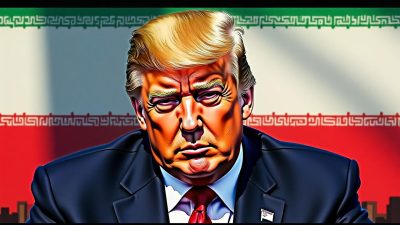
Trump Announces Potential Iran War Ceasefire Amid Suspension of Attacks
Constantvpn.com – U.S. President Donald Trump announced on Thursday that a preliminary agreement to conclude the ongoing conflict with Iran is nearing completion, following his decision to halt planned military strikes. The announcement came after a series of recent tensions, including air strikes and retaliatory actions that had previously escalated hostilities between the two nations. Trump emphasized that the agreement would ensure Iran’s commitment to not developing nuclear weapons, a central goal of the U.S. military campaign.
Despite the optimistic tone from the White House, Iran’s foreign ministry spokesperson, Esmail Baghaei, dismissed the reports as “speculative.” In a statement to state television, Baghaei noted that “nothing has been finalised” and that the U.S. had yet to meet Iran’s demands. This contradicts Trump’s earlier claims of progress, which have echoed in previous attempts to broker peace. The president’s remarks were made during a press conference in the Oval Office, where he underscored the significance of the proposed agreement.
Strikes and Ceasefires: A Cycle of Conflict
Hours prior to the ceasefire announcement, Trump had vowed to strike Iran “very hard,” warning of potential attacks on strategic targets like Kharg Island, a crucial hub for Iranian oil exports. The U.S. and Israel launched coordinated strikes on February 28, targeting Iranian military and infrastructure in the Gulf, which Iran responded to by launching attacks on Israeli and U.S. ally bases. The conflict effectively disrupted the Strait of Hormuz, a vital passage for global oil and natural gas trade.
Although a ceasefire was agreed upon in April, sporadic clashes have continued. This week alone, two rounds of tit-for-tat strikes were reported, with the U.S. and Iran exchanging fire. The recent incidents followed the crash of a U.S. Apache helicopter in the Gulf, which prompted Iran to retaliate. The Iranian Revolutionary Guard Corps (IRGC) launched strikes against American military installations in Bahrain, Kuwait, and Jordan, resulting in an injury to an 11-year-old girl in Bahrain and damage to civilian property.
Trump’s latest comments have had an immediate impact on global markets. The price of Brent crude oil fell to approximately $89 per barrel, a 4.4% decline from the previous day. The president cited this as evidence of the deal’s importance, stating that it would prevent further escalation. “We have a deal that Iran will never have a nuclear weapon,” he said, adding that the agreement was the “whole purpose” of the conflict. He hinted at a potential signing ceremony in Europe, suggesting the document was “pretty final shape” and ready for formal approval.
Iran’s Stance: Defining Red Lines and Resisting Demands
Baghaei reiterated Iran’s position, asserting that the U.S. had introduced “excessive demands” and “new requests” that deviate from the original terms. He maintained that Iran would not “depart from its red lines,” emphasizing the country’s commitment to its strategic objectives. The spokesperson also mentioned that the majority of the memorandum’s text had already been finalized, though final details were still under negotiation.
Trump’s rhetoric has shifted from aggression to diplomacy, but the threat of further action looms. Just hours before his ceasefire declaration, he had warned of impending strikes on Iran’s oil infrastructure, including Kharg Island, which handles about 90% of the country’s oil exports. The president also suggested the U.S. might take “total control” of oil and gas markets, mirroring its approach in Venezuela. “Either oil and gas exports are for everyone, or they will be available for no-one,” a statement from Iran’s military underscored the stakes.
Israel’s Prime Minister Benjamin Netanyahu was included in the discussions, with Trump praising the nation’s support for the deal. The Israeli prime minister’s office confirmed the call but clarified that Israel is not a party to the memorandum of understanding. Netanyahu’s remarks highlighted the agreement’s provisions, such as the removal of enriched material, dismantling of enrichment facilities, and limits on missile production. However, Iran’s military warned of a “more severe retaliation” if the U.S. proceeded with further attacks.
Meanwhile, India expressed concern over the recent U.S. strike that killed three of its sailors. The country summoned a senior American diplomat to address the incident, which it blamed on the U.S. for violating its blockade of Iranian ports. Despite the casualties, 21 crew members were rescued, and U.S. forces have targeted nine vessels in the Gulf of Oman, including three this week. The incident has intensified scrutiny of the U.S.’s military actions in the region.
Strategic Implications and Regional Reactions
Analysts suggest the proposed agreement could stabilize the Middle East, but its success hinges on Iran’s willingness to compromise. Trump’s emphasis on the deal’s timeline—“pretty quickly”—reflects his desire to resolve the crisis swiftly. The reopening of the Strait of Hormuz, a key artery for global energy supply, is tied to the agreement’s finalization, with the president promising it would happen “as soon as we have it signed.”
Regional allies, including Gulf states, have expressed relief at the ceasefire, though their responses vary. While the U.S. has assured cooperation, the Iranian military’s warning of increased retaliation indicates lingering tensions. Trump’s call for a “great settlement” aligns with his broader strategy of leveraging military pressure to secure political gains. The agreement also addresses Iran’s support for regional terrorist groups, a point Netanyahu highlighted during the discussions.
India’s reaction highlights the broader geopolitical ramifications of the conflict. The country’s involvement in the oil trade and its strategic interests in the Gulf have placed it in a delicate position. The incident involving the U.S. strike on an Indian vessel underscores the risks of prolonged hostilities in the region. As negotiations continue, the balance of power and economic stability could shift significantly, depending on the terms of the final deal.
In summary, the potential ceasefire marks a pivotal moment in the U.S.-Iran standoff, but its implementation faces challenges. While Trump presents the agreement as a diplomatic triumph, Iran remains steadfast in its demands. The international community watches closely, with energy markets and regional security hanging in the balance. The coming days will determine whether this latest development leads to lasting peace or another round of conflict.
