Ex-head monk of China’s ‘kung fu temple’ jailed for embezzlement
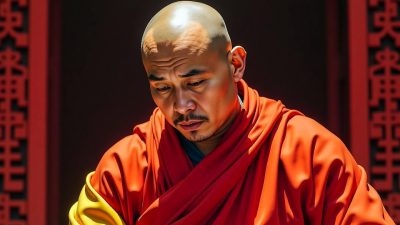
Former Abbot of China’s Shaolin Temple Sentenced to 24 Years for Corruption
Constantvpn.com – Shi Yongxin, the ex-abbot of China’s historic Shaolin Temple, has been handed a 24-year prison term for charges of embezzlement and bribery, as revealed by a court in Henan province. The 1,500-year-old monastery, renowned as the birthplace of kung fu, has seen its reputation tarnished by the former leader’s alleged financial misconduct. Shi misappropriated temple assets exceeding 282 million yuan ($42 million; £31 million) over a span of two decades, from 2003 to 2025, according to judicial documents. The court also noted his misuse of authority to siphon millions from construction projects and pay hefty bribes to officials.
Shi, whose birth name is Liu Yingcheng, had already confessed to his guilt, as reported by Xinhua News Agency. He expressed no intention to appeal the verdict, stating on Friday that he would accept the punishment without contest. The sentencing marks a significant moment for the temple, which has long been a symbol of spiritual and martial arts tradition. Its location on a mountain range adds to its mystique, attracting thousands of disciples from across China and beyond annually.
Rise and Fall of the “CEO Monk”
Shi’s tenure as abbot began in 1999, during which he redefined the temple’s role in the modern world. His leadership transformed the institution into a global brand, earning him the nickname “CEO monk” for blending tradition with commercial strategies. Under his guidance, the temple expanded its influence by establishing schools abroad and creating a traveling troupe of monks who performed Shaolin kung fu shows. These initiatives helped popularize the monastery’s martial arts style, making it a household name worldwide.
However, Shi’s rise was accompanied by accusations of financial impropriety. In 2015, he was investigated for embezzlement and fathering several children, but the charges were later dropped. At the time, he told BBC Chinese, “If there were a problem, it would have surfaced long ago.” Despite the clearance, the incident cast doubt on his integrity, which eventually led to his defrocking in the preceding year. The Chinese Buddhist Association confirmed his removal, signaling a shift in the temple’s leadership and credibility.
Shaolin’s Cultural Legacy and Controversies
The Shaolin Temple’s global reach extends far beyond its physical premises. Its name has become a cultural icon, referenced in films, music, and video games. A 1982 film titled *Shaolin Temple* featuring Jet Li brought international attention to the monastery, cementing its status in pop culture. The American hip-hop group Wu-Tang Clan also incorporated the temple’s imagery into their songs, further embedding it in the collective consciousness. Additionally, the *Mortal Kombat* video game series included a spin-off inspired by the temple’s legendary martial arts.
Yet, the temple’s prominence has not shielded it from scrutiny. Shi’s actions highlight the challenges of balancing spiritual devotion with administrative responsibilities. While his initiatives brought financial growth and global exposure, they also raised questions about transparency and accountability. The embezzled funds, equivalent to nearly £31 million, could have supported educational programs or conservation efforts. His case underscores how even revered institutions are susceptible to corruption, with the potential to impact both their legacy and the faith of followers.
Implications for the Temple’s Future
Shi’s sentencing may reshape the temple’s trajectory. As the monastery continues to navigate its post-abbott era, leaders now face the task of rebuilding trust. His nickname, “CEO monk,” reflects a shift from monastic simplicity to corporate-style management, which some critics argue diluted the temple’s spiritual essence. The financial missteps could also affect its ability to fund international outreach or preserve its ancient traditions.
The investigation into Shi’s conduct began in 2015, uncovering discrepancies in the temple’s finances and personal life. While he was initially cleared of the charges, the recent conviction suggests a broader review of his activities. The court’s decision to impose a 24-year sentence indicates the severity of his alleged offenses, which span over two decades. This long-term exploitation of temple resources highlights the need for stricter oversight, even in institutions with deep cultural roots.
Shi’s story serves as a cautionary tale for religious organizations worldwide. The transformation of the Shaolin Temple into a global enterprise under his leadership showcased the potential for innovation, but also the risks of prioritizing profit over principles. His conviction may prompt reforms to ensure that future abbot’s decisions align with the temple’s mission. Meanwhile, the millions in embezzled funds could be a topic of debate, with questions about how the misused resources will be recovered or redistributed.
The temple’s enduring cultural significance remains intact despite the scandal. From its iconic film appearances to its influence on modern media, the Shaolin name continues to evoke images of discipline and mastery. Yet, the controversy surrounding its former abbot adds a layer of complexity to its image. As the temple moves forward, it must reconcile its historical role with the challenges of contemporary governance. The public’s perception of the institution may now include both admiration for its global contributions and skepticism about its financial practices.
A Legacy of Innovation and Scandal
Shi’s legacy is a mix of achievements and controversies. The overseas schools he established helped spread kung fu teachings to new generations, while the performance group brought the temple’s martial arts to mainstream audiences. These efforts enhanced its visibility but also introduced new vulnerabilities. The embezzlement case reveals how even revered institutions can face internal challenges, with the potential to affect both their financial stability and public image.
His fall from grace has sparked discussions about the role of leadership in religious organizations. While some praise his modernization of the temple, others criticize the lack of checks on his authority. The 24-year sentence is a clear statement of the consequences for such misdeeds, reflecting China’s commitment to addressing corruption in all sectors. As the temple adapts to its new leadership, the lessons from Shi’s case may serve as a reminder of the importance of ethical stewardship in preserving cultural and spiritual heritage.
Looking ahead, the Shaolin Temple’s ability to maintain its reputation will depend on how effectively it addresses the issues raised by Shi’s conviction. The monastery’s history as a center of learning and discipline remains a cornerstone of its identity, but the recent scandal has brought the need for transparency to the forefront. With the temple’s global influence growing, the path forward will require a careful balance between tradition and accountability, ensuring that its future reflects both its ancient roots and modern aspirations.
Shi’s story also highlights the personal sacrifices of religious leaders. His nickname, “CEO monk,” suggests a life of public prominence and private ambition. The charges of fathering multiple children, alongside financial crimes, paint a picture of a leader who navigated both spiritual and worldly demands. Whether his actions were driven by greed or necessity remains a topic of debate, but the judicial outcome leaves little room for ambiguity. As the temple rebuilds, the public will be watching closely to see if its commitment to integrity can withstand the test of time.
Ultimately, the sentencing of Shi Yongxin represents more than a legal decision—it is a reflection of the evolving relationship between tradition and modernity in Chinese culture. The Shaolin
