Cash-strapped Thames Water poses big test for Burnham

Burnham Faces Critical Decision as Thames Water Crisis Deepens
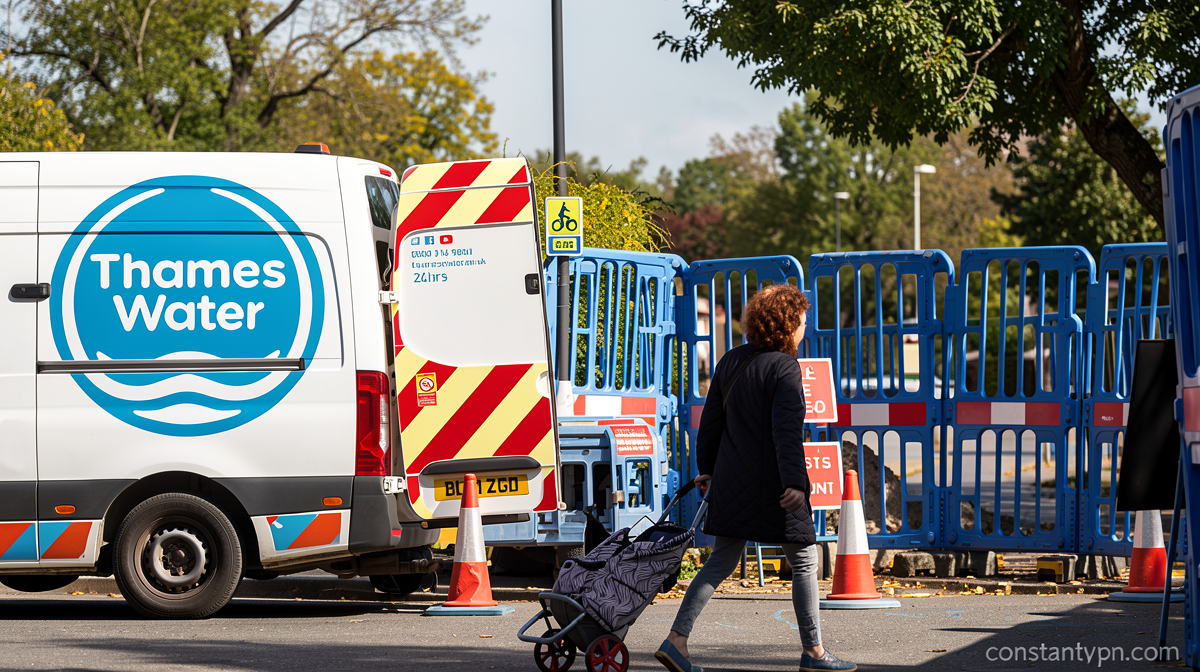
Constantvpn.com – Andy Burnham’s impending arrival as Britain’s next prime minister coincides with a pivotal moment for Thames Water, a utility giant whose financial struggles could shape the new administration’s approach to bringing essential services under greater public oversight. While the water company has managed to return to profitability following substantial customer bill increases, serious challenges remain on the horizon.
The organization’s financial position tells a complex story. For the twelve-month period concluding at the end of March, Thames Water posted a post-tax profit of £113 million, marking a dramatic reversal from the £1.51 billion post-tax loss recorded in the preceding year. This turnaround came after the company raised customer bills by approximately 40 percent. Yet profitability alone does not signal recovery. The debt burden continues to expand, reaching £18.5 billion compared to £16.8 billion previously, while cash reserves are steadily depleting. Customer payments simply do not cover the enormous infrastructure investments required after years of insufficient funding.
Two Paths Forward for the Water Giant
Thames Water has issued a stark warning: its current cash reserves will sustain operations only until the end of this year. Beyond that point, decisive action becomes unavoidable. One potential solution involves government approval of a rescue arrangement negotiated by the company’s lenders. This proposal would write off portions of existing debt while injecting fresh capital, with the company receiving extended flexibility on environmental compliance targets over subsequent years. Proponents of this approach argue that simply injecting funds without addressing systemic issues proves futile when penalties continue to drain resources.
Environment Secretary Emma Reynolds recently rejected this plan as “weak” and not offering enough protection for consumers and the environment.
Alternatively, Thames Water could enter a special administration process. Under this scenario, government-appointed administrators would manage operations on behalf of the public. This arrangement places existing debt obligations on the government and necessitates billions in public investment. The special administration framework is designed as a temporary measure, allowing the government to recover some taxpayer funds if the business eventually transfers to private ownership.
Burnham’s Nationalization Dilemma
Burnham is anticipated to assume the role of prime minister on Monday. He has previously advocated for Thames Water’s nationalization. However, questions persist regarding how committed he remains to returning the company to private hands given his broader agenda of increasing government control over essential utilities. The duration of any nationalization and its financial implications for taxpayers remain uncertain. Additionally, northern constituents may resist subsidizing a London-based water provider.
Enhanced public control might manifest as stricter regulatory frameworks or borrowing limits for companies like Thames Water. Such measures could complicate the organization’s ability to secure and deploy capital for necessary improvements. The situation presents no straightforward solution, yet Burnham’s response will provide early insight into his governing philosophy.
Thames Water chief executive Chris Weston told Reuters on Wednesday that its lenders “want to see what the new Burnham government thinks before providing more funding”.
On Wednesday, Thames Water also announced that pollution incidents decreased by 18 percent. The company achieved slightly more than half of its performance targets. Customer complaints surged by 77 percent year-on-year, reaching 122,798 total complaints. Bill-related grievances constituted more than three-quarters of all complaints and doubled compared to the previous year.
Executive Compensation Under Scrutiny
Financial disclosures revealed that Weston’s compensation increased by £128,000, bringing his total to £1.163 million from £1.035 million. Although Weston received no bonus, the company distributed £4.1 million in bonuses to other directors, up from £2.8 million the prior year.
Reynolds said: “It’s outrageous that one of the worst-performing water companies is handing out bonuses and inflation-busting pay rises to its executives.”
“It flies in the face of basic fairness, and the British public are right to be furious. We’ve banned bonuses for polluting water bosses and will be taking action to prevent bonuses by any other name.”
Dr Heather Smith, a senior lecturer in water governance at Cranfield University, offered perspective on potential outcomes. She suggested that a special administration regime represents a form of temporary public control rather than complete nationalization. This approach could stabilize the company during a transition to new ownership.
“Long-term nationalisation, I think, would be a struggle because I think the costs of what we need for infrastructure upgrades are such that it would be a real struggle for the public purse to handle – more so than the private sector.”
The government’s recent objection to the proposed rescue deal signals movement toward potential nationalization. How Burnham navigates this complex landscape will define his administration’s approach to public utilities and set precedents for future governance of essential services.