Around 29,000 lightning strikes light up sky across southern England

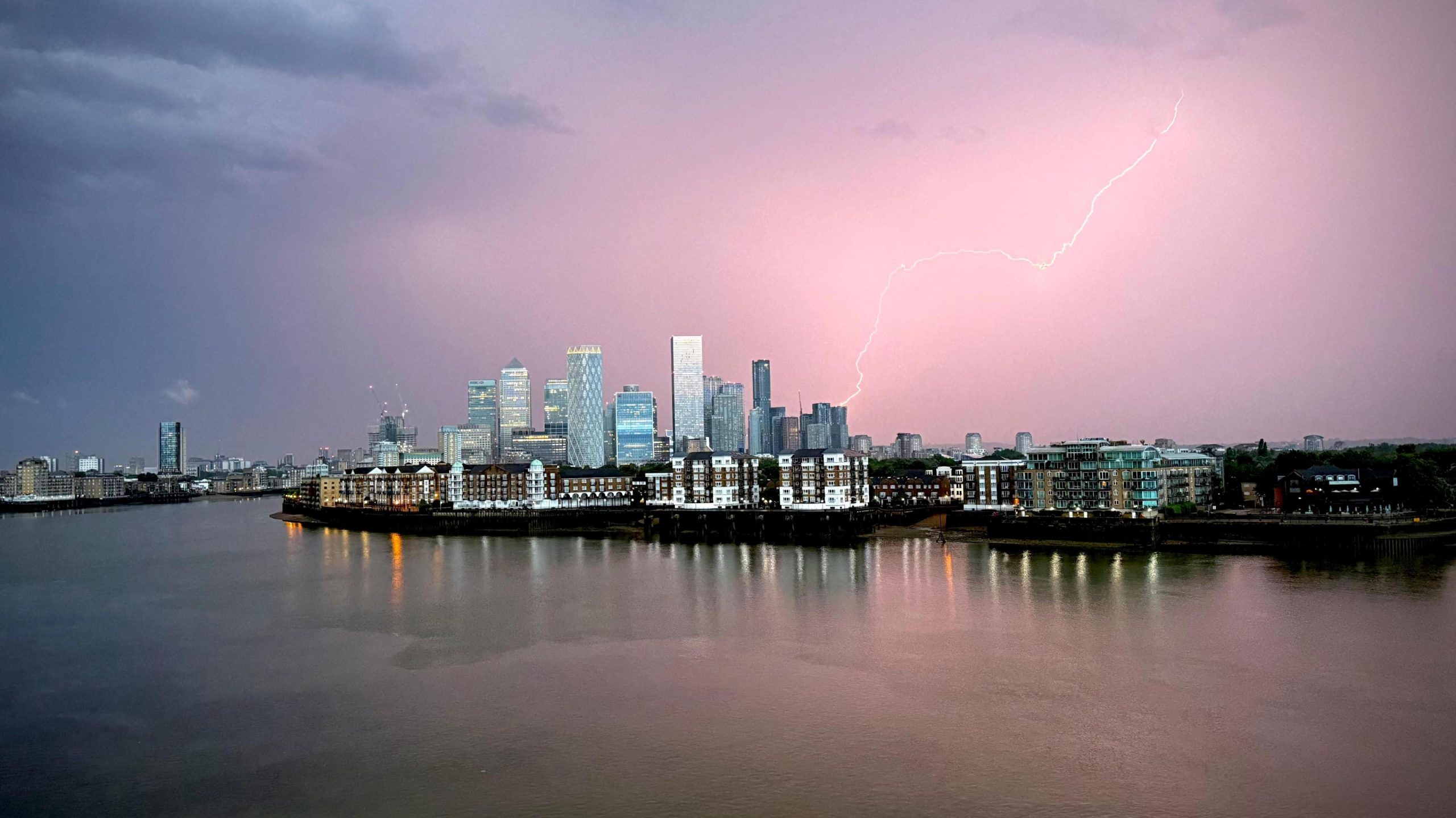
Around 29,000 Lightning Strikes Light Up Sky Across Southern England
Constantvpn.com – In the early hours of Tuesday, the skies over London were illuminated by a dramatic display of lightning, as powerful storms swept across southern England. The Met Office reported that approximately 29,000 lightning strikes occurred overnight, casting an eerie glow across the region. These storms, fueled by intense weather conditions, disrupted daily life and led to widespread flash flooding, with some areas experiencing severe travel delays. The event marked a significant meteorological occurrence, highlighting the power of nature as temperatures in England prepare to reach record levels.
Storms Traverse the South of England
Thunderstorms began rolling in from the southwest on Monday evening and progressed toward the southeast throughout the night. Residents across multiple regions reported being roused from sleep by the thunderous claps of lightning and the booming echoes of thunder. The phenomenon was particularly striking in London, where the city’s skyline was briefly transformed by the flashes. In Wapping, the lightning illuminated the urban landscape, while in Hornchurch, the night sky was pierced by streaks of electric light.
“Around 29,000 lightning strikes lit up the sky overnight,” stated the Met Office. “This included both cloud-to-cloud discharges and the more dramatic cloud-to-ground strikes.”
The volume of lightning activity was unusually high, though not entirely unprecedented. Weather experts note that such numbers are common during storms that develop after prolonged periods of heat and humidity. However, the intensity and frequency of the flashes made this event noteworthy. The London Fire Brigade responded to 400 emergency calls during the night, including two incidents where house fires were suspected to have been sparked by lightning. Meanwhile, a residence in Bristol caught fire during the storm, underscoring the unpredictable nature of these weather events.
Impact of the Storms
The storms left a trail of disruption, with flash flooding reported in several locations. In Hammersmith, London, water surged through streets, forcing evacuations and causing damage to infrastructure. The TfL network also faced challenges, with properties inundated by heavy rain. While the primary focus was on the lightning and thunder, the torrential downpours added to the chaos, creating hazardous conditions for commuters and residents alike.
According to the Met Office, the thunderstorms were part of a broader weather pattern that has led to record-breaking temperatures. A rare red alert is set to take effect on Wednesday, signaling the potential for extreme heat. Temperatures in southern England are expected to climb to 40°C, a level that has not been seen in recent years. This heatwave is raising concerns about public health, with experts warning of the dangers posed by prolonged exposure to high temperatures.
Understanding the Storms’ Origins
The formation of these intense thunderstorms can be attributed to a combination of factors. First, the region experienced unusually warm conditions on Monday afternoon, with temperatures soaring into the high 20s and low 30s. This warmth provided the atmosphere with substantial energy, which is essential for the development of severe weather. Additionally, an atmospheric disturbance higher in the sky acted as a catalyst, triggering the release of stored energy in the form of powerful storms.
“The energy in the atmosphere was primed for release,” explained a Met Office spokesperson. “This disturbance allowed the accumulated heat to manifest as intense thunderstorms.”
The movement of the storms from west to east was predictable in general terms, but the exact locations of their impact remained uncertain. Some areas faced more severe conditions than others, with lightning strikes and heavy rainfall concentrated in certain regions. For example, in Bath, Somerset, the skies were split by vivid forks of lightning, while in Waltham Cross, Hertfordshire, the storm’s effects were felt through sudden downpours and gusty winds.
Community Response and Practical Advice
Residents are now sharing their experiences with the extreme weather, offering insights into how they are coping with the heat. Some have described the lightning as a “spectacular show,” while others have emphasized the disruption caused by the storms. The Met Office has also provided guidance on how to manage the heat, including tips for staying cool and recognizing the signs of heat exhaustion and heatstroke.
“How has the hot weather affected you? Tell us how you’ve been managing the heat,” asked the Met Office in a call for public input.
Experts warn that the combination of high temperatures and humidity can lead to dangerous health risks. Symptoms such as dizziness, nausea, and fatigue may indicate heat exhaustion, while more severe cases can result in heatstroke, requiring immediate medical attention. The advice includes staying hydrated, using fans or air conditioning, and avoiding prolonged exposure to the sun.
As the heatwave continues, the focus is shifting to preparedness. With the red alert in place, authorities are urging people to take precautions, particularly those in vulnerable groups such as the elderly and young children. Schools and businesses may need to adjust schedules, and emergency services are on high alert for potential incidents related to the extreme weather.
Broader Implications of the Heatwave
The recent storms and the impending heatwave are part of a larger pattern of weather extremes that have become more frequent in recent years. Scientists suggest that rising global temperatures may be contributing to more intense and unpredictable weather events. The Met Office has highlighted that the red alert for 40°C is a rare occurrence, underscoring the significance of this particular heatwave.
“This is a critical moment for the UK,” said a weather analyst. “We are looking at conditions that could set a new record for June temperatures.”
While the immediate effects of the storms have subsided, the long-term implications of the heatwave are still being assessed. The Met Office is monitoring the situation closely, with updates expected as the temperatures continue to climb. Residents are encouraged to stay informed and take necessary steps to protect themselves and their properties from the challenges posed by the weather.
As the days progress, the focus remains on mitigating the impact of the heatwave and ensuring that the infrastructure can withstand the extreme conditions. The combination of lightning, flooding, and record temperatures serves as a reminder of the power of nature and the need for vigilance in the face of climate change. With the red alert in place, the coming days will be crucial for testing the resilience of communities across southern England.