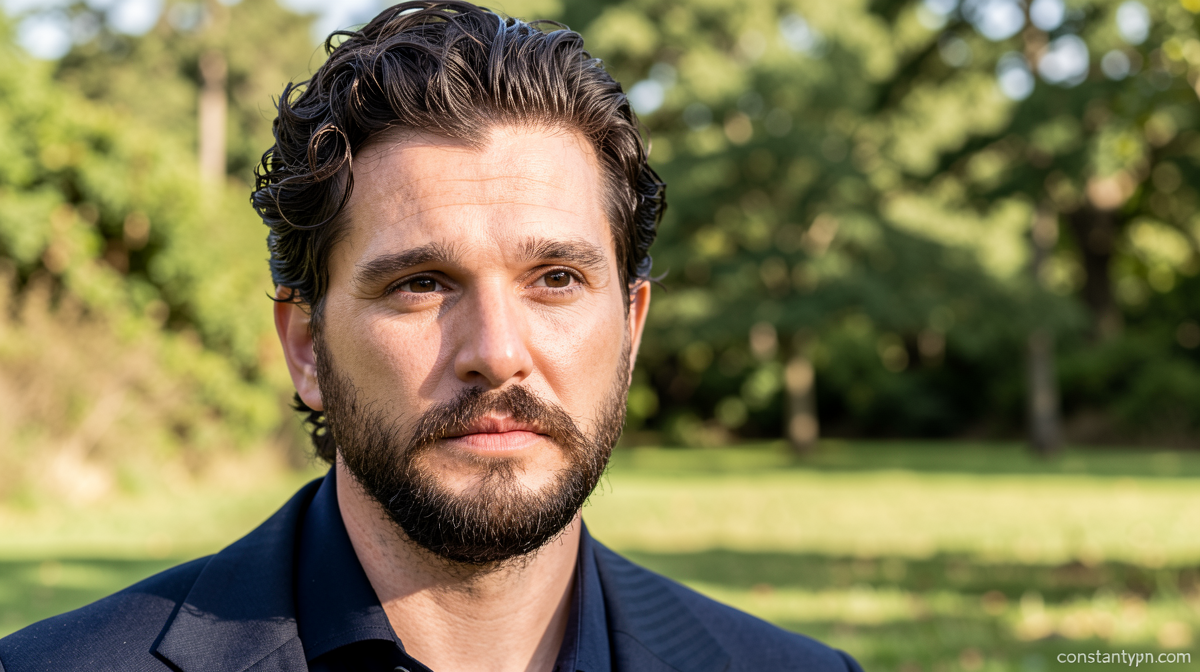
Author: Robert Lopez – constantvpn.com

  • ‘My parents won’t lend me £10k but helped my brother’: When families play financial favourites

    ‘My parents won’t lend me £10k but helped my brother’: When families play financial favourites

    My Parents Won’t Lend Me £10k: Sibling Money Rifts

    Constantvpn.com – “My parents won’t lend me £10,000, yet they funded my brother’s deposit.” That single sentence, spoken by a 47-year-old British man, captures a wound that runs far deeper than the arithmetic suggests. A US study estimates that roughly 15% of siblings have clashed significantly over money at least once, and the fallout rarely evaporates with adulthood. It resurfaces around mortgages, elder-care decisions, and the eventual reading of a will — sometimes ending in a courtroom.

    The mechanics are easy to outline: two or more grown children, one set of parents, and an uneven flow of cash, gifts, or hands-on help. The child on the short end of the ledger tends to read the disparity not as circumstance but as a ranking — a quiet verdict on where they sit in the family’s order of love.

    What the Money Actually Means

    Dr Fenia Christodoulidi, who advises through the counselling charity Relate, is blunt: the pound sterling is almost never the real subject. What siblings are really arguing about is recognition, fairness, and whether their parent’s affection is conditional.

    “Financial support from parents often carries a powerful emotional meaning and some siblings tend to interpret differences in support as signs of favouritism, unequal love or a lack of recognition.”

    Parents may have entirely rational reasons for uneven aid — one adult earns less, another manages a chronic illness, a third faces a housing market where entry prices have soared. But when the reasoning is never voiced, the silence itself becomes the injury. As Christodoulidi puts it, failing to communicate intentions clearly “can leave room for misunderstanding and resentment.”

    John’s Rejection and the Decade-Long Aftermath

    John, 47 (surname changed), grew up in a household where his younger brother, now 42, was the one “coddled”: house deposit covered, living costs subsidised, ongoing financial backstops in place. John, cast as the academic sibling, was expected to be self-sufficient from a young age.

    The breaking point arrived after a relationship ended. He asked his parents to lend him £10,000 toward a deposit. They said no — a sum he describes as “well within their financial grasp.” In his telling, the refusal confirmed a suspicion he had carried for years: his needs would always queue behind his brother’s.

    “The needs of others take precedence over my own.”

    He says the episode left him feeling “isolated,” straining friendships and romantic ties alike. Money talk is effectively banned at home — salaries, savings, and any financial assistance are off-limits. Every attempt to voice frustration met evasiveness, so he stopped trying. He now plans his finances on the assumption of zero inheritance while simultaneously bracing himself to step in if his parents lose capacity. He maintains what he calls a “great relationship with his brother” yet carries a persistent resentment toward his parents for engineering what he terms the “imbalance” between the two men.

    Counterpoints: Not Every Household Reproduces the Rift

    Ellis, 26, a finance professional in London, offers a different texture. She and her siblings have received “different levels of support at different times,” and it has never generated friction. In her reading, the variability tracked need, not preference.

    Tasha, 33, the youngest of seven siblings, sits in a middle ground. She believes her parents treat all seven equally, yet acknowledges that her brothers and sisters have periodically fallen out over perceived favouritism.

    “I just think people sometimes get a bit uncertain or jealous and that’s quite normal. Sometimes people stop talking for a bit or go to process what they are feeling, and they come back together and they just hash it out.”

    Her account highlights that even where no genuine preferential treatment exists, the perception of inequality can trigger a temporary rupture — one that, in her experience, dissolves through time and informal conversation.

    Mediation Before Litigation

    Claire Webb, a solicitor and mediator at Family Solutions Now, handles sibling disputes over inheritance and other money matters routinely. A scenario she describes with regularity: one sibling recalls being told years ago that an earlier gift — say, a house deposit — would be “reflected in the will.” The will, when it finally arrives, states that everything should be shared equally. Decades of accumulated grievance surface in a single document.

    Her practical counsel runs two ways. Parents should articulate their intentions clearly while still alive, leaving no ambiguity about how assets will be allocated. Siblings, meanwhile, should seek structured mediation before the dispute calcifies into litigation, where costs and adversarial posturing tend to deepen the very rift the process was meant to resolve.

    FAQ

    Is it normal for parents to give different amounts of financial help to different children? Yes. Need-based variability — responding to income gaps, health issues, or local housing costs — is common and, in most families, does not breed lasting conflict. The friction typically arises when the reasoning behind unequal support is never explained.

    What should a sibling do if they feel their parents favour a brother or sister? Experts recommend a calm, specific conversation focused on the behaviour (the gift, the loan, the deposit) rather than on character. If direct dialogue stalls, a family mediator or counsellor can provide a neutral space. Keeping personal finances independent of the family ledger also reduces the emotional stakes of any future dispute.

    Can a parent’s will settle a decades-old favouritism grievance? Only if the will’s language matches what was communicated earlier. Ambiguity — or a blanket “equal shares” clause that contradicts prior assurances — is the single most common trigger for post-death litigation among siblings. Clear, documented intent while the parent is alive is the strongest safeguard.


  • The mystery of why so many black Britons still can’t swim

    The mystery of why so many black Britons still can’t swim

    Why a Persistent Myth About Black Bodies and Water Keeps Costing Lives

    Constantvpn.com – Every summer, as temperatures climb and Britons flock to lakes, rivers, and coastlines, the country’s drowning toll ticks upward. Black children and adults have consistently appeared at disproportionate rates in those statistics, a pattern that predates the current decade and shows no sign of fading. The absence of official 2026 figures does not erase what prior years have documented: a demographic disparity in water-related deaths that mirrors a deeper, more entrenched problem. Millions of black Britons simply cannot swim, and the reasons trace back centuries of exclusion, misinformation, and institutional neglect.

    A Personal Reckoning at Age 27

    Florence Freeman, a writer who recently returned to a pool after more than ten years away, describes the moment she pushed through the entrance doors: the chlorine stung her nose, nausea rose, and every instinct told her to turn back. She was about to begin her first formal swimming lesson in over a decade. Inside the water, she found herself surrounded by other black women at varying stages of competence — some already completing confident lengths, others, like herself, still learning how to breathe without panic, how to let the water support rather than resist.

    At 27, Freeman still could not swim. She is, by a wide margin, not an outlier.

    The Numbers Behind the Gap

    Swim England, the sport’s national governing body, compiled survey data from 4,500 respondents and published the findings in 2022. The results paint a stark picture of inequality in aquatic competence. Sixty-seven percent of black women and 44 percent of black men in England reported an inability to swim 25 metres without assistance. Compare that with the white population: 17 percent of white women and 12 percent of white men share the same limitation. The gap is not marginal; it is structural.

    The survey also flagged other groups at elevated risk of non-swimming: lower-income households, Muslim communities, people of South Asian heritage, and children in the care of social services. Yet it is the black-community figures that tend to dominate public conversation, partly because the historical roots of the disparity are so specific and so long-lived.

    Debunking the Bone-Density Myth

    For generations, a particular explanation has circulated: that black people possess denser skeletal structures, rendering them inherently less buoyant in water. The claim has no scientific footing. In 2023, researchers from the University of Portsmouth partnered with the Royal National Lifeboat Institution and the Black Swimming Association to test the hypothesis directly. One hundred and one participants took part. Eighty-nine of them floated unassisted for a full two minutes. Bone density measurements failed to predict who could float and who could not. The myth, in other words, collapsed under basic empirical scrutiny.

    Where the Myth Actually Came From

    The idea did not emerge from anatomy. It emerged from exclusion. European travel accounts stretching back to the fifteenth century recorded west Africans as accomplished swimmers and divers. Then came centuries of racial segregation in pool access, most visibly in the United States, where black bodies were barred from public aquatic facilities. By the time segregation formally ended, the cultural association between blackness and poor swimming had already calcified.

    In 1974, just a few years after the US civil rights era reshaped public life, two white physicians published an article in a respected American medical journal posing the question: “Can Blacks Float?” Their conclusion affirmed the very assumption the Portsmouth study would later dismantle. That article, and the decades of informal repetition surrounding it, embedded a false biological narrative into popular consciousness.

    Living the Consequences

    Alice Dearing, a former Olympic swimmer and co-founder of the Black Swimming Association, grew up in a culture where the myth had already taken root. At seventeen, a coach directed a racial slur at her in front of a fellow swimmer. She raised the complaint with her club and her school. Ultimately, she chose not to pursue the matter further.

    “Why am I being victimised for swimming and for being black? It just didn’t make sense,” she recalls.

    Dearing argues that America’s segregated-pool history reverberated across the Atlantic into British swimming culture, leaving some black people with an internalised belief that they simply cannot swim. That belief, she contends, is not merely a historical curiosity; it shapes present-day behaviour at the poolside and in open water.

    The Cost of Believing the Wrong Thing

    Heather Massey, a physiology professor at the University of Portsmouth who contributed to the floating study, frames the issue in practical terms. If a person genuinely believes their body cannot float, they may dismiss a skill that could one day save their life. The stakes are not academic.

    “If people believe they can’t float, then they may be dismissing something that could eventually save their life,” Massey says. “We need to make sure that myth is challenged.”

    What Comes Next

    UK policy expects every child to leave primary school with basic swimming competence. In practice, that expectation lands unevenly across communities shaped by the very exclusions described above. Closing the gap requires more than a single study, however rigorous. It demands sustained investment in accessible, culturally welcoming aquatic programmes; explicit curricula that correct the bone-density fallacy; and institutional accountability when coaches or clubs reproduce the language of racial inferiority in the pool.

    The water does not discriminate. The barriers around it do. Until those barriers are dismantled — in policy, in pedagogy, and in the stories communities tell themselves about their own bodies — the drowning statistics will continue to carry the same demographic signature they have carried for decades.

    Frequently Asked Questions

    What is The mystery of why so many?

    The mystery of why so many is the main topic of this guide. The article explains the context, practical details, and next steps readers should understand.

    Why does The mystery of why so many matter?

    The mystery of why so many matters because readers are looking for a useful answer, not just a short summary. Good content should match search intent and help them decide what to do next.

  • Two missing as French fishing boat sinks in Channel

    Two missing as French fishing boat sinks in Channel

    Search Intensifies After French Fishing Vessel Goes Down Near Plymouth

    Constantvpn.com – Two members of a French fishing crew remain unaccounted for after their vessel sank in the English Channel on Saturday evening, prompting one of the most sustained multi-agency rescue operations in recent memory along Devon’s south coast. The Maritime and Coastguard Agency confirmed that searches for the two missing sailors are ongoing, with assets deployed across a wide sector of water south-west of Eddystone Lighthouse, a landmark situated roughly 12 miles west of Plymouth harbour.

    The incident unfolded quickly. At 18:00 BST on Saturday, the crew transmitted a distress signal indicating the vessel was in trouble. Within minutes, a coastguard rescue helicopter, a fixed-wing aircraft, and two Royal National Lifeboat Institution (RNLI) lifeboats converged on the reported position. Three crew members were pulled from the water and transported to hospital. The remaining two have not yet been located, and the operation has shifted into its second full day.

    A Round-the-Clock Effort

    HM Coastguard in Falmouth, which coordinates maritime search-and-rescue across the western approaches, confirmed that the intensive search continued uninterrupted through the night. Personnel from the Plymouth and Falmouth RNLI stations worked through the darkest hours before handing over to crews based at Newlyn and Salcombe, who assumed responsibility for the morning sweep.

    “It is continuing today with multiple assets sent to help,” an HM Coastguard spokesperson stated.

    Civilian vessels operating in the area were also called upon to assist. A significant number of local fishing boats, pleasure craft, and commercial operators joined the grid, extending the area covered by the official search pattern. The combination of aerial surveillance, surface lifeboat patrols, and volunteer maritime traffic represents the standard layered approach used when a vessel sinks in open water and survivors may be in the water or clinging to debris.

    Why the Channel Remains a Hazard Zone

    The English Channel is among the busiest stretches of sea in Europe, carrying tens of thousands of commercial and recreational vessels each day. For fishing crews operating out of French ports such as Saint-Pol-de-Léon, Roscoff, and Concarneau, the waters west of Plymouth represent a productive groundfish and shellfish area, but also a region where weather can deteriorate rapidly, particularly in the autumn and winter months. Cold water temperatures, strong tidal streams running through the area around Eddystone, and limited visibility after dark all compound the risk for small vessels caught in sudden squalls or mechanical failure.

    Eddystone Lighthouse itself, perched on a rocky headland south-west of Plymouth, has long served as a navigational reference point for vessels transiting between the English Channel and the Celtic Sea. Its position makes it a natural geographic marker for search-and-rescue coordinators defining sector boundaries. A sinking south-west of the light places the incident in relatively deep water, where currents can carry debris and survivors over considerable distances within hours.

    The RNLI’s Role in Western Approaches

    The Royal National Lifeboat Institution operates a network of volunteer and professional lifeboat stations along Britain’s coastline. Stations at Plymouth, Falmouth, Newlyn, and Salcombe collectively cover the western approaches and the inner Channel. Each station maintains at least one all-weather lifeboat capable of operating in heavy seas, supplemented by inshore boats for calmer conditions. When a multi-vessel incident occurs, as it did on Saturday, adjacent stations are tasked simultaneously to maximise coverage area and reduce response times.

    The handover from Plymouth and Falmouth crews to Newlyn and Salcombe crews overnight reflects standard operational practice: after extended shifts in cold, wet conditions, fresh crews ensure sustained vigilance and physical capacity for continued surface searches. The transition is planned, not improvised, and ensures no gap in coverage.

    What Happens Next

    Search-and-rescue operations of this scale typically continue until either the missing persons are located or the probability of survival drops below a threshold set by international guidelines. Factors considered include water temperature, time elapsed since the vessel sank, tidal direction, and the last known position. Aerial assets provide the widest coverage per hour, while lifeboats can inspect smaller debris fields and conduct close-range sweeps that aircraft cannot replicate.

    For the families of the two missing crew members, the coming hours will be defined by the outcome of each successive search sweep. HM Coastguard and the Maritime and Coastguard Agency have indicated that all available resources will remain committed until the operation concludes. Local harbourmasters in Plymouth, Newlyn, and Salcombe have been briefed and are monitoring for any civilian vessels that may spot debris or signs of survivors.

    The French fishing vessel carried five people aboard at the time of the sinking. Three have been accounted for and are receiving medical treatment. The fate of the remaining two is the focus of every asset currently deployed in the sector, and the search will continue through the day and, if necessary, into the following night.

    Frequently Asked Questions

    What is Two missing as French fishing boat?

    Two missing as French fishing boat is the main topic of this guide. The article explains the context, practical details, and next steps readers should understand.

    Why does Two missing as French fishing boat matter?

    Two missing as French fishing boat matters because readers are looking for a useful answer, not just a short summary. Good content should match search intent and help them decide what to do next.

  • Man City open talks with Liverpool over Gakpo

    Man City open talks with Liverpool over Gakpo

    Manchester City Move to Acquire Cody Gakpo as Liverpool Transfer Window Enters Final Hours

    Constantvpn.com – The final stretch of the summer transfer window has taken on urgent significance for Liverpool, whose squad planning now hinges on whether they will part with Dutch international striker Cody Gakpo. Manchester City confirmed formal negotiations with the Anfield club on Saturday evening, placing the 27-year-old forward at the centre of one of the most consequential transfer stories of the closing days before Tuesday’s deadline.

    A Preferred Destination and Competing Interest

    While both City and Tottenham Hotspur have shown concrete interest in Gakpo’s services, sources close to the player indicate that the Etihad side represents his preferred destination should he depart Liverpool. The timing of City’s approach — arriving just days before the window shuts — underscores the urgency with which the club is seeking to reinforce its attacking options ahead of a demanding fixture schedule.

    Gakpo’s situation at Anfield has been shaped by a cascade of recent arrivals and internal developments. Liverpool have already agreed terms to bring in Paris Saint-Germain winger Bradley Barcola in a deal valued at up to £123 million. The addition of Victor Munoz and the continued emergence of academy product Rio Ngumoha have further crowded a forward line that already featured Gakpo’s established presence. The Dutchman is reportedly well aware that his status as a guaranteed starter has shifted, and a departure would not come as a shock to those around him.

    Liverpool’s Conditions: Reinforce Before Release

    Despite the pressure from City, Liverpool are not expected to sanction a Gakpo exit without first securing an alternative forward. The club has identified Brighton’s Yankuba Minteh and Crystal Palace’s Ismaila Sarr as candidates to fill the void. Manager Andoni Iraola’s preference is clear: he wants depth and competition in attack before releasing a player who has already contributed meaningfully this season.

    That preference is complicated by injury. Hugo Ekitike is sidelined until 2027 following a ruptured Achilles tendon, removing a key goal-scoring option for the foreseeable future. Alexander Isak, meanwhile, has continued to battle recurring injury problems, making the squad’s attacking resilience a genuine concern. Letting Gakpo walk without a replacement would represent a substantial risk to Liverpool’s competitive ambitions.

    Gakpo’s Liverpool Record and Immediate Impact

    Since arriving from boyhood club PSV Eindhoven in January 2023, Gakpo has scored 33 goals in 91 Premier League appearances for Liverpool. His versatility across multiple attacking positions has made him a proven, multi-functional option in the top flight — a quality that both City and Spurs recognise.

    This season, Gakpo has already demonstrated his value. Last week he found the net in a draw at Newcastle, and on Saturday he delivered the assist for Isak’s goal as Liverpool drew 2-2 with Nottingham Forest at Anfield. Those two contributions in the opening two fixtures of the campaign illustrate precisely the kind of immediate impact that makes his potential departure so difficult to replace.

    The Financial Dimension

    For Liverpool, a sale in the region of £85 million would constitute a significant financial gain. The club originally acquired Gakpo from PSV for £35 million following the 2022 World Cup, meaning a move at that level would represent a £50 million-plus profit on the transaction. In an era of tight financial constraints and squad rationalisation, such a return would be welcomed by the club’s hierarchy.

    Yet the sporting calculus is more complex than the ledger suggests. With Ekitike out for the long term and Isak’s availability uncertain, Liverpool’s forward depth is already thin. The arrival of Barcola, while a major signing, does not directly replicate Gakpo’s profile as a central or wide attacker capable of contributing goals and assists in equal measure. Iraola’s squad planning therefore faces a genuine dilemma: accept a substantial fee and accept reduced attacking depth, or hold firm and risk losing a player whose market value may erode if the window closes without a deal.

    What Happens Next

    Given how late in the window these negotiations have surfaced, Liverpool will need to weigh the situation carefully before granting any approval. The club is simultaneously pursuing at least one additional winger before deadline day, and the outcome of those parallel tracks will likely determine whether Gakpo’s future is settled at Anfield or elsewhere by Tuesday.

    For City, the opportunity is clear: a proven Premier League striker, already acclimatised to the league’s physical demands, available at a price that, while substantial, is within reach for a club of their financial stature. For Gakpo himself, the prospect of a move to a title-chasing project with guaranteed starting role represents a compelling proposition — one that Liverpool, for all their sporting reservations, may ultimately find difficult to resist.

    The next 48 hours will determine whether the Dutch forward’s next chapter is written in Manchester or continues in Liverpool. Either way, the transfer window’s final days have been given a storyline few predicted at the start of the summer.

    Frequently Asked Questions

    What is Man City open talks with Liverpool?

    Man City open talks with Liverpool is the main topic of this guide. The article explains the context, practical details, and next steps readers should understand.

    Why does Man City open talks with Liverpool matter?

    Man City open talks with Liverpool matters because readers are looking for a useful answer, not just a short summary. Good content should match search intent and help them decide what to do next.

  • Mount Fuji pics, life-changing ramen and a weak yen – why young Brits are going to Japan

    Mount Fuji pics, life-changing ramen and a weak yen – why young Brits are going to Japan

    Constantvpn.com – Seeing others' holiday snaps of Japan on social media made Maitri Sanghvi want to go there As I open up Instagram, I see another person in their late-20s has been to Japan. It shouldn't come as a surprise any more. "I cannot scroll through TikTok or Instagram without seeing videos of people in [convenience store] 7-11 and trying all the different skincare and trying all the snacks and the viral sandwiches and the viral drinks and going to all the viral restaurants," says Alex Baker, who has been to Japan three times.

    There's been growing hype about Japan as a travel destination among young British people. Data from the Japanese National Tourism Organization , external shows that 483,157 British tourists visited Japan in 2025, up 24.8% on 2024 and up 40.8% on 2019, the benchmark year used by travel companies to compare with pre-pandemic trends. Provisional data for 2026 suggests numbers are continuing to grow.

    This reflects the boom in total tourism to Japan since the pandemic, with a record number of foreign visitors in 2025. The Brits in their 20s and 30s I spoke to gave a long list of reasons for wanting to go to Japan – the cityscapes, food, anime, nature, history, gaming, temples. But they largely agreed that social media was the main driving force behind so many young people heading there.

    When Maitri Sanghvi scrolled through TikTok, "Japan just kept popping up," she says. It was a big reason why Maitri, 24, and her boyfriend went for three weeks earlier this year. "Seeing [Japan] on social media restarted my urge of wanting to go," she says.

    Search #japantravel on TikTok or Instagram and you'll see countless videos of Mount Fuji, bowls of steaming ramen, itinerary suggestions, small villages in the Japanese Alps, the Fushimi Inari torii gates in Kyoto, the neon lights of Osaka's Dotonbori, and the chaos of Shibuya Crossing. "Seeing other people's Japan videos definitely influenced my decision to go," says Aden Ibrahim, 29. Aden says the social media buzz around Japan made him want to go Since he went with friends last July, Aden has posted dozens of TikToks of his trip, and he's still uploading them more than a year later.

    One captioned "Japan made it out the group chat" has 1.1 million views. Travelling to Japan isn't cheap – return off-peak flights with a layover in China start at about £450 with a budget airline. But the yen is weakening , making it cheaper for tourists when they're actually out there – even as rising prices hit residents.

    In July, the yen fell to a 40-year low. "You can literally get a bowl of life-changing ramen for £3/£4 compared to a rubbish one here for like £20," says Faye Jawad, 26, who reviews restaurants on TikTok and visited Japan last year. Faye says eating out in Japan was surprisingly affordable "When the yen was weakening, I thought 'actually this is a good time to go, things are going to be cheap'," says Vivek Haria, 26, who has a trip planned for this autumn.

    His interest in Japanese culture means he's wanted to visit for years – he has been learning the language and even sings in the UK-Japan Choir – but he says the value of the yen made it even more attractive. The low prices have led to many tourists splashing out on souvenirs when they're out there. Videos of people showing off their Japan "haul" of flavoured KitKats, stationery and clothes have become popular on social media.

    When Sam Corbett, 23, was in Japan in May he bought so many souvenirs – including snacks, matcha, clothes and skincare – that he had to buy an extra suitcase, which he stuffed full. Everything was "really affordable," he says. Many visitors talk about being entranced by Japan's convenience stores Almost all the Brits I spoke to had stuck to the same route known as the Golden Route: Tokyo, Kyoto and Osaka, often with day trips to nearby destinations like Nara, Hiroshima and Mount Fuji.

    It's easy to see why so many tourists pick this route. These cities are easy to travel between and packed with some of Japan's biggest attractions. But complaints about badly-behaved tourists are sparking debate about overtourism.

    Chiyuki Izumii, a tour guide for the Japan Guide Agency, feels tourist behaviour has got worse in recent years. She says that while her customers are respectful, she's seen other tourists jumping queues for buses, blocking space on board with big suitcases, carving their initials on trees in Kyoto's bamboo forest, speaking in loud voices at night and entering restricted areas to take pictures. Some authorities are cracking down.

    Fujikawaguchiko, a town near Mount Fuji, cancelled this year's cherry blossom festival after repeated issues with misbehaving tourists, while Tokyo's Shibuya ward, home to the famous Shibuya Crossing, started issuing on-the-spot fines for littering in June. In July, Japan increased its international tourist tax , external – typically incorporated into flight and boat tickets for people leaving Japan – from 1,000 yen (£4.60) to 3,000 yen, which it says will be spent on things like improving public transport and restoring historic sites. Overtourism is a big topic of discussion in cities like Kyoto Some visitors were surprised just how crowded major cities in Japan were.

    "I was prepared for it to be busy but I didn't expect it to be as busy as it was," says Millie Dring, a huge anime fan who went in November with a friend to celebrate her 21st birthday. The DisneySea theme park near Tokyo was so busy that Millie and her friend only went on one ride, which had a three-hour queue, and felt overwhelmed by the crowds. Millie says cities like Tokyo were even busier than she expected Sam blames some of the crowds at tourist hotspots on social media hype and he says he regrets going to some places just because they were popular online.

    One dessert spot he went to in Kyoto after seeing it "all over social media" was very busy "and there wasn't a single local person in the queue," he says. Sites like the Hakone torii gates and Arashiyama bamboo forest had huge crowds of people trying to get Instagram-perfect photos, he says. But for some visitors, the hustle and bustle of the tourist destinations are all part of the attraction.

    "I think there's a snobbiness around being a tourist over the past couple of years where people want to avoid looking like one," says Laura McGregor, 29, who's spending two weeks in Tokyo and Osaka in November for her honeymoon. Her plans include going to Disney and Universal, attending a sumo event, visiting Fuji and Hiroshima, and hiring go-karts to drive around Tokyo. "Of course I want to experience an authentic side of Japan but I'm excited to embrace the tourist side too and go along with it," she says.

    Foreign tourists are falling out of love with Goa – here's why Why Gen Z chilling red wine is socially acceptable, especially in the summer heat The influencers getting bitten while chasing the perfect shark shot

    Frequently Asked Questions

    What is Mount Fuji pics life changing ramen?

    Mount Fuji pics life changing ramen is the main topic of this guide. The article explains the context, practical details, and next steps readers should understand.

    Why does Mount Fuji pics life changing ramen matter?

    Mount Fuji pics life changing ramen matters because readers are looking for a useful answer, not just a short summary. Good content should match search intent and help them decide what to do next.

  • 18 deaths from battery fires show hidden danger of UK’s e-bike boom

    18 deaths from battery fires show hidden danger of UK’s e-bike boom

    The Silent Combustion: How Britain’s Electric Two-Wheeler Boom Is Igniting Homes

    Constantvpn.com – A quiet electric motor humming in a garage or by a front door can, within seconds, become a roaring inferno that engulfs an entire room. Between 2019 and 2025, more than 2,000 fires were ignited by e-bikes, e-scooters, or their lithium-ion batteries across the United Kingdom. Those blazes killed 18 people and left nearly 700 others injured, according to Freedom of Information data assembled from fire and rescue services in every region. The fatalities include residents trapped inside burning properties, individuals who perished attempting to escape through upper-storey windows, and victims who succumbed to toxic smoke inhalation.

    The trajectory of incidents has climbed steadily year on year. Nearly half of all recorded fires began inside homes or attached garages, turning what should be a place of refuge into a primary danger zone. Urban centres bore the heaviest burden: London logged 793 incidents over the seven-year window, followed by Manchester with 128, West Yorkshire with 93, Merseyside with 74, and Avon with 73. The total number of fires attributable to these vehicles and their power packs surged from just 32 in 2019 to 605 in 2025.

    Fire Services Sound the Alarm

    London Fire Brigade Assistant Commissioner Pam Oparaocha described the service as “increasingly concerned by the significant fire risk” posed by certain electric two-wheelers. Her investigations have pointed to a recurring pattern: many of the vehicles involved were second-hand units or had been fitted with components purchased through online marketplaces.

    “We urge people to be extremely careful about where they buy their e-bike or e-scooter from,” Oparaocha said.

    Footage captured by residents and bystanders illustrates how rapidly the situation escalates. A vehicle may begin emitting smoke, then appear to rupture with a sharp burst of flame, sending burning debris across a room. Within minutes, a contained spark becomes a structure-threatening blaze.

    Why Lithium-Ion Packs Are Both Essential and Perilous

    The very property that makes lithium-ion batteries indispensable for compact electric vehicles also makes them dangerous when something goes wrong. Dr Simon Jones of the University of Warwick, who led research into e-bike and e-scooter battery safety for the Office for Product Safety and Standards, explained the mechanism.

    “If these batteries are faulty, over-charged or damaged, the stored energy may be released rapidly in the form of flame jets and burning projectiles,” he said. “If this occurs in the home this is likely to result in a fast spreading fire that can engulf a room in seconds and block escape routes, trapping people inside. These fires also release toxic fumes from the batteries that pose a serious risk to health.”

    The chemistry is unforgiving: a small pouch of lithium-ion cells stores enough energy to power a commute, yet a single short circuit or thermal runaway event can discharge that energy as a jet of flame and molten particulate matter, filling enclosed spaces with carbon monoxide, hydrogen fluoride, and other corrosive gases.

    A Night in Hither Green

    Jahmell Campbell, 24, was at his grandmother’s flat in Hither Green, south-east London, in March of last year when his e-scooter erupted into flames beside the front door.

    “It was the loudest explosion I’d ever heard,” he recalled.

    The only viable exit was a window. Campbell jumped, ran to the rear of the building, and realised his grandmother was still trapped inside. His father threw a blanket down; Campbell’s grandmother was lowered through the window and caught by family members below. She sustained minor injuries from striking a windowsill on the descent.

    “Somehow we all made it out with our lives intact, which honestly shouldn’t have happened,” Campbell added.

    Six fire engines were dispatched to extinguish the blaze. The flat, where his grandmother had lived for more than two decades, was rendered uninhabitable.

    A Market Growing Faster Than Its Safety Net

    The Bicycle Association, the cycling industry’s trade body, estimates that an average of 153,000 new e-bikes have entered UK roads each year since 2020. New units at high-street retailers such as Halfords or Decathlon typically range from roughly £400 to £4,000. Yet second-hand vehicles and unregulated conversion kits circulate on online marketplaces for as little as £150, often without any traceable safety certification.

    UK regulation requires that any lithium-ion battery sold domestically for these vehicles meet government-set safety standards covering safe charging behaviour, thermal management, and physical damage protection. The government’s “Buy Safe, Be Safe” campaign cautions that while millions ride these vehicles without incident daily, fire risk climbs sharply when units fail to meet safety rules, sustain physical damage, undergo unauthorised modification, or are paired with an incompatible charger. Consumers are advised to look for UKCA or CE product-safety markings before purchase.

    Coroners Push for Systemic Change

    At least five Prevention of Future Deaths reports have been issued by coroners since 2023, each carrying recommendations aimed at tightening public-safety measures around electric two-wheeler storage, charging practices, and product labelling. Among the cases examined was that of eight-year-old Luke Albiston-O’Donnel, whose death prompted scrutiny of how unregulated batteries enter the domestic supply chain.

    As the fleet of electric two-wheelers continues to expand at a pace that outstrips regulatory oversight, the data underscores a simple reality: the convenience of a silent, pedal-assisted commute carries a hidden thermal cost that no consumer should be expected to absorb alone. Until certification enforcement tightens and second-hand marketplaces carry verifiable safety histories, the next garage fire may be closer than most riders realise.

    Frequently Asked Questions

    What is 18 deaths from battery fires show?

    18 deaths from battery fires show is the main topic of this guide. The article explains the context, practical details, and next steps readers should understand.

    Why does 18 deaths from battery fires show matter?

    18 deaths from battery fires show matters because readers are looking for a useful answer, not just a short summary. Good content should match search intent and help them decide what to do next.

  • King and Queen to visit the Caribbean in autumn tour

    King and Queen to visit the Caribbean in autumn tour

    Caribbean at the Centre of Royal Itinerary as King and Queen Prepare Eight-Day Regional Tour

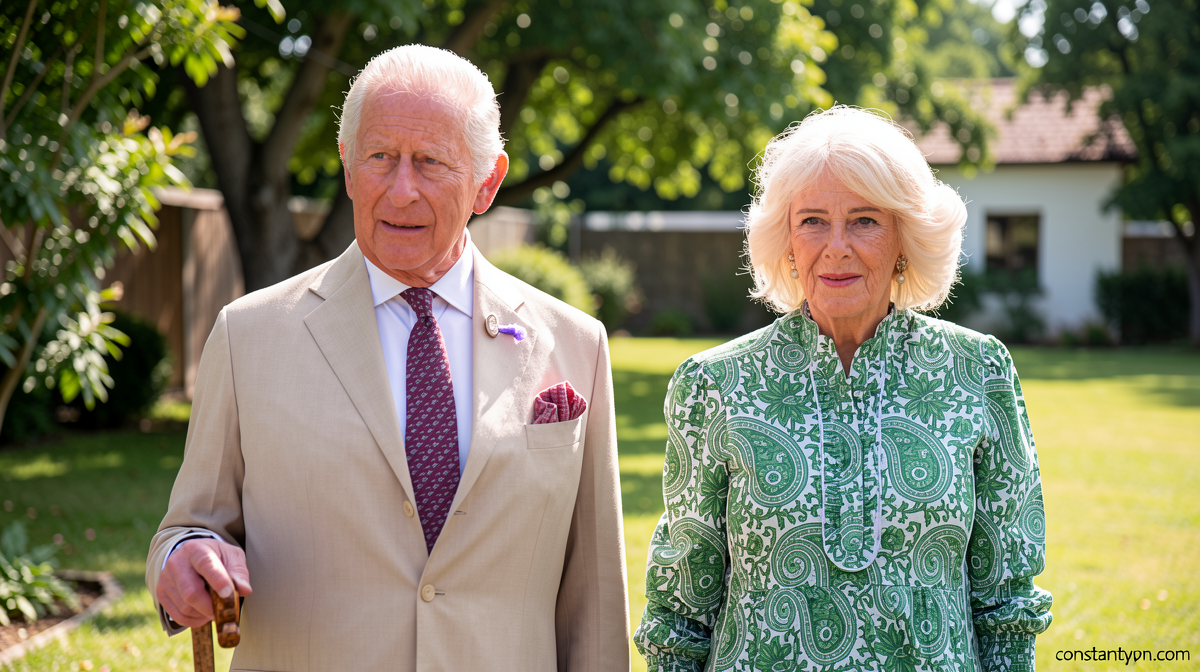
    Constantvpn.com – Buckingham Palace confirmed on Wednesday that King Charles III and Queen Camilla will undertake a multi-nation Caribbean itinerary later this autumn, an eight-day engagement spanning three countries and anchored by the Commonwealth Heads of Government Meeting in Antigua and Barbuda. The schedule runs from 27 October through 4 November, and the palace framed the purpose of the trip as an opportunity to

    “celebrate the communities, cultures and nature within the Commonwealth family.”

    The announcement lands at a moment when the Caribbean’s relationship with Britain is being actively renegotiated. Several former colonies in the region have already shed the British monarch as their head of state, and the political symbolism of a royal visit to the area carries weight well beyond protocol. For the islands still within the Commonwealth, the trip also arrives amid ongoing debates about economic dependency, climate vulnerability, and the practical benefits of remaining tied to a London-based institution.

    The Commonwealth Meeting as Anchor

    The centrepiece of the itinerary is the Commonwealth Heads of Government Meeting, hosted by Antigua and Barbuda. These gatherings, held roughly every two years, bring together the leaders of all 56 member states to discuss shared priorities ranging from trade and development to climate adaptation. For Caribbean nations, the meetings have increasingly become a platform to press for greater climate finance, debt relief, and recognition of their disproportionate exposure to tropical storms despite their minimal carbon output. The King’s presence at the summit signals continued British engagement with that agenda, even as the monarchy’s constitutional role in the region contracts.

    Beyond the summit, the King will make separate visits to the Bahamas and Guyana, extending the trip across the wider Caribbean basin. Guyana, a mainland nation with a growing oil economy, occupies a distinct geopolitical position from the smaller island states, and its inclusion broadens the tour’s scope beyond the typical island-focused royal itinerary.

    A History of Caribbean Engagement Stretching Back Decades

    The upcoming tour marks the King’s first Caribbean visit since 2021, when he travelled to Barbados as Prince of Wales to witness the island formally remove Queen Elizabeth II from its constitutional role and declare itself a republic. That ceremony, which made Barbados the world’s newest republic at the time, was a watershed moment for the Commonwealth’s Caribbean membership. During a speech at the event, the then-Prince of Wales acknowledged what he called the

    “appalling atrocity of slavery”

    that had shaped the Caribbean islands’ history. The remark was widely noted as a direct royal acknowledgment of the transatlantic slave trade’s role in building the region’s economies, and it set a tone for subsequent royal engagements in the area that sought to pair ceremonial presence with explicit recognition of historical harm.

    Earlier Visits and Their Context

    The royal connection to the Caribbean predates the current reign by several decades. Charles visited the Bahamas in 1973, made an official trip to Guyana in 2000, and returned to Antigua and Barbuda in 2017 in the aftermath of Hurricanes Irma and Maria, which devastated infrastructure across the eastern Caribbean in September of that year. The 2017 visit was explicitly humanitarian in character, focused on recovery and resilience following the twin storms.

    Earlier this year, in May, the King crossed the Atlantic to visit Bermuda, where he serves as head of state in his capacity as monarch. That trip constituted his first royal visit as sovereign to a British overseas territory and followed directly on from a state visit to the United States. The sequence — Washington, then Bermuda, and now the wider Caribbean — underscores how the Atlantic basin has become a recurring axis of the King’s foreign engagements.

    Why the Timing Matters

    The Caribbean sits at the intersection of several pressures that make the autumn tour politically consequential. Climate change is intensifying hurricane seasons, and the region’s small island states face existential questions about sea-level rise, freshwater scarcity, and the cost of rebuilding after each storm. Economically, many of the islands depend heavily on tourism, remittances, and foreign aid, making them acutely sensitive to shifts in global trade policy and interest rates. The Commonwealth framework, for what it offers, is increasingly scrutinised by younger generations who ask what tangible benefits remain after independence-era ties have faded.

    For the King, the trip also represents a continuation of a pattern established during his years as Prince of Wales: using royal visits to the Caribbean not merely as ceremonial appearances but as occasions to address historical injustice, climate vulnerability, and the evolving constitutional choices of former colonies. Whether the Commonwealth’s relevance in the region is strengthening or diminishing will be shaped, in part, by how these engagements are received by the publics they are meant to honour.

    Frequently Asked Questions

    What is King and Queen to visit the Caribbean?

    King and Queen to visit the Caribbean is the main topic of this guide. The article explains the context, practical details, and next steps readers should understand.

    Why does King and Queen to visit the Caribbean matter?

    King and Queen to visit the Caribbean matters because readers are looking for a useful answer, not just a short summary. Good content should match search intent and help them decide what to do next.

  • Murder probe as two people die in house fire

    Murder probe as two people die in house fire

    Two Dead and Four Hospitalised After Grangetown House Fire Sparks Murder Inquiry

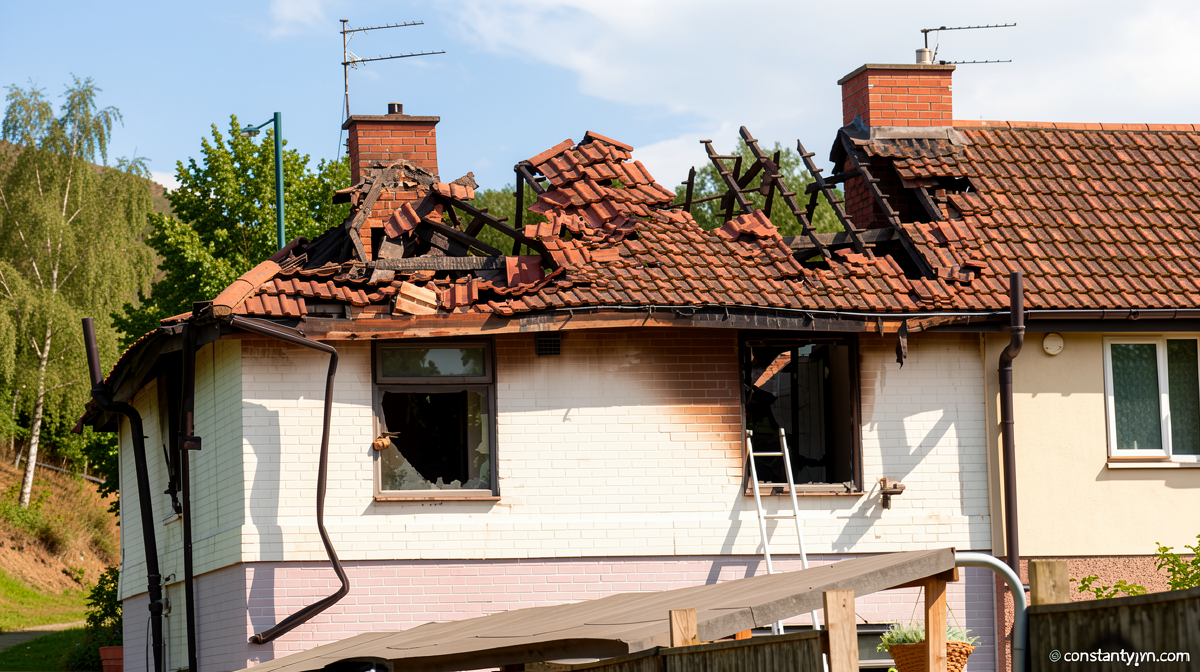
    Constantvpn.com – A house in Grangetown, Middlesbrough, was reduced to a smouldering shell in the early hours of the morning when a blaze claimed two lives and sent four more to hospital. Cleveland Police have opened a murder investigation into the deaths, signalling that the force believes the fire may not have been accidental. The incident broke out just before 05:30 BST, sending residents scrambling from their beds as flames engulfed the property.

    Among those rushed to hospital is a woman described as being in critical condition. Three additional people sustained injuries that are not considered life-threatening. All four remain under medical care as of the latest updates.

    Police Open a Murder Probe

    Cleveland Police confirmed that a murder investigation is now under way, though officers stressed they were not jumping to conclusions about motive or method. A spokesperson said the force was “keeping an open mind and cannot rule out any links to wider organised crime at this time,” a phrasing that has raised questions among local residents about whether the fire was connected to broader criminal activity in the Tees Valley area.

    Redcar and Cleveland Local Policing Commander Superintendent Emily Harrison told reporters the priority was to “establish the circumstances of exactly what has happened.” She added that officers would maintain a “high visibility presence in the Grangetown area as this investigation progresses, and to provide reassurance to local communities, who will no doubt be impacted by this tragic incident.”

    Patrols across the neighbourhood have been stepped up in the hours since the alarm went off. Officers stood guard around a cordon set up at the scene while Northern Powergrid engineers worked on site to manage utilities. The force asked members of the public to avoid the immediate area, where road closures remained in effect.

    A Tragedy Compounded by Nearby Loss

    The Grangetown fire struck roughly two miles from the site of the A66 collision on Saturday morning that killed five young men and two police officers. That crash, which sent shockwaves through the entire Tees Valley community, had already left residents reeling from grief and fear. The proximity of the two incidents has intensified anxiety among locals, many of whom told councillors they felt the area was under siege by violence.

    The coincidence of location and timing has made the organised-crime angle particularly salient. While police have not confirmed any direct link between the two events, the question of whether wider criminal networks operate in the area has moved to the centre of public conversation.

    Neighbours Describe a Scene of Chaos

    Those living within earshot of the blaze described a night of terror. Ellie, a 20-year-old neighbour who declined to give her surname, said the house was so hot that she could not approach the front entrance.

    “The entire house was scorching. I couldn’t get near the front of the house, it was that hot.”

    Ellie recounted holding the hand of a woman who had leapt from an upstairs window, crying, and staying by her side until paramedics took over. Other residents attempted to reach trapped occupants, though the intensity of the flames limited what anyone could do from outside.

    Another neighbour, who asked not to be named, said his daughter woke to the sound of shouting and screaming.

    “My daughter heard shouting and screaming this morning. The dogs were barking.”

    Fire Service Response

    Cleveland Fire Brigade dispatched six fire engines along with its Incident Command Unit to the scene. By 13:30 BST the brigade confirmed the fire had been brought under control, though one appliance remained on “proactive standby” to monitor the wrecked structure. Firefighters worked to damp down the smoking roof of the home, which had been substantially destroyed. A ladder was propped against a rear upstairs window, a reminder of the desperate attempts to reach those inside.

    The brigade stated that the “tragic incident” would be jointly investigated alongside Cleveland Police, with both services sharing findings as the inquiry develops.

    Community Leaders Urge Calm and Offer Condolences

    Redcar MP Anna Turley said the constituency had endured a “profound amount of heartbreak over the past few weeks” and expressed her grief at the latest deaths.

    “I am devastated to hear of the tragic loss of life following this morning’s fire in Grangetown. My deepest condolences are with the families, friends and loved ones of those who have died, and my thoughts are also with those injured and receiving treatment.”

    Grangetown councillor Adam Brook, who fielded numerous calls from worried residents throughout the morning, asked the public to exercise restraint while the investigation was ongoing.

    “Many residents have been in touch with me throughout the morning, and I know there is understandably a great deal of concern. However, I would urge people not to speculate or share unconfirmed information.”

    Families of everyone involved have been notified and are being supported by specialist officers assigned to the case. As the inquiry unfolds, Grangetown residents face the difficult task of returning to daily life in a neighbourhood still raw from Saturday’s crash and now shaken again by a fire that police believe may have been no accident at all.

    Frequently Asked Questions

    What is Murder probe as two people die?

    Murder probe as two people die is the main topic of this guide. The article explains the context, practical details, and next steps readers should understand.

    Why does Murder probe as two people die matter?

    Murder probe as two people die matters because readers are looking for a useful answer, not just a short summary. Good content should match search intent and help them decide what to do next.

  • Kit Harington joins HBO’s Harry Potter series as Gilderoy Lockhart

    Kit Harington joins HBO’s Harry Potter series as Gilderoy Lockhart

    Constantvpn.com – Kit Harington has been tapped to join the highly anticipated Harry Potter TV series as the wizarding world's celebrity-turned-Hogwarts instructor Gilderoy Lockhart, HBO confirmed to the BBC. Harington is replacing actor Nicholas Hoult who could not film season two of the series due to a scheduling conflict. Best known for playing Jon Snow for eight seasons in the award-winning series Game of Thrones, Harington also appears in the BBC and HBO financial drama Industry.

    The casting marks the English actor's third collaboration with the American network and streamer. Harry Potter and the Philosopher's Stone is due to premiere on Christmas this year on HBO Max. Season two will adapt the second book in the series by JK Rowling, The Chamber of Secrets, which chronicle's Potter's second year at the magical school.

    "Before we begin year two at Hogwarts, there has been a slight change due to schedule: Kit Harington will be stepping into the role of Gilderoy Lockhart," a story post reads on the official Harry Potter Instagram account. The new series adaptation of the best-selling books stars newcomer Dominic McLaughlin as the boy wizard, Alastair Stout as his best friend Ron Weasley and Arabella Stanton as the young witch Hermione Granger. Oscar-nominated actor Jon Lithgow has been cast as Hogwarts headmaster Albus Dumbledore and Nick Frost as gamekeeper Rubeus Hagrid.

    The new series stars Alastair Stout as Ron Weasley, Dominic McLaughlin as Harry Potter and Arabella Stanton as Hermione Granger. Kit Harington's casting marks his third role in a HBO series after Game of Thrones and the financial drama The Industry. Emmy-award winning Harington, a lifelong fan of the books, already has some familiarity with his new role: The actor voiced Lockhart in Audible's star-studded Harry Potter: The Full-Cast Audio Editions last year.

    The show could reunite him with director and producer Mark Mylod, who worked on Game of Thrones and is directing some Harry Potter episodes. Mylod is an executive producer on the new series along with author JK Rowling. Lockhart was portrayed in the Warner Bros Harry Potter films by Kenneth Branagh, and is a key character in Harry Potter and the Chamber of Secrets, the second book in Rowling's best-selling franchise.

    The vain wizard who authored several books on his purported encounters with dark creatures serves as Hogwarts' latest professor for the defence against the dark arts and fancies himself a mentor to Harry in his second year. Hoult, known for his roles in X-Men, Superman and Mad Max: Fury Road, was announced for the role earlier this month. But HBO reportedly had to let the Superman actor out of his deal due to his commitments to projects that conflicted with a change in the series' production schedule, according to Deadline, which first reported Harington's casting.

    HBO confirmed the reporting to the BBC. Representatives for Harington and Hoult did not immediately respond to requests for comment. The HBO series is expected to take 10 years to complete, as producers plan multiple seasons covering each of Rowling's seven books, which the eight blockbuster films were originally based on.

    John Lithgow: Playing Dumbledore will 'define me' Harry Potter TV show trailer: Everything we know so far

    Frequently Asked Questions

    What is Kit Harington joins HBO s Harry?

    Kit Harington joins HBO s Harry is the main topic of this guide. The article explains the context, practical details, and next steps readers should understand.

    Why does Kit Harington joins HBO s Harry matter?

    Kit Harington joins HBO s Harry matters because readers are looking for a useful answer, not just a short summary. Good content should match search intent and help them decide what to do next.

  • CrossCountry train services resume after outage

    CrossCountry train services resume after outage

    UK Rail Network Stumbles Back to Life After Birmingham Power Failure Grounds CrossCountry Fleet

    Constantvpn.com – The near-total collapse of CrossCountry’s domestic timetable over a single weekend has left thousands of commuters and leisure travellers stranded across Britain, from the Scottish lowlands to the Cornish coast. The operator confirmed that a power failure at its central control facility in Birmingham knocked out virtually every scheduled departure on Sunday, forcing cancellations along corridors stretching from Glasgow to Penzance. By Monday morning, however, the company projected that its full timetable would be restored, though a small number of residual cancellations persisted owing to delayed departures and gaps in crew availability.

    Passengers were urged to verify their itineraries before heading to stations, as the recovery unfolded unevenly across the network. Tickets already purchased for Sunday journeys were extended in validity through Wednesday, giving affected travellers a window of several days to rebook without additional cost.

    Routes Hit Hardest

    The disruption did not respect regional boundaries. The Birmingham-to-Manchester corridor — threading through Stoke-on-Trent, Coventry, and Wolverhampton — was among the most severely affected, as were the Leeds-to-York and Cheltenham-to-Cardiff lines. For a period, no viable rail alternative existed for passengers caught mid-journey, turning routine commutes into multi-hour odysseys or, in some cases, overnight detours.

    Passengers Stranded Mid-Itinerary

    Andy Burton, a Worcester resident returning home from a family weekend in Cromford to mark his sister’s birthday, found his journey severed at Derby. He had already changed trains once, only to discover the alternative via Leicester had also been wiped from the schedule.

    “It was only once I had arrived at Derby that a member of staff told me my planned alternative route via Leicester had also been cancelled, because it was part of the CrossCountry disruption. I soon realised I was stranded, as they said there was no alternative train route back to Worcester. It’s not the best end to a great weekend away.”

    Burton was left with no choice but to book a budget hotel for the night, hoping Monday’s partial recovery would allow him to complete the final leg home.

    Reese Proctor, 22, faced a different kind of disruption: a 14:00 BST Premier League kick-off at Manchester’s Etihad Stadium against Bournemouth. His planned Reading-to-Manchester rail connection evaporated, so he drove more than 100 miles to a friend’s home in Leicester before continuing by car to the stadium. The improvised road trip added roughly two hours to what should have been a straightforward journey.

    “Frustrating and unacceptable,” Proctor summarised his experience, describing himself as “fuming” after the ordeal.

    Political and Union Response

    Transport Secretary Heidi Alexander voiced concern over the scale of the failure while welcoming the gradual restoration of services. She framed the incident within a broader policy agenda, pointing to the government’s plan to establish Great British Railways and to bring CrossCountry under public ownership the following year.

    “We are setting up Great British Railways and nationalising services, including CrossCountry next year, to end decades of fragmentation and vulnerability on our network. We are determined to give passengers the reliability they deserve.”

    The RMT — the National Union of Rail, Maritime and Transport Workers — seized on the episode to demand a formal review of how railway operational control centres are protected against electrical failures. General secretary Eddie Dempsey argued that neither passengers nor rail employees should endure another week of chaos attributable to inadequate back-up power arrangements.

    A Pattern of Underperformance

    The Birmingham outage did not occur in isolation. CrossCountry had been ranked the worst-performing rail operator in Britain as recently as June, a designation that reflected chronic punctuality and reliability shortfalls across its franchise. The weekend’s total service collapse amplified existing anxieties among regular commuters who depend on the operator for intercity travel between the Midlands, the North, Wales, and Scotland.

    Some limited services did resume on Sunday evening, including an hourly frequency between Birmingham New Street and both Leicester and Derby. Yet the patchwork nature of the recovery meant that many passengers remained without a workable rail option well into the night, underscoring how a single point of failure in signalling and timetable control can cascade across an entire national network within hours.

    As Monday’s timetable returned to normal, the episode will likely feature in parliamentary scrutiny of rail resilience and in the ongoing debate over whether fragmented private franchise arrangements leave the system too exposed to precisely the kind of single-point-of-failure event that grounded an entire operator’s fleet for a weekend.

    Frequently Asked Questions

    What is CrossCountry train services resume after outage?

    CrossCountry train services resume after outage is the main topic of this guide. The article explains the context, practical details, and next steps readers should understand.

    Why does CrossCountry train services resume after outage matter?

    CrossCountry train services resume after outage matters because readers are looking for a useful answer, not just a short summary. Good content should match search intent and help them decide what to do next.