Why some African nations are turning down Trump aid money
Why Some African Nations Are Turning Down Trump Aid Money
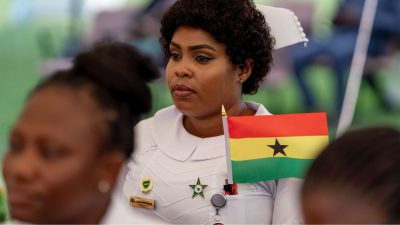
Constantvpn.com – In April, Ghana turned down a $109 million healthcare initiative proposed by the US, citing concerns about data privacy. This decision reflects a growing trend among several African governments to resist American financial support, which now comes with specific conditions tied to broader US strategic goals. While the Trump administration continues to push for bilateral agreements, these deals are facing skepticism as nations weigh the benefits against potential drawbacks.
The Trump Administration’s New Health Strategy
Following the dismantling of the primary US agency for foreign aid last year, the Trump administration has restructured its approach to supporting global health initiatives. The new framework, unveiled by the State Department, emphasizes a shift from multilateral institutions to direct partnerships with individual countries. This strategy aims to reduce reliance on traditional donor-NGO models, which the administration argues foster dependency and divert resources through administrative overhead.
One key element of this approach is the requirement for recipient nations to increase their own funding contributions. For instance, in a deal with Kenya, the US allocated $1.6 billion over five years, while Kenya pledged $850 million to complement the support. The goal is to create sustainable systems capable of operating independently, according to the policy document. However, this model has sparked controversy among some African leaders, who argue it undermines collective efforts and prioritizes US interests.
Kenya’s Deal and the Delayed Implementation
Kenya’s President William Ruto signed a landmark agreement with US Secretary of State Marco Rubio in December, marking the first step in the administration’s expanded health initiatives. At the time, Rubio expressed optimism about the partnership, stating that it could set a precedent for future collaborations. “We hope to sign, I don’t know, 30, 40, how many? Fifty? Well, this is number one,” he said during a congressional briefing, emphasizing the importance of Kenya as a strategic ally.
“Our aid to those countries will not just be dollars distributed to an NGO who then will go into the country and impose programmes,” Rubio explained. “Not only are we treating the acute situations on the ground of people that are sick, we are helping them build the capacity and the capability to do this for themselves.”
Despite the agreement’s significance, it has faced challenges. Activists in Kenya successfully contested the deal in court, prompting delays. However, the cabinet eventually approved it last month, allowing the project to move forward. This example highlights the tension between the US’s new approach and the need for domestic buy-in, which remains a hurdle in many African nations.
The US Withdrawal from the World Health Organization
A pivotal moment in the administration’s strategy came early this year when the US withdrew from the World Health Organization (WHO). This move was framed as a response to perceived inequities in global funding distribution, with Washington arguing that it had contributed far more than other nations. Critics, however, pointed to the WHO’s role in managing the Covid-19 crisis, its transparency issues, and susceptibility to political influence.
The withdrawal from the WHO signals a broader realignment of US foreign aid priorities. Instead of supporting global health frameworks, the administration now emphasizes direct engagement with African governments. This shift allows Washington to influence health policies in ways that align with its commercial interests, particularly in the pharmaceutical sector. The new bilateral agreements explicitly prioritize US medical companies, ensuring they have a foothold in key African markets.
Resistance from Other African Nations
While 32 countries have signed Memorandums of Understanding (MOUs) by mid-May, several African nations remain hesitant. Ghana, Zimbabwe, and Zambia have notably resisted, each citing distinct reasons. In Zambia, Foreign Minister Mulambo Haimbe criticized the connection between health funding and US economic interests. He explained that the deal was linked to a separate agreement granting Washington access to critical minerals, a move he viewed as prioritizing American commercial gains over local priorities.
“Our [US] colleagues looked at it from the perspective that [the two deals] must be taken as a package to be negotiated and concluded at one particular time,” Haimbe told the BBC. “The US felt that there is need for there to be a preferential treatment in the use of critical minerals. And the framework was to reflect that.”
Although the State Department did not explicitly tie the health deal to the minerals agreement when questioned by the BBC, its “America First” rhetoric suggests a deliberate effort to align aid with strategic objectives. This approach has raised concerns about the potential for aid to be used as a tool for geopolitical leverage rather than pure humanitarian support.
The Broader Implications of the Shift
The administration’s focus on bilateral deals has redefined the dynamics of global health cooperation. Previously, organizations like the WHO facilitated collective efforts, but the US now positions itself as a direct actor in shaping health policies. This change has implications for how aid is distributed and what it aims to achieve. By linking health funding to US strategic interests, the government hopes to ensure that its investments yield long-term benefits for American economic and political goals.
While some African nations have embraced this model, others remain wary. Critics argue that the conditions attached to the aid could create dependencies similar to those seen in the past. Additionally, the emphasis on US pharmaceuticals may limit local choice and favor domestic industries over international alternatives. This debate underscores the challenges of balancing aid effectiveness with national sovereignty in the face of a more assertive US approach.
As the Trump administration continues to expand its health partnerships across Africa, the outcomes of these deals will shape the continent’s future in global health. The resistance from certain nations highlights the need for transparent dialogue and equitable terms, ensuring that aid serves the needs of all stakeholders rather than reinforcing US dominance. Whether this strategy will lead to long-term success or exacerbate existing tensions remains to be seen, but it has already altered the landscape of international development cooperation in significant ways.
