Why a Diljit Dosanjh film vanished from streaming after two days
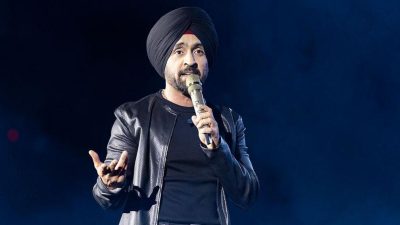
Why a Diljit Dosanjh Film Vanished from Streaming After Two Days
Constantvpn.com – A recent controversy has erupted following the swift removal of a film featuring acclaimed Indian actor and singer Diljit Dosanjh from a major streaming platform. The movie, titled *Satluj*, was only available for two days on ZEE5 before it was taken down, leaving audiences and critics puzzled. The film, which explores the life of human rights advocate Jaswant Singh Khalra, has sparked debate over its political implications and the decision to pull it from public view.
A Story of Justice and Disappearance
*Satluj* is based on the real-life events of Jaswant Singh Khalra, a figure who dedicated his life to uncovering human rights violations during Punjab’s separatist movement. Khalra’s investigations into enforced disappearances and extrajudicial killings by security forces led to his own mysterious vanishing in 1995. His body was later discovered, confirming he had been abducted and killed by Punjab police. The incident drew significant attention, as several officers were eventually convicted for their roles in his murder.
“My love and respect to all of you. What I had already expected is exactly what happened. I thought the film might get banned when [government] offices opened on Monday, but I didn’t know it would happen as early as Sunday evening.” — Diljit Dosanjh, addressing the removal of *Satluj* in a live social media video
The abrupt withdrawal of the film has raised questions about the motivations behind the decision. ZEE5 issued a statement indicating that *Satluj* would remain unavailable in India “until further notice” due to “current developments.” While the platform did not specify the cause, the removal has effectively silenced the film’s availability within the country. This decision has left many wondering whether political pressures or internal disagreements within the streaming service played a role.
A Prolonged Struggle for Certification
Completed in 2022, *Satluj* faced a protracted battle with India’s Central Board of Film Certification (CBFC) to secure its release in cinemas. The film’s creators had to navigate a complex dispute over its content, which included sensitive historical references and critical depictions of government actions. Originally named *Ghallughara*, the title carried deep symbolic weight, alluding to two of the most infamous massacres in Sikh history: the 1746 killings by Mughal forces and the 1762 atrocities committed by Afghan ruler Ahmad Shah Durrani.
The CBFC’s demands for revisions escalated from 21 initial cuts to 127 proposed changes, according to director Honey Trehan. The board argued that any reference to “reality” should be removed, which would have fundamentally altered the film’s narrative. This process led to the renaming of the movie to *Punjab ’95*, a direct nod to Khalra’s disappearance in that year. Despite these efforts, the film was never able to debut in theaters, a situation that had been anticipated by its makers due to the ongoing certification hurdles.
International Ambitions and Domestic Challenges
Initially, the film was set to premiere at the 2023 Toronto International Film Festival (TIFF), where it would have gained global recognition. However, producers withdrew it before the event, citing unresolved issues with the CBFC. While the festival did not explicitly link the withdrawal to the certification dispute, the timing suggested a connection. The film’s creators had kept its promotional activities low-key, a strategy Dosanjh attributed to the uncertainty surrounding its release.
Dosanjh emphasized that the film’s removal was unexpected, even though he had anticipated political resistance. “I had expected the film to be taken down, but not so quickly,” he said in a video. “The government had opened its doors on Monday, and I thought the ban might come then. I never imagined it would happen by Sunday evening.” This sentiment underscores the filmmakers’ concern about the timing of the censorship, which coincided with the beginning of a new legislative session.
Historical Context and Political Allegations
The film’s narrative is rooted in the turbulent history of Punjab’s separatist insurgency, a period marked by intense conflict between Sikh militants and Indian security forces. From the early 1980s to the mid-1990s, the Khalistan movement sought an independent state, leading to thousands of deaths and widespread human rights abuses. Khalra, a key figure in this struggle, investigated claims of arbitrary arrests, secret cremations, and systematic killings. His work exposed the government’s harsh tactics, which included the suspension of civil liberties and the targeting of civilians.
While the government maintained that these measures were necessary to quell the insurgency, human rights groups criticized the actions as disproportionate. The film *Satluj* seeks to highlight these tensions, blending historical events with fictionalized storytelling to depict Khalra’s journey. By focusing on his personal sacrifices, the movie aims to humanize the conflict and challenge the official narrative of the time.
Global Recognition and Local Censorship
Despite its brief run on streaming platforms, *Satluj* received praise from critics. The *Hollywood Reporter* hailed it as “one of the finest Indian films of the year,” while the *Indian Express* cited the film’s producer, RSVP Movies, as saying the removal was ordered by the government. However, the federal information and broadcasting ministry has yet to provide an official statement. The BBC has sought comments from the ministry to clarify the situation, but no response has been released as of now.
For Dosanjh, the film’s removal is a bittersweet outcome. While he expressed disappointment about the censorship, he remained grateful that audiences were finally able to see the movie after years of delays. “Even with the film being pulled, I’m happy that people got to watch it,” he said. “The wait was worth it, and the story needed to be told.”
The case of *Satluj* reflects a broader pattern of political influence on Indian cinema. Films that tackle sensitive topics often face scrutiny from regulatory bodies, and their removal can send a message about what is deemed acceptable for public consumption. As the debate continues, the film’s legacy remains intact, with its message of justice and resilience resonating beyond its short-lived availability.
Khalra’s story, now told through Dosanjh’s portrayal, serves as a reminder of the sacrifices made during Punjab’s separatist struggle. The film’s title, *Punjab ’95*, encapsulates the year of his disappearance, while its narrative explores the enduring impact of those events. With the government’s silence and the CBFC’s continued authority, the fate of *Satluj* highlights the delicate balance between artistic expression and political control in Indian media.
As discussions about the film’s removal gain momentum, questions linger about the extent of government intervention in cultural production. Whether *Satluj* will return to screens or remain an example of censorship, its story continues to inspire conversations about freedom of speech and the role of film in documenting history.
