More than 1,000 arrested as part of global human trafficking crackdown
More than 1,000 arrested as part of global human trafficking crackdown
Constantvpn.com – A sweeping international operation targeting human trafficking has led to the arrest of over 1,000 individuals across 59 nations, according to Interpol. The initiative, named Operation Global Chain, involved coordinated efforts by law enforcement agencies to dismantle networks exploiting vulnerable populations for sexual exploitation, forced labor, and criminal activities. This multinational effort revealed new trafficking routes and methods, emphasizing the evolving nature of the crime.
Operation Global Chain: A Global Initiative
Interpol, working alongside Europol and Frontex, spearheaded the operation, which took place between 8 and 12 June. Over 40,000 officers participated in activities across Africa, the Americas, Asia, and Europe. The campaign focused on identifying victims and arresting traffickers, with a particular emphasis on networks operating in digital spaces and exploiting minors.
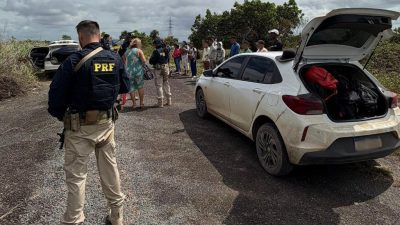
One key operation targeted a group in Cambodia that trafficked individuals into online scamming. Authorities in Brazil’s Federal Police identified 406 victims, including 83 Brazilians and 323 foreign nationals, who were lured into fraudulent job offers and then forced into scamming activities. Additionally, in Europe, a network was dismantled that recruited underage girls through social media platforms and subjected them to sex work. These cases highlight how traffickers use technology to expand their reach.
In Colombia, local authorities launched an airport-based prevention campaign to educate travelers about the risks of deceptive job opportunities abroad. This initiative was part of a broader strategy to disrupt trafficking routes before victims could be ensnared. Meanwhile, in Argentina, two Bolivian child victims were rescued from a grocery store after being forced into labor. The arrests made in this case underscore the diverse methods used by traffickers, ranging from coercion in physical spaces to exploitation in digital environments.
Victims and Crimes: A Broader Picture
The operation uncovered that 2,070 individuals were identified as victims or potential victims, with the majority being women. Of the total arrests, 334 were directly linked to human trafficking, while 690 involved associated crimes such as coercion, fraud, and organized crime activities. Interpol noted that sexual exploitation remained the most common form of trafficking, accounting for the largest percentage of cases. However, the campaign also highlighted the growing trend of Latin American victims being trafficked into forced labor situations in Europe.
Statistics from the operation revealed that about 10% of identified victims were minors from the Americas, subjected to sexual exploitation. This figure indicates a significant shift in trafficking patterns, with more attention being directed toward younger individuals. Furthermore, 20% of victims were trafficked for criminal activities, while 11% were forced into labor and 2% into coerced begging. These numbers provide a comprehensive view of the multifaceted nature of human trafficking.
Belgian authorities also played a role, arresting 17 suspects linked to a network that recruited victims through social media and held them captive before forcing them into prostitution rings in Belgium and France. The operation’s success in dismantling these networks demonstrates the effectiveness of cross-border collaboration. Interpol emphasized that the effort not only arrested traffickers but also referred victims to national support services, ensuring they received protection and assistance.
Quotes and Impacts: A Global Perspective
“Human trafficking remains one of the most profitable and pervasive forms of organized crime,” said Interpol Secretary Valdecy Urquiza. “It generates billions in illicit revenue annually and causes severe, lasting harm to victims. The results of this operation show what can be achieved when countries unite to disrupt criminal networks and enhance regional cooperation.”
The operation’s findings have exposed how traffickers adapt their strategies to exploit new opportunities. For example, digital platforms have become a prime target, with online scamming emerging as a modern form of exploitation. This trend reflects the increasing integration of technology into criminal enterprises, making detection and prevention more complex.
Interpol’s report also highlighted the importance of local initiatives in combating the crime. In addition to the 1,000 arrests, 201 suspects were identified, and 465 investigations were launched as a result of the operation. The involvement of countries such as the UK, the US, France, Germany, Spain, Nigeria, Thailand, and Vietnam demonstrates the widespread impact of the crackdown.
While the operation focused on dismantling networks, it also emphasized the need for long-term solutions. Victims were referred to national protection services, which provided them with legal aid, shelter, and psychological support. This aspect of the operation highlights the importance of not only arresting traffickers but also ensuring victims receive the necessary care to recover from their experiences.
The campaign’s success has set a precedent for future collaborations. By combining resources and intelligence, agencies were able to target traffickers operating in both physical and virtual spaces. This multi-pronged approach is critical in addressing the diverse methods used by traffickers to exploit vulnerable individuals. The operation also served as a reminder of the global scale of the issue, with victims and traffickers spanning continents and cultures.
As the fight against human trafficking continues, the focus remains on strengthening international cooperation and adapting strategies to new challenges. The dismantling of networks in Cambodia, Europe, and South America shows that coordinated efforts can yield significant results. However, the scale of the problem necessitates ongoing vigilance and investment in prevention and support programs.
Women and Children: The Heart of the Crisis
The data from Operation Global Chain underscores the disproportionate impact on women and children. The majority of victims identified were female, reflecting the gendered nature of many trafficking schemes. Meanwhile, the 10% of minors from the Americas subjected to sexual exploitation highlights the vulnerability of younger populations. These findings call for targeted interventions to protect at-risk groups, particularly those in marginalized communities or digital spaces.
Interpol’s report also noted that victims were often lured through deceptive means, such as fraudulent job offers or social media connections. This tactic exploits the trust of individuals, making them susceptible to exploitation. In Colombia, the airport campaign was specifically designed to raise awareness about these risks, targeting potential victims before they could be trafficked.
The operation’s success in rescuing minors and identifying traffickers has provided valuable insights into the networks’ operations. By analyzing the data, authorities can better understand the patterns and preferences of traffickers, enabling more effective strategies in the future. This knowledge is crucial for preventing future exploitation and ensuring that victims receive timely assistance.
As part of the crackdown, Interpol issued notices targeting wanted suspects and persons of interest, ensuring that the most dangerous individuals were prioritized for arrest. This step is essential in preventing the re-establishment of trafficking networks and deterring future crimes. The operation’s comprehensive approach, combining patrols, awareness campaigns, and legal actions, has set a benchmark for international anti-trafficking efforts.
With over 1,000 arrests and 2,070 victims identified, the operation represents a major milestone in the global fight against human trafficking. The collaboration between Interpol, Europol, and Frontex has demonstrated the power of unified action in tackling organized crime. As the campaign continues, the focus will remain on expanding these efforts and ensuring that the victims’ voices are heard in shaping future policies.
