Two boys rescued from Venezuela earthquake rubble after days of being trapped
Two Boys Rescued from Venezuela Earthquake Rubble After Days of Being Trapped
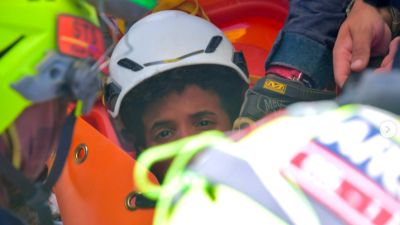
Constantvpn.com – Two 11-year-old boys were extracted from the wreckage of collapsed structures in Venezuela just hours apart, following a series of devastating earthquakes. The first rescue involved Moises, whose survival was made possible after being buried under debris for several days. Video footage captured the moment he was lifted from the rubble, his eyes shielded by a cloth to protect against the sun, as rescuers cheered his emergence. Hours later, interim President Delcy Rodríquez announced the rescue of a second boy, sharing a clip of him being carried on a stretcher down a towering pile of rubble. Her message emphasized the hope sustained by every life saved in the crisis.
Rescue Details and Ongoing Efforts
Moises was discovered beneath approximately 3 meters of rubble by a specialized rescue team, which spent six hours performing meticulous work to free him. The operation, described as “high-precision,” took place in Caraballeda, a town severely impacted by the quakes. Reuters reported that during the rescue, a team member noted the boy was found near his deceased sister and mother, highlighting the tragic toll of the disaster. Meanwhile, the second boy’s extraction occurred in the same coastal region, where the José María Vargas sports complex has become a critical hub for relief efforts.
Since the initial quakes, which registered magnitudes of 7.2 and 7.5, officials have confirmed over 1,400 fatalities. Tens of thousands remain missing, and the search continues. Rescue teams have worked tirelessly, with the first quake having occurred more than 85 hours prior. Despite the time that has passed, rescuers remain optimistic, noting that survivors might still be alive if they have access to sustenance and water beneath the rubble.
Impact of the Quakes
The earthquakes, which hit within 39 seconds of each other, caused widespread destruction, collapsing hundreds of buildings and trapping numerous individuals. Families have taken to manually sifting through debris in search of loved ones, often with limited resources. Some residents have reported hearing faint cries from beneath the rubble but are unable to move the heavy concrete slabs without assistance. They await the arrival of heavy machinery, which is crucial for further excavations.
Conditions in Caraballeda have grown increasingly dire, with streets cracked and littered with rubble. The area is marked by a heavy silence, broken only by the rumble of machinery and the determined footsteps of those searching for survivors. The golf course in the town has emerged as a central location for emergency response, transforming its manicured green into a makeshift hospital and donation center. Residents who have lost their homes now gather there, sorting through piles of donated clothing and humanitarian supplies.
Community Response and Emotional Toll
One survivor, Milagros González, shared her experience with BBC Mundo, describing how she escaped her building moments before it collapsed. “I left with my two young daughters and my two elderly relatives,” she said, expressing relief at having survived. “The building can’t be lived in anymore, but we’re alive, which is what matters.” Despite her escape, González admitted to feeling dizzy and anxious each time she lies down, a common reaction among those affected by the trauma of the event. A psychologist noted that such symptoms are part of the natural recovery process.
Residents have also turned to the golf course for shelter, with thousands now living in their cars or camping in nearby areas. The space has become a symbol of resilience, housing not only the injured but also a landing pad for helicopters delivering supplies and emergency personnel from across the country and abroad. This setup underscores the scale of the operation and the coordination required to manage such a large-scale crisis.
“In these hours, every life is hope for Venezuela,” Rodríquez stated in a video message, underscoring the nation’s collective determination. She added that the armed forces were actively sorting through donated goods, including medicine and food, to support the affected population. “Everything is functioning as well as possible during these terrible moments,” she said, acknowledging the immense challenges faced by the community.
Residents like Jesús Andueza, a 64-year-old bus driver, have described the ongoing aftershocks as a source of fear. “To be honest, it makes you feel kind of nervous. Any little noise… horrible,” he told BBC Mundo, capturing the anxiety that grips the town. The continuous tremors not only hinder rescue operations but also keep the population on edge, with many unable to sleep without constant vigilance.
The disaster has left an indelible mark on the community, with families like González’s now relying on makeshift shelters and donated aid. While the golf course serves as a temporary haven, the emotional and physical strain of the crisis is evident in every interaction. The combination of survival and loss creates a complex tapestry of human endurance, as people cling to hope amidst the devastation.
As the search continues, the focus remains on uncovering those still trapped and providing support to those displaced. The resilience of the people, coupled with the efforts of rescue teams and international aid, offers a glimmer of optimism in the face of catastrophe. However, the road to recovery will be long, and the lessons from this tragedy will shape Venezuela’s approach to future disasters.
With every passing hour, the narrative of survival and loss intertwines, reminding the world of the fragile balance between hope and despair in the wake of natural calamities. The two boys’ rescues stand as testaments to human perseverance, yet the broader impact of the earthquakes continues to unfold, affecting the lives of thousands across the region.
