
Staying Put at the Bank Could Be Costing You Thousands — Here’s What’s at Stake
Constantvpn.com – For millions of UK households, the bank they’ve used since their twenties has become invisible infrastructure: something that simply exists in the background of daily life. Yet that quiet inertia is quietly draining wallets. New analysis suggests the collective cost of never comparing alternatives runs to roughly £12 billion a year in foregone interest income, a figure derived from Financial Conduct Authority data and published by investment platform Hargreaves Lansdown.
The numbers behind that estimate are striking. A survey of 3,000 British adults conducted in August found that nearly two-thirds of savers have kept their money with the same institution for more than ten years. At the same time, 34% of respondents said they had moved their funds within the preceding twelve months — evidence that a meaningful minority is already acting on what they perceive as better value elsewhere.
The Incentive Arms Race
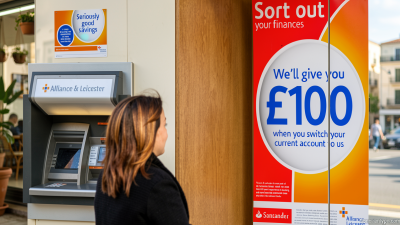
Banking rivals are now spending aggressively to pry customers away from one another. More than five UK banks are currently advertising cash bonuses for new account holders, with the largest payout reaching £220. These sweeteners are not trivial sums; for a household that has never compared its current arrangement, even a modest bonus can tip the scales.
Sarah Coles, head of personal finance at AJ Bell, frames the competition as a response to deep-seated customer loyalty. “People are ‘incredibly loyal’ to their bank which is why competitors need to offer sweeteners,” she explains. She adds that the strategy makes commercial sense for the acquiring institution: “It’s worth it for the banks, because they then have a captive audience, who are more likely to take other products from them.”
Coles cautions, however, that the headline bonus should be treated as “the cherry on top” rather than the sole decision factor. Reputation for customer service, overdraft fee structures, and the savings rate attached to the account all deserve scrutiny before anyone signs up.
What Holds Savers Back
Simon Belsham, chief client officer at Hargreaves Lansdown, is blunt about the cost of default behaviour. Doing nothing, he notes, “often leads to poor returns.” He elaborates:
“Millions leave their cash with the same bank by default and that inertia is worth a want fortune to banks, while costing British savers billions of pounds a year.”
He stresses that when savers do move their money, the dominant motivation is rate improvement. The barrier, he argues, is not apathy but friction: “What holds them back is the effort of repeatedly finding, opening and juggling different accounts.”
Practical Conditions and Credit-Report Implications
Most switching bonuses carry strings attached. Typical conditions include depositing a minimum sum within the first few weeks of account opening and maintaining a set number of outgoing direct debits. Failing to meet these thresholds can void the payout entirely, so reading the small print before committing is essential.
There is also a credit-file dimension that many switchers overlook. Opening a new current account generates a record visible to lenders. If you are planning to apply for a mortgage or personal loan within the next twelve months, Coles advises waiting until the switch is fully settled before submitting an application. Conversely, closing an old account once the transition is complete can nudge your score upward.
The Mechanics of Moving: Current Account Switch Service
Since its introduction, the Current Account Switch Service (CASS) has removed much of the administrative dread that once deterred people from changing providers. More than 50 UK banks and building societies participate. The process works as follows:
You inform your chosen new bank of a preferred switch date — allowing seven working days — and supply your old account details. From that point, the new institution handles the transfer of outgoing direct debits, moves your existing balance, and redirects incoming payments such as salary or state benefits. Your former bank closes the old account once the process completes.
If any error occurs during the transition, the rules entitle you to a refund of interest and charges levied on either account during the overlap period.
Two items require manual attention. Recurring card payments — think streaming subscriptions, gym memberships, or insurance premiums — must be re-registered with the new card number. Additionally, historical statements from the old account will no longer be accessible after closure, so downloading or printing them beforehand is prudent.
Why This Matters Beyond the Bonus
The £220 figure grabs headlines, but the longer-term arithmetic is more consequential. A saver holding £10,000 in a basic account earning 0.5% payscale earns £50 a year. Moving that same sum to a provider offering 4.5% yields £450 — a four-hundred-pound annual difference that compounds over time. Multiply that across the millions of households Hargreaves Lansdown’s data describes, and the aggregate leakage reaches the £12 billion scale.
The regulatory backdrop reinforces the point. The Financial Conduct Authority’s consumer-credit rules and the FCA’s ongoing push for greater transparency in current-account pricing have made rate comparisons easier than at any previous point. Combined with CASS’s automation of the administrative burden, the practical case for at least an annual review of your banking arrangement is now straightforward to execute.
None of this mandates a switch. Loyalty to a bank that treats you well, offers competitive rates, and charges no overdraft fees is rational. But the default assumption that “I’ve been here long enough, so I must be getting a fair deal” is precisely the cognitive shortcut that the £12 billion figure measures. The question worth asking each year is not whether you should change, but whether you have checked.
Related Reading
Frequently Asked Questions
What is How switching your bank account could?
How switching your bank account could is the main topic of this guide. The article explains the context, practical details, and next steps readers should understand.
Why does How switching your bank account could matter?
How switching your bank account could matters because readers are looking for a useful answer, not just a short summary. Good content should match search intent and help them decide what to do next.