Ghana parliament passes anti-LGBTQ+ bill
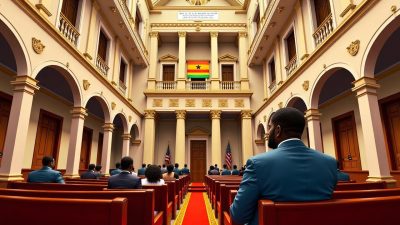
Ghana parliament passes anti-LGBTQ+ bill
Constantvpn.com – Ghana’s legislative body has enacted legislation targeting same-sex relationships and LGBTQ+ advocacy, marking a significant shift in the country’s approach to gender and sexual orientation. The newly approved bill introduces criminal penalties for identifying as lesbian, gay, bisexual, transgender, or queer, with potential imprisonment of up to three years for individuals who engage in or promote such identities. This legal framework also mandates an obligation to report prohibited acts to law enforcement, creating a system where citizens may be compelled to monitor and report behavior deemed offensive to traditional values.
Historical Context and Legal Framework
The bill builds on existing legal provisions that have long restricted same-sex relationships, dating back to colonial-era laws. These statutes, which were initially designed to enforce heterosexual norms, have remained in place despite modern advocacy for LGBTQ+ rights. Ghana’s current legislation now codifies these historical restrictions into a more comprehensive structure, incorporating new penalties and expanding the scope of what is considered unlawful. Critics argue that the updated measures reflect a broader trend of conservative backsliding, with religious and cultural leaders playing a pivotal role in shaping the debate.
Religious Influence and Political Support
Religious figures have been instrumental in pushing for stricter laws governing sexual orientation, exerting pressure on President John Dramani Mahama to endorse the legislation. Since assuming office, the president has consistently aligned with conservative values, emphasizing the importance of maintaining traditional family structures. In a recent address, he reiterated his stance, stating, “I believe in the principles and values that only two genders exist – man and woman. And that marriage is between a man and a woman.” This perspective has garnered support from certain factions, while others view it as a threat to civil liberties.
“I believe in the principles and values that only two genders exist – man and woman. And that marriage is between a man and a woman.” – President John Dramani Mahama
Expanded Definitions and Penalties
One of the most contentious aspects of the bill is its broad definition of prohibited behavior, which extends to individuals who identify as allies of the LGBTQ+ community. This classification means that even those who publicly support or advocate for LGBTQ+ rights could face legal consequences. Reverend John Ntim Fordjour, the bill’s sponsor, defended this approach, stating that the legislation safeguards Ghanaian family and cultural values. He argued that the new measures would make existing laws “more robust, more encompassing, and more stringent in dealing with the practices of LGBTQI,” ensuring a unified standard of conduct across society.
Exemptions and Exceptions
While the bill imposes strict penalties, it includes exemptions for professionals in specific fields. Legal, media, and healthcare workers who report on LGBTQ+ issues or provide services to individuals in the community are shielded from prosecution. This provision aims to balance the law’s punitive nature with the necessity of public discourse and medical care. However, critics contend that these exceptions are insufficient to protect LGBTQ+ individuals from societal backlash or surveillance.
International Criticism and Concerns
The legislation has drawn sharp condemnation from international human rights organizations. Human Rights Watch, for instance, warned that the bill “places LGBTQ+ peoples’ lives at risk” and encourages citizens to “surveil and denounce one another.” Such measures could lead to increased discrimination, particularly in communities where LGBTQ+ identities are stigmatized. The group also highlighted the potential for the law to be used as a tool for suppressing dissent, with individuals facing charges for expressing support for same-sex relationships.
“Encouraging citizens to surveil and denounce one another” – Human Rights Watch
Comparisons to Regional Trends
Ghana’s move aligns with a pattern of legislative action against LGBTQ+ rights observed in other African nations. In March of this year, Senegal’s parliament approved a similar bill, which prescribes up to 10 years in prison for sexual acts involving same-sex couples. Meanwhile, Uganda has taken a more extreme stance by introducing a death penalty for certain same-sex acts. These developments underscore a growing trend of conservative legislation across the continent, with religious and cultural conservatives leveraging political power to advance their agendas.
Previous Attempts and Current Implications
Although this marks the first time the bill has passed in Ghana, it is not the first proposal of its kind. A similar version was introduced in 2024 but failed to become law after former president Nana Akufo-Addo rejected it amid legal challenges. The current bill, however, has been more successfully navigated through the legislative process, raising concerns about its potential to institutionalize prejudice. Advocacy groups warn that its implementation could lead to widespread arrests and a climate of fear, particularly among young people and those in urban areas where LGBTQ+ communities are more visible.
Challenges and Future Outlook
With the bill now awaiting the president’s ratification, its fate remains uncertain. While President Mahama has signaled his support, the process will require final approval before it becomes enforceable. This decision could set a precedent for other nations in the region, potentially emboldening similar efforts to restrict LGBTQ+ rights. As the legislation moves forward, the focus will shift to its practical implementation, with activists preparing to challenge its provisions in courts and public forums. The debate over the bill reflects a deeper ideological divide, pitting traditional values against progressive rights, and highlights the complex interplay between law, culture, and identity in Ghana.
