
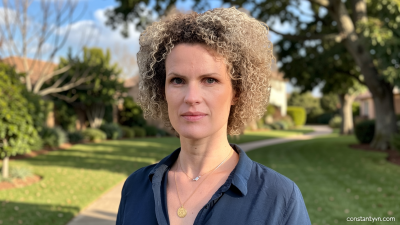
French Civil Servant Drugged Us, Say 250 Women
Constantvpn.com – Nearly 250 women now allege that a French civil servant drugged us during employment interviews at France’s Ministry of Culture between 2009 and 2018. The accused, Christian Nègre, allegedly slipped diuretics into coffee served to candidates, then walked them through Parisian streets until they lost bladder control. The allegations, long whispered in private, surfaced publicly after police opened a formal investigation and contacted individual women by letter.
The wave of disclosures gained momentum in 2024, when the trial surrounding Gisele Pelicot’s husband exposed how one person can pharmacologically dominate another over years. That case gave French women a vocabulary — chemical submission — for experiences they had struggled to name, and it emboldened former interviewees to come forward.
One Coffee, One Walk, One Loss of Control
Anaïs de Vos, then 27, accepted a cup of coffee from her interviewer in the summer of 2011. She did not normally drink the beverage, but politeness won out. She recalls consuming roughly half the cup before setting it aside.
“It tasted bad… so I drank about half.”
Nègre then suggested they continue the conversation on foot. Within minutes, Anaïs felt an overwhelming, involuntary need to urinate. He looked at her, she says, and asked with what she describes as a gleeful expression whether she needed “a wee.” He pointed toward a storage cupboard beneath a bridge over the Seine and told her to use it. Panic seized her.
“I started to panic. I had visions of him pushing me into the room and closing the door behind me.”
She insisted they keep walking. They reached the Louvre, where public toilets cost one euro. Anaïs had left her purse at the ministry; Nègre claimed he carried no cash. Desperate and in pain, she eventually found a café willing to let her use its facilities. By the time she reached the door, control was gone.
“I was really weak. I couldn’t really feel my legs any more. I was scared. I didn’t know what was happening.”
She was wearing a dress, which she later said made concealment easier. She also took small comfort in the fact that Nègre was not present at the moment it happened.
The Spreadsheet and the Police Letter
For eight years Anaïs carried a vague conviction that something had been done to her, but she could not identify what. She did not receive the position. The episode, she says, eroded her confidence and pushed her toward a less ambitious career path than she had originally planned.
In 2019 a police letter arrived. Officers told her they suspected she was among almost 200 women the French civil servant had drugged during interviews; the figure has since climbed to nearly 250. Investigators located a spreadsheet on Nègre’s computer titled “Experiments P,” which logged each woman’s arrival time, the moment the diuretic was administered, the interval before urination, and the type of underwear worn. It was through that file that police identified Anaïs as a likely victim.
“I was shocked. But I was happy to know I wasn’t crazy. Something had happened that day.”
Looking back, Anaïs is now convinced the odd taste in that coffee was the diuretic itself. On the day of the interview she had a fleeting thought that something might have been slipped into her drink, but she dismissed it. As she put it at the time: “It’s the Ministry of Culture. It’s not possible.”
FAQ
What medication was allegedly used? Investigators determined that diuretics — drugs commonly prescribed for conditions such as high blood pressure — were administered. These substances cause the kidneys to produce excess urine, producing an urgent and often uncontrollable need to urinate within a short window.
How many women have come forward? The number has grown from roughly 200 at the time of initial police contact in 2019 to nearly 250 as of the most recent reporting.
When did the alleged drugging take place? Interviews at the Ministry of Culture between 2009 and 2018 are covered by the investigation.
What triggered the public conversation in France? The 2024 trial connected to the Gisele Pelicot case opened a national discussion about prolonged pharmacological control and gave former victims language to describe their experiences.