
Eurovision Unveils Sweeping Voting Overhaul Amid Political Concerns
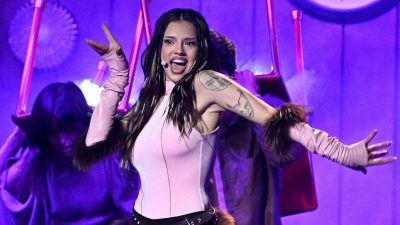
Constantvpn.com – The Eurovision Song Contest is preparing for significant structural changes designed to minimize political influence on voting outcomes. Following Bulgaria’s Dara securing victory through both public and jury acclaim this year, the European Broadcasting Union has outlined comprehensive reforms aimed at creating a more balanced competitive environment.
Addressing Persistent Political Voting Patterns
Organizers have identified what they describe as increasingly problematic voting behaviors driven by geopolitical factors rather than musical merit. In correspondence with participating broadcasters, the EBU emphasized that politically motivated voting has evolved from occasional occurrences into a persistent phenomenon that many stakeholders find concerning.
Even without major paid campaigns, and with a voting system that we can vouch for, it has become clear that today’s geopolitical climate is driving votes for certain artists for reasons that have very little to do with their performances.
The organization noted that while political voting is not unprecedented in Eurovision’s long history, the current frequency and intensity represent a shift that warrants immediate attention. The proposed changes aim to preserve the contest’s integrity while maintaining public engagement.
Controversy Surrounding Israel’s 2025 Performance
Recent scrutiny intensified following Israel’s strong showing in the 2025 competition. Yuval Raphael’s “New Day Will Rise” achieved a remarkable public vote performance, earning 297 points to finish ahead of all other participants in the public category. However, jury evaluations placed the song at fifteenth position, creating a notable disparity between the two voting segments.
Questions emerged regarding the voting mechanism after official Israeli government social media channels, including accounts associated with Prime Minister Benjamin Netanyahu, encouraged supporters to cast twenty votes for Raphael—the maximum permitted under previous regulations. This coordinated effort contributed to Raphael ultimately finishing as the competition’s runner-up in the overall standings.
This is nothing new in Eurovision’s history – we have seen it happen before – but this time it is persistent, and for many it is deeply worrying.
Proposed Structural Changes to Voting System
The EBU’s letter, signed by chief executive Jean Philip De Tender and Eurovision Reference Group chair Ana Maria Bordas, outlines two primary modifications. First, the organization plans to transition entirely to online voting, eliminating phone and text message options. Second, participants would be required to select their top three entries rather than concentrating votes on a single performer.
While the new system would prevent multiple votes for the same country, dedicated supporters could still register additional accounts using different payment methods. The technical rationale for online-only voting centers on the practical challenges of implementing multi-selection requirements through traditional text and telephone channels.
The United Kingdom has already completed this transition, beginning with this year’s contest. The EBU confirmed that further details regarding the implementation timeline would be published in the coming months.
Broader Contest Reforms and Sponsorship Changes
Beyond voting mechanics, Eurovision has introduced several additional modifications. The minimum age requirement for performers has increased from sixteen to eighteen years old. Broadcasters facing armed conflicts or sensitive geopolitical situations will no longer qualify to host the event. Regulations concerning pre-recorded vocal usage have also been tightened.
In a separate development, Moroccan Oil concluded its six-year sponsorship arrangement with the contest. The cosmetics company, which provided professional hairstylists and hair products to participating artists, ended the partnership without public explanation. The sponsorship had faced increasing criticism during recent years as protests regarding Israel’s participation intensified amid the conflict in Gaza.
These developments reflect Eurovision’s ongoing effort to navigate complex international relationships while maintaining its identity as a celebration of music and cultural exchange. The contest, now celebrating its seventieth anniversary, continues to adapt its framework to address evolving challenges while preserving the elements that have made it one of the world’s most-watched annual events.
The Bulgarian co-hosting arrangement mentioned in recent announcements further demonstrates the contest’s commitment to geographic diversity and regional representation in its organizational structure.
Related Reading
Frequently Asked Questions
What is Eurovision proposes new rules to reduce?
Eurovision proposes new rules to reduce is the main topic of this guide. The article explains the context, practical details, and next steps readers should understand.
Why does Eurovision proposes new rules to reduce matter?
Eurovision proposes new rules to reduce matters because readers are looking for a useful answer, not just a short summary. Good content should match search intent and help them decide what to do next.