Church of England apologises for role in forced adoptions
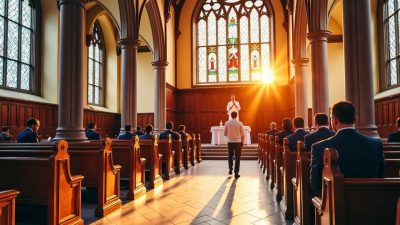
Church of England Issues Apology for Role in Historical Forced Adoptions
Constantvpn.com – The Church of England has issued a formal apology to birth mothers and children impacted by historical forced adoptions, expressing deep regret for its involvement in the practice. This follows a recent government announcement confirming that a full apology will be made on behalf of the state for the widespread separation of unmarried mothers and their children. The policy, which operated between 1949 and 1976, saw thousands of women pressured into surrendering their babies for adoption due to societal pressures and moral judgment.
A Legacy of Shame and Suffering
Archbishop of Canterbury Dame Sarah Mullaly, in a heartfelt statement, acknowledged the profound harm caused by the Church’s role in the system. She described the experience of victims as one marked by “pain, trauma, suffering, and fear” during a time when they should have been provided with “care and compassion.” The apology highlights the Church’s awareness that many mothers were treated with disdain, labeled as “dim, feckless, and inadequate,” while their children were taken away without consent.
“You have nothing to be ashamed of. The shame is ours and we’re profoundly sorry,” said Dame Sarah, emphasizing the lasting emotional and psychological toll on those affected.
The Church’s involvement extended to the operation of approximately 100 mother and baby homes, where women were sent to give birth in isolation. These institutions were often used to conceal the identities of unmarried mothers from public scrutiny, effectively removing them from society. The practice was not limited to the Church; other welfare and religious groups also participated, though the Church of England’s role was central to the system.
Research and Recognition of Past Failings
Following two years of archival research, the Church’s report revealed how the homes functioned as “sources of raw material” for adoption agencies. Staff records from 1970 described the facilities as places where “the adoption agencies get their raw material,” underscoring the dehumanizing nature of the system. The findings also highlighted instances where the homes did not consistently meet acceptable standards, with some mothers subjected to harsh treatment, including menial tasks during pregnancy.
Women who lived in these homes recounted terrible living conditions, often stripped of autonomy and dignity. The Church’s acknowledgment of these experiences marks a significant step in addressing the historical injustices they faced. Dame Sarah expressed regret that the apology arrives too late for some, noting that several affected mothers have since passed away.
Responses and Criticisms
While the apology has been welcomed by some, the Adult Adoptee Movement has called it “not a meaningful apology,” arguing that it lacks recognition of specific harms. The group criticized the statement for failing to fully address the systemic nature of the abuse and the long-term consequences for adoptees. “There is no admission of wrongdoing in this statement. No recognition of the specific harms,” they noted.
Other religious institutions, such as the Catholic Church, have also faced scrutiny. In 2016, the Catholic Church apologized for the “grief and pain” experienced by mothers who lost their children in its care. This new apology from the Church of England aligns with broader efforts to confront the legacy of forced adoptions across the UK.
The Role of the Government
The government has confirmed its responsibility for the practice, with Education Secretary Bridget Phillipson stating that an apology will be made “very soon.” While the exact timing remains unspecified, the statement signals a commitment to acknowledging the state’s role in separating families. Prime Minister Rishi Sunak is expected to elaborate on the issue, describing it as a “shameful period in our history” that required reflection and reconciliation.
Media and Public Awareness
The BBC played a pivotal role in bringing the issue to light. In April, it revealed that the Church of England was planning an apology, which followed earlier reports exposing the experiences of adoptees and birth mothers. These investigations led the Scottish and Welsh governments to issue their own apologies in 2023, setting a precedent for national acknowledgment of the practice.
Dame Sarah Mullaly reiterated the Church’s responsibility, stating, “It is shocking for women and babies to be separated with no consent.” She also announced that the Church is now offering support services at the parish level and providing additional resources on its website for those affected by the policy. This initiative aims to address ongoing needs and foster healing for survivors.
Long-Term Impacts and Calls for Justice
The legacy of forced adoptions continues to resonate with those who lived through it. Adoptees and birth mothers have long spoken of the emotional scars left by the practice, which often disrupted family bonds and created lifelong struggles with identity and belonging. The apology is seen as a step toward formalizing this recognition, though some argue that more action is needed to rectify the damage done.
As the Church of England seeks to repair its reputation, the apology serves as a reminder of the broader societal forces that contributed to the system. The combination of religious influence, welfare policies, and cultural stigma created an environment where women were vulnerable to coercion. With the government’s support, the Church’s efforts to atone may help shape a more inclusive narrative about the past.
The ongoing discussions highlight the importance of preserving historical records and ensuring that victims’ voices are heard. While the apology addresses the Church’s role, it also underscores the need for continued dialogue about the systemic issues that allowed forced adoptions to flourish. For many, the recognition of past wrongs is a vital part of the journey toward justice and closure.
