China says pilot crashed small plane into skyscraper for ‘personal reasons’
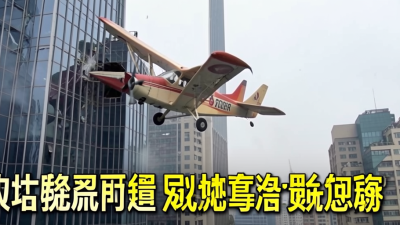
China Confirms Pilot’s Personal Reasons Behind Skyscraper Crash
Constantvpn.com – Authorities in China have confirmed that a small plane crashed into Beijing’s tallest skyscraper, the CITIC Tower, due to “personal reasons” linked to the pilot’s mental state. The incident, which occurred last week, resulted in the pilot’s death and injuries to at least thirteen others. The pilot, identified as Liu, was a 66-year-old Beijing resident who lived alone as a divorced freelancer, according to a statement from the Chaoyang district government.
Investigation Reveals Pilot’s Mental Health Struggles
The official inquiry concluded that the crash was a result of “endangering public safety” caused by the pilot’s personal issues, as stated in a government release. Liu’s diary, which was reviewed during the investigation, contained “multiple expressions of ending his life,” suggesting a possible connection to his decision. The statement emphasized that the pilot’s actions were not a result of mechanical failure or external factors, but rather a culmination of his psychological state.
“The comprehensive investigation concluded that this was a case of endangering public safety caused by personal reasons,” the Chaoyang district government said.
Officials noted that one of the injured individuals has since been discharged from the hospital, though the full extent of the casualties remains under review. The crash, which hit the 109-storey CITIC Tower, was captured in videos that quickly spread across social media platforms before being removed from the Chinese internet as part of the ongoing investigation.
Airspace Restrictions and Public Reaction
Following the incident, at least three aviation companies reported being instructed to halt light aircraft operations temporarily. The move was seen by some as a precautionary measure to prevent similar accidents. Meanwhile, the CITIC Tower, also known as China Zun, has long been regarded as a symbol of good fortune by locals. However, the crash triggered a swift response from authorities, with unrelated images and memes of the building being deleted from Chinese social media shortly after the event.
Located just a few kilometers from Zhongnanhai, the Communist Party’s central headquarters, the CITIC Tower holds significant political and cultural importance. Its prominence made the crash particularly alarming, as it raised questions about safety protocols and the potential for security lapses in the city. The incident also sparked discussions about the psychological well-being of aviation professionals, especially those operating smaller, privately owned aircraft.
Flight Details and Aircraft Specifications
The pilot had departed from an airport in Pinggu district on the afternoon of the crash. According to the Chaoyang government, Liu completed both accompanying and solo flights before the incident. During his solo flight, he deviated from the designated airspace and lost contact with the airport control tower, leading to the collision with the high-rise building.
The plane involved in the crash was a two-seat, single-engine Aurora SA60L model, manufactured by the Chinese company Sunward Aircraft. With a length of 6.9 meters and a wingspan of 8.6 meters, the aircraft is designed for recreational use, including aerial photography and sightseeing. The crash highlighted the potential risks associated with such vehicles, particularly when operated by individuals experiencing emotional or psychological distress.
Authorities confirmed that Liu had obtained his sport pilot’s license in 2021 and his private pilot’s license in 2024. Despite these qualifications, the incident raised concerns about the adequacy of training and mental health checks for pilots. The crash also underscored the need for stricter regulations in the burgeoning private aviation sector.
Global Support Resources for Distressed Individuals
While the focus remains on the incident itself, the event has prompted attention to mental health resources available worldwide. If individuals are experiencing distress or despair, help lines in the UK can be accessed through the BBC Action Line. For those in other countries, the Befrienders Worldwide organization provides support. Readers in the United States and Canada are encouraged to contact the 988 suicide helpline for immediate assistance.
The crash has become a focal point for public discourse, blending issues of aviation safety with broader conversations about mental health. As investigations continue, officials are likely to address both the technical and psychological aspects of the incident to prevent future occurrences. The removal of social media content and the temporary airspace restrictions reflect the urgency with which authorities are treating the event, aiming to restore confidence in the region’s aviation infrastructure.
With the CITIC Tower’s symbolic status, the crash has also prompted a reevaluation of safety measures in high-profile urban areas. The pilot’s personal struggles, now detailed in official statements, add a human element to the tragedy, reminding people of the complex interplay between individual circumstances and public safety. As the investigation unfolds, the community continues to watch closely, hoping for clarity and reassurance about the future of private aviation in Beijing.
