Category: News

Be in the know with our curated selection of fresh news updates.

  • French becoming more effective in stopping small boat crossings, UK says

    French becoming more effective in stopping small boat crossings, UK says

    Channel crossings fall sharply as French interception tactics tighten

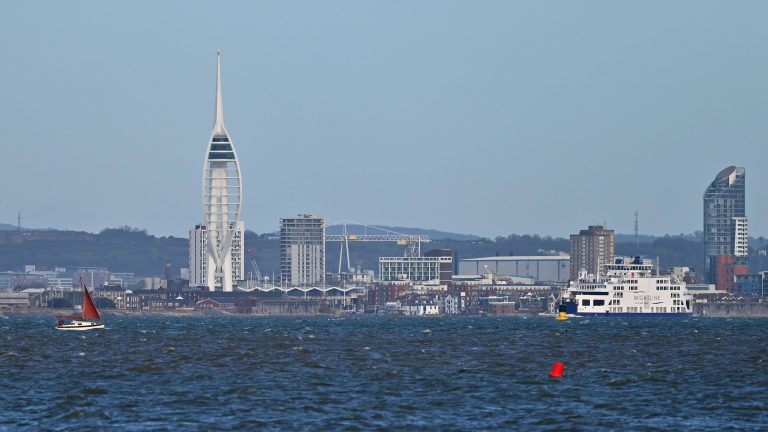
    Constantvpn.com – The English Channel has long served as the most visible gateway for people seeking to reach Britain without formal permission, and since 2020 small-boat arrivals from northern France have constituted the single largest category of undetected entry into the country. Now, a sustained shift in French policing strategy appears to be bending that trend. The Home Office announced that French authorities intercepted 185 potential crossings carrying roughly 4,300 migrants across four separate weeks this summer, while also halting 12 vessels at sea through methods neither government has publicly detailed.

    A new operational posture on the French coast

    For years, French coastguards largely permitted inflatable dinghies to depart once launched, reasoning that attempting to board a crowded craft in open water posed unacceptable danger to passengers. That calculus has changed. Footage released by French police shows officers sprinting across a beach in jeeps to reach a launch before it gains momentum. In one striking sequence, an officer slashes the abandoned hull lengthways with a knife, effectively rendering it unserviceable. Migrants can be seen hurling objects at the responding officers, one of whom appears to deploy pepper spray.

    Charlie Eastaugh, director of maritime and small boats at the Border Security Command, described a particularly decisive day to the BBC while speaking at the Western Jetfoil processing facility in Dover:

    “Last Thursday alone, the French prevented all three of the boats that tried to cross. Two of those they prevented at sea, and one they prevented on land.”

    Of the twelve dinghies stopped at sea to date, three interceptions occurred within the final fortnight, suggesting the at-sea component of the operation is still maturing. Neither London nor Paris has disclosed the specific techniques employed.

    Political reaction splits

    Home Secretary Shabana Mahmood framed the results as evidence that the bilateral arrangement is delivering tangible outcomes:

    “The UK-France deal is already having a real impact.”

    The Conservatives, however, dismissed the announcement as a “joke,” arguing that Channel crossing preventions were “down by half over the past year” and implying the government was claiming credit for seasonal weather patterns rather than operational success. Some officials pointed to calmer seas and reduced wind as the primary driver of lower crossing numbers this year. The Home Office response, partially captured in reporting, countered that weather alone could not explain the pattern, insisting the French were being effective.

    The deal behind the numbers

    The UK-France Border Security deal, concluded in April under the Starmer government, allocates £501 million over three years to strengthen operations in northern France, alongside a further £161 million earmarked for new approaches to interception and processing. The Home Office, drawing on French police figures, stated that since the agreement took effect three months ago, 61 per cent of small boats attempting to cross have been intercepted — a five-percentage-point improvement over the equivalent period last year.

    Scale of the problem in context

    Between 1 January and 19 August 2026, a total of 15,897 people crossed the Channel by small boat from France, a figure down 43 per cent on the same window the previous year. Despite that decline, thousands continue to arrive; 250 reached British shores on a single Monday in recent weeks. In late July, a record 165 migrants arrived in one vessel. Border Security Command was photographed towing a mega dinghy — estimated at 13 metres (42 feet), roughly the length of a standard bus — when it reached Dover on 23 July.

    Small-boat arrivals now account for 42 per cent of all asylum applications filed between April 2025 and March 2026. Nearly every person arriving by sea claims asylum, and under international law they are entitled to remain in the country while their application is adjudicated. Boats arriving between 20 August 2025 and 19 August 2026 carried an average of 68 people each, more than double the average recorded in 2021. Maritime safety experts caution that such overcrowding dramatically elevates the risk of capsizing, hypothermia, and drowning.

    The human toll remains severe. At least 84 people died attempting the Channel crossing in 2024, according to United Nations data. In the latest annual figures covering January to December 2025, the Home Office identified at least 2,000 small-boat arrivals as potential victims of human trafficking or other forms of modern slavery.

    Broader migration picture

    Set against total immigration into the United Kingdom between January and December 2025, small-boat arrivals represent approximately five per cent of the overall flow. Separately, 4,535 additional people were detected entering without permission through other routes — hiding in vehicles, travelling aboard ferries, or passing through airports — between April 2025 and March 2026, a figure down 22 per cent year on year. A further, unquantified cohort arrives legally on work or study visas and then overstays their permitted period; the total number of such individuals residing in the country illegally is not publicly known.

    Nationality data shows that people from Eritrea accounted for 18 per cent of all small-boat arrivals between April 2025 and March 2026. The government has pledged to “smash the gangs” it believes organise and profit from these crossings, though the precise structure and reach of those networks remain subjects of ongoing investigation.

    Whether the French interception model can be sustained at scale — balancing operational cost, crew safety, and the political appetite on both sides of the Channel — will be tested over the coming months as autumn weather returns and the seasonal pressure on the coast intensifies.

    Frequently Asked Questions

    What is French becoming more effective in stopping?

    French becoming more effective in stopping is the main topic of this guide. The article explains the context, practical details, and next steps readers should understand.

    Why does French becoming more effective in stopping matter?

    French becoming more effective in stopping matters because readers are looking for a useful answer, not just a short summary. Good content should match search intent and help them decide what to do next.

  • My life was changed by a terror attack – now survivors like me won’t be forgotten

    My life was changed by a terror attack – now survivors like me won’t be forgotten

    Britain Marks Its First National Day for Terrorism Victims and Survivors

    Constantvpn.com – On 21 August, the United Kingdom will observe its inaugural national day dedicated to victims and survivors of terrorism — a fixture that mirrors long-standing commemorations already established across several European nations. The government has framed the occasion as a moment to honour those directly impacted by terror attacks: the dead and their families, eyewitnesses, and the emergency workers who respond in the aftermath. At the heart of this year’s programme sits a London event scheduled for Friday afternoon, featuring a two-minute silence in memory of those killed and spoken tributes from people whose lives were altered by terror. The Home Office has indicated that future editions will rotate to venues throughout the country, broadening geographic access to the commemoration.

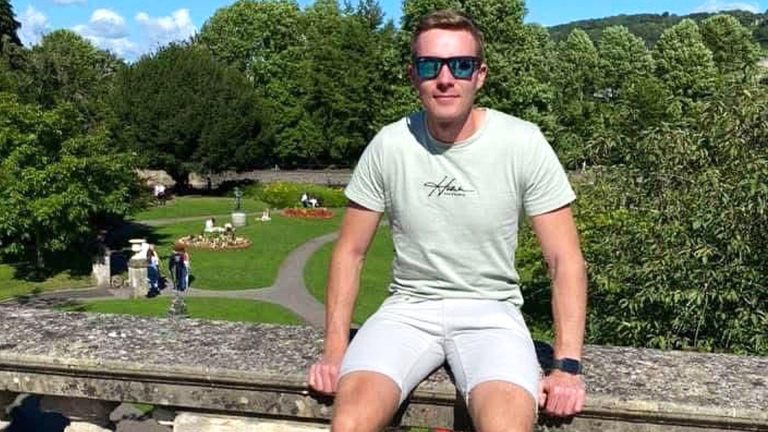
    For those who have lived through an attack, the day carries a weight that goes beyond ceremony. Travis Frain, now 28, spent nearly five years pressing for precisely this kind of formal recognition. His campaign was born from a single, shattering afternoon in March 2017, when he was 19 years old and travelling to London on a university trip with classmates from Edge Hill University.

    The Afternoon Everything Changed

    Frain had been photographing Big Ben and texting the image to friends when the scene around Westminster Bridge turned violent. He recalled the moment with stark clarity:

    “One of the guys in my group shouted ‘look out’ and as I looked up from my phone the terrorist’s car was in front of me. It was a split second really before the car hit me. I went over the bonnet, into the air, before landing back on the ground.”

    The driver was Khalid Masood, who on 22 March 2017 ploughed his vehicle into pedestrians along the bridge before alighting and stabbing a police officer to death outside the Palace of Westminster. Four members of the public were killed. Frain sustained multiple injuries, most notably a fractured leg that required two years of recovery before it fully healed. During his hospitalisation, Charles — then Prince of Wales — visited him bedside.

    “There will always be a part of you affected by that attack,” Frain said.

    Why a Dedicated Day Was Needed

    The Westminster Bridge killing came barely two months before another devastating strike: the Manchester Arena bombing at an Ariana Grande concert in May 2017, which left 22 people dead. Together, those attacks — alongside others at London Bridge, Finsbury Park, and Fishmonger’s Hall — underscored how frequently ordinary Britons were drawn into the crosshairs of terror.

    Frain argued that memorials and public recognition for terror victims “often go under the radar” compared with other categories of loss. He stressed the moral obligation of collective remembrance:

    “As a society, it is right and morally correct that we should be remembering those lost to terrorism.”

    He also emphasised that victims are rarely chosen as isolated individuals. They are, in his words, targeted as “representatives of something far greater — the nation, the nation’s values; the values we’re all meant to hold I’m sure.” The day, he added, should also encourage citizens to “keep an eye on each other” because “we all have a role to play” in preventing future attacks.

    Compensation Gaps and Calls for Accountability

    The national day emerged from a Home Office review that concluded many survivors were not receiving adequate ongoing support. Yet campaigners insist the commemoration must be paired with concrete policy change. A report published on Friday by Survivors Against Terror (SAT) found that while psychological support pathways had improved since the review, the state compensation mechanism administered by the Criminal Injuries Compensation Authority had seen no meaningful reform.

    Brendan Cox, SAT co-founder and husband of MP Jo Cox — murdered by a neo-Nazi in June 2016 — welcomed the day but urged that it also serve as “a moment of accountability.” He described the compensation process as dehumanising, noting that a survivor may claim only for the first three injuries sustained, even if dozens of fragments of shrapnel remain embedded in the body.

    “We’re not talking large sums of money, we’re talking about a process that dehumanises people where if you’re a survivor of a terror attack, you can only claim for the first three injuries you have despite the fact you might have 80 or 90 or 100 pieces of shrapnel in your body,” Cox said.

    Lisa Ghiggini, who survived the 2019 Fishmonger’s Hall attack in London, added that some members of SAT still lack the resources to make basic home modifications — such as installing a downstairs toilet — after attacks that left them struggling to walk.

    The Ministry of Justice, which oversees the taxpayer-funded scheme in which victims self-classify the type of incident, stated that £180 million was paid out last year across all categories of violent crime, including terrorism.

    A Date Aligned with Global Remembrance

    The chosen date of 21 August deliberately coincides with the United Nations International Day of Remembrance and Tribute to the Victims of Terrorism, first observed in 2017. This alignment situates Britain’s commemoration within a broader international framework of recognition.

    For this debut year, the principal event will be held in London. The Home Office has invited people across the country to observe a moment of reflection at home and to share posts about the day on social media, extending participation beyond the capital.

    The wider security backdrop makes the day’s message of vigilance particularly pointed. In May, the UK’s terror threat level was raised to “severe,” signalling that an attack is highly likely. In the year to September 2025, a record close to 10,000 people were referred to Prevent, the government’s counter-terrorism engagement scheme — a figure that illustrates how broadly the state now views the population at potential risk.

    Frain, who has since returned to Westminster Bridge despite knowing many fellow survivors who can never again set foot in London, said the day represents a long-overdue acknowledgment that the people who endured terror deserve to be seen, remembered, and supported — not merely in the immediate aftermath, but for as long as the scars remain.

    Frequently Asked Questions

    What is My life was changed by a terror?

    My life was changed by a terror is the main topic of this guide. The article explains the context, practical details, and next steps readers should understand.

    Why does My life was changed by a terror matter?

    My life was changed by a terror matters because readers are looking for a useful answer, not just a short summary. Good content should match search intent and help them decide what to do next.

  • Will Harry’s return heal deep-rooted rift with William?

    Will Harry’s return heal deep-rooted rift with William?

    Harry’s Homecoming Puts a Six-Year Sibling Wound Back in the Spotlight

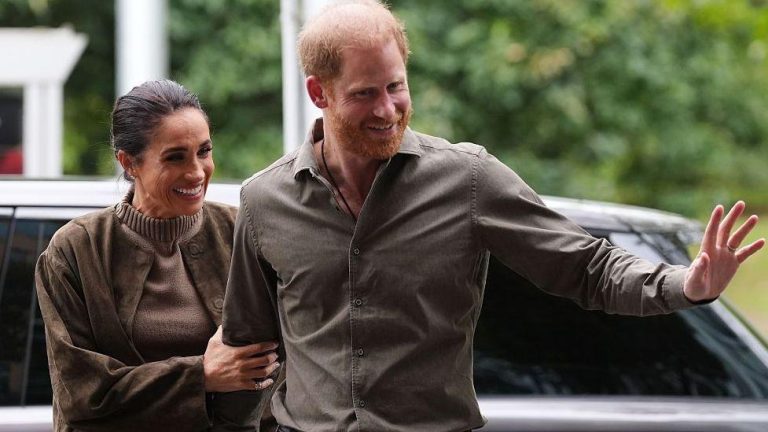
    Constantvpn.com – The Duke and Duchess of Sussex are set to relocate back to Britain within two weeks, collapsing the transatlantic distance that has separated them from their elder brother since 2020. For the better part of half a decade, Prince William and Prince Harry have operated in parallel worlds — different continents, different households, different versions of the family story. Now that geography is about to change, the question hanging over Windsor Castle and beyond is whether proximity might soften a rift that years of public feuding have calcified into something far harder to mend.

    The answer, by every indication from those closest to the Prince of Wales, is unlikely to come quickly. This is not a sibling squabble that dissolves over a shared dinner. It is what insiders describe as a structural break in trust, layered with accumulated resentment and a sense of betrayal that has been aired repeatedly in front of global audiences. The wounds are old, and the person who bears them has shown little appetite for sweeping them under the carpet.

    William’s Position: Stubbornness, Not Indifference

    A close family confidant put the Prince of Wales’s emotional state bluntly when speaking to reporters last year:

    “William is very stubborn. To feel cheated by your own brother has been painful. He can’t just put it behind him.”

    That assessment sits in sharp tension with Harry’s own words, offered in a sit-down interview the previous year, in which the Duke of Sussex expressed a clear desire to repair the relationship:

    “I would love reconciliation with my family. There’s no point in continuing to fight any more.”

    Royal commentator Valentine Low offered a more nuanced reading of the elder brother’s likely response to the impending homecoming. In Low’s view, William is not simply ignoring external pressure to reconcile; he is making a deliberate choice based on what he perceives as unresolved wrongs.

    “If he doesn’t want to reconcile with his brother because of the things he’s done, the wrongs that he feels Harry’s done to him, he’s not going to reconcile. But it does improve the chances I think.”

    The Proximity Problem

    Logistically, the Sussexes’ return places them within a short drive of Windsor, where William, Catherine, and their three children reside. That closeness introduces a dynamic neither brother can ignore: the expectation that the elder sibling, as future king, should extend a hand first. Several individuals connected to organisations that collaborate with the Prince of Wales have told reporters they intend to shield William from becoming entangled in the spectacle surrounding the move.

    One source involved in charitable projects alongside the Royal Family framed the task in protective terms:

    “This is a hard situation for him full of emotion and anger and we will support him. It is really important for me to ensure that any work we do with William will be focused on making a positive change and won’t be affected by the Harry and Meghan drama.”

    The Prince of Wales’s own calendar over the coming months is deliberately packed with duties that carry personal weight, a strategy that keeps his public profile anchored to purpose rather than family melodrama.

    A Shared Grief That Once Bound Them

    The contrast between where the brothers are now and where they stood in 2018 is stark. At a mental-health conference that year, William spoke about how their mother’s death at age sixteen had forged an unbreakable bond between them:

    “Losing our mother at a young age has helped us to travel through that difficult patch together. You’re like-minded. You go through similar things, it’s a bond and it’s something you know you’ve tackled together and come out better for it.”

    That narrative of unity-through-shared-trauma has, by all accounts, been superseded. The grief that once welded the brothers together has been replaced by a catalogue of grievances played out in courtrooms, memoirs, and televised interviews.

    What May Be Driving the Return

    Trauma specialist Dr Gabor Mate, who sat down with Harry for a conversation on healing and loss timed to the release of the Duke of Sussex’s memoir Spare, offered a sympathetic reading of the decision to come home. He pointed to the practical reality of an ageing parent facing a cancer diagnosis:

    “He’s got an ageing parent with a cancer diagnosis. The deepest human dynamic is attachment and connection and if that’s what’s motivating this I’m not in the least surprised.”

    William, meanwhile, has been quietly shouldering the role of primary caregiver for his wife Catherine through her own cancer treatment since Harry’s departure for North America. The caregiving burden has fallen on the brother who stayed, a fact that adds a further layer of complexity to any future rapprochement.

    Kensington’s Silence and the Months Ahead

    Since the relocation was announced, Kensington Palace has maintained a near-total media blackout. No official statement has been issued, and the Prince of Wales’s team has declined to engage with questions about the Sussexes’ intentions or the state of the sibling relationship. The institutional posture is one of continuity: carry on with royal business, let the calendar speak.

    That calendar is dense. In November, William will travel to Mumbai, India, to present the Earthshot Prize, his flagship environmental award. A major mental-health initiative is slated for launch within weeks. And in September arrives a milestone that no royal family can take lightly: Prince George, now thirteen, will begin senior school at Eton College in Berkshire. The media choreography surrounding that day will be meticulously managed, with both parents expected to be fiercely protective of their eldest son and determined to keep him insulated from any family turbulence.

    What underlies the entire situation is not a single incident but the accumulated weight of years — decisions made, words spoken, loyalties tested in public. Whether two weeks of shared geography can begin to erode that weight remains, for now, an open question. The brothers will be in the same country again. Whether they will be in the same conversation is another matter entirely.

    Frequently Asked Questions

    What is Will Harry s return heal deep?

    Will Harry s return heal deep is the main topic of this guide. The article explains the context, practical details, and next steps readers should understand.

    Why does Will Harry s return heal deep matter?

    Will Harry s return heal deep matters because readers are looking for a useful answer, not just a short summary. Good content should match search intent and help them decide what to do next.

  • Meghan could return to acting once back in UK

    Meghan could return to acting once back in UK

    What the Reports Say About a New Role

    Constantvpn.com – Meghan could return to acting once she is back in the UK, according to reports that have surfaced ahead of the Sussexes’ planned relocation to Britain. Sources close to the couple have not denied that the duchess has been offered a part in an upcoming production, and the prospect of her stepping back in front of a camera has generated considerable media interest. Australian outlet news.com.au first broke the story, suggesting that one motivation behind Harry and Meghan’s decision to move back to Britain was that the duchess had been offered work on an upcoming project. No specifics about the role, the production, or the timeline have been confirmed. The Sussexes are expected to land in Britain before the end of August, with their two children set to begin school in September.

    As an actress, Meghan was best known for portraying Rachel Zane, a junior lawyer, across seven seasons of the US legal drama Suits. Her final episode aired in 2018, after which she stepped away from the industry following her marriage to Prince Harry. At the time she told the BBC that leaving the craft did not feel like surrendering anything; she framed the decision as

    “a new chapter.”

    More recently, she made a brief cameo as herself in the comedy Close Personal Friends, which stars Lily Collins and Brie Larson, marking her first on-screen appearance in nearly a decade. That small role kept the door open for a fuller comeback should the right project materialise.

    The Broader Context of the Sussexes’ Move

    The BBC understands that, while based in the UK, Meghan also intends to broaden the global reach of As Ever, her US-based lifestyle and cooking brand. The couple’s relocation has reignited questions about security arrangements and about what the move means for Harry’s strained relationship with Prince William. Meghan could return to acting in a capacity that complements her existing commercial ventures, though no formal announcement has been made and the couple has kept details tightly held.

    Prince Harry and Meghan plan to settle at a private, non-royal residence outside London. Their children, Prince Archie, now seven, and Princess Lilibet, five, will enrol at school in September. The decision followed a July visit during which the family saw King Charles III at his Highgrove estate in Gloucestershire. It was the first occasion the King had met his grandchildren in person in more than four years, and the couple’s first joint trip to the UK since 2022.

    The BBC understands the King was unaware of the relocation until last weekend, but he welcomes the chance to see more of the Sussex family in a private and personal capacity. There are no current plans for either Harry or Meghan to resume duties as working royals. Separately, the duke is expected to learn on Friday how much he and other high-profile claimants will owe in costs following a failed legal battle against the Daily Mail’s publisher. The group, which included Sir Elton John, Baroness Doreen Lawrence, and Elizabeth Hurley, had sued Associated Newspapers Limited over allegations of unlawful information gathering; all claims were dismissed last month.

    Frequently Asked Questions

    Has Meghan confirmed she will take on a new acting role? No. While reports suggest she has been offered a part, neither the duchess nor her representatives have publicly confirmed any role, production, or timeline. Meghan could return to acting in the coming months, but all details remain unverified as of now.

    Where are Harry and Meghan moving to? The couple plans to relocate to a private, non-royal residence outside London. Their children will begin school in September, and the move is expected to be completed before the end of August.

    Will the Sussexes resume royal duties after the move?<

  • Pensioner had ‘largest hoard’ of child abuse images to be seized in Scotland

    Pensioner had ‘largest hoard’ of child abuse images to be seized in Scotland

    Pensioner’s Largest Child Abuse Hoard Seized in Scotland

    Constantvpn.com – An 83-year-old pensioner had the largest hoard of child sexual abuse images ever seized by Police Scotland, prosecutors told Falkirk Sheriff Court. Alan MacPherson of Stenhousemuir, a first-time offender, admitted accumulating over two million files across nine electronic devices spanning more than fourteen years. He was remanded in custody pending pre-sentence reports, with sentencing deferred to 8 September.

    The scale of the pensioner’s largest hoard of child exploitation material was so vast that investigators said it had effectively overwhelmed their capacity to review every file. Of the two million-plus images recovered from computers, mobile phones, digital cameras, a USB stick, and external hard drives, more than 805,000 were formally categorised as depicting child sexual abuse. The majority carried a Category A rating — the most severe classification used by Scottish police for such material. A substantial portion of the collection was never individually examined.

    How investigators traced the collection

    Police identified the IP address linked to MacPherson’s online activity. In July 2025, he posted several Category A images during a conversation with an officer working undercover on an anonymised messaging platform. Despite the app’s privacy features, investigators followed the digital trail to his home and carried out an early-morning search.

    Indecent images of children were found on all nine seized devices. Five underwent complete forensic examination. On a single external storage drive alone, officers graded 698,924 files as child sexual abuse material. Nearly 1.4 million images on one other device remained ungraded at the time of the court appearance.

    Victims, plea, and sentencing

    The children depicted were girls, most aged nine to fifteen, with at least one possibly as young as seven. Prosecutor Rachel Wallace told the court that MacPherson stated he had been searching the internet for such images over many years “for his own personal gratification.”

    “Police have advised us this is quite possibly the largest collection of child sexual abuse material ever seen by Police Scotland.”

    MacPherson, who appeared in a hooded jacket as he was escorted into custody, entered guilty pleas to downloading, possessing, and distributing indecent material from 1 January 2012 to 20 January 2026. He was placed on the Sex Offenders Register, a statutory public record maintained in Scotland.

    His defence solicitor-advocate, Stephen Biggam, told the court that MacPherson is deaf and suffers from macular degeneration, a progressive eye condition that damages central vision. Biggam added that since his arrest the pensioner had maintained his daily routines without drawing local attention.

    “He has continued to go about his business and had not been any centre of attraction in the community, as is his way.”

    Sheriff Craig Harris paused proceedings to advise gallery members they were free to leave and return, noting details might prove “difficult for some people to hear.” After weighing the gravity of the offences, the sheriff declined to sentence without further information and ordered MacPherson held in custody pending background reports.

    “Given the nature and the scale and the time over which the offences have been committed, the risk you pose when you are at liberty, and the likely outcome by way of sentence, you must now be remanded into custody.”

    FAQ

    What happened to the pensioner’s largest hoard of child abuse images? Over two million files were seized from nine devices at his Stenhousemuir home. More than 805,000 were formally graded as child sexual abuse material; the remainder had not been individually examined at the time of the hearing.

    When will sentencing take place? MacPherson was remanded in custody with a further hearing set for 8 September, after pre-sentence reports are prepared.

    What is the Sex Offenders Register in Scotland? It is a statutory public record maintained by Police Scotland listing convicted sex offenders. Details are accessible to the public and to employers in certain regulated roles.

    Why was so much of the material never reviewed? The sheer volume — exceeding two million files across multiple devices — meant investigators could not individually examine every item before the court date. Only a fraction received a formal category grading.

  • Train derailment carriages moved amid track probe

    Train derailment carriages moved amid track probe

    Recovery Cranes Deployed as Lewes Derailment Site Faces Prolonged Closure

    Constantvpn.com – Specialist cranes and heavy lifting machinery have been positioned along a stretch of railway near Lewes, East Sussex, as engineers work to extract the remaining carriages from a derailment that left 150 passengers stranded and 30 injured. The operation marks the most intensive phase of a multi-day recovery effort following the collapse of a Southern passenger service from London Victoria to Eastbourne, which left the tracks last Thursday at approximately 14:24 BST.

    Two of the four carriages still resting at the accident site were lifted and relocated on Thursday, with the final two scheduled for removal on Friday. The work has required the construction of temporary foundations and platforms capable of supporting the weight of industrial cranes, a logistical undertaking complicated by the derailment’s proximity to the River Ouse and the surrounding residential area.

    Track Defect at the Heart of the Investigation

    The Rail Accident Investigation Branch (RAIB) has issued a preliminary finding identifying a defect in the track at the point where the train left the rails. Investigators are now digging into how that section of line was inspected and maintained in the weeks and months preceding the incident, the structural condition of the embankment beneath the track, and whether the sustained hot weather of the preceding days contributed to the failure.

    Network Rail and Greater Thameslink Railway (GTR), the operator that runs Southern services, have confirmed they will review the RAIB’s recommendations once the full investigation concludes and will work to implement any corrective measures. The scope of the ongoing inquiry extends beyond the immediate mechanical cause, encompassing the condition of the rolling stock, the adequacy of the emergency response, and the environmental factors present at the time of the accident.

    Passengers Describe a Terrifying Aftermath

    Those aboard the service recalled a scene of confusion and heat as the train came to rest on its side. Passenger John May described how many travellers found themselves trapped inside the overturned carriages, unable to exit under their own power. While some managed to climb out, others waited in sweltering conditions until firefighters arrived with ladders to assist their evacuation.

    Rob Bradley, a regular commuter from Eastbourne who was travelling with his daughter when the derailment occurred, spoke of the unsettling feel of the line long before the accident. He described the track as “jostly” and noted that it “does have some movement” on a routine basis.

    “I never thought at all that you could end up in a derailment because of it. You think it’s a railway and there’s going to be some bumps along the way. I never thought about it leading to such an accident.”

    Bradley’s account echoes a broader pattern of passenger complaints about ride quality on this corridor, a stretch of line that has long been associated with roughness due to its age and the engineering challenges of its alignment through the South Downs landscape.

    Local Politician Raises Alarm Over Known Instability

    James MacCleary, the Member of Parliament for Lewes, characterised the RAIB’s preliminary findings as “deeply concerning.” He noted that the reputation of the track between Haywards Heath and Lewes for excessive vibration was well established among local commuters and residents.

    “It’s kind of well-known locally how bumpy that stretch of track is.”

    MacCleary recalled seeing “people’s coffee flying around on tables and people struggling to type on laptops” during routine journeys, and said he had raised concerns with Southern on more than one occasion. His central frustration, he said, was that the issue had been flagged previously yet “we still ended up with a derailment.”

    Reopening Timeline and Environmental Safeguards

    The section of line between Haywards Heath and Lewes is expected to reopen on 1 September, a date that coincides with the end of the school summer holidays. John Whitehurst, chief executive of GTR, described getting the route operational before that deadline as “an absolute priority,” adding that his organisation was working closely with Network Rail “despite very challenging circumstances.”

    Lucy McAuliffe, Network Rail’s Sussex route director, explained that the derailment’s location beside the River Ouse made reinstatement of the site “particularly complex.” She emphasised that the recovery was being conducted with careful attention to the surrounding ecology and to residents living in close proximity to the works.

    “The recovery is being carried out with careful consideration for the area around the derailment site, ensuring the area’s ecology is protected and being mindful of residents living nearby.”

    Before the line can carry passengers again, rigorous testing and inspections of the repaired track and embansment are planned. McAuliffe and Whitehurst issued a joint statement following the preliminary report reaffirming that Britain’s railway remains “one of the safest in the world,” while stressing the necessity of understanding precisely what went wrong and extracting lessons for the wider network.

    For commuters on the Victoria-to-Eastbourne corridor, the closure represents a significant disruption to a route that serves thousands of daily travellers, including students, healthcare workers, and holidaymakers heading to the coast. The extended timeline for repairs, combined with the ongoing RAIB inquiry, means that full normality on this stretch of line will not return until at least the autumn term begins.

    Frequently Asked Questions

    What is Train derailment carriages moved amid track?

    Train derailment carriages moved amid track is the main topic of this guide. The article explains the context, practical details, and next steps readers should understand.

    Why does Train derailment carriages moved amid track matter?

    Train derailment carriages moved amid track matters because readers are looking for a useful answer, not just a short summary. Good content should match search intent and help them decide what to do next.

  • Missing teen hiker found dead in Australian bush after eight-day search

    Missing teen hiker found dead in Australian bush after eight-day search

    Eight-day search ends in tragedy as Sydney hiker Lily Hooper found dead in Southern Highlands bushland

    Constantvpn.com – The body of an 18-year-old woman was located in thick vegetation within New South Wales’s Southern Highlands on Thursday morning, bringing to a close a grueling eight-day search for a Sydney teenager who vanished while walking in a national park. Authorities confirmed the remains were believed to belong to Lily Hooper, though formal identification had not yet been completed at the time of the announcement. Given the remoteness of the site and the density of surrounding growth, officials indicated the body would most likely need to be carried out on foot.

    The disappearance

    Hooper departed her Sydney home on 12 August intending to walk a trail in Nattai National Park, a protected area situated roughly 100 kilometres southwest of the city. The park encompasses rugged, often remote terrain threaded with demanding tracks that wind through dense eucalypt and native undergrowth. Her vehicle was later located in a car park at the base of one such challenging route. When she had not returned by 22:00 that evening, her family lodged a missing-person report, triggering an immediate police response.

    The Southern Highlands region where the search centred is known for variable weather, with temperatures falling sharply at altitude and visibility frequently compromised by fog or sudden rain. These conditions compound the difficulty of locating a person in dense bushland and explain why the operation stretched across multiple days and required specialised resources.

    A week of searching

    The multi-agency effort that consumed the preceding week drew on an extraordinary breadth of capability. Multiple NSW Police Force units were committed to the operation, including PolAir, the Rescue Unit, the Trail Bike Unit, the Mounted Unit, and the Dog Unit. Reinforcement came from the Rural Fire Service, the National Parks and Wildlife Service, and close to 100 members of the Australian Defence Force. The scale of the deployment reflected both the size of the search area and the urgency felt by investigators and family alike.

    Confusion over her condition

    The confirmation of Hooper’s death was clouded by a brief but consequential miscommunication. New South Wales Premier Chris Minns addressed a parliamentary hearing and initially stated that the missing teenager had been found alive. Local media outlets indicated that Hooper’s family had also received the same erroneous information before the correction arrived. Minutes later, Minns amended his remarks before the committee.

    “Lily’s body has been found,” Minns told the hearing, confirming she was deceased. “This is obviously devastating, and I’m profoundly sad for her family and for all those concerned.” He apologised to the committee for the initial error.

    NSW Police Commissioner Mal Lanyon told reporters he “unreservedly” apologised for the “miscommunication” that had briefly given the family false hope.

    Police account of the interval

    At a Thursday afternoon press conference, Assistant Police Commissioner Joseph Cassar fielded questions about how the Hooper family came to be told their daughter was alive. He explained that a window of between eight and 10 minutes elapsed before the parents were given an updated briefing on their daughter’s actual condition. He acknowledged he did not know precisely what words were used during that interval.

    “If I could turn the clock back, I would certainly,” Cassar told reporters.

    Tributes from parliament

    Australian Prime Minister Anthony Albanese paid tribute to the 18-year-old in parliament, describing her death as an “unspeakable tragedy.”

    “Lily Hooper had so much more to offer the world. Her passing, I have no doubt, will be felt very deeply,” Albanese said.

    Angus Taylor, the opposition leader and Hooper’s local member of parliament, commented that the initial false reports of her being found alive compounded the family’s grief beyond what the loss itself demanded.

    “We can only imagine what Lily’s family is going through right now. Such news would be a nightmare for any parent, and we grieve for Lily’s wider family,” Taylor said.

    What happens next

    Formal identification of the remains is expected to follow standard forensic procedures. The family, who had been kept informed throughout the week-long search, will receive official notification once that process is complete. Police have not yet released details on the circumstances surrounding Hooper’s death, and an investigation is anticipated. For now, the focus remains on supporting the family and closing out what became one of the most widely followed search-and-rescue operations in recent New South Wales history.

    Frequently Asked Questions

    What is Missing teen hiker found dead in Australian?

    Missing teen hiker found dead in Australian is the main topic of this guide. The article explains the context, practical details, and next steps readers should understand.

    Why does Missing teen hiker found dead in Australian matter?

    Missing teen hiker found dead in Australian matters because readers are looking for a useful answer, not just a short summary. Good content should match search intent and help them decide what to do next.

  • Tinder conman who stole thousands pretended to be multi-millionaire cancer patient

    Tinder conman who stole thousands pretended to be multi-millionaire cancer patient

    Dating App Fraudster Sentenced After Fabricating Life of Extreme Wealth and Illness

    Constantvpn.com – A 35-year-old man from north Wales has been handed a prison term exceeding three years after prosecutors proved he drained nearly £68,000 from four individuals by constructing an elaborate false identity complete with terminal illness, elite military service, and a fortune measured in the hundreds of millions of pounds. Joseph Gibson, of Penbryn Nant near Ruthin in Denbighshire, met at least two of his victims through the swipe-based dating platform Tinder before spinning them into believing they were sharing a genuine romantic partnership with a multimillionaire cancer sufferer.

    The case, concluded at Bristol Crown Court on Thursday, underscores how dating applications have become fertile ground for sophisticated financial predators who exploit emotional vulnerability to extract large sums under the guise of shared investment or medical emergencies. Gibson pleaded guilty to four counts of fraud by false representation, and Judge Jaron Crooknorth imposed a custodial sentence of three years and two months.

    The Fabricated Persona

    Text messages released following the trial revealed the scale of Gibson’s invention. He told his targets he maintained residences in Sandbanks, Bath, Dubai, Singapore, and Mayfair in London, alongside a portfolio of 21 rental properties. He described owning yachts, helicopters, and luxury cars, and asserted that he had generated £1.1 million through financial trading while lying in a hospital bed.

    “Mate I have everything I want, I have amazing houses, cars, boats, helicopters.”

    In another message, he claimed to be managing a five-million-pound trading account via his mobile phone from that same hospital bed. When a victim inquired about his spending habits regarding clothing and footwear brands, Gibson responded with a figure that would have placed him among the wealthiest individuals in the country:

    “In January I was valued at 440m if you need me.”

    He also claimed prior service in the Special Boat Service, the Royal Navy’s elite special forces unit, and maintained throughout the deception that he was battling cancer — a detail designed to evoke sympathy and accelerate financial commitments.

    Four Victims, £68,000 Lost

    The court heard that between July 2020 and October 2021, Gibson employed false names, fabricated business opportunities, and counterfeit bank statements to project an image of substantial wealth. Each victim was drawn in through a different combination of these ruses.

    One woman was persuaded to transfer funds for purported business ventures, hospital costs, and online trading schemes. She lost more than £5,600 and described enduring “anxiety and emotional distress” in the aftermath.

    A second victim, identified in court as SC, handed over more than £30,000 after Gibson promised substantial returns through investments and trading. She received approximately £9,700 back, leaving her £21,000 out of pocket and, in her words, “heavily in debt.”

    A third, known as JH, invested £28,000 on the strength of Gibson’s claims to be a successful businessman. She recovered £10,000 and told the court the episode had damaged her relationships with her children.

    The fourth victim, PH, was a retired super-yacht captain who invested £23,350 and described suffering “severe” emotional impact from the betrayal.

    Judicial Response

    Gibson’s barrister had requested that the judge defer sentencing, arguing it would allow the defendant time to earn funds for victim compensation. The prosecution objected, pointing out that hundreds of thousands of pounds had passed through Gibson’s accounts but had been consumed by car purchases and overseas travel rather than set aside for repayment.

    Crooknorth described the offending as “serious, sophisticated and sustained,” noting that the deception began from the very first contact with each victim. He delivered a pointed address to the defendant:

    “Joseph Gibson, you are simply a fraudster. It has taken years for you to admit that. Pity those who have had the misfortune to have you come into their lives, prey on their affections, steal their money, steal their goals and fracture their relationships.”

    The judge acknowledged that Gibson had previously been of good character and had admitted his wrongdoing, though only shortly before trial. He offered minimal credit for remorse, telling the court:

    “You are sorry for the position you have found yourself in.”

    Gibson had told the court he held £40,000 in savings and proposed saving £5,000 per month to fully compensate his victims, requesting a further nine-month deferral. It emerged, however, that his actual savings stood at £15,000. Crooknorth responded sharply:

    “You have tried to persuade this court that you have more money than you have. You have not shown evidence of that money to me. You have sought to deceive this court into believing that you had it.”

    The judge noted that Gibson had earlier attempted to argue he had not deliberately deceived his victims, but concluded the evidence demonstrated that “deception was central” to the offending. He identified little mitigation beyond the absence of prior convictions and a degree of expressed remorse.

    Recovery and Aftermath

    A proceeds-of-crime hearing is scheduled for March, at which the court will consider mechanisms to recover Gibson’s remaining assets for distribution to the four victims. The judge emphasised that the victims had sustained “significant financial and emotional harm,” with several left deeply in debt and with fractured family relationships.

    The case illustrates a pattern increasingly documented across the UK: dating applications, designed to facilitate brief romantic encounters, are being leveraged by fraudsters who invest weeks or months in building emotional intimacy before introducing financial schemes. The combination of a fabricated illness narrative, elite military credentials, and ostentatious wealth claims created a layered deception difficult for victims to question while they were emotionally invested in the relationship. For the four individuals in this case, the total loss approached £68,000 — a sum that, for several of them, represented savings accumulated over decades.

    Frequently Asked Questions

    What is Tinder conman who stole thousands pretended?

    Tinder conman who stole thousands pretended is the main topic of this guide. The article explains the context, practical details, and next steps readers should understand.

    Why does Tinder conman who stole thousands pretended matter?

    Tinder conman who stole thousands pretended matters because readers are looking for a useful answer, not just a short summary. Good content should match search intent and help them decide what to do next.

  • Coolcations: ‘They used to joke about our weather – now they can’t wait for the rain’

    Coolcations: ‘They used to joke about our weather – now they can’t wait for the rain’

    Scotland’s Rainy Reputation Becomes Its Most Marketable Asset

    Constantvpn.com – Across much of continental Europe and the southern reaches of England and Wales, summer 2025 has delivered temperatures that push outdoor life to a standstill. Yet on a sheltered sea loch tucked into the western Highlands near Glencoe, the sky hangs low and grey, the wind barely stirs the water, and seals drift lazily beneath a canopy of cloud. Kayakers glide across the flat surface of Loch Leven without sunscreen, without sunburn, without the oppressive weight of a heatwave. For a growing cohort of travellers, that very greyness is the point of the trip.

    The phenomenon has a name now: the “coolcation.” And in Scotland’s west coast, a handful of operators have stopped apologising for the weather and started selling it.

    Turning a Joke into a Booking Engine

    Esther and Nick Cochrane run Beside the Loch, a self-catering cottage operation set on the shore of Loch Leven. For years, the couple fielded the same quip from prospective guests: “You don’t come to Scotland for the weather.” The punchline was reliable. Then the punchline stopped landing.

    Nick describes a noticeable shift in the origin of their bookings. Early adopters of the coolcation concept arrived from France, Italy, and Spain, fleeing continental heat domes. But this season the pattern has broadened sharply. Guests now book from within the United Kingdom itself, particularly from the south of England, where sustained temperatures above 30 °C have made ordinary daily life feel unworkable.

    “That has been a real surprise,” Nick says of the domestic coolcation wave.

    The Cochranes have responded by repositioning their entire marketing narrative. Cloud cover, drizzle, and fresh air are no longer caveats buried in the fine print; they are headline selling points. The cottages are now pitched explicitly as heat-escape destinations.

    Esther recalls a recent arrival who, upon stepping off the train, asked whether rain was imminent — not as a complaint, but as a confirmation that the trip was working as intended.

    “The first thing they did when they arrived at the train station was to stand in the rain. They hadn’t experienced it for two or three months in Southern England, and they loved it.”

    She adds that the couple once spent years softening the weather in their communications. That instinct has reversed.

    “At one point we were apologising for the Scottish weather but people now want it. It’s no longer a joke. It’s quite a serious part of their holidays.”

    What the Guests Actually Want

    Caroline and Christian Grant, parents from southern England, spent their summer holiday in one of the Cochranes’ cabins. Their motivation was straightforward: at sustained temperatures above 30 °C, outdoor activity collapses into sitting still and waiting for the evening.

    “When it gets to plus thirty you tend to just sit around, really can’t do too much. Here you can go back to normality, doing things,” Christian explains.

    Caroline highlights a smaller but genuine comfort: the ability to sleep under a duvet rather than a thin sheet, a luxury that southern English bedrooms have not afforded in months.

    “We get to sleep under a duvet here. It is quite nice.”

    The Numbers Behind the Grey Sky

    The coolcation is not merely an anecdotal trend. Chris Greenwood, based at the Moffat Centre for Travel and Tourism within Glasgow Caledonian University, notes that early-year data for 2025 shows measurable growth in flight searches directed at Scottish destinations alongside rising international credit-card spending in the region.

    Global travel-platform data reinforces the signal. Searches for cooler holiday destinations climbed by 74 percent during the first four months of 2025, a surge attributed to travellers actively redirecting bookings toward locations offering more tolerable temperatures and thinner crowds.

    Outdoor Operators See the Shift Too

    Rob Kingsland, who runs Rugged Coast, an outdoor adventure outfit operating out of Glencoe, has watched the demographic of his kayaking and coastal-tour clients change over several seasons. Europeans and North Americans now arrive at the west coast of Scotland with an explicit climate preference: mild temperatures, a little rain, nothing extreme.

    “It’s a cracking day to be out. We’ve got very little wind, some nice temperatures. It’s perfect,” he says, paddling alongside the small islands scattered across Loch Leven.

    The practical advantage, Kingsland notes, is that participants can layer up in a sweatshirt, stay active for hours, and return to shore without needing air-conditioned accommodation to recover.

    “They can do activities, they can put on a sweatshirt, not have the air conditioning on.”

    Economic Weight and the Overtourism Question

    Tourism underpins roughly five percent of Scotland’s gross domestic product and sustains approximately a quarter of a million jobs. Millions of visitors pour billions of pounds into the economy each year, funding everything from ferry operators to mountain-bike hire to the cottage businesses along the lochs.

    Yet the same influx that fills a coolcation cottage in Glencoe also pressures the infrastructure of Edinburgh, where the city recently imposed a five-percent visitor levy on overnight accommodation to manage the physical and social costs of overtourism. The tension is real: the west coast’s cooler, less crowded profile may absorb demand that would otherwise concentrate on already-saturated urban centres, but it also risks importing the very overtourism dynamics the Highlands have historically avoided.

    For operators like the Cochranes, the calculus is simpler. The weather that once cost them bookings now drives them. The joke about Scottish rain has been retired, replaced by a line item on a booking confirmation: fresh air, low mercury, and the quiet satisfaction of a grey afternoon on the water.

    Frequently Asked Questions

    What is Coolcations?

    Coolcations is the main topic of this guide. The article explains the context, practical details, and next steps readers should understand.

    Why does Coolcations matter?

    Coolcations matters because readers are looking for a useful answer, not just a short summary. Good content should match search intent and help them decide what to do next.

  • Anger and fear over ‘dangerous’ illegal e-motorbike riders

    Anger and fear over ‘dangerous’ illegal e-motorbike riders

    Electric Motorbikes Turn English Town Streets into Unpredictable Hazards

    Constantvpn.com – Across parts of southern England, residents are reporting that packs of riders on high-powered electric motorbikes have turned ordinary pavements, village lanes, and even motorway carriageways into zones of fear. The vehicles — often unregistered, sometimes carrying two people — zip through residential areas at speed, performing wheelies, swerving between cars, and aiming directly at pedestrians. For many locals, the experience has shifted from annoyance to genuine dread.

    A Walk That Nearly Ended in Impact

    Britt, a resident of Burgess Hill in West Sussex, was out walking with her partner when two separate groups of e-motorbike riders came barreling down the centre of the pavement toward them. She describes having to physically shove her partner aside to avoid a direct collision.

    “As we were walking, there were two groups of bikes coming down the pavement. They rode straight down the middle of it. They were aiming at us, to the point where I had to push him out of the way because they were just going to hit him.”

    Britt says such encounters are routine in her area. Riders arrive in groups of four or more, swerving through traffic, shouting to one another, and occasionally mounting two people on a single machine. She has watched elderly women sprinting to escape and small children being deliberately targeted by riders who treat footpaths as racetracks.

    “I’ve seen little old ladies have to run. I’ve seen little kids being aimed at.”

    Her fear extends beyond collisions. The face coverings many riders wear — balaclavas that conceal identity — combined with the near-silent acceleration of electric drivetrains, raise the prospect that these machines could become tools of street crime.

    “If it continues to grow, I’m genuinely concerned that we could be walking and come across a bike and someone on that bike could be carrying a knife. They could try and mug you. They could do anything.”

    Local Officials Feel the Threat Firsthand

    Deputy mayor David Eggleton has documented the behaviour on his phone, capturing riders executing wheelies in the middle of streets, travelling on the wrong side of the carriageway, and wearing full face coverings while doing so. He says the footage itself was frightening to record.

    “Never mind the residents being intimidated. I was intimidated when I took that footage. I thought they were going to come back to get me.”

    Eggleton’s account underscores a point that residents keep raising: the riders do not appear to regard local authority or community norms as constraints. The anonymity of masked faces and the speed of machines capable of rapid acceleration make accountability difficult for ordinary citizens.

    Near Miss in a Narrow Alleyway

    Near a local football ground, Simon was walking through a tight passage close to the railway station when two masked riders crashed past at speed. He estimates they were no older than fourteen or fifteen.

    “It’s a narrow path, you don’t really have any room to get out of the way, and then all of a sudden there was a rush of movement behind. Two lads came crashing past.”

    The woman accompanying him had to dive to one side to avoid being struck. Simon highlights a particular danger unique to electric machines: their near-total silence means pedestrians receive no auditory warning until the vehicle is already alongside them.

    A Tragedy in Sunderland

    For some families, the threat has become fatal. In May 2025, Gloria Stephenson, aged 86, was struck and killed while crossing a zebra crossing in Sunderland. The rider, Billy Stokoe, was on an illegal and defective Sur-Ron electric motorbike at the time of the collision. The incident became a national talking point about the regulatory gap surrounding unregistered electric two-wheelers on public roads.

    Chased, Flung, and Left Behind

    Taylor, 20, also from Burgess Hill, was riding his legally registered motorbike to work on a routine Monday morning around eleven o’clock when he overtook two e-motorbikes pulling out from a junction. One rider began performing wheelies and blocking traffic; the other pursued him down the road.

    “The other one chased me down. Before you know it, I’m on the side of the road. I went flying.”

    Dashcam footage captured the moment of impact and the riders departing the scene while Taylor lay injured mere metres away. An ambulance transported him on a stretcher fitted with a pelvic brace. Although his physical wounds have healed, the psychological aftermath has persisted. He says he can no longer watch social-media clips of e-motorbike riders without feeling physically unwell, and his own bike remains unrepaired.

    “All the videos on social media of people riding their bikes, I couldn’t watch anymore. They’d make me feel ill. I couldn’t even look at it.”

    Government and Police Response

    The UK government has introduced new statutory powers enabling police to seize vehicles being used anti-socially without first issuing a formal warning. Sussex Police has stated it will continue to take enforcement action against anyone found riding e-bikes or e-scooters illegally. Riders have also been filmed using the M2 motorway, a route where electric two-wheelers are not permitted.

    The regulatory landscape for electric two-wheelers in England remains fragmented. Unlike conventional motorbikes, many e-motorbikes sold online fall into a grey area: they may lack type approval, insurance, or roadworthiness certification, yet their performance rivals that of small petrol motorcycles. Until clearer classification and enforcement catch up with the market, residents in towns from West Sussex to Tyne and Wear will continue to face the prospect of silent, masked machines appearing without warning on their streets.

    Frequently Asked Questions

    What is Anger and fear over dangerous illegal?

    Anger and fear over dangerous illegal is the main topic of this guide. The article explains the context, practical details, and next steps readers should understand.

    Why does Anger and fear over dangerous illegal matter?

    Anger and fear over dangerous illegal matters because readers are looking for a useful answer, not just a short summary. Good content should match search intent and help them decide what to do next.